Email support
syjx@shengyangringrollingmachine.com


2026-01-17
When you hear “Chinese balers?”, the first thing that comes to mind is the price. And that's right. But over the past five to seven years, the picture has changed a lot, and many still have not caught it. Talking about innovation in this context is not about space technologies, but about real, sometimes small, but very important steps that force us to reconsider established opinions. I’ll try to sort it out, based on what I saw myself in the fields and in the workshops.
Previously, Chinese technology copied, often not very successfully, old European models. The metal could be thick, but the geometry and kinematics were a weak point. Now the focus has shifted. Let's take for examplesquare balersfrom serious manufacturers. They are no longer designed “by eye”. I saw drawings and calculations of loads on the frame from one factory - a systematic approach, taking into account different types of soil and moisture content of the mass. These are no longer just welded beams, but an engineering structure.
The key change is in the “filling”. It's not just about the hydraulics, which have become more reliable, but about the control system. Sensors for chamber filling, plunger pressure, speed monitoring - all this is no longer exotic. True, there is a nuance here: sometimes electronics are redundant or not fully adapted to our conditions, say, when there is a lot of dust. But the very fact of its integration into basic models is an indicator of a shift.
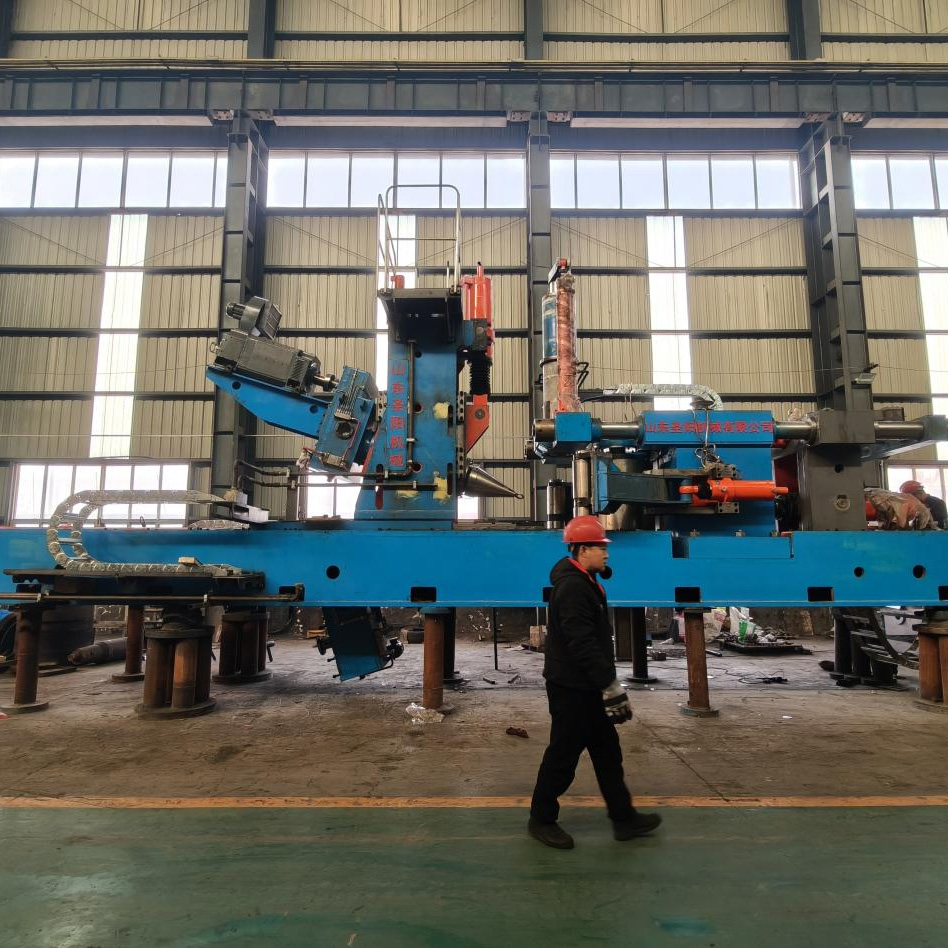
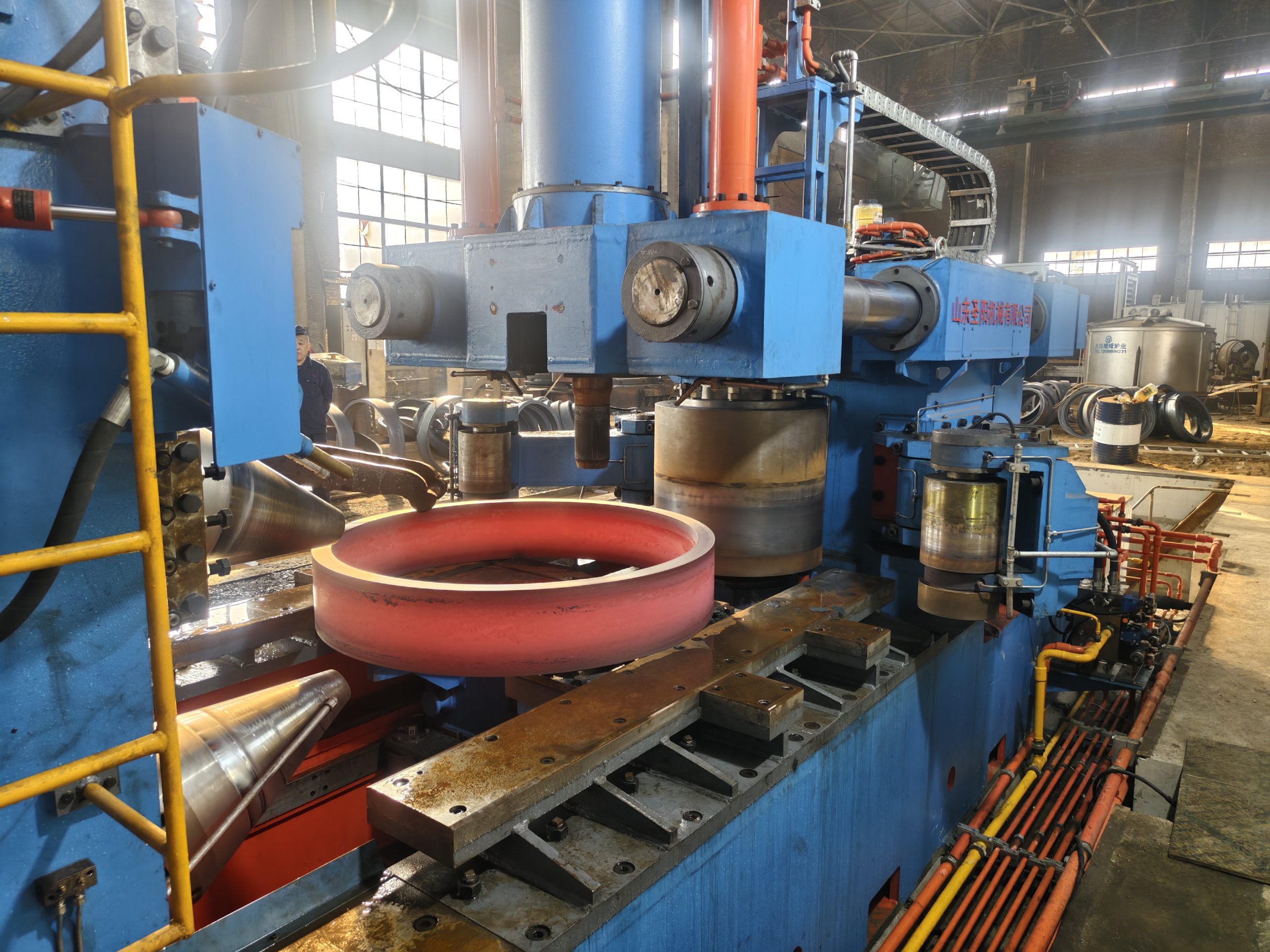
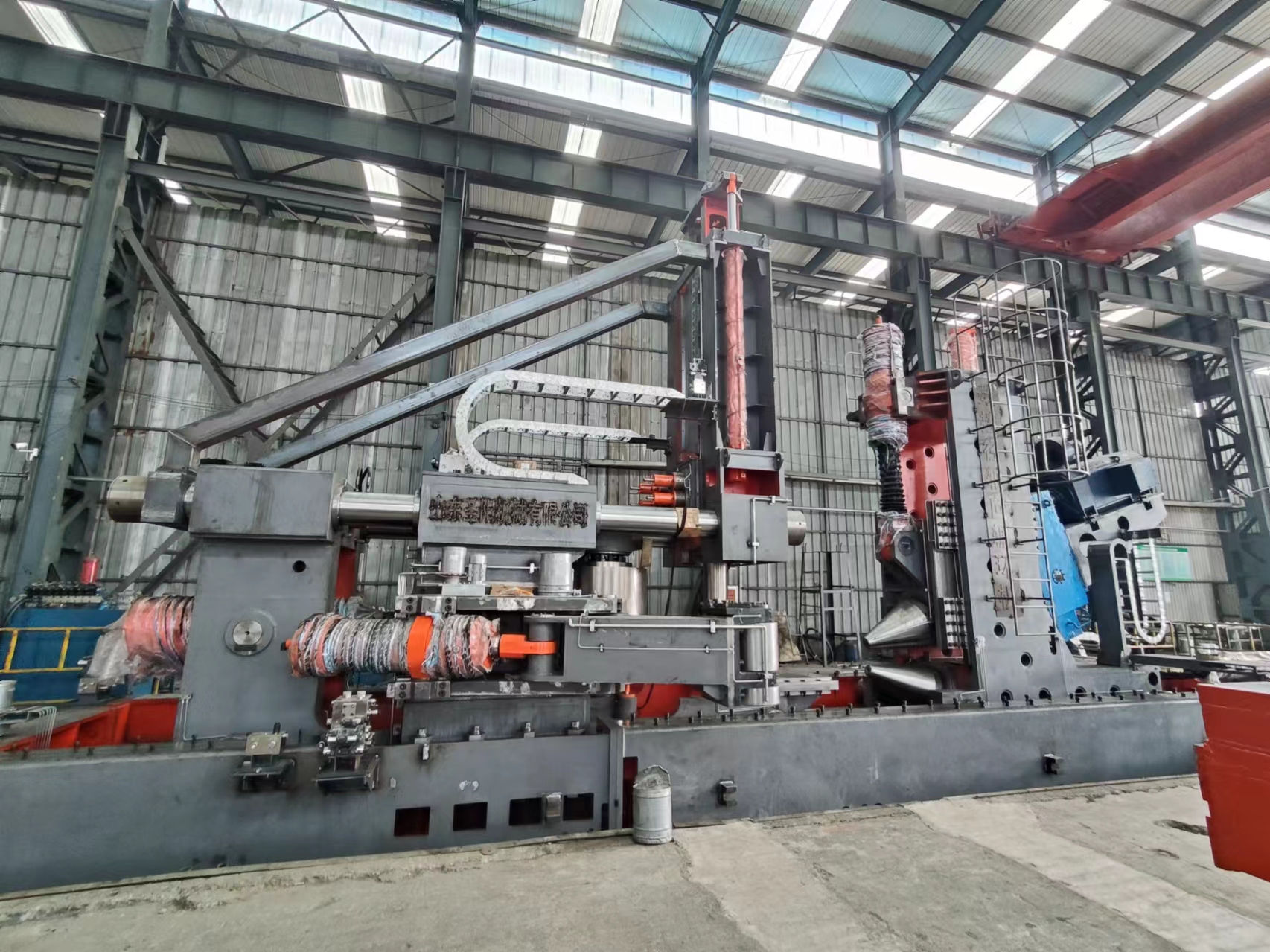
Here's a concrete example. I worked with a baler, where a system of automatic control of bale density was implemented depending on the pressing resistance. It didn't work perfectly with very wet clover, but it worked great with alfalfa and timothy. The manufacturer seems toShandong Shenyang Mechanical Equipment Co.,Ltd, on your websiteshengyangjxgroup.rufocuses on such technological solutions, positioning itself as a high-tech enterprise. In practice, this means that they invest in development, and not just in the assembly shop.
The situation with the thickness of the metal and the quality of the steel is ambiguous. On the one hand, many manufacturers have indeed switched to higher-quality rolled steel for critical components - the fingers of the pressing chamber, the pick-up shafts. On the other hand, savings on minor parts, such as bearings or rubber products, still occur. Therefore, the overall assessment has become stronger. not always true.
The specifics of the model and year of manufacture are important here. I took into operation a baler that had superbly machined gears in the plunger drive - low noise, minimal wear. But at the same time, the plastic guides on the feed conveyor quickly failed. Conclusion: innovations are often targeted rather than comprehensive. The manufacturer demonstrates the “flagship” technology at key nodes to make a statement, and can save on the rest.
What has really improved is the anti-corrosion treatment. Baling chambers, especially in models for silage, are now often coated not just with paint, but with compositions like epoxy primers. This is not an advertising gimmick, but a response to criticism about rapid rust when working with feed masses. I saw cars after three seasons - the condition of the frame was noticeably better than that of similar “budget” ones. Europeans ten years ago.
Initially, Chinese cars came to us “as is”. Now many manufacturers, including the one mentioned in Shenyang, are actively collecting feedback from dealers and end users. The result is modifications. For example, increased ground clearance for our uneven fields, alternative bale wrapping options (twine/net), simplified access to service units.
This is that very practical innovation - not the invention of the wheel, but its adaptation to specific operating conditions. I remember how, at one of the demonstrations, an engineer from the plant showed a modified design of a knife for cutting mesh. They complained that it was clogged. They didn't just sharpen the blade, but redid the angle and added a stiffening rib - the problem went away. It’s little things like this that create the overall impression of thoughtfulness.
However, adaptation can also be strange. I came across a model where for “convenience?” They moved the control panel with a bunch of digital indicators directly to the rear panel. It looks solid, but in real work it is of little use, and dust and moisture do their job. It turns out that innovation is for the sake of a marketing sheet, and not for the real operator. This is also a characteristic feature of the current stage.
Traditionally this has been the Achilles heel. Now the picture is changing, but unevenly. Large players who want to stay in the market organize spare parts warehouses in the region. On the same siteshengyangjxgroup.ruit is clear that the company does not just sell equipment, but structures information on spare parts, which is already a plus. The question is speed and availability in the warehouse of not only the most popular items.
From personal experience: shaft failure in the pick-up. Contacted the official dealer. The part was in stock at the regional warehouse and was delivered in two days. This is a level comparable to the service provided by many European brands in the mid-price segment. But this is if the part is typical. We had to wait three weeks for the electronic control unit of one of the models - it was delivered to order.
Service teams have also become more competent. Previously, a “generalist” often came, who barely understood a particular model. Many dealers now train mechanics at the manufacturing plants. I saw such a specialist diagnose and fix a problem with a density sensor that seemed complicated in half an hour. This is a huge step forward, which directly affects the willingness of farms to buy such equipment.
The initial low price tag is only part of the equation. Innovation, even modest innovation, should impact the total cost of ownership. And there are interesting points here. Increased reliability of key components (plunger, press chamber) reduces the risk of downtime during the peak of the workpiece. Improved fuel efficiency through optimized gear ratios and more efficient hydraulic pumps is also a reality of the new models.
But the main savings, in my opinion, are in unification. Many Chinese manufacturers are now building their lines using common platforms. One base chassis, different add-on modules. For the farm, this means that spare parts for a baler and, say, a rake of the same brand may have common bearings, hydraulic cylinders, and drive elements. Logistics are simplified and warehouse costs are reduced.
However, do not delude yourself. The cheapness of operation can be eaten up? shorter service interval compared to premium brands. More frequent replacement of filters and checking the tension of chains and belts is required. This is a general availability fee. Innovations in design do not always eliminate this feature. You need to clearly understand: you are buying a technologically advanced unit, but still more demanding of regular maintenance.
So is this innovation? If by innovation we understand only breakthrough inventions, then perhaps not. But if you look at it as a consistent, sometimes jerky, process of improving products, adapting to the market and introducing modern engineering solutions, then of course, yes.
Chinesebalersare no longer just a cheap alternative. They have occupied their niche - equipment with a good, and sometimes very good, ratio of functionality, technology and price. Their weaknesses now lie not in their fundamental backwardness, but in their imbalance: in some places they have already “caught up”, but in others they have not.
For a practitioner, choosing such a machine today is no longer a gamble, but a balanced decision. You need to carefully look at a specific model, find out who the real manufacturer is (such asShandong Shenyang Mechanical Equipment Co.,Ltd), study reviews on units, communicate with the dealer about the availability of spare parts. Innovation has made this choice possible and justified, but has not eliminated the need for in-depth analysis before purchasing. Progress is obvious, but it is too early to relax - both for manufacturers and buyers.