Email support
syjx@shengyangringrollingmachine.com

2026-01-17
To be honest, this question itself already contains a couple of common pitfalls. Many people immediately go to Alibaba, drive in a “hydraulic forging press?” and they think that this is the choice. And then they wonder why some machines break down after six months, while others do not produce the declared effort. The key is not to “find just anyone,” but to weed out those who actually make metalworking equipment, and not just assemble cases from purchased components.
It is important to separate here. There are factories that cast frames, make cylinders and assemble the hydraulic system themselves. And there are numerous trading companies that work as intermediaries. They may have a beautiful website and even a small showroom, but all equipment is purchased externally. The problem is that if there is a breakdown, you will have to wait a month for spare parts, and under warranty, dancing with a tambourine may begin.
Personal experience: I once worked with a supplier from Jiangsu. The prices were great and the documentation was beautiful. And when they opened the electrical cabinet at the first maintenance, inside there was a jumble of components from three different brands, some without even markings. The diagrams they sent were not true. The repairs then cost a pretty penny. Conclusion: you need to look for signs of the presentmanufacturer, not the collector.
One of these features is the possibility of customization. If, when asked to change the distance between the posts or install a different type of pressure gauge, they immediately tell you “no, only the standard?”, this is an alarm bell. A real factory that produces the key components itself can usually make changes within reason. Of course, this will affect the time and price, but the opportunity itself is there.
Yes, Alibaba and Made-in-China are obvious entry points. But the algorithm for working there has become more complicated. Previously, one could understand something based on the rating and year of registration. Now many old accounts are being sold, and reviews are being bought. You need to filter strictly.
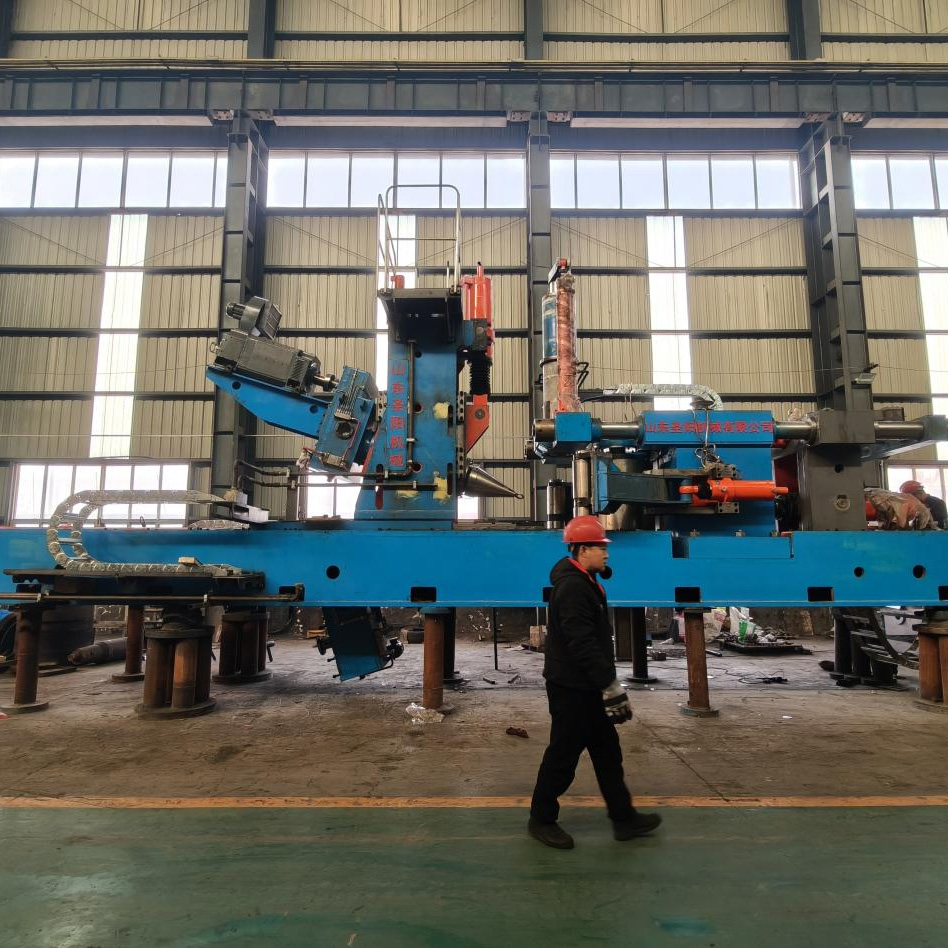
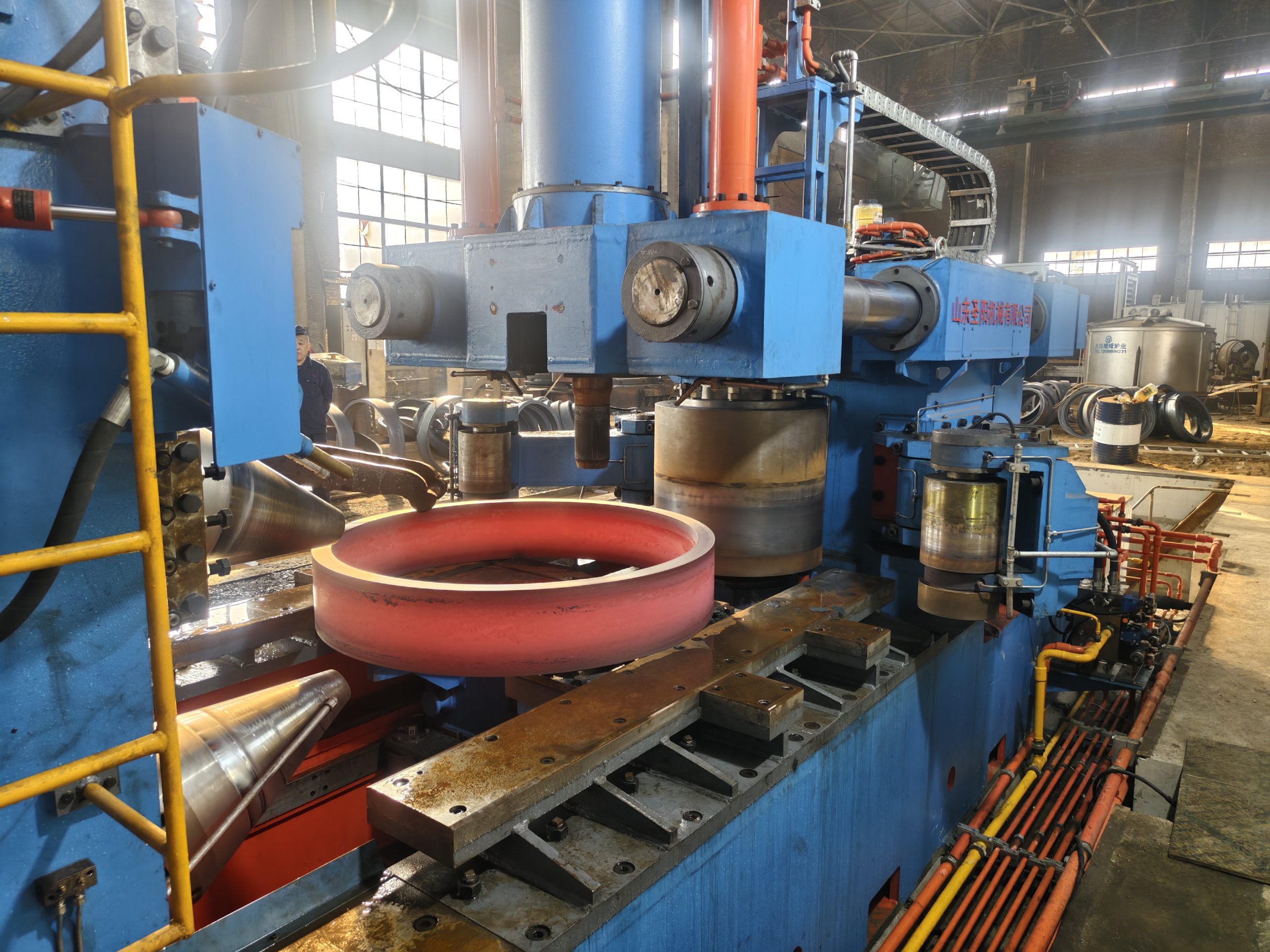
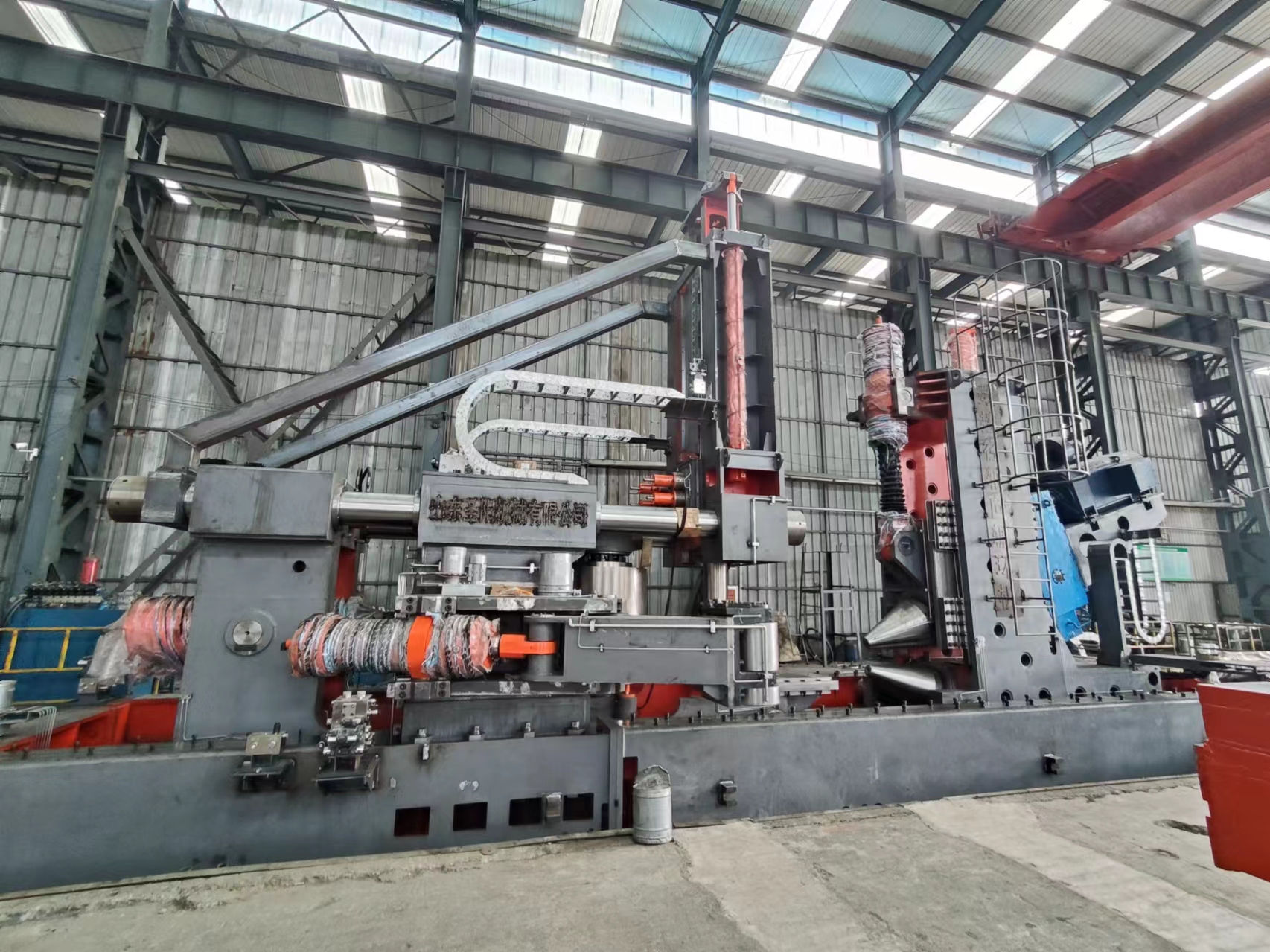
What I do: first of all, I look not at the beautiful pictures, but at the ?R&D? or ?Production capacity?. If there is a photo of a workshop with metalworking centers, machines for grinding guides, and welding areas, this is a good sign. Photos of finished presses in a warehouse do not prove anything - anyone could have bought them.
The second point is videos. Many normal factories now post short videos of the assembly and testing process. You can see how the plate moves, whether there are any distortions, how the hydraulics behave under load. If all the videos show the same abs from the same angle, it might be a stock video.
There are also industry exhibitions, for example, ?Metalworking? in Shanghai or Canton Fair. But now going there is history. Google image search often helps. You find a photo of the press model you are interested in and look for its origin. Sometimes you go to the websites of factories that are not even promoted on international platforms.
Price is, of course, the main factor. But if you see an offer 30% lower than the market average, stop. Most likely, they save on everything: on the thickness of the metal of the frame (instead of a solid cast one, they use a welded one made of ordinary steel), on the hydraulic pump (they use a no-name instead of a Bosch Rexroth or even a Chinese Yuken), on the guides (they should be hardened and ground, but they will simply be polished).
Effort is a parameter that is often overestimated. They write 100 tons, but the real working, sustainable force is 80. You need to ask about “tonnage at a working pressure of 16-20 MPa?” and require a calculation table or graph. High qualityhydraulic press for forgingmust provide a smooth, controlled ride even at low speeds, without jerking - this is critical for accuracy.
Control system. There are still proposals with the simplest relay cabinets. For artistic forging, where precise positioning is needed, this is already a thing of the past. Look for options with CNC or at least with a programmable controller (PLC). Find out what brand of controller it is (Siemens, Mitsubishi, Delta) and whether it is possible to get software with a Russian interface.
Don't forget about the equipment. Some manufacturers include a standard set of dies or mandrels in the basic package, others sell them separately. This point needs to be clarified immediately.
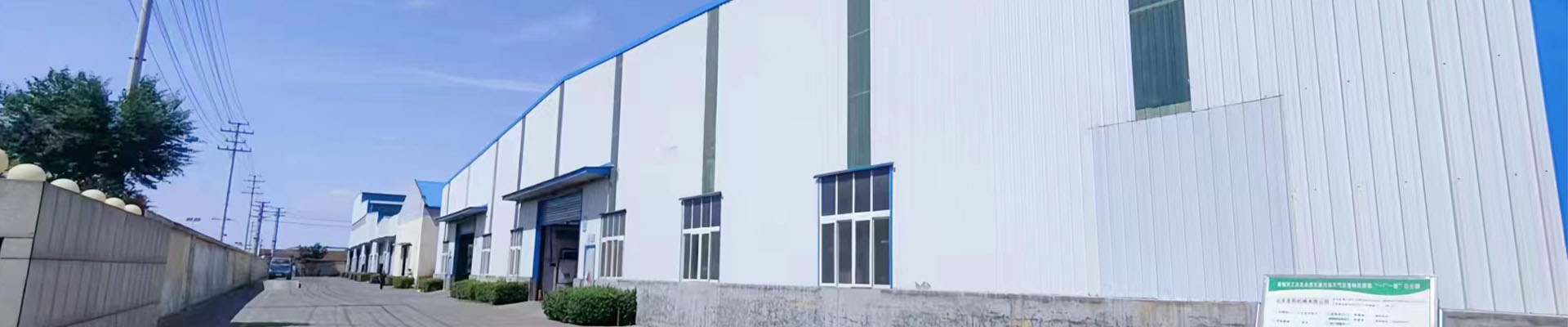
To make it clearer, I’ll take as an example a company I dealt with not so long ago -Shandong Shenyang Mechanical Equipment Co.,Ltd. I came across them not on Alibaba, but through an industry directory. Their websitehttps://www.shengyangjxgroup.ruI was immediately attracted by the fact that it was made not only in English, but also in Russian, and the technical terms were translated more or less correctly - already a sign of working with the CIS.
In the company description -Shandong Shenyang Mechanical Equipment Co.,Ltd is a high-tech enterpriseis a standard phrase. But then there were specifics: mention of our own foundry and a processing area for body parts. This is important forhydraulic presses, since the rigidity of the bed is the basis.
I asked them for a commercial proposal for a 160-ton press for hot volumetric forging. They sent a fairly detailed specification, where all the components were described: a pumping station of the brand ?Hilead? (Chinese, but a well-known brand in its niche), hydraulic valves from Yuken, guides from THK. This is already more serious than “high quality hydraulic components?”, as many people write.
I spoke with their engineer via video link. I asked to show the workshop in real time - they showed the assembly area. Several presses were visible in varying degrees of readiness. Requested a change to the security system - add two-handed activation. They said they would do it, but plus 5 days for assembly and a small additional payment. This is a normal reaction from a real manufacturer.
The downside that I noticed: their production time was 45 days versus the stated 30-35 for some others. But, as they explained, this is due to the bed’s own casting and processing cycle. For me, this is rather a plus - it means they don’t take ready-made cases from outside.
This is the list that has saved me more than once. First: “Can you provide a video report of the factory tests of my machine before shipment?” Usually this is 10-15 minutes, where you can see how the press works in different modes, and the parameters are measured. If they refuse, take the flag into their hands.
Second: “What is the warranty period for the main components (frame, cylinder, pumping station) and for the entire system?” Standard - 12 months. But it is important to clarify what warranty service includes. Will a specialist come to you or only online consultations? Who supplies spare parts and how quickly?
Third, and very important: “Do you provide a complete package of technical documentation in Russian?” There must be electrical diagrams, hydraulic diagrams, a passport, and an operation and maintenance manual. It is better to ask for an example of such documents in advance to assess the quality of the translation.
Fourth: “How is shipment carried out?” Who handles loading at the factory, who prepares export documents, who is the agent at the port? A clear understanding of FOB or EXW conditions will save a lot of nerves and money.
And the last thing: “Can you give contacts of 2-3 of your clients in the CIS?” They don’t always give, but if they do, it’s gold. Call and find out real reviews about the operation of the equipment and the service.
Let's say the press has arrived. The most common problem at the commissioning stage is inconsistencies in the electrical network (voltage, frequency) and in the hydraulic supply. Chinese machines are often designed for 380V/50Hz, but there are surprises with the quality of our network. It’s good if the control cabinet has a stabilizer or at least surge protection.
It is mandatory to have your own or a hired mechanic-electrician present when unpacking and turning it on for the first time. It is necessary to check the package against the list and inspect for damage during transportation (especially the lead screw and guides). Take pictures of everything.
The first 50-100 hours are a break-in mode. It is necessary to monitor the heating of the hydraulic oil, the operation of the cooling system, and leaks in connections. All this is normal, the main thing is to catch up on time and report.
And the main advice that follows from all experience: do not chase the absolutely cheapest option. The difference of 5-7 thousand dollars on such equipment is not savings, but future costs for repairs and downtime. Better find onemanufacturer from China, which does not rely on price, but on repeat sales and reputation. They are more difficult to find, but then you can sleep more peacefully with them.