Email support
syjx@shengyangringrollingmachine.com

2026-01-22
When you hear “Chinese baler?”, many people still have the image of something cheap and dubious. But it’s time to dispel this myth. About ten years ago I myself was skeptical about them until I came across them closely. Now the situation is radically different, and the question is no longer “do they work?”, but “which ones to choose?” and “what can you really count on?”
It all started, of course, with blatant copying of European and American models. The early samples that came to us about 15 years ago were a real headache: thin metal, weak hydraulic hoses, bearings that failed after the first season. Reliability was close to zero. But this also had its advantage - the low price allowed small farms to at least somehow mechanize hay harvesting.
The turning point, in my opinion, began somewhere in the mid-2010s. Chinese manufacturers stopped simply copying, but began to adapt and improve. Serious engineering teams appeared and began to purchase high-quality components - Italian belts, German electronics, Japanese bearings. Assembly technologies have also stepped forward. The welds are cleaner and the paint is more durable. It was no longer a makeshift assembly.
A striking example is roll balers with a variable bale chamber. Previously, this was the prerogative of ?Claas? or ?John Deere?. Now several Chinese brands offer very worthy analogues. Not ideal, but for the money they ask for, they are more than competitive. The key word here isadaptation. They took the basic design, but, for example, simplified or, conversely, strengthened some components, based on typical operating conditions in countries with less ideal fields than in Western Europe.
The reliability of any machine is the sum of the reliability of its components. A simple formula now works with Chinese balers: if the model uses well-known brand components, then you can expect stable operation. If everything is ?no-name? is a lottery.
The heart of the baler is the twine system or mesh. This used to be a sore spot. Now many self-respecting factories install systems from Italian manufacturers, for example, Orsi or Cifarelli. The difference is colossal. Problems with broken string or uneven winding are a thing of the past. Hydraulics are another critical issue. Reliable gear pumps and valves (not necessarily the most expensive European ones, but not the cheapest local ones either) ensure that the chamber will compress smoothly and the rollers will rotate without jerking.
Frame and framework. This is where progress is evident. They began to use thicker metal, which was better treated against corrosion. But there is still a nuance. You need to look at a specific model. For a small farm working on flat fields, a lightweight design is also suitable. For difficult terrain or large volumes, you need a machine with a reinforced frame and axles. Some manufacturers, by the way, offer the option “reinforced package?” for an additional fee - it's often worth it.
The trend in recent years is saturation with electronics. Humidity sensors, automatic loading systems, color displays in the cabin. It looks impressive, but I advise you to be careful here. Complex electronics are a potential point of failure, especially in dusty environments. And repairing it in the field can be problematic.
Personally, I am a supporter of reasonable minimalism. A reliable bale density control system and counter are sufficient on the baler. Everything else is often marketing. A friend of mine from the Krasnodar region bought a model with a bunch of “smart” ones. functions. After two seasons, the moisture sensor failed, causing the system to produce loose bales. He ended up just turning the feature off manually and the machine works great. Reliability often lies insimplicity of design, and not in its technological overload.
Theory is good, but practice decides everything. Among the most common problems that my colleagues and I have encountered, there are several non-obvious points.
The first is not the nodes themselves, but the joints between them. For example, places where hydraulic cylinders are attached to the frame. Vibration and shock loads can loosen fasteners over time. The solution is simple - regular broaching with a key, but many people forget about this. The second is transportation wheels. On some models they are clearly too weak for the weight of a loaded baler, especially when traveling on dirt roads. The wheel bearings fail.
Another point is knives for cutting mesh or film. Their sharpening and timely replacement are often ignored, which leads to increased load on the entire packaging mechanism. This is not a fault of the car, but a maintenance issue. But the fact is that on more expensive European cars this unit is often more forgiving. to similar operator errors. The Chinese require stricter compliance with the regulations. There is a plus to this - it disciplines.
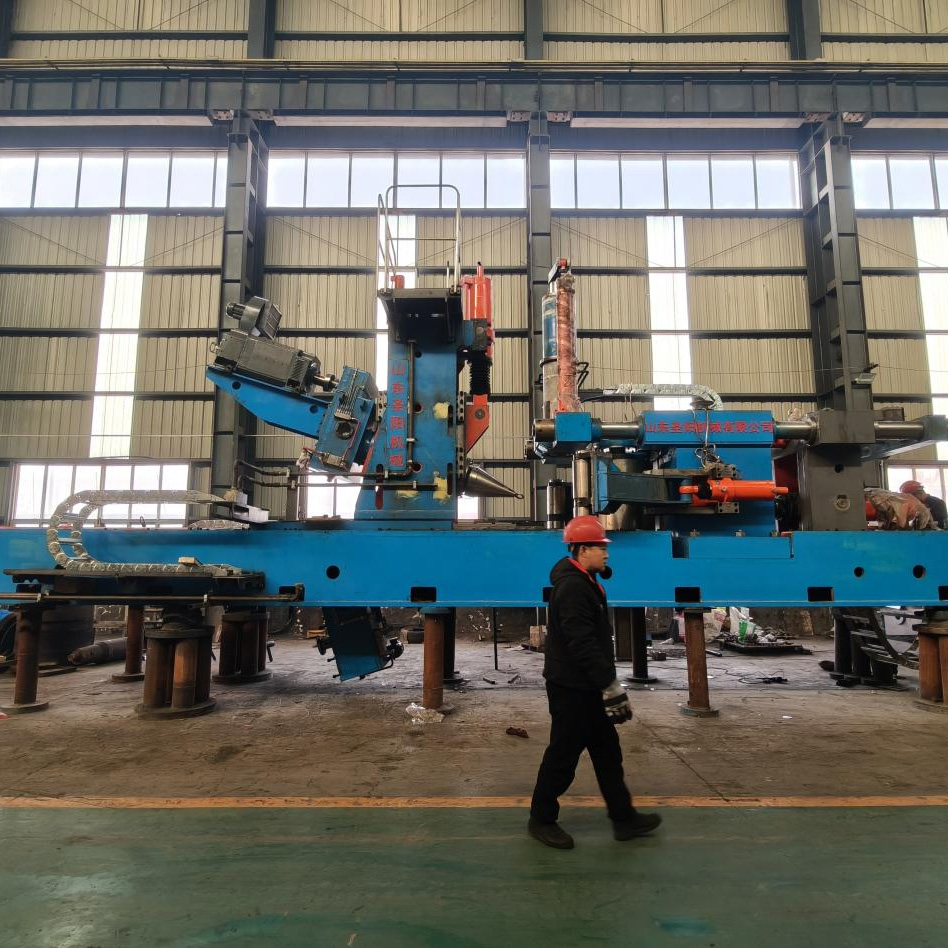
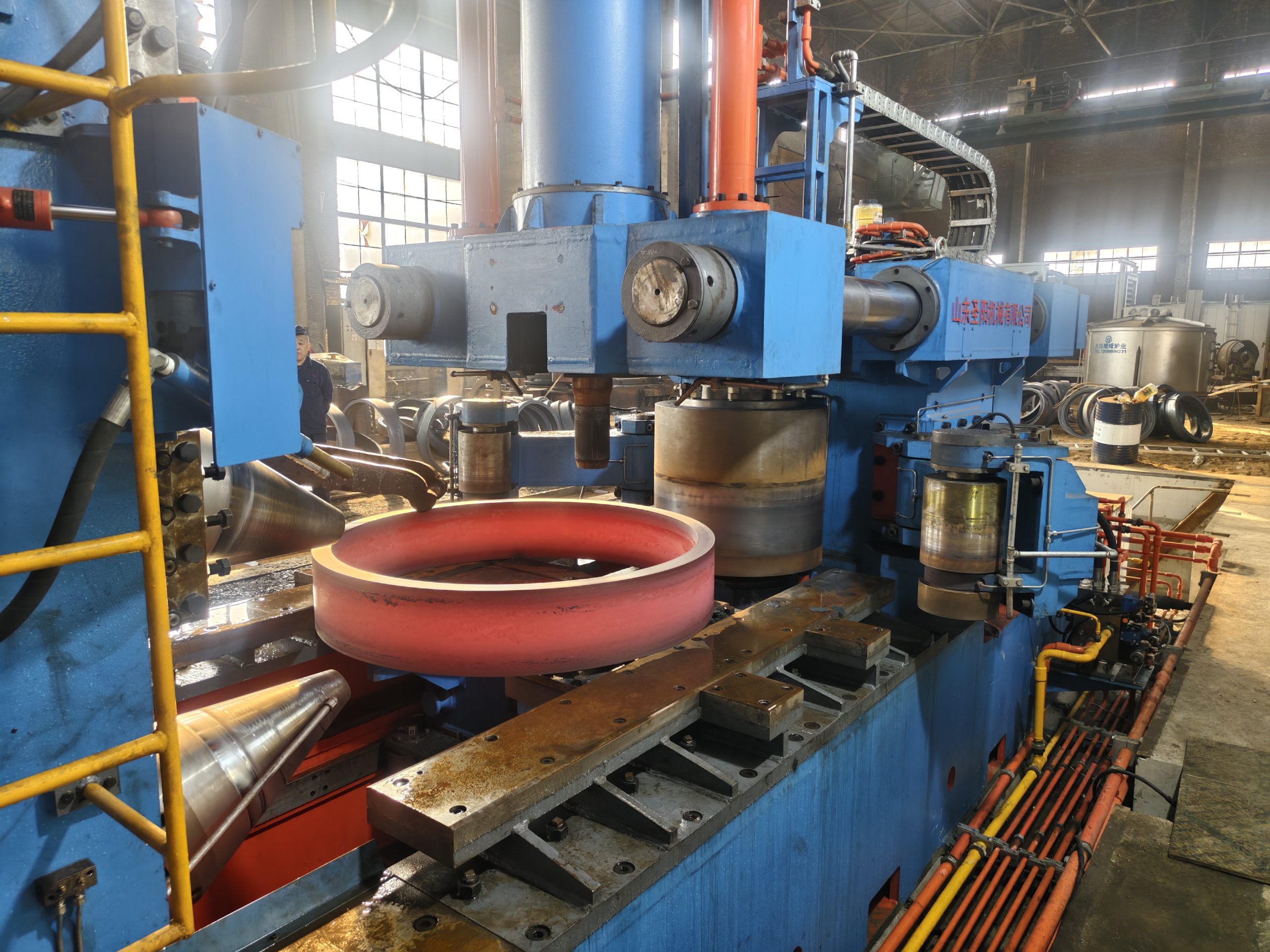
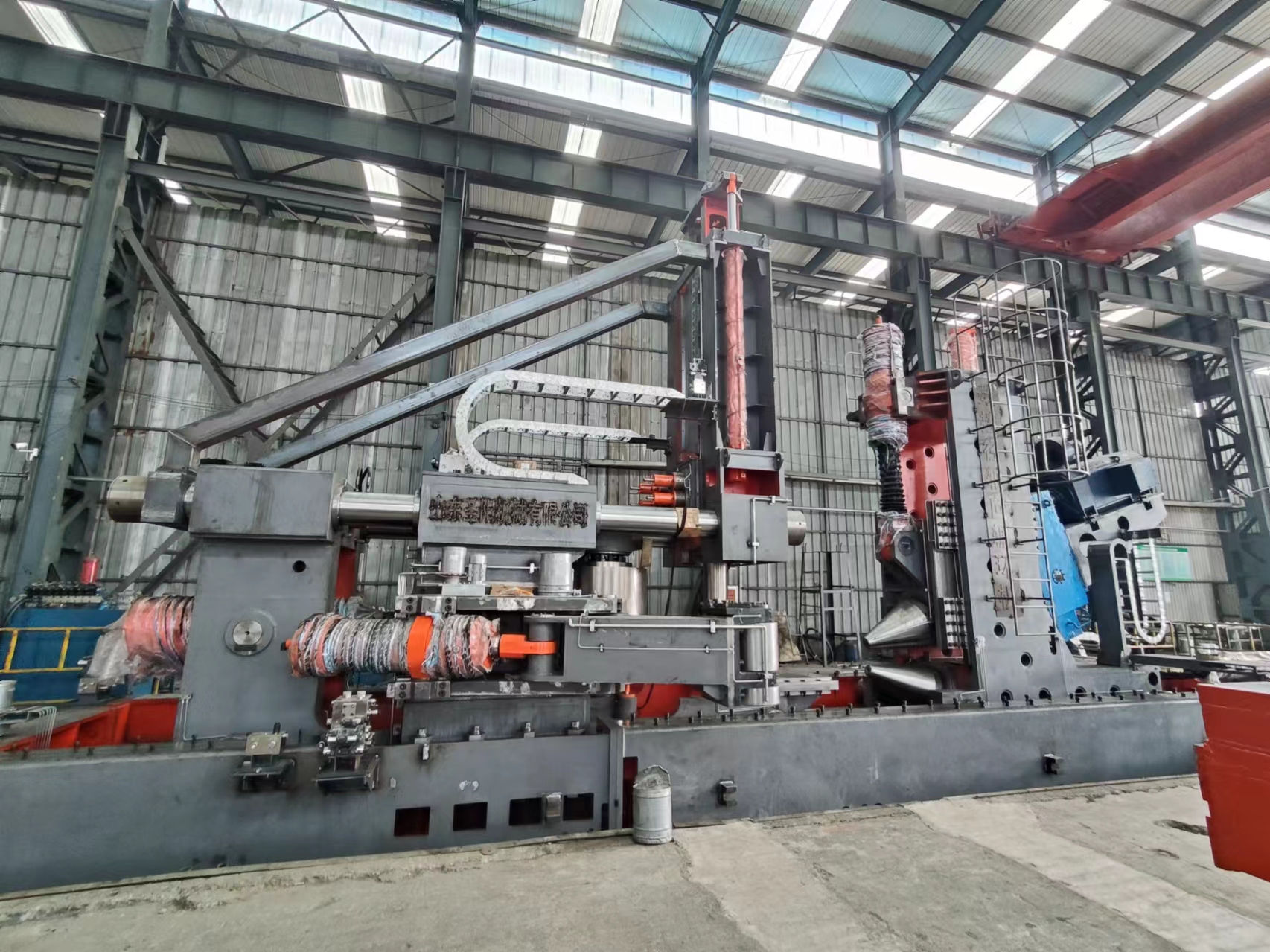
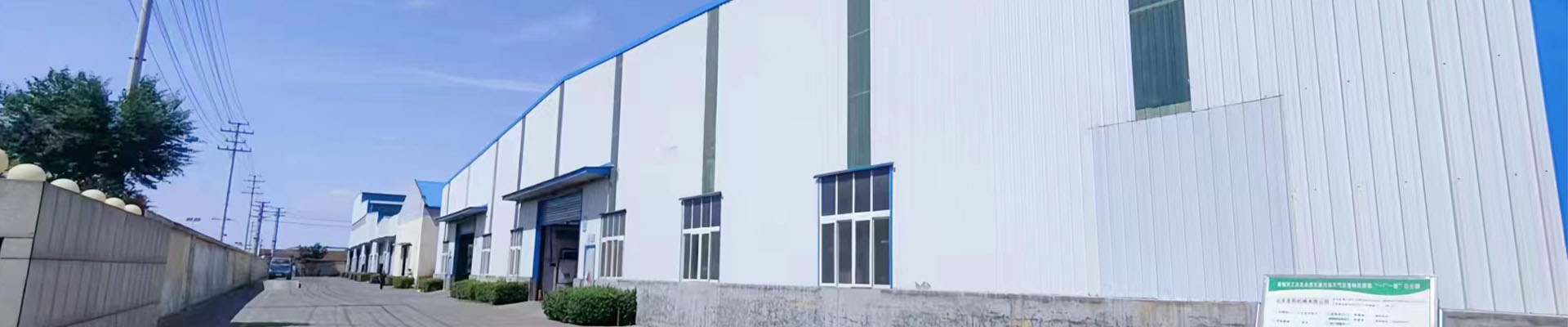
I recently dealt with equipment fromShandong Shenyang Mechanical Equipment Co.,Ltd. This is just an example of a modern Chinese high-tech enterprise. I looked at their baling press. The first thing that caught my eye was the neat assembly and good paint job. I looked inside and saw Bosch Rexroth markings on the hydraulic pump and NSK markings on the bearings. This is a good sign.
I talked to their technical support through the website.https://www.shengyangjxgroup.ru. The questions were about setting the bale density. They did not answer immediately, but in detail, with diagrams. It is clear that they have engineers who understand the product, and not just sales managers. This is important. The machine itself performed well: it consistently formed dense bales, and the strapping system did not fail. True, the operating instructions were translated into Russian with noticeable roughness, but the main points were clear.
Of course, this does not mean that everything is perfect for them. For example, on one of the machines in the batch there was play in one of the feeder rollers. A small thing, but unpleasant. The supplier promptly sent a replacement. Conclusion: you can already work seriously with companies like Shandong Shenyang. They position themselves ashigh-tech enterprise, and in some ways this is true, especially in the approach to packaging and assembly. But preparedness for possible “childhood diseases?” There should still be a new model.
So is it worth buying a Chinese baler today? The answer is ambiguous, but more likely yes than no. It all depends on the tasks and budget.
If you need a machine for intensive work, 24/7 during the season, on huge areas, and the budget is not limited, perhaps you should look towards the premium segment of European brands. Their safety margin and service are still superior. But their price is several times higher.
For medium-sized and even large-scale farms, where equipment is operated in normal rather than extreme mode, a modern Chinese baler from a trusted manufacturer is an excellent choice. Hisreliabilitywill be at an acceptable level, and the cost of ownership (purchase price + spare parts) will be significantly lower. The key thing is that it is a “trusted manufacturer”. Don't chase the lowest price. Study what components are used, read reviews (but be skeptical), if possible, see the machine in person or find those who are already working on it.
They really mastered the technology. Now their main challenge is quality control on the assembly line and the development of service networks. When these two points are brought to the level of their technological capabilities, the question of reliability will disappear by itself. In the meantime, this is a reasonable and rational compromise between price, technology and that same reliability.