Email support
syjx@shengyangringrollingmachine.com

2026-01-22
When you hear about Chinese balers, many people have two polar opinions: either they are cheap and cheerful, they break after a season, or they are good value for money, now they are already making them well. The truth, as usual, is somewhere in the middle, but it greatly depends on whose hands you find yourself in. Talking about Chinese balers in general is like judging all cars by one model. Here is the key - exactlymanufacturer reliability, not the country of origin.
I remember about ten years ago we first tried a Chinese roll press. The price was attractive, of course. But already on the second day of work, one of the bearings in the feed chamber assembly burst. A small thing, but an indicator. When they opened it, the metal was clearly damp, the heat treatment was lame. Then the first conclusion was formed: the main problem is not in the design, which is often copied from European models, but in the production culture and the quality of the basic components - steel, bearings, hydraulics.
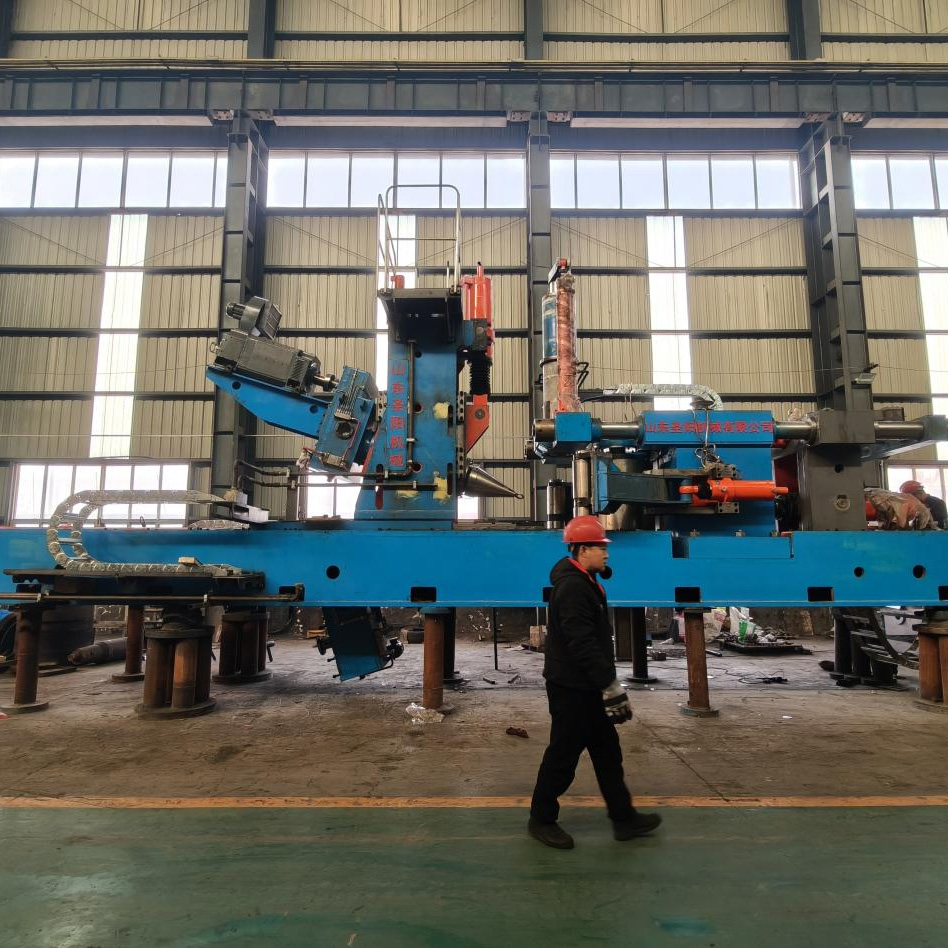
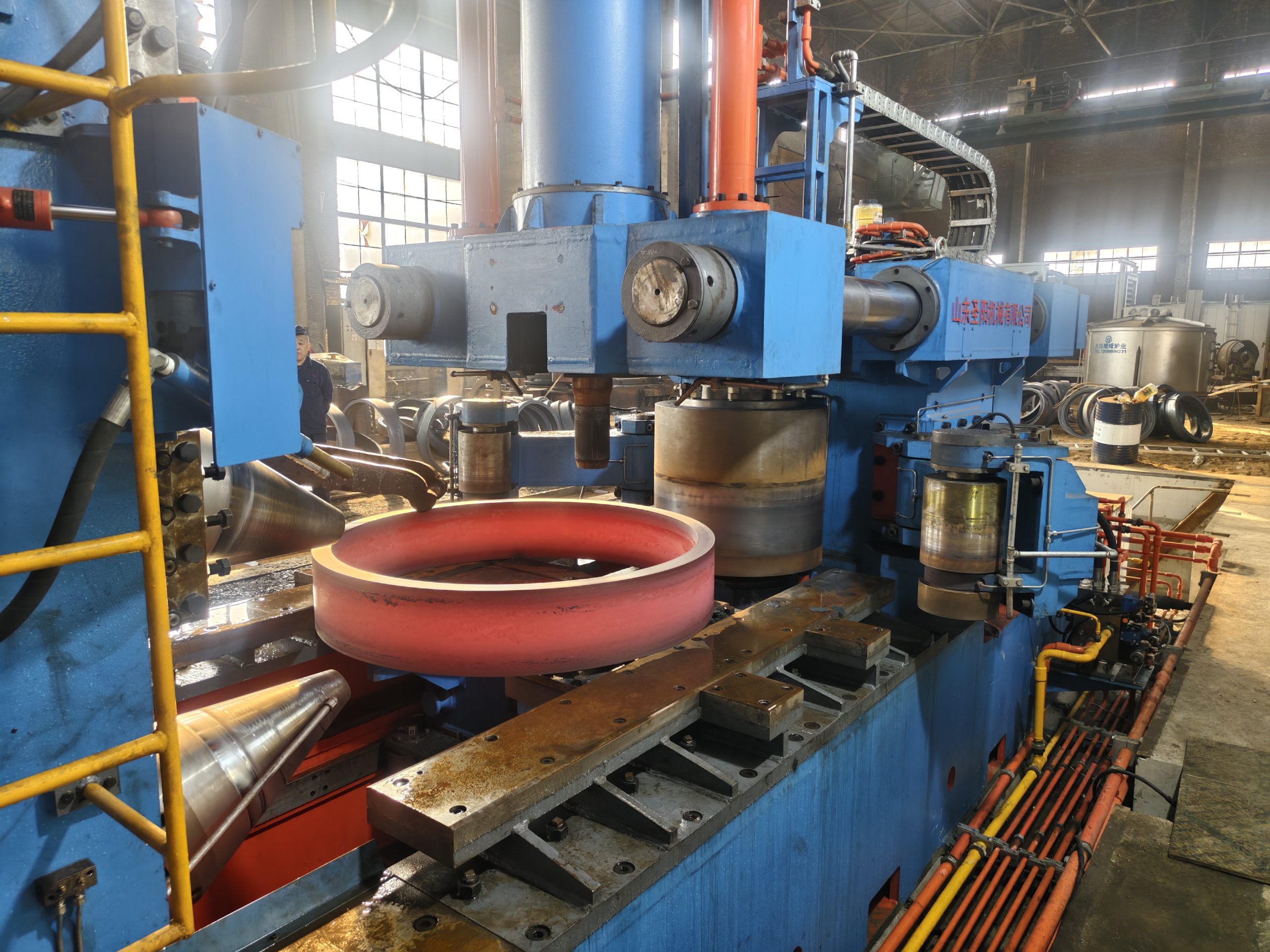
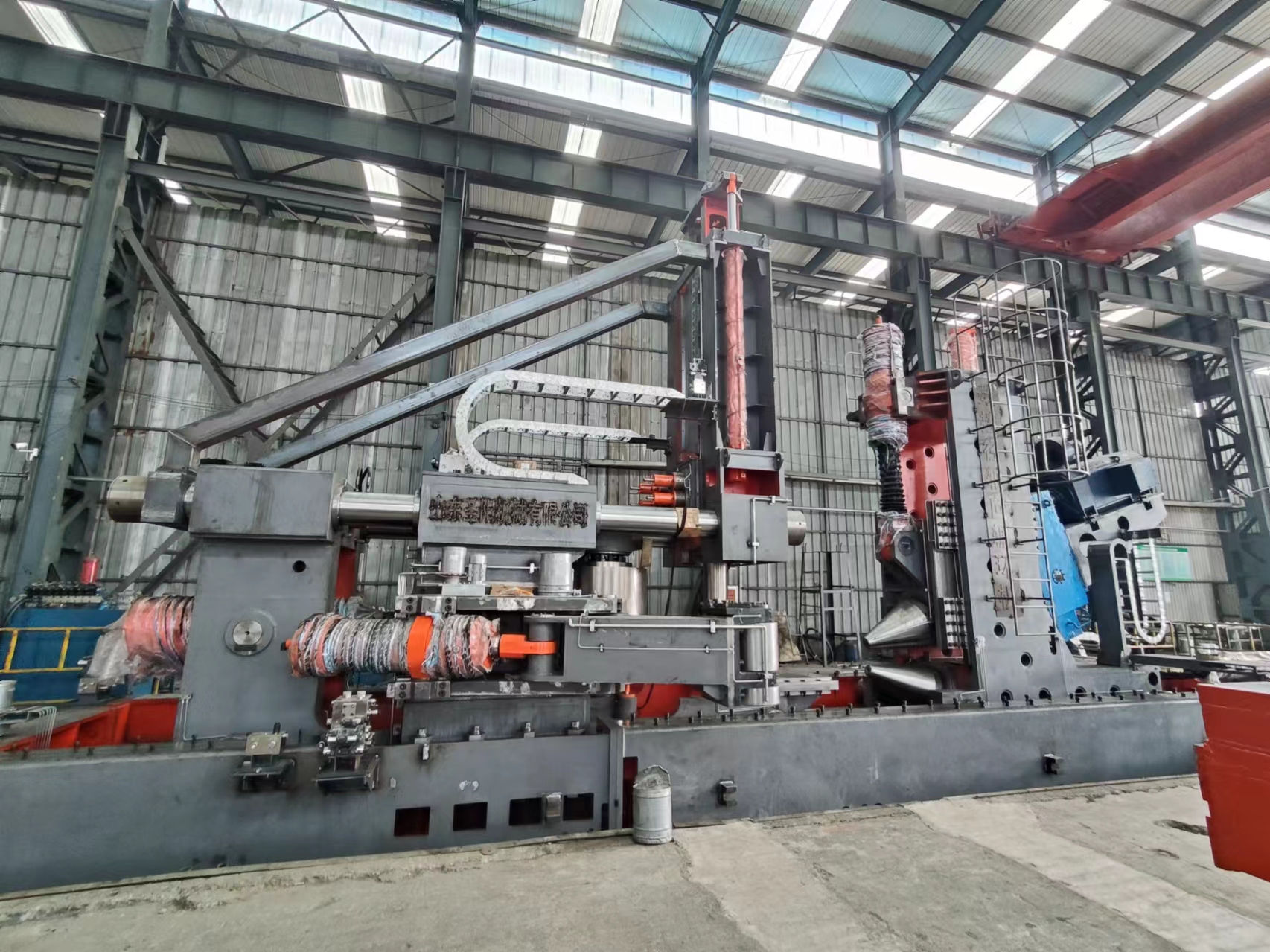
Much water has passed under the bridge since then. I began to notice that there are manufacturers who have realized this problem. They don’t just assemble from what they have, but begin to control the supply chain and invest in their own machine tools. For example, I started working with equipment fromShandong Shenyang Mechanical Equipment Co.,Ltd. On their website (https://www.shengyangjxgroup.ru) are positioned as a high-tech enterprise. What can I say - progress is visible in their presses, especially in the latest episodes. The bale former units have become more massive and thicker metal is used in critical areas. This is no longer the same tin that bends under the load.
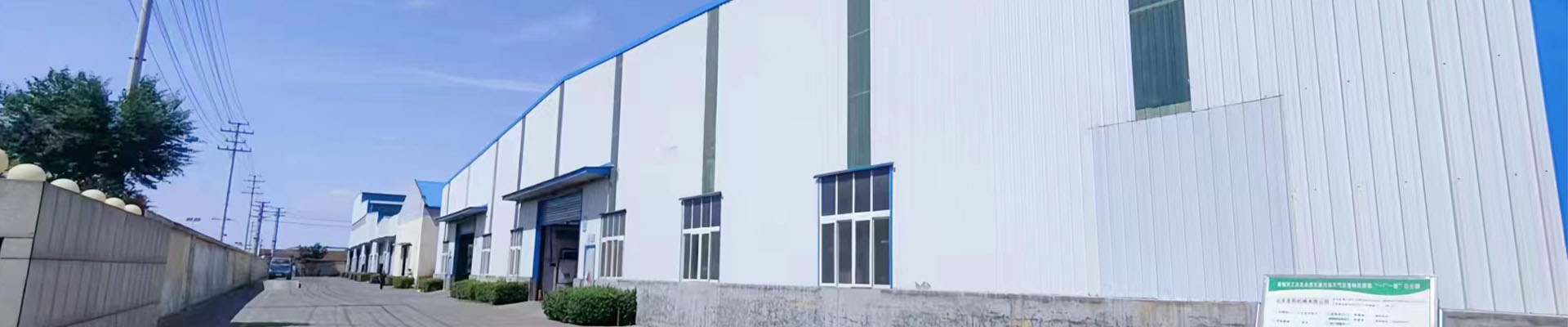
But trust is still selective. I still don’t take the first Chinese press I come across. I'm looking specifically at the plant. If a manufacturer, like Shenyang, has its own metalworking shops and welding lines with robots, this is a big plus. This means they can maintain the geometry of the frame, and this is the basisreliabilityany agricultural machine.
To summarize, the main risks still lie in three things. The first is the hydraulic system. Often they install locally made pumps and distributors that cannot withstand our intense cycles. It’s a good sign when in the specification you see brands of well-known brands (albeit licensed ones) or when the manufacturer gives a separate guarantee for the valve body.
The second is the strapping mechanism. Needles, twine feed units. Here the Chinese lagged behind for a long time. The twine often broke and the needles bent. Now the situation is better. In some models that we tested, this unit is almost as good as its budget European counterparts. But you need to check it in the field, on real, preferably wet, mass. Paper characteristics like reliable binding are worth nothing.
Third, and most insidious, are electronics and sensors. Simple presses without problems. But as soon as a smart cabin appears with bale density control or automatic settings, glitches begin. Pressure or position sensors can be unstable. Conclusion: for difficult conditions it is better to take the most mechanized version, without bells and whistles.Reliabilityoften inversely proportional to the amount of electronics in such machines.
We had an interesting case with a baler that was positioned as the flagship model of a Chinese factory. Everything looked solid: I-beam frame, imported Rexroth hydraulics, good paint. The first season worked with a bang. The problems started on the second.
The pressure settings in the pressing chamber began to fluctuate. The mechanic dug around - it turned out that the problem was in the spools of his own production in that same imported block. They were installed to save money, and they quickly wore out. The manufacturer, to his credit, sent new ones, but the whole system had to be dealt with. This is a typical story: even advanced manufacturers can make savings on small things, which then result in downtime.
On the other hand, the sameShandong Shenyang Mechanical Equipment Co.,Ltdin recent deliveries it is clear that they are unifying some units with more expensive lines. For example, the shaft in the pressing chamber is mounted on bearings of the same standard, which are easier to find in case of replacement. They are already thinking about the long termreliabilityand maintainability, and not just about assembly and shipping.
So here's my final list for myself. The reliability of a Chinese baler today is not a myth, but it is not a given. This is the result of a conscious choice of a specific manufacturer. I look first of all: 1) History of the plant. If they have been on the market for more than 10-15 years and they specialize specifically in agricultural machinery, that’s a good sign. 2) Having our own production of key components (frame, camera), and not just an assembly shop. 3) Openness for spare parts. If the dealer can quickly (within a week) deliver any bearing or shaft, this indicates well-established logistics. 4) Reviews not from sites, but from fields in similar climatic conditions.
Chinese manufacturers are now at a crossroads. Some are chasing quantity, others, like that company from the site shengyangjxgroup.ru, are clearly relying on manufacturability and build quality in order to justify a higher price than that of state employees. Their path is precisely an attempt to become thatreliable manufacturer, and not just a factory.
Can they be trusted? Yes, but wisely. For a small farm, for not the most extreme volumes, a modern Chinese press from a proven factory can be the optimal solution. For round-the-clock cleaning of thousands of hectares, this is still a question. But the gap is rapidly closing. The main thing is not to take your word for it, but to look at the metal, at the welds, at the markings on the components. The car should inspire confidence not in the brochure, but in reality.
The question is gradually losing its global meaning. The question is increasingly being asked: Is a particular manufacturer from China reliable? And this is the right shift. Because among them there are already those who build equipment that will last for decades, and those who churn out semi-finished products.
My advice is to always ask for not just a catalog, but a list of key component suppliers. If the manufacturer is ready to show it, that says a lot. If everything is shrouded in mystery, it’s worth thinking about.Reliabilityin agricultural machinery is born from the transparency of the chain of creation and control at each stage. And some Chinese companies have already realized this.
So yes, today you can find a Chinese baler that will not let you down. But this will not be the cheapest model found on the Internet. This will be the result of a thoughtful choice, where price is not the only argument. And in this sense, the market is becoming more honest and interesting.