Email support
syjx@shengyangringrollingmachine.com

2026-02-15
When you hear “Chinese D51?”, the first thought is the price. And this is the main trap. Many people buy, looking only at the numbers in the estimate, and then suffer for years with downtime and endless improvements. In fact, the question is much deeper: is it possible in this price category to get not just a machine, but a stable asset for the workshop? I formed my opinion not from catalogs, but from communicating with the same engineers at the sites and from my own trial and error.
The D51 classification is essentially an indication of the diameter of the workpiece for rotary forging machines. But in China, anything can go under this index: from almost manual units to complex lines. The first thing you encounter is confusion in terms. The supplier says “D51?”, but the documentation shows a modification of Q51 or something similar. This is not a hoax, but rather a legacy of how the local machine tool industry developed: they took a basic design and over the decades it was modernized to suit the needs of various industries - from fittings to automobile axles.
For example, about seven years ago we took on a line for forging flanges. The specification was D51-350. It turned out that the hydraulic system was “sharpened?” for soft non-ferrous metals, but we needed to drive steel. We had to finish it ourselves - strengthen the pump group and install another heat exchanger. This is the same “reliability” that rests not on the metal of the frame (it is often excellent), but on the synergy of the components. Innovation here is not about touch panels, but about how these components are put together.
By the way, about the components. The key point is the source of power electronics and hydraulics. Cheap models are often equipped with local analogues of Parker or Bosch Rexroth. They work, but the cycle life, especially in shock mode, may be 15-20% lower. This is not fatal if you have a maintenance reserve and are ready to change the seals on time. But if you plan to work in three shifts, it is better to initially consider an option with imported filling. - this immediately changes the price tag, but pays off later in the absence of downtime.
In advertising, all Chinese manufacturers now write about “intelligent control?” and “energy saving?”. In fact, this often hides the banal replacement of relay circuits with a programmable controller (PLC) and installation of a frequency converter on the main drive. Progress, of course, but it’s hard to call it a breakthrough. Real innovation is visible elsewhere - in service ergonomics.
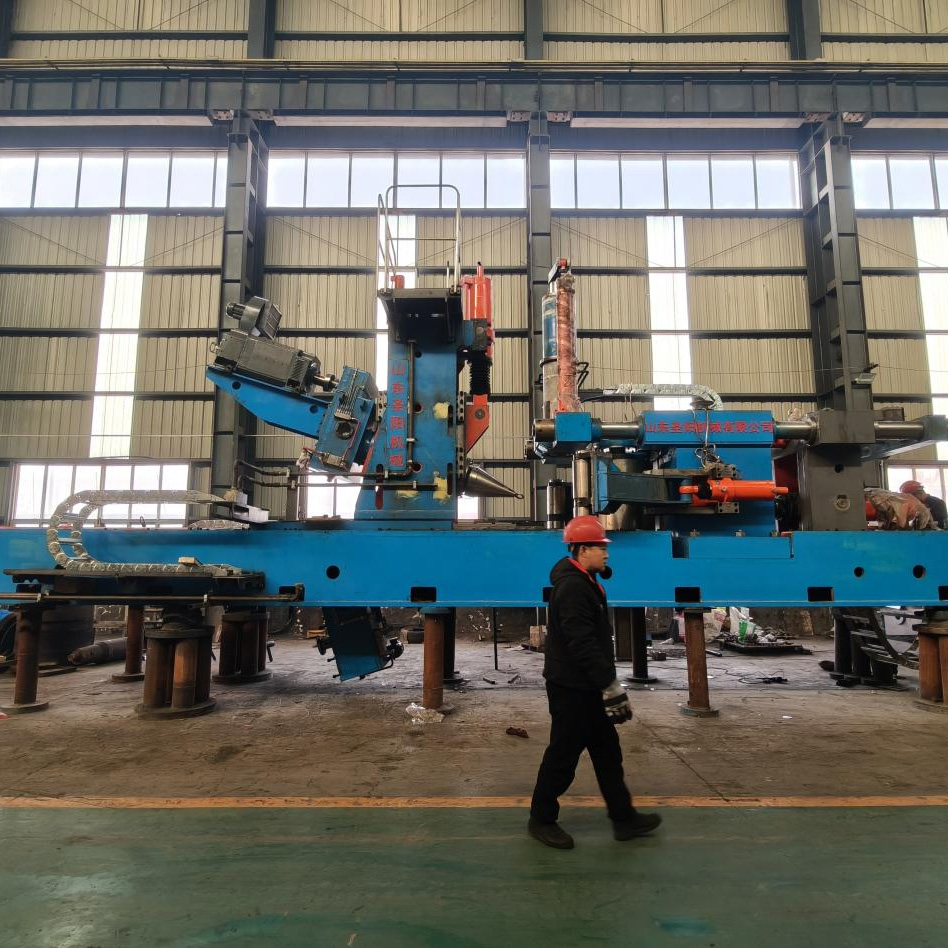
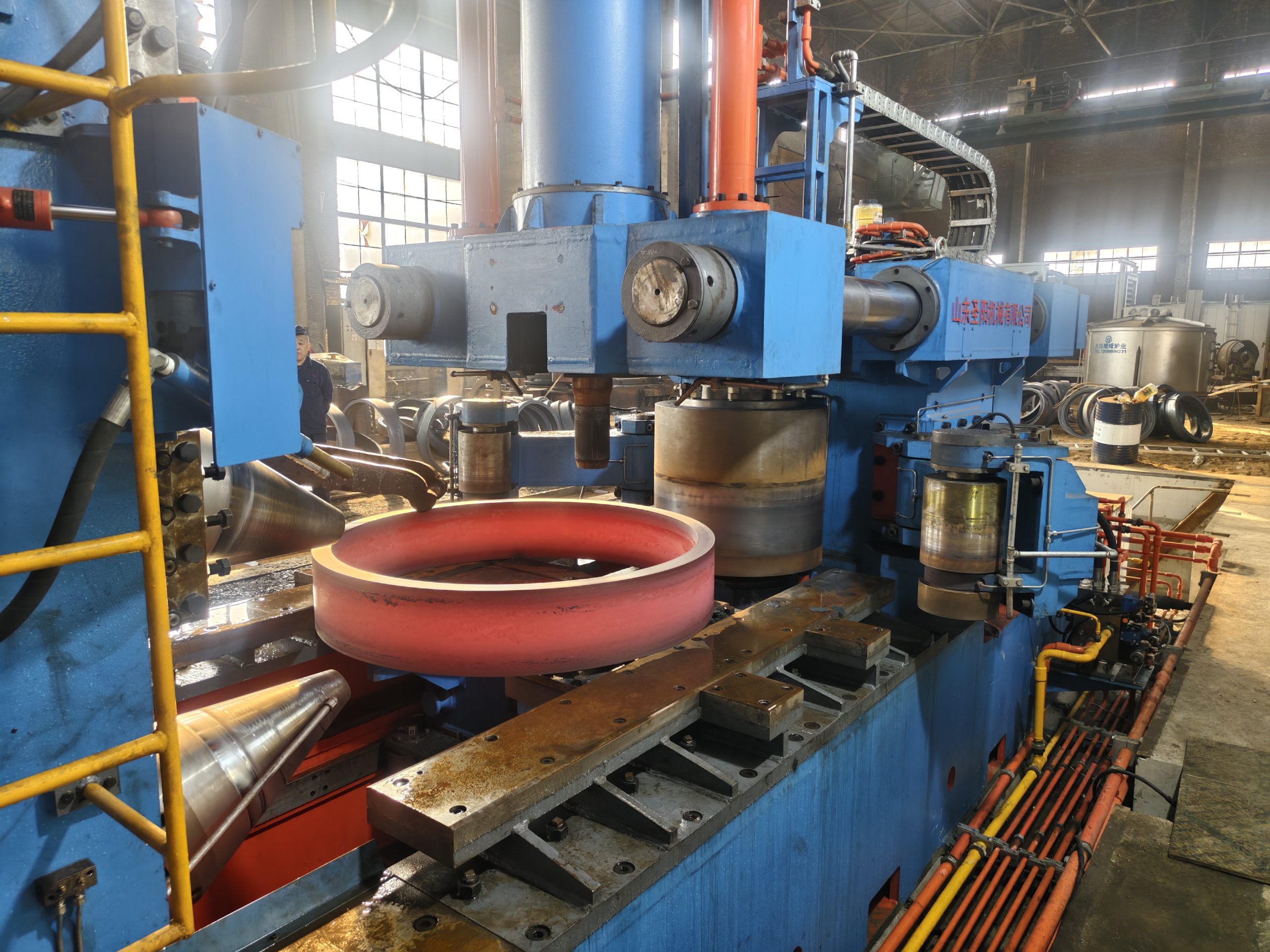
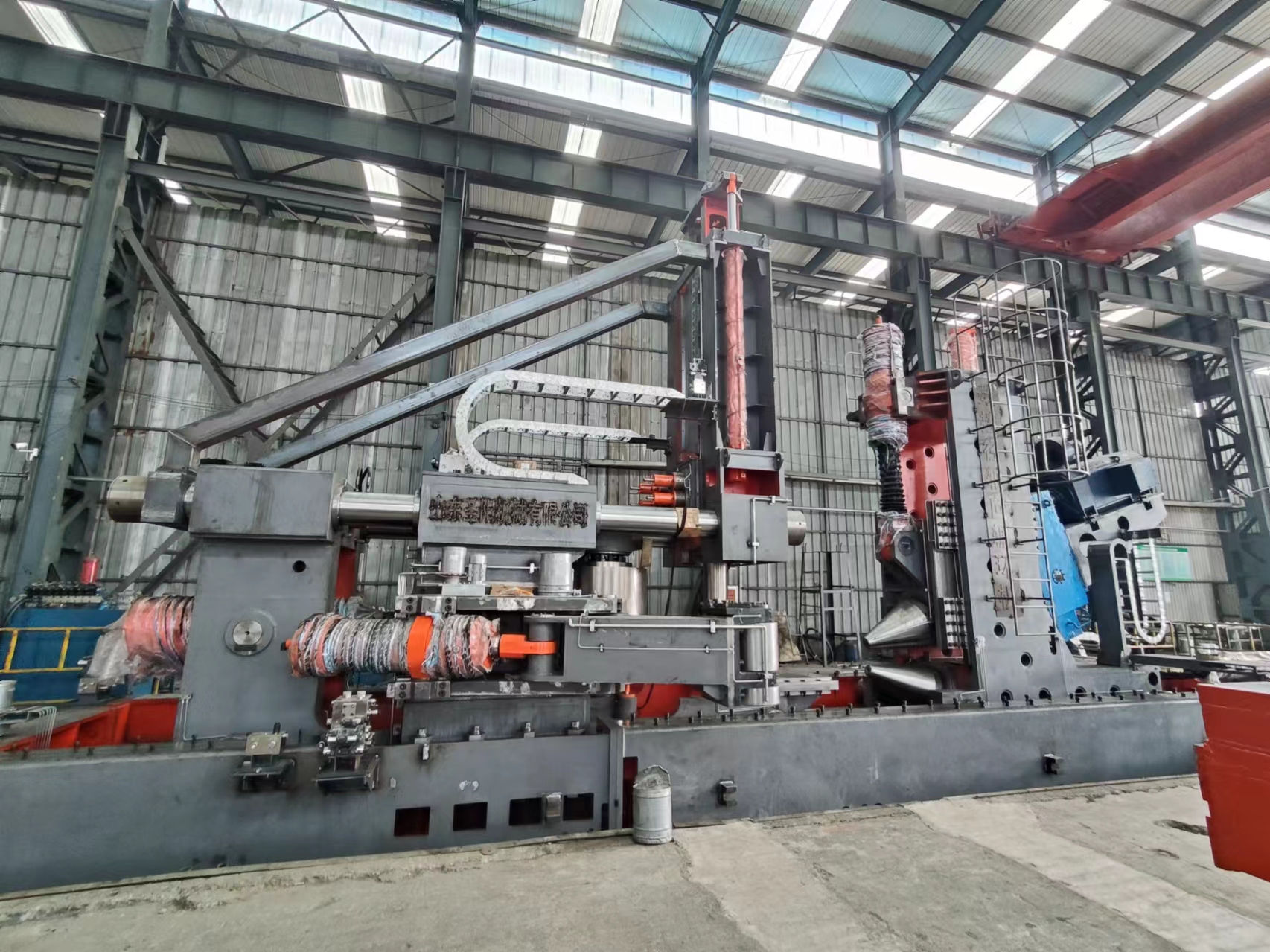
Let's take for exampleShandong Shenyang Mechanical Equipment Co.,Ltd. On their website (https://www.shengyangjxgroup.ru) it is clear that they position themselves as a high-tech enterprise. What does this mean in practice? In their D51 model range of recent years, the option of remote control unit on a rotary console has appeared. Trifle? For an operator who spends 8 hours at a machine, no. This dramatically reduces the number of adjustments required and provides a better view of the forging area. Such improvements are not born in the design bureau, but based on feedback from real production.
Another point is the lubrication system. On old machines it was centralized, but with one filter for all points. When the oil became contaminated, everything clogged. Now in more advanced versions, like Shenyang, they use a modular design with separate filters for the hydraulic system and mechanical guides. This increases the cost, but extends the life of exact pairs by one and a half times. That's what I consider meaningful innovation—when an improvement solves a specific operational problem, rather than simply adding a button to a remote control.
There were also negative experiences. We tried to introduce ?innovative? automatic force calibration system based on feedback from the sensor. The supplier (not Shenyang, but another factory) assured that this would reduce defects. In practice, the sensor turned out to be too sensitive to vibrations from a nearby hammer, and the system constantly went crazy, producing false errors. As a result, we turned it off and returned to manual adjustment using the pressure gauge. Conclusion: any complex electronics in the workshop must have a margin of stability and a clear algorithm for resetting to basic settings.
The reliability of a Chinese machine is not a constant value. It is 80% determined by how thoroughly you conducted the pre-purchase analysis for your tasks. The first rule is to never buy ?out of stock in China? for a specific serious project. Generic configurations will always have tradeoffs.
It is necessary to request not just performance characteristics, but test reports on certain materials. It would be better if these were videos rather than beautiful graphs. I once asked to record a 30-minute continuous cycle on 45 steel with measurements of oil temperature in key components. They sent it - and it became clear that after 20 minutes the heat exchanger could not cope and overheating began. This made it possible to pay extra for an enlarged cooler at the order stage. Such a machine then worked for five years without major repairs.
The second aspect is the availability of a service base and realistic delivery times for spare parts. Here's the story withShandong Shenyang Mechanical Equipment Co.,Ltdindicative. As a high-tech enterprise, they not only maintain a warehouse, but also engineers who can conduct remote diagnostics. This worked for us when the control unit failed. Through a video call with their specialist, the problem was localized to the board, and the required module was sent on the same day. Spare parts took two weeks to arrive (this is the reality of logistics), but thanks to accurate diagnostics, we were able to temporarily bypass the unit and not stop the entire line. This is practical reliability - not when nothing breaks, but when a breakdown minimizes the damage.
Often overlooked is ?reliability? the assembly itself. A good manufacturer conducts a run-in test before shipping. Ask the supplier for video recording of this process, preferably with visible instruments. If he refuses or sends a 30-second video, this is a reason to be wary. Our practice shows that machines that have undergone a full 8-hour run-in at the factory arrive “in service?” and reach operating parameters twice as fast.
The initial price is only the entrance ticket. The real costs start later: energy consumption, maintenance costs, maintainability, downtime. Chinese D51s often win the first point, but can hurt the last three if chosen thoughtlessly.
Let's take energy efficiency. Modern drives with energy recovery really save money. But their benefits are noticeable only in mass, serial production with a short forging cycle. If you have a piece production of different sizes, where setup takes a lot of time, and the work cycle itself is long, this “innovation” may not pay for itself over the entire service life of the machine. It turns out that you are overpaying for a function that you do not use to its full potential.
The cost of maintenance is where the main pitfall lies. Some manufacturers use specific sealing rings or bearings of non-standard series in hydraulics. While the machine is under warranty, there are no problems, spare parts are being delivered. And then it turns out that you need to wait three months for this bearing or order it in a batch of 50 pieces. Therefore, upon acceptance, you must make a list of all critical consumables and find out their part numbers and alternatives. It’s a good sign when the machine’s passport lists common industrial analogues of key components.
This is why, in the long term, working with suppliers like the aforementioned Shenyang, who work transparently and are willing to share complete design documentation, turns out to be more profitable than buying from a “fly-by-night brand.” with a minimum price tag. Their website is not just a showcase, but often a useful resource with spare parts catalogs and manuals posted. This is worth a lot for an engineer.
So what's the bottom line? The Chinese D51 can be both a very reliable working “horse” and a source of constant headache. Everything is decided not by the country of origin, but by a specific plant, its approach and your willingness to invest time in dialogue before purchasing.
There are innovations, but they are mundane, aimed at increasing convenience and maintainability. You shouldn't expect miracles from them. But what is worth paying attention to is the supplier’s production culture. Willingness to provide test reports, assembly videos, openness in discussing the weak points of the model - these are the main markers of quality.
Ultimately, the reliability of a machine is a joint product of its designers and your operating team. The machine needs to be “tamed”: to study its features, adjust it to suit your materials, and train personnel. Then even a unit without sophisticated electronics will produce stable results for years. And the race for the cheapest or the smartest? models without this step almost always leads to disappointment. Tested in practice.