Email support
syjx@shengyangringrollingmachine.com

2026-01-27
This is a question that constantly comes up in conversations with dealers from the CIS. Many people immediately look for one specific manufacturer, but everything is not so simple here. ?145th? is almost a common name for a whole class of square balers with a certain working width, and in China it is produced by more than one or two companies. Confusion often arises due to the fact that the market includes both original manufacturers and many assembly shops that buy components and assemble them under their own brand. And the quality, accordingly, fluctuates very much.
If we talk about serial, more or less high-quality production, then we need to look at enterprises in the provinces of Shandong and Henan. It is there that the bulk of the agricultural machinery production capacity is concentrated. Large factories often have a full cycle: casting, metal processing, painting, assembly. Their products are supplied under well-known brands or as OEM for other companies.
But there is another segment - small assembly shops. They purchase ready-made components: a pressing chamber from one supplier, a feed mechanism from another, a running gear from a third. They assemble it, paint it in their own color and stick on a nameplate. Suchbaler 145It may be significantly cheaper, but in terms of reliability it’s a lottery. I personally came across a situation where two externally identical presses from different “manufacturers” had completely different thickness of metal in the frame and different bearings in the units. After a season the difference became obvious.
Therefore, to the question “who produces?” you need to answer with clarification: are you interested in the manufacturer of the main components or the company that carries out the final assembly and sells under its own name? For serious work, of course, the first is more important.
Several years ago we were looking for a stable supplier of the 145th model for a long-term contract. We visited a dozen factories. The criterion was simple: you need to see the welding shops and assembly area with your own eyes. Many showed only finished cars in the warehouse, and this was immediately alarming.
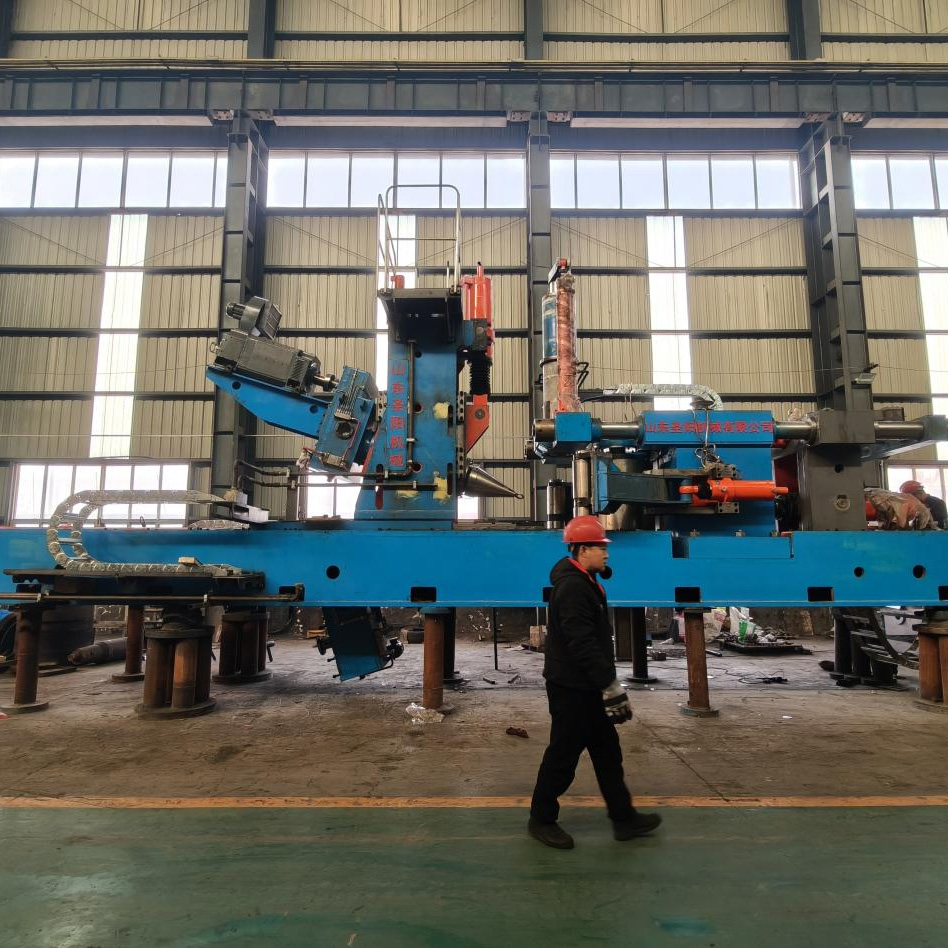
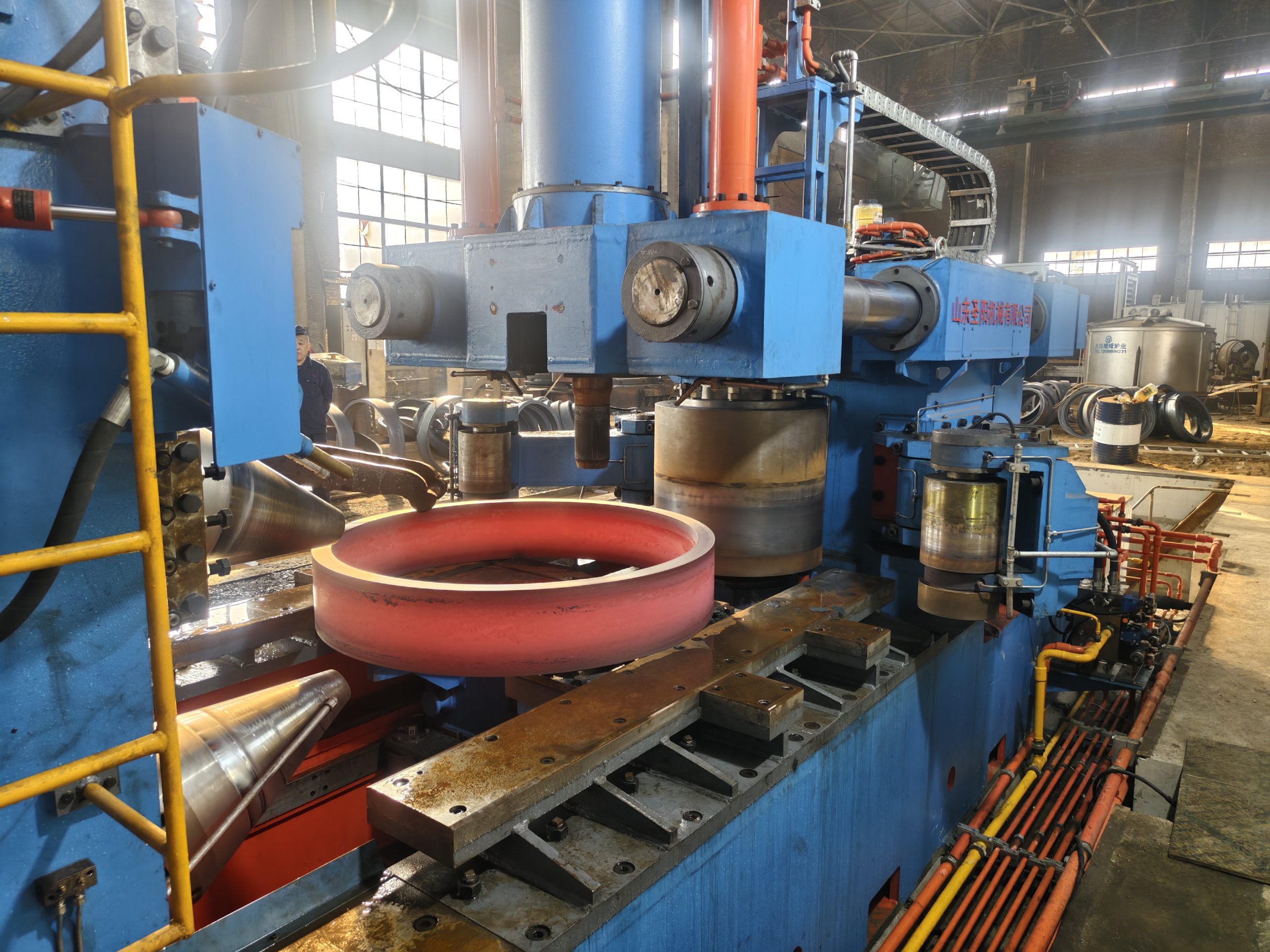
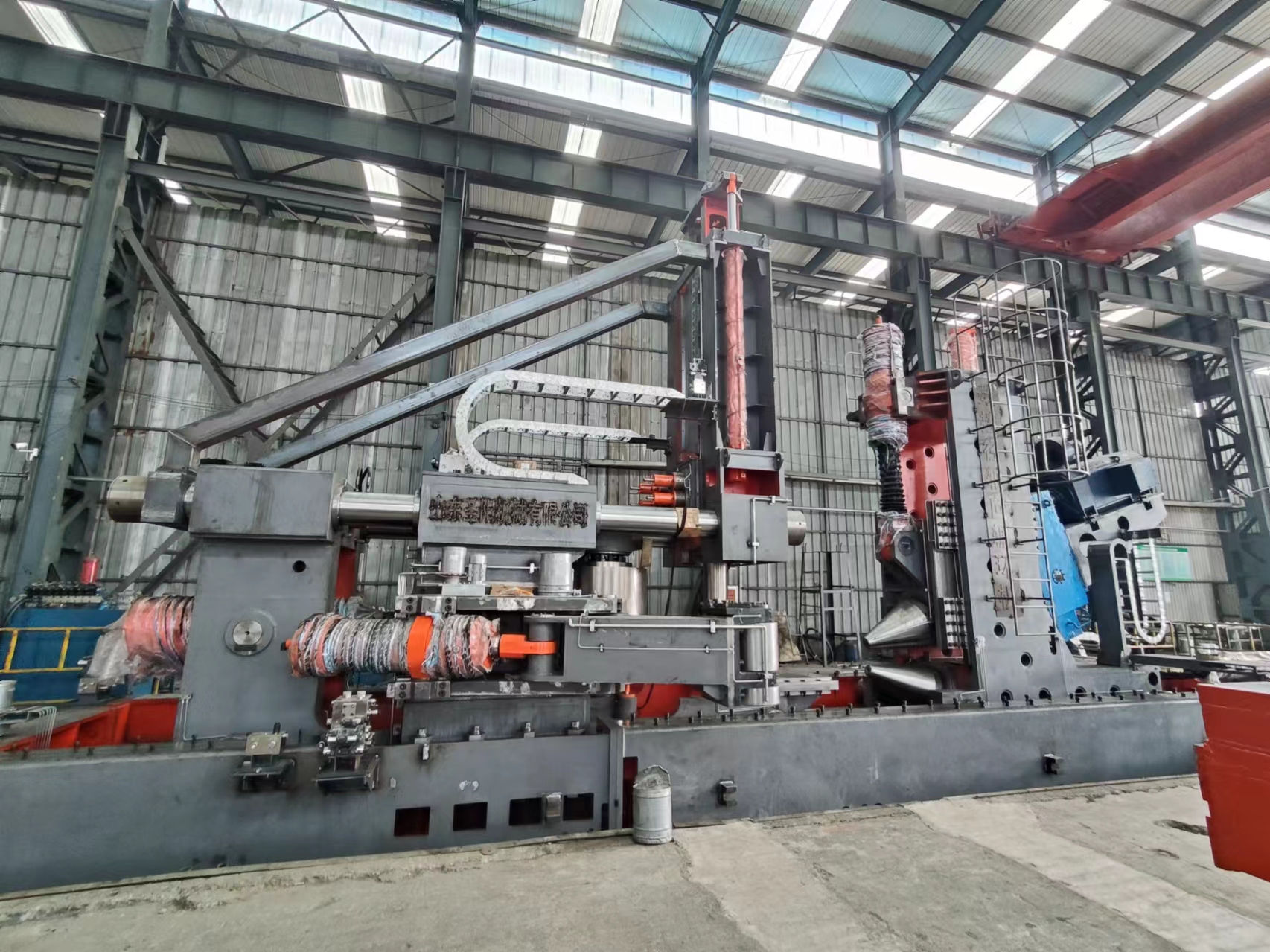
One of the options that was considered then wasShandong Shenyang Mechanical Equipment Co.,Ltd. On their websiteshengyangjxgroup.ruare positioned as a high-tech enterprise. What can I say in fact? The plant is really modern, you can see the investments in the machine park. I was especially impressed by the metal laser cutting section - parts for the pressing chamber were cut smoothly, without scale. This is an important indirect sign, because the geometry of these parts determines how the entire structure will fit together and whether there will be any distortions.
But here's the key: they're not just collectors. They have their own casting (they showed the workshop), their own production of shafts and gears for the drive. Forbalerthese are critical nodes. Cheap gears made from raw metal wear out in half a season. They controlled the process - there was heat treatment. As a result, we had no complaints about the transmission in their cars, which is already a big plus.
Often the whole difference lies in details that are not written about in the specification. Let's take a picker for example. Many budget models have simple rakes made of ordinary steel. They bend at the first stone or thick branch. More serious manufacturers use spring steel or make a system with a safety clutch that allows obstacles to be missed. The same Shenyang had just such a coupling in a more expensive configuration - we specially tested it by throwing a piece of timber under the drum.
The second point is hydraulics. Who supplies the pumps and distributors? They often install the cheapest Chinese brands, which leak or heat up after several hours of operation. You need to ask specifically: what brand, is there a certificate? Sometimes it’s better to pay extra and install a pump from a well-known manufacturer, albeit Chinese, but proven on your car, than to then change it in the field.
And painting. It would seem like a small thing. But if they paint on metal without proper priming and phosphating, after a year or two bubbles and rust will appear, especially in places where moisture and plant debris accumulate. Large factories usually have a conveyor line with washing, phosphating and drying before painting. This is visible to the naked eye by the uniformity of the layer and the absence of smudges.
Let's say a manufacturer is found and satisfied. Then there is the question of shipment. Standard packaging for China is a wooden cage and stretch film. This is enough for sea transportation, but protruding parts often suffer: levers, spreaders. Once we received a shipment where a third of the vehicles had a bent strapping mechanism - apparently, the container was loaded carelessly. I had to file a claim upon acceptance. Since then, we have always specified in the invoice a requirement for reinforced packaging and fixation of all moving parts, even for an additional fee.
Another point is the packaging. Chinese factories often skimp on what seems like little things: a set of keys, lubricant in syringes, spare belts. There is usually a basic set of tools, but they are of the lowest quality. We immediately include in the contract the option “extended spare parts kit” in order to receive normal wrenches and at least a minimum set of spare parts (pickup pins, belts, several bearings). This saves a lot of time and nerves for the end buyer.
So who ultimately producesbaler 145in China? Answer: several dozen enterprises of different levels. To summarize our experience, the algorithm is as follows. First, ignore those who are not willing to show the production process live or via real-time video. Secondly, look at the key components: who makes the frame, camera, main gearbox? If a plant buys all this externally, it is not a manufacturer, but an assembler. Third, check the history. Companies likeShandong Shenyang Mechanical Equipment Co.,LtdThose that have been working for a long time and have invested in machines are usually more predictable in quality.
And lastly: do not chase the lowest price. A difference of 2-3 thousand dollars per car at the start can result in twice the cost of repairs and downtime in one season. It’s better to take a little more, but from a trusted supplier who will not disappear after the first shipment and will be responsible for their equipment. Ultimately, what matters to the farmer in the field is not the name on the nameplate, but rather that the baler bales bale after bale, day after day, without breaking down. And this is ensured precisely by those invisible parts and control at the factory.