Email support
syjx@shengyangringrollingmachine.com

2026-02-26
Chinese forging machines are no longer just a cheap alternative. If you still think this way, you are wasting time and money. We are talking about technologies that are truly changing the approach to sustainable production in metalworking.
Previously, about ten years ago, the main argument was the price. We bought a Chinese hydraulic press, installed it in the workshop and started working. Problems began later: difficulties with technical support, inconsistencies in documentation, spare parts had to wait for months. The sustainability of production hung by a thread. Now the request has shifted. Customers ask not just about press tonnage, but about energy consumption per cycle, the possibility of integration with CNC systems to minimize waste, and the availability of service engineers in the CIS. That's a different conversation.
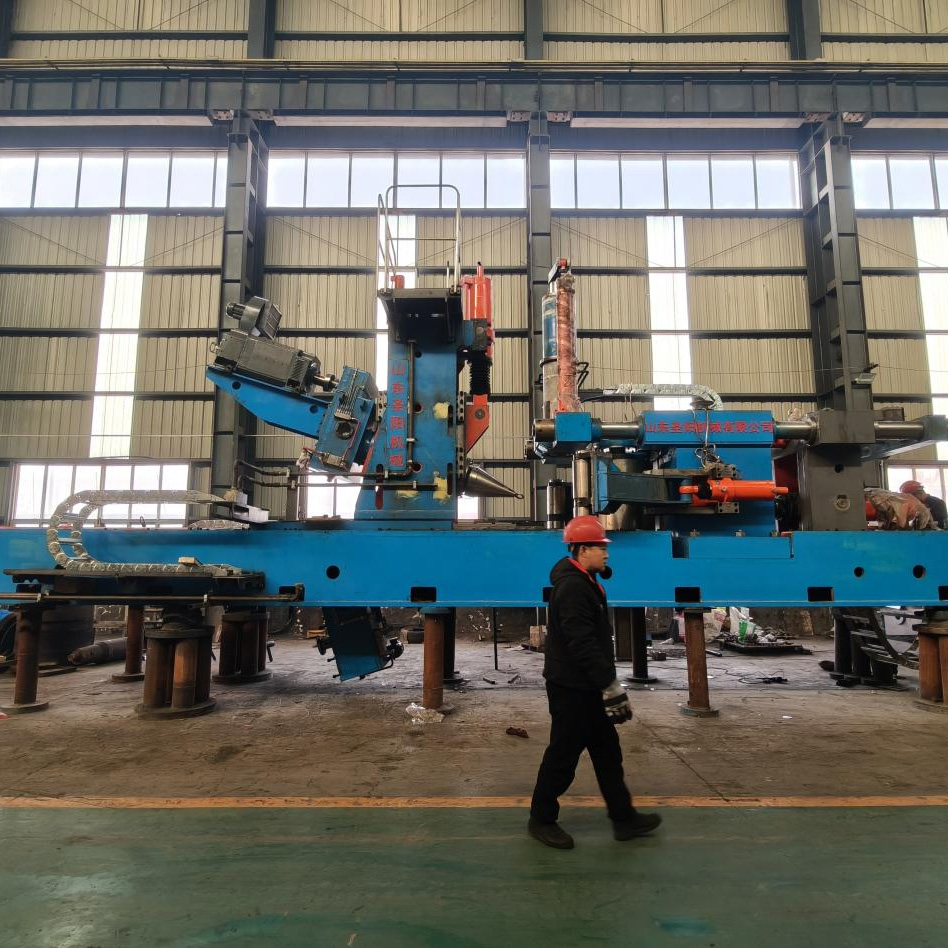
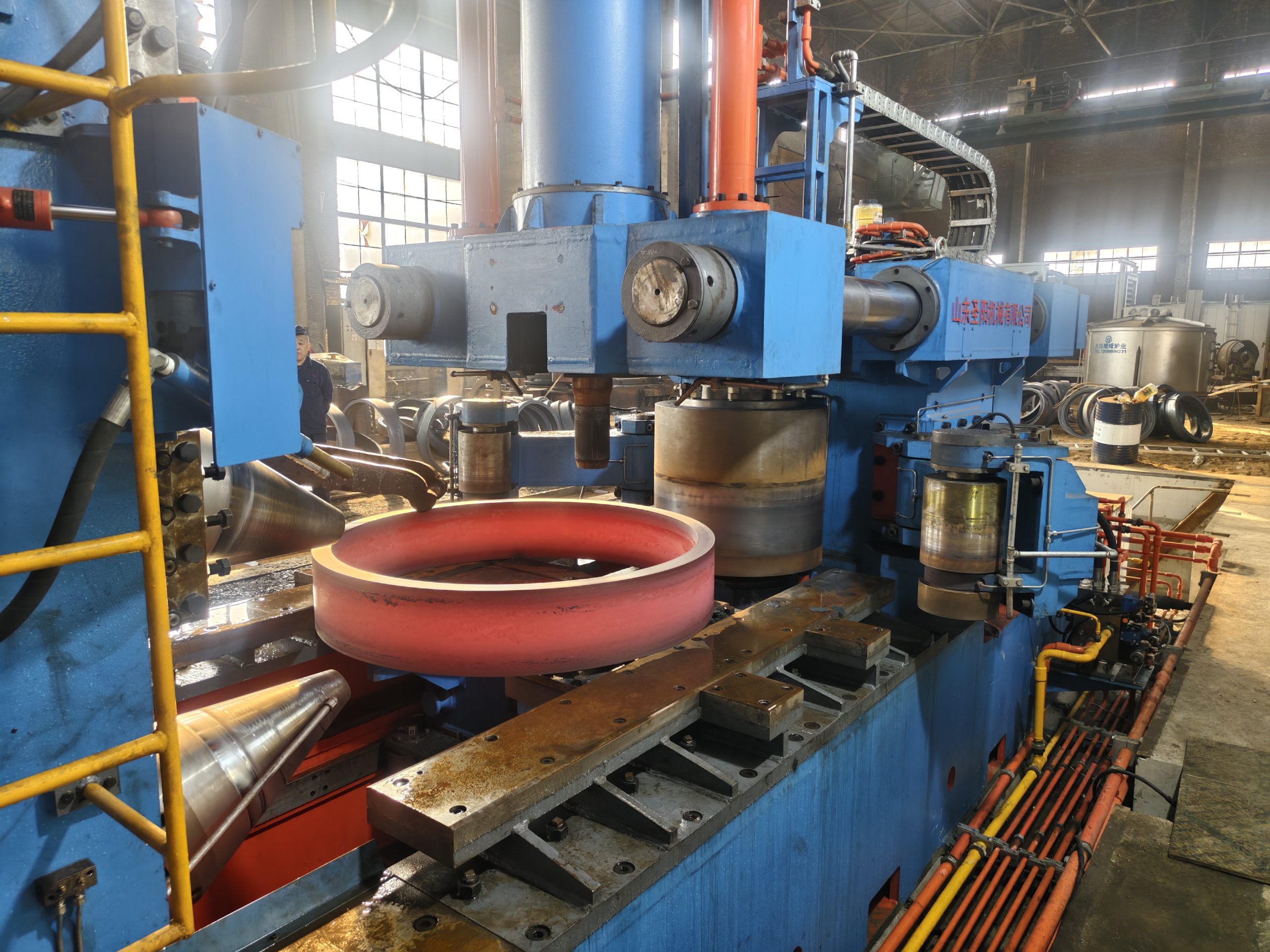
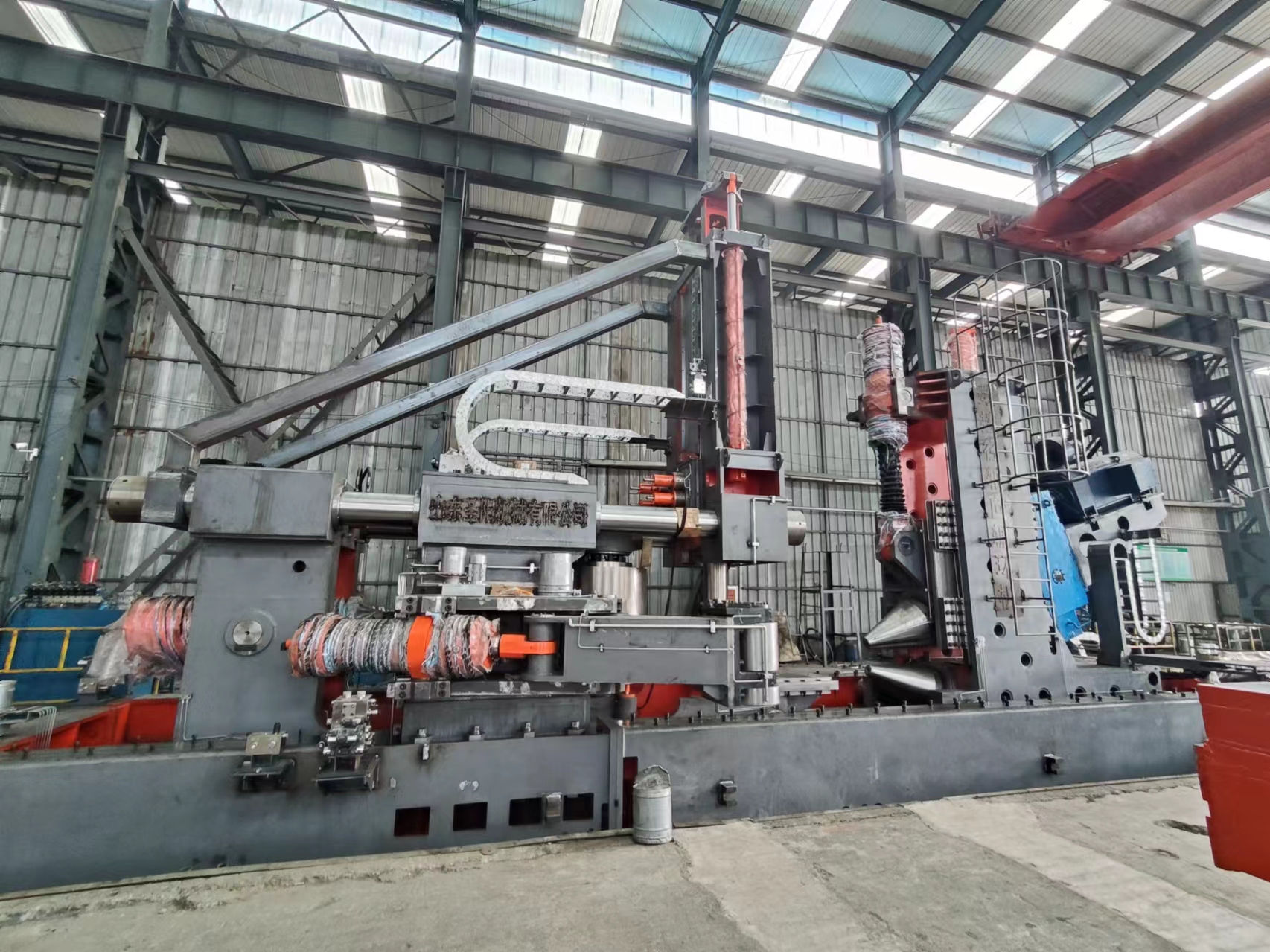
I myself have long been skeptical about the full line from China. It seemed that it would be safer to assemble a puzzle using a German press, an Italian manipulator and local equipment. Until I came across a project for one of the flange production plants. There's a Chinese supplier there,Shandong Shenyang Mechanical Equipment Co.,Ltd, proposed not just machines, but a well-developed technological map for a specific assortment, calculating material savings by optimizing the workpiece. This was a turning point in perception.
Their websitehttps://www.shengyangjxgroup.ru, is not just a directory. There are sections with cases, frequently updated technical bulletins on setting up equipment for different steels. One feels that these are not traders, but engineers. In the company description -high-tech enterprise- and these, oddly enough, are not empty words. They, for example, are actively promoting presses with an energy recovery system in the hydraulic circuit. For an average workshop operating in three shifts, such savings on electricity pay for the difference in price with some European analogues in 2-3 years.
When people say sustainable production, many people immediately think of filters and reducing emissions. This is important in forging, but the basis is the economic sustainability of the cycle. Chinese manufacturers have caught on to this. Their modern radial forging machines, for example, often come with built-in wear monitoring systems for key components - rods, guides.
This is not smart for show. The data is transferred not just to the operator, but to a platform that is also accessible to the supplier’s service department. We tested such a scheme. At one point, the system showed an abnormal increase in temperature in one of the bearing units. Local service partnerShandong Shenyangin Kazakhstan, received a notification, contacted the plant, and by the time of the planned shutdown this week, the part and specialist were already on site. Downtime was reduced from a potential two weeks to a day and a half. This is real sustainability.
There were failures too. About five years ago we tried to introduce a Chinese press for hot die forging of complex forgings. The machine was powerful, but the fine settings for the thermal compensation of the bed for a long heating cycle turned out to be closed. Chinese engineers sent parameters, but the logic behind their correction was not transparent. I had to attract third-party specialists to create my model, which negated all savings. Now, by the way, the sameShenyangin the documentation for similar models I see already open algorithms and APIs for integration with external control systems. They learn from mistakes, and quickly.
The biggest headache when importing any forging equipment is not the machine itself, but the equipment (dies, grips) and its durability. Previously, Chinese dies for hot forging could run 1.5-2 times less than European ones. Now the gap has narrowed, but has not disappeared.
This is where the supplier's approach is critical. A good supplier does not brush it off, but offers options. In one of our gear production projects, we encountered rapid wear of the copiers on a forging robot. Instead of standard H13 steel, engineers from China, after analyzing our cycle (workpiece temperature, cooling rate), proposed making tooling from their modified steel with the addition of vanadium. It cost 20% more, but the resource increased by almost 80%. They provided a full report on the testing of the material. This is the level.
Moreover, what is important, they did not insist on manufacturing them themselves. They gave us specifications and allowed us to order equipment locally if we found a manufacturer that met the parameters. Flexibility that shows confidence in your core equipment.
A great car on paper is nothing without well-functioning logistics of spare parts and service. This was the Achilles heel of Chinese engineering. Now the picture is changing, but unevenly.
Companies such asShandong Shenyang Mechanical Equipment Co.,Ltd, there is a clear strategy for the EAEU. They create not just distribution offices, but warehouses for critical spare parts in key regions - for example, in the Moscow region and near Almaty. This is not a guarantee, but it is a serious signal. For us, as integrators, the presence of such a warehouse means the ability to provide the client with a warranty period of service that will not depend on delivery times by sea from Qingdao.
But there is a nuance. The warehouse is often a standard set: seals, sensors, maybe some kind of hydraulic valves. But if we are talking about a large-sized casting, for example, a traverse or a frame (an extreme case, but it happens), the deadlines are still extended. Therefore, we now always specify in the contract not only the availability of a warehouse, but also the emergency response procedure and options for temporary restoration of geometry using local specialists according to methods agreed with the manufacturer. The Chinese began to agree to such conditions much more willingly.
The next frontier I see is not even the machines themselves, but the digital services around them. Chinese vendors are actively developing the direction of digital twins for their forging presses. We participated in a pilot project.
The bottom line: you don't have to buy a car to design a process for it. The supplier provides access to a cloud model of a specific press model. You can load the parameters of your workpiece, material properties, and simulate the forging process into it. This allows you to optimize force, stroke, temperature and, critically, identify potential defects before ordering equipment. For sustainable production, especially small-scale production or with frequent product changes, this is a breakthrough. Setup and scrap costs are reduced.
Here, however, the question of data arises. Where is the digital twin stored? On whose servers? Who has access to your technological parameters? This is a new area for negotiation. So far, Chinese companies are offering hybrid models - part of the calculations locally, part in their cloud. Confidence in this is growing, but slowly. Legal elaboration of contracts is required.
It is in this niche - flexible, quickly reconfigured production of complex forgings in small series - that Chinese suppliers, in my opinion, can make the greatest leap in the coming years. Their ability to quickly customize equipment for non-standard tasks without driving up the price sky high gives them a big advantage. Equipment fromhigh-tech enterprisefrom Shandong ceases to be just a machine tool. It becomes a node in the digital chain of sustainable production, where not only the reliability of the hardware is important, but also the depth of related engineering services. And it is this combination that today makes China a truly serious, and often optimal, supplier of solutions for the modern forging industry.