Email support
syjx@shengyangringrollingmachine.com

2026-02-28
When you hear about innovations in the Chinese machine tool industry, especially in niche areas like ring rolling, the first reaction is often skepticism. Many people still imagine simple copying or mass production without depth. But over the past 7-8 years, the picture has begun to change, and it is changing not through loud statements, but through specific projects and solutions to problems that we, engineers, face in practice. Let's understand it without gloss.
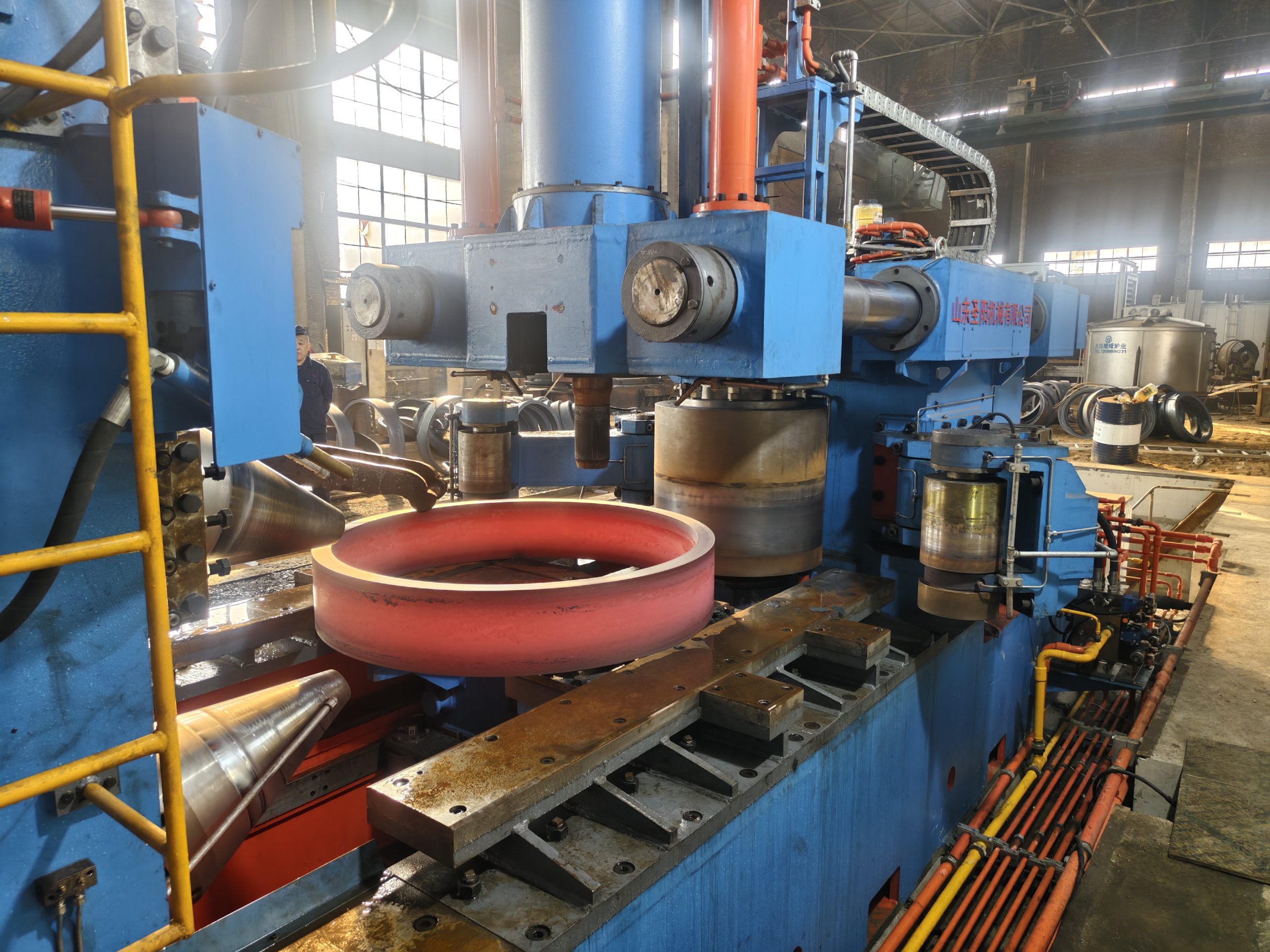
Historically, China has really entered this segment as a follower. The main technological solutions for cold and hot ring rolling mills, CNC systems, hydraulics - a lot came from Europe and Japan. But here lies the first nuance: it is impossible to simply copy a complex unit that operates in a workshop at a temperature of 1200°C and loads of hundreds of tons. The stage of adaptation begins, followed by optimization for local materials and market demands.
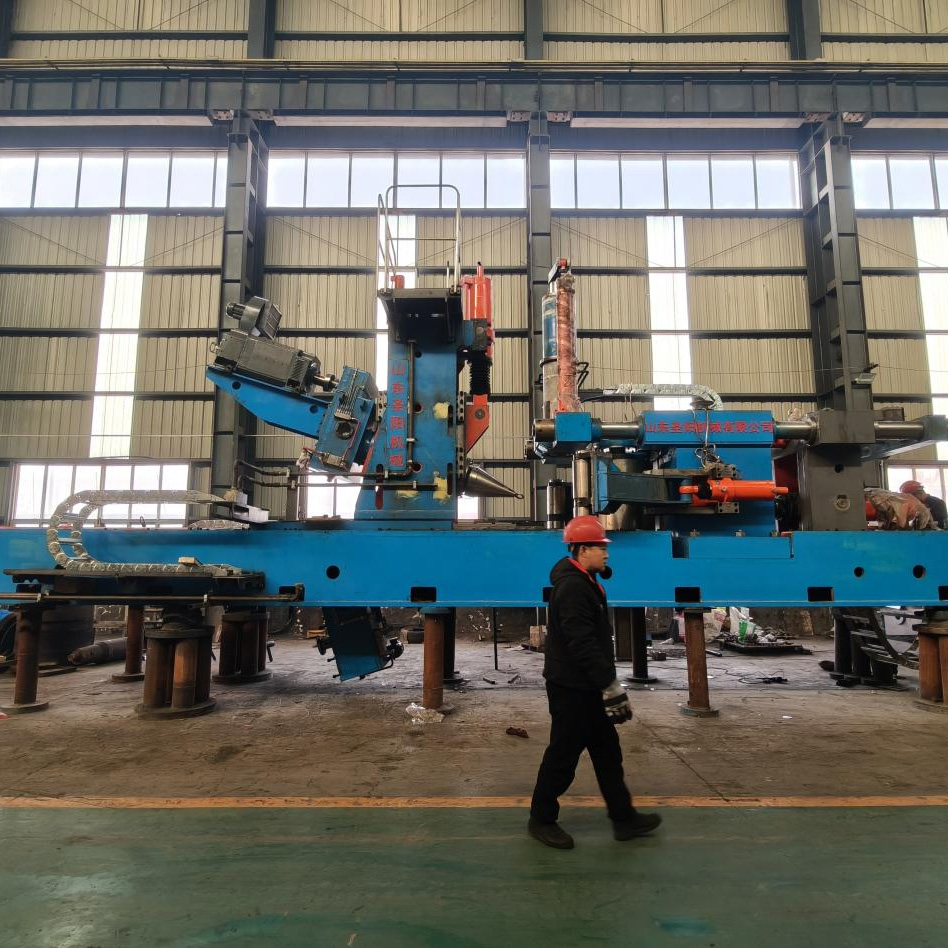
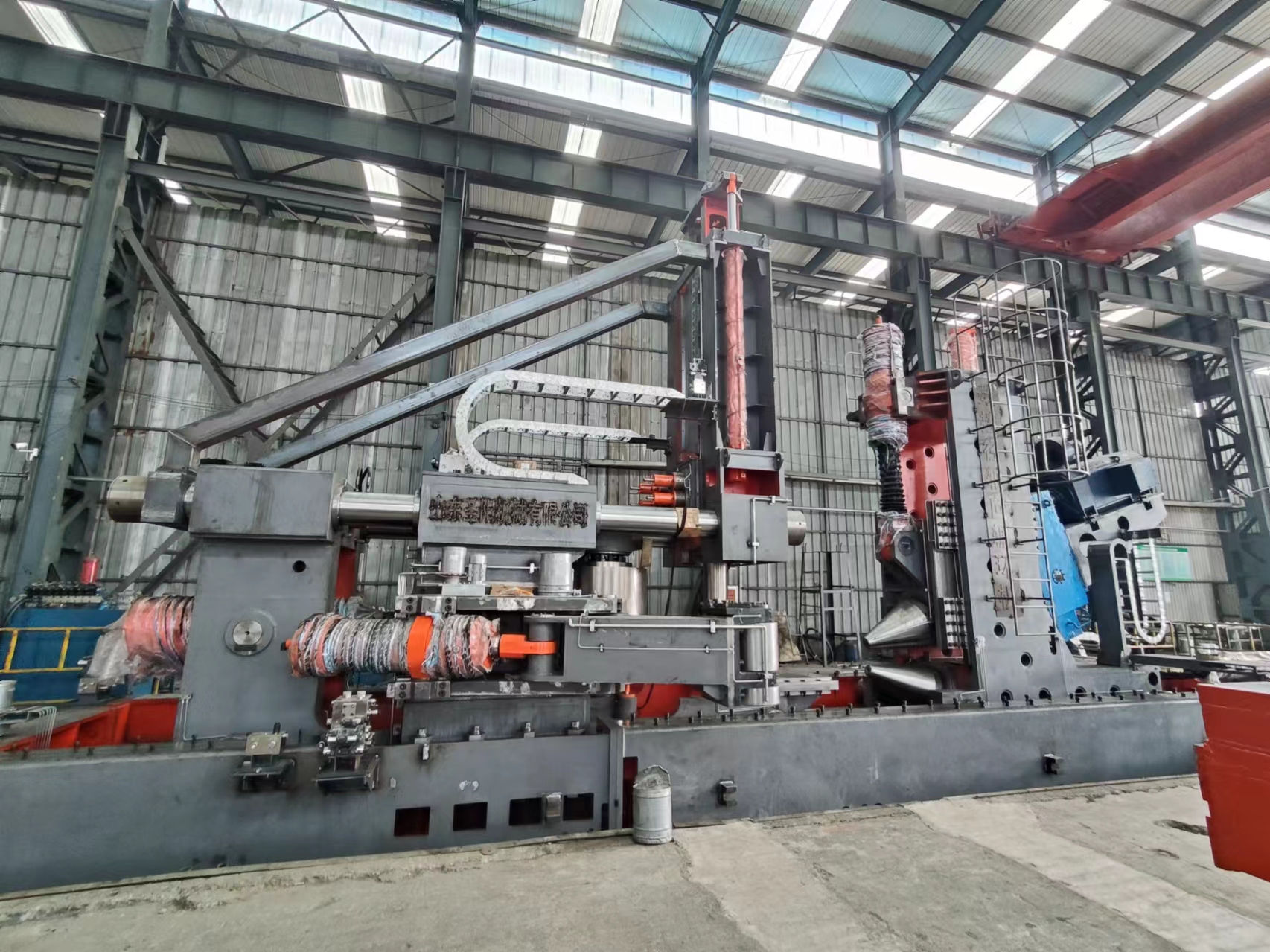
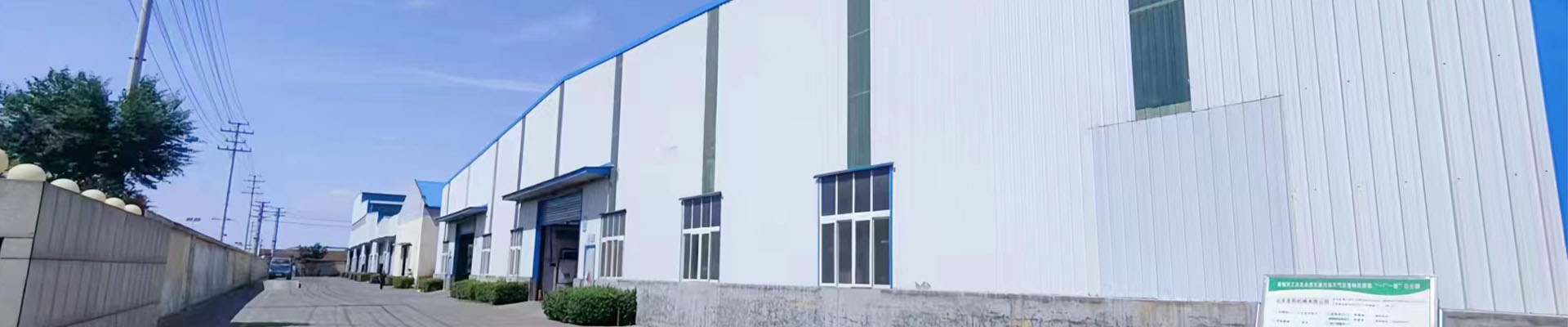
A striking example is working with precision. In Europe, ideal operating conditions are often laid down. In China, the manufacturing plant, for example,Shandong Shenyang Mechanical Equipment Co.,Ltd, is faced with the fact that the client may install the mill in a workshop without an ideal foundation or with voltage fluctuations. Therefore, their engineers began to delve deeper into compensation systems in drives and frame reinforcement. This is not innovation for the sake of a patent, but innovation for the sake of the product's survival in real conditions. Their websiteshengyangjxgroup.ru- this is not just a showcase, technical notes on calibration are often posted there, which already indicates a shift in focus.
Here's some specifics: at one of the projects for the rental of large-sized rings for wind energy, the task was to reduce the ovality of the finished product. The German analogue offered a solution using ultra-precise servos, which increased the cost significantly. The Chinese team took a different path - they improved the algorithm for controlling the deformation process in real time, using data not from two, but from an array of temperature sensors around the perimeter of the workpiece. The solution turned out to be less "elegant" from the point of view of classical mechanics, but it worked and gave acceptable accuracy with a significantly smaller budget. This is their handwriting.
If we talk about hardware, progress is noticeable in nodes that have traditionally been a weak point. For example, support rollers and main rolling roller. Previously, the resource was significantly lower. Now many manufacturers, including the one mentionedhigh-tech enterprisefrom Shandong, switched to forged blanks from their own special steels with multi-stage heat treatment. I won’t say that they invented something new in metallurgy, but they were able to establish stable production of such components, which in itself is a huge step.
Control systems are a separate topic. Chinese CNC platforms, like Sinter's, have become much more reliable. But the main thing is that there is flexibility. Previously, the software was “hardwired”. Now for the samering rolling milloften offer an open (relatively) API, which allows you to integrate it into a general shop management system or connect predictive analytics systems. This is already a level at which they think not about selling a machine, but about selling a technological process.
But with hydraulics everything is more complicated. High-precision servo-hydraulic systems are still often purchased from Rexroth or Parker. But Chinese assemblers have learned to integrate them in such a way that they have reduced the traditional problems with leaks and overheating. I saw their wiring diagrams - there were a lot of additional cooling circuits and pressure control points that were not in the basic European diagrams. This is “assembly innovation”, if you will.
I’ll tell you about one case that well illustrates the approach. We looked at a mill for rolling titanium alloy rings. The technical characteristics from the Chinese supplier, the same Shenyang, were impeccable on paper: speed, accuracy, and power. But the key issue was the thermal deformation of the frame during long-term operation.
Their technical documentation included a standard compensation curve. To the question “how was it obtained?” What came was not a template answer, but an invitation to a test run at their factory. There we saw how they “drive?” mill in different modes for 24-48 hours, taking data with thermal imagers and constantly adjusting the CNC algorithm. This was not a power demonstration, but rather a debugging workflow. They admitted that for each new customer alloy they have to carry out similar calibration runs, and their final passport data is an average result. It's honest and businesslike.
As a result, the mill was purchased. The first year of operation revealed a problem with the roller position sensors - their ceramic elements could not withstand constant micro-shocks from scale. It was a jamb. But the reaction was not at the level of “warranty has expired?”, but a group of engineers flew in, and within a week they replaced the sensors with modified ones, with a reinforced casing, and updated the software for more aggressive filtering of false signals. This experience is worth a lot.
Of course, not everything is perfect. The main weak point, in my opinion, is turnkey integrated engineering solutions. Chinese manufacturers do a great job themselvescamp, but when it comes to a complete line with a furnace, manipulators, and a quality control system, difficulties with integration begin. Often the components are from different subsuppliers, and they are joined “on site”. falls on the shoulders of the customer.
Another point is the footage. They have brilliant application engineers who can ?make? machine to work. But the lack of deep theorists in the field of metal physics of rolling processes is sometimes felt. This limits the ability to make fundamental breakthroughs rather than incremental optimization of existing solutions. Their innovations are often iterative rather than revolutionary.
And, oddly enough, sometimes speed gets in the way. The desire to quickly come up with a solution and launch it into series can lead to the fact that “childhood diseases?” are already being finalized at the sites of the first clients. For the buyer, this is both a risk and an opportunity to receive equipment modified for real-life tasks, often without additional payments. It's a double-edged sword.
So is there innovation? Yes, but they are different. This is not about creating new physics for the rolling process, but about a smart, pragmatic and often more flexible engineering solution. Chinese manufacturers such asShandong Shenyang Mechanical Equipment Co.,Ltd, are no longer just collectors. They have become solvers of specific, sometimes unobvious problems that arise on the shop floor.
Their strength lies in their speed of response, willingness to customize and, importantly, the accumulation of a huge amount of empirical data from hundreds of installed mills around the world. They begin to systematize this experience and invest in the next generations of equipment.
Is it worth looking in their direction? If you need a reliable, technologically advancedring rolling millwith a good price-to-result ratio, and you are ready for closer interaction at the commissioning stage - of course. They are no longer catching up, they are going their own way, and on some sections of this road they no longer have equals in practical efficiency. But expect shining, ideal “German” from them. a product with impeccable predictability - it’s too early. Their product is a living, evolving instrument, not a statue frozen in perfection.