Email support
syjx@shengyangringrollingmachine.com

2026-03-03
Do you see a Chinese baler in the feed? on Avito and you think - well, another “noname”? for half price. Many people shrug it off, and I understand them. Five years ago I was skeptical about these proposals. But the market is changing, and if previously Chinese technology was associated with something disposable, now the picture is not so clear-cut. I’ll try to sort it out based on what I saw with my own eyes and what I had to tinker with in the field.
The main misconception is that all Chinese balers are the same. This is fundamentally wrong. On Avito you can now find everything: from outright consumer goods assembled in some garage to cars that are made in factories with serious equipment. The difference is in the details. For example, hydraulics. Cheap models are often equipped with pumps and hoses that cannot withstand our load cycles - they work for a season and then they start leaking. And on more advanced ones you can already find components from well-known brands, say, Bosch Rexroth hydraulic cylinders or gear pumps. This changes things immediately.
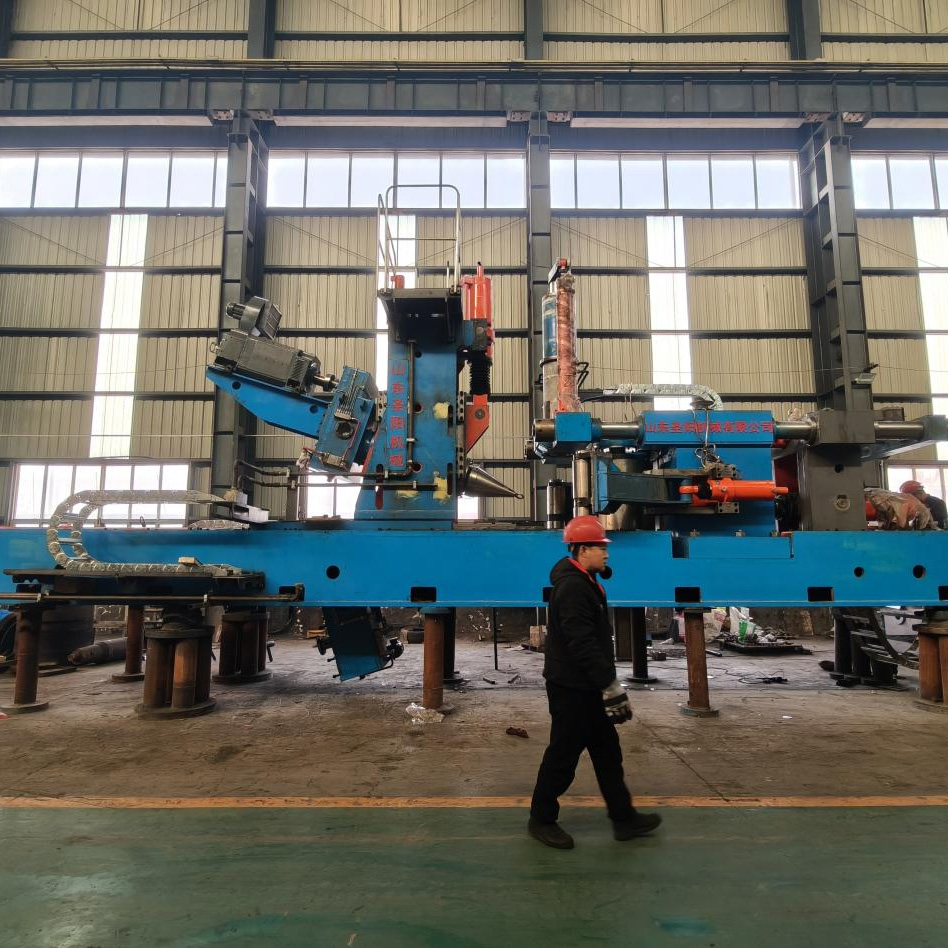
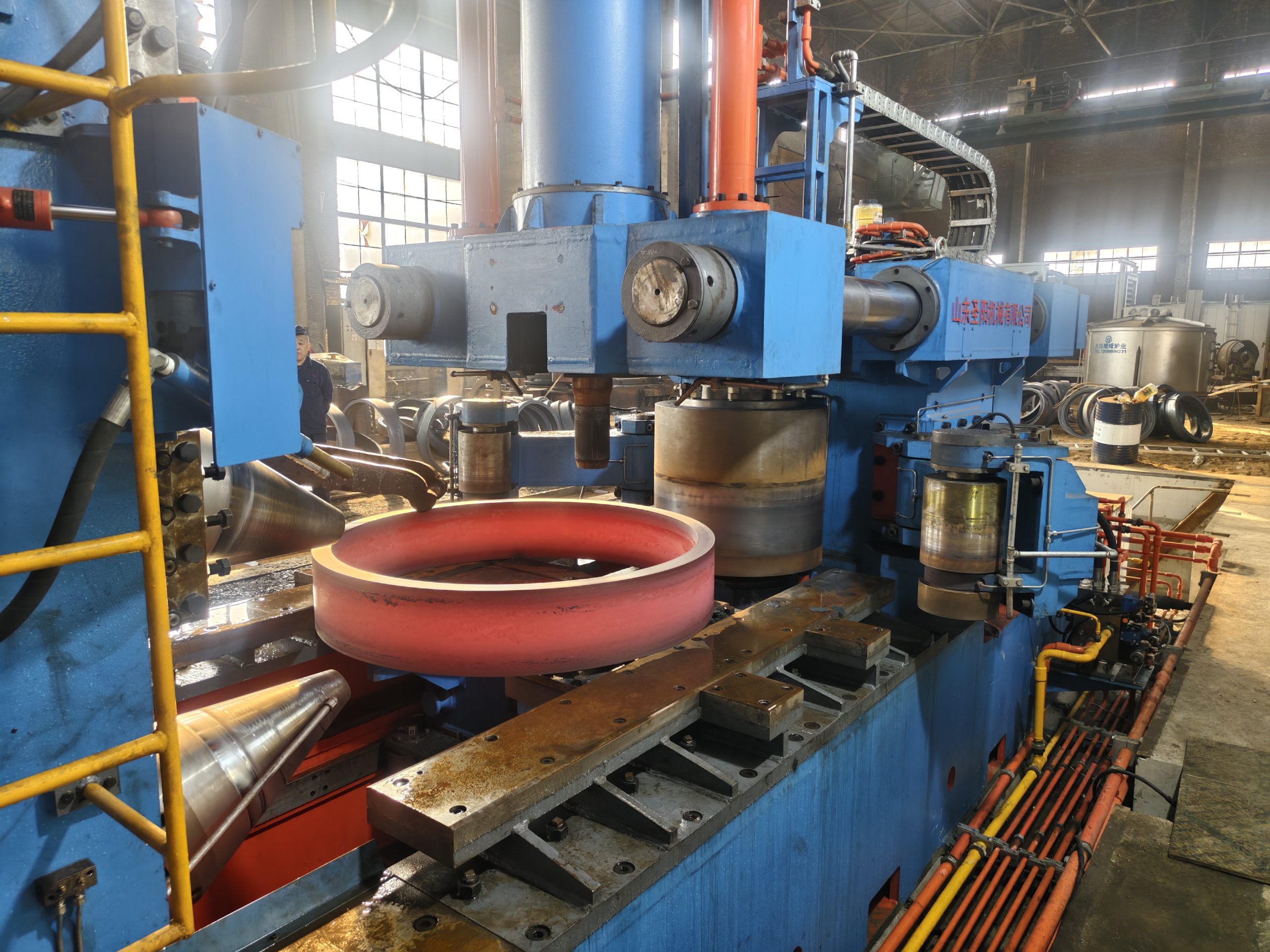
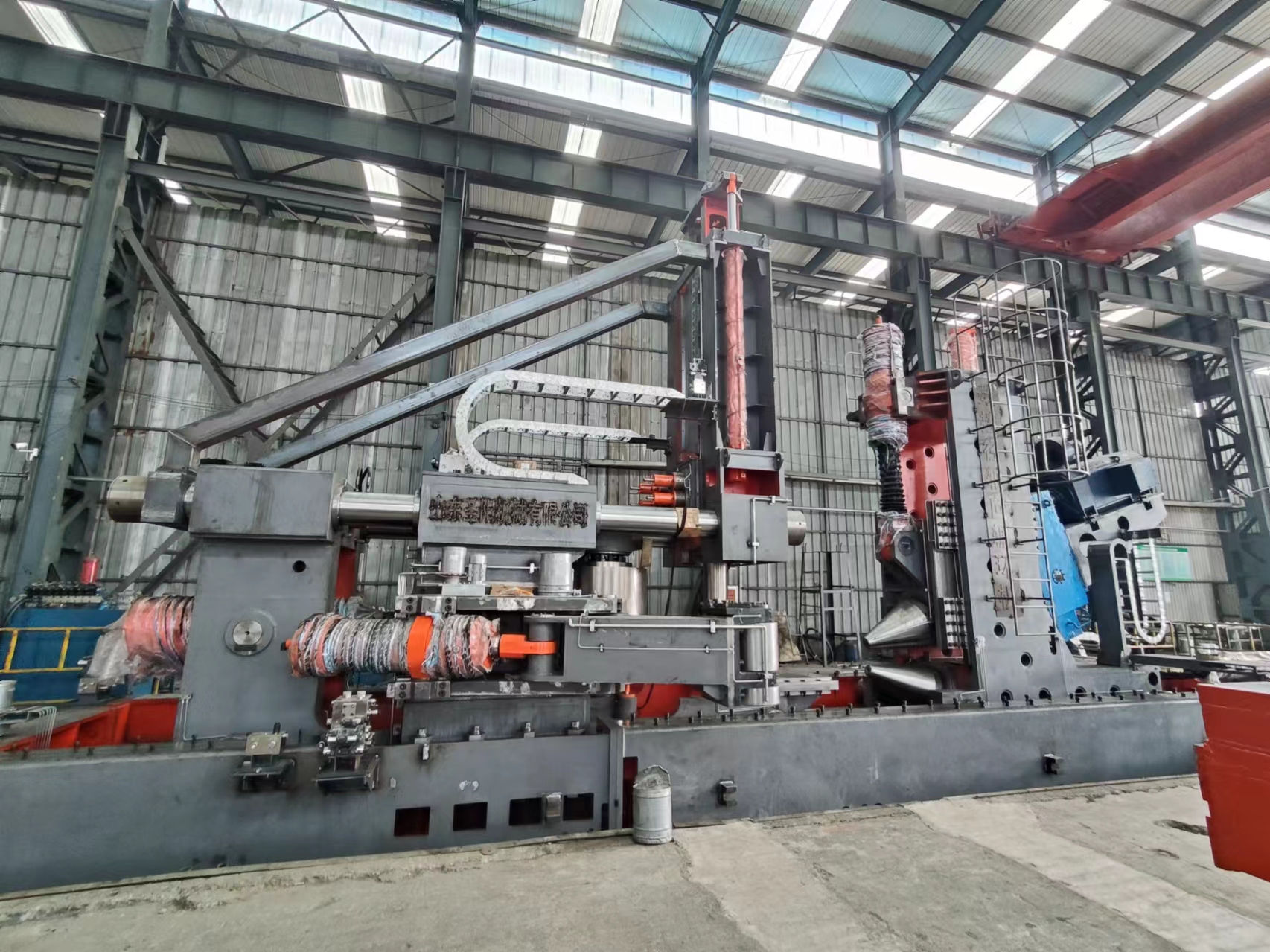
Another point is the frame and auger. Thin metal, bad welds - and the press begins to “walk?” after the first hundred bales. I saw the car fromShandong Shenyang Mechanical Equipment Co.,Ltd— by the way, you can look at the specifications on their website (https://www.shengyangjxgroup.ru) - so, their model SY-0850 has a frame made of box profile, reinforced in key components. This is not a guarantee of eternal life, but the margin of safety is different. The company positions itself as a high-tech enterprise, and to some extent this is true - they are clearly investing in design solutions, and not just copying old models.
But there is a catch here too. Often sellers on Avito, even representing a specific plant, do not understand technology. If you ask them about the pressure in the hydraulic system or the type of bale binding, the answer will be silence or a reply. This is a red flag. Reliability begins not only with the hardware, but also with who sells it and how the service is organized.
The word ?innovation? everyone loves it, but in agricultural machinery it often means “extra electronics that will break first?”. It's the same story with Chinese balers. I've seen models with touch screens and a bunch of pressing modes. It looks solid, but in conditions of dust, vibration and temperature changes, this control panel often fails. The good old toggle switches and analog pressure gauges turn out to be simpler and more reliable.
However, there are also real useful innovations. For example, systems for automatically adjusting bale density depending on the moisture content of the mass. This is not just a “trick”, but a practical help, especially when harvesting different types of grass. At the sameShandong ShenyangSome models have this option. In practice, it works with varying success - sometimes the sensors become clogged and the logic “goes astray”. But when it works, it saves time and gives a more stable result.
Another point is the bale chamber loading system. Classic rotary balers often have problems with filling uniformity, especially on uneven terrain. Some Chinese manufacturers have begun experimenting with pre-compaction screws, which feed the mass more evenly. The solution is controversial - it adds complexity and weight, but for example, it worked well when felling alfalfa. This is an example where innovation comes from trying to solve a specific problem, rather than just making a “cool interface”.
Reliability is not about the car never breaking down. This is about ensuring that it can be repaired quickly and predictably at the height of the season. And this is where Chinese technology in our market still has an Achilles heel. Even if the baler itself is well assembled, the supply chain for spare parts often breaks down. You wait a month for a bearing to drive the auger, and the season is lost.
Therefore, the key factor is the availability of service support and a spare parts warehouse in the region. Some suppliers, like the same company from the website shengyangjxgroup.ru, declare the presence of warehouses in Russia. This is an important signal. But declarations are one thing, and reality is another. You need to call, clarify which units are available, and ask for contacts of local mechanics who have worked with this equipment.
The weak points that I most often noted: the straps of the binding device (often chafing against the guides if they are poorly adjusted), the fingers of the feed mechanism (they break when hit by a stone), and, oddly enough, the paint. The quality of the primer can be poor, and after a season, pockets of corrosion appear, especially in the fastening areas. This is a small thing, but it speaks volumes about the overall level of control in production.
A couple of years ago, my neighbor and I decided to buy a used Chinese baler from Avito, the model seemed to be quite good. The seller described it as “an analogue of Claas”. The very first day of work, the control cable for the pressing chamber broke. It turned out that the roller was installed skewed, and the cable quickly wore out. Trifle? Yes. But it was not noticed during assembly. Then problems began with the valves in the hydraulic system - they were non-standard, and it was not possible to find analogues. As a result, the car sat for half the season.
This experience taught me the main thing: buy “blindly”. it is forbidden. You should definitely watch the machine in operation, and even better, find reviews from real farms in your region, with similar soils and crops. There is no perfect technique, but it is important to understand what typical problems you will encounter.
On the other hand, I have seen successful examples. One farm near Voronezh has been working for the third seasonsquare balerfrom the mentioned Shenyang. The owner praises the cost-effectiveness and ease of setup. But immediately after the purchase, he replaced all the standard belts with better ones and installed additional filters in the hydraulics. That is, he approached the matter not as buying a finished product, but as a “semi-finished product” that needs to be brought to mind to suit his own conditions. This is perhaps the correct approach to Chinese technology in general.
So, is it worth considering a Chinese baler from Avito? There is no clear answer. If you need a car for one season and have a limited budget, perhaps yes. But be prepared for constant fuss. If you expect to work for a long time, then you need to look not at the advertisement, but at the specific supplier, its history, availability of service and reviews.Shandong Shenyang Mechanical Equipment Co.,Ltdis an example of a company that is trying to build systematic work, and not just sell hardware. Their website is already a plus, there is documentation and contacts there.
The price, of course, is attractive. But consider not only the purchase price, but the cost of ownership: downtime due to breakdown, searching for spare parts, upgrading components. Sometimes this amount makes the choice in favor of a supported but famous brand more reasonable.
Ultimately,innovation and reliabilityin the segment of Chinese technology, this is not a given, but a variable. They depend on a specific plant, a specific model and, very importantly, on a specific seller on the same Avito. The technology has become more complex, and the approach to its selection should be just as thoughtful. Look deep, ask awkward questions about hydraulics and bearings, look for those who have already purchased. This is the only way to find a working option, and not a headache on wheels.