Email support
syjx@shengyangringrollingmachine.com

2026-02-02
When you hear this combination, many immediately remember the old stereotypes: cheap, cheerful, and after a season - for repairs. But is this true now? It's time to figure it out, throwing away prejudices and relying on what you see in the fields and workshops.
I remember ten years ago the first Chinesebaler, which fell into my hands was, to put it mildly, simple. The welding was rough, the hydraulics acted up in the cold, and the piercing needles broke with annoying regularity. Then the main argument was the price, and for many it was a consumable item. But it was from then that the most interesting changes began.
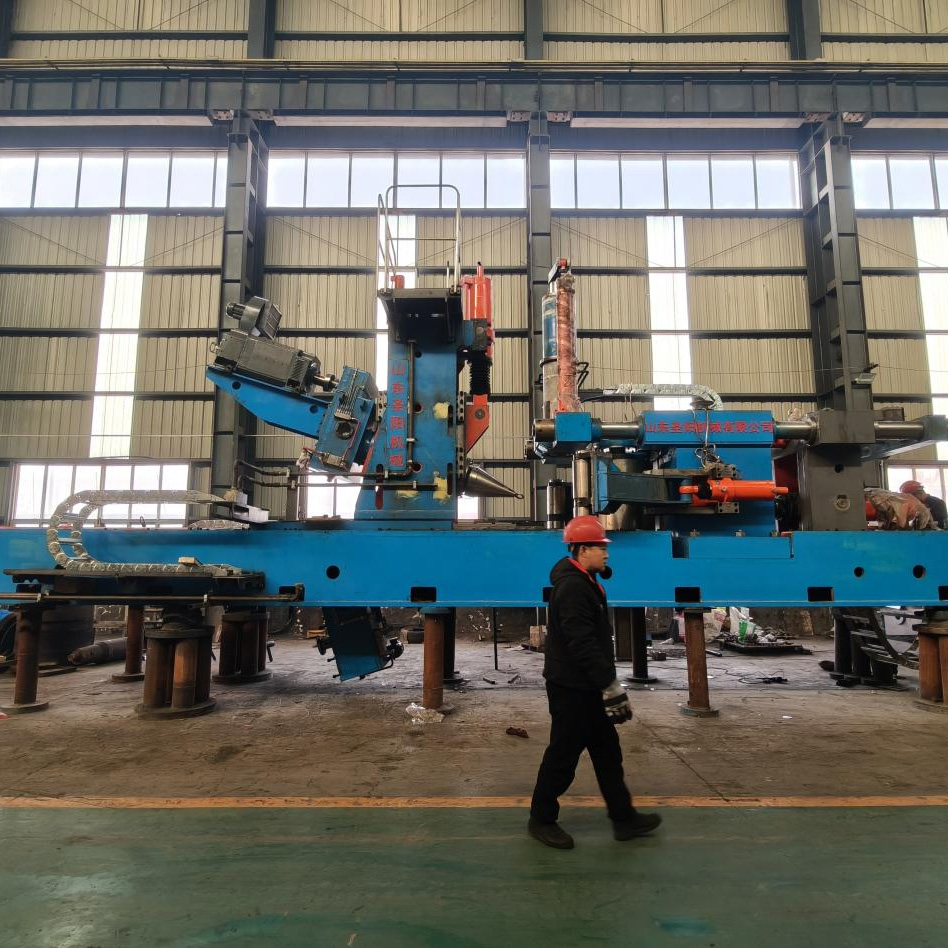
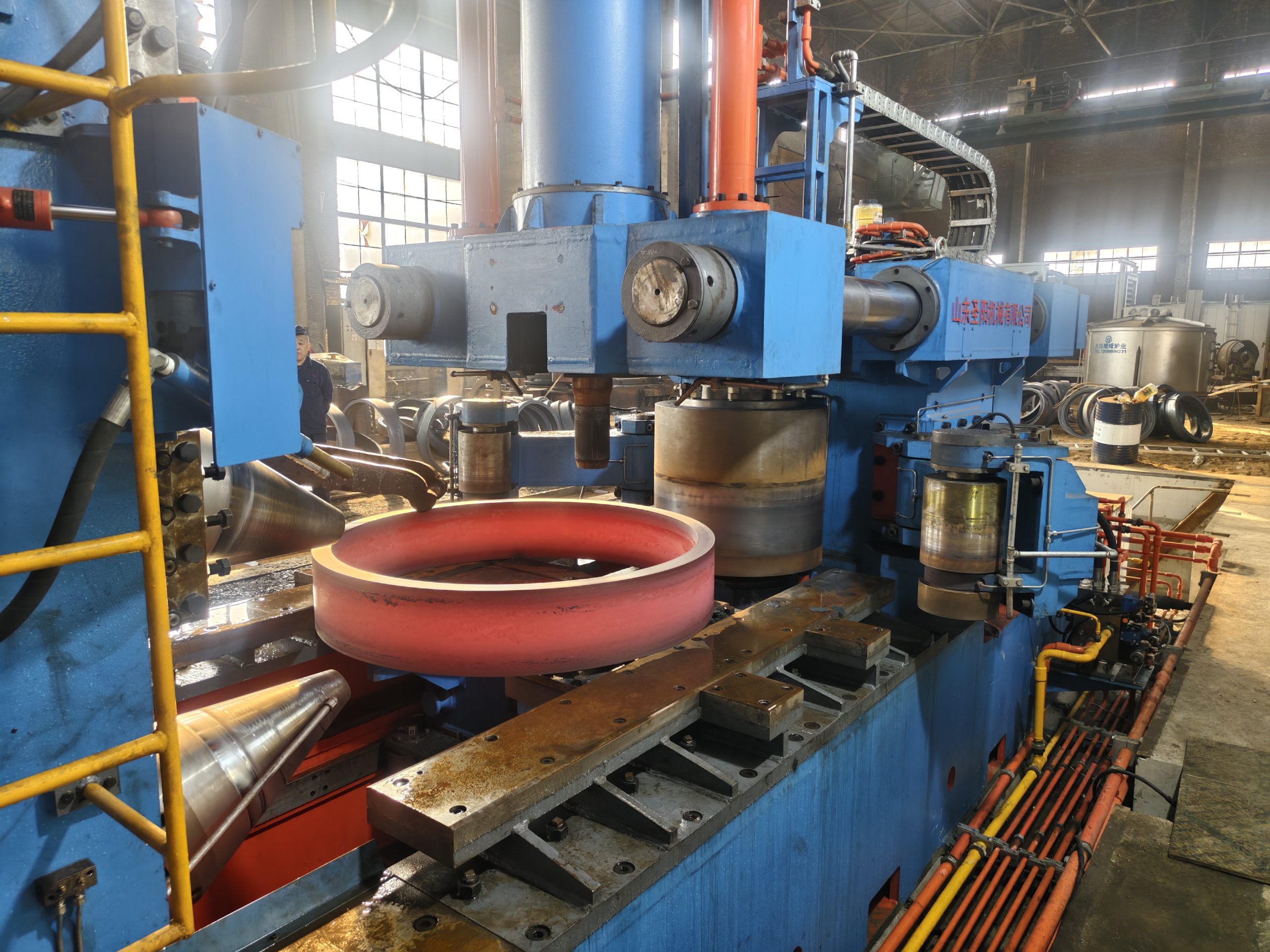
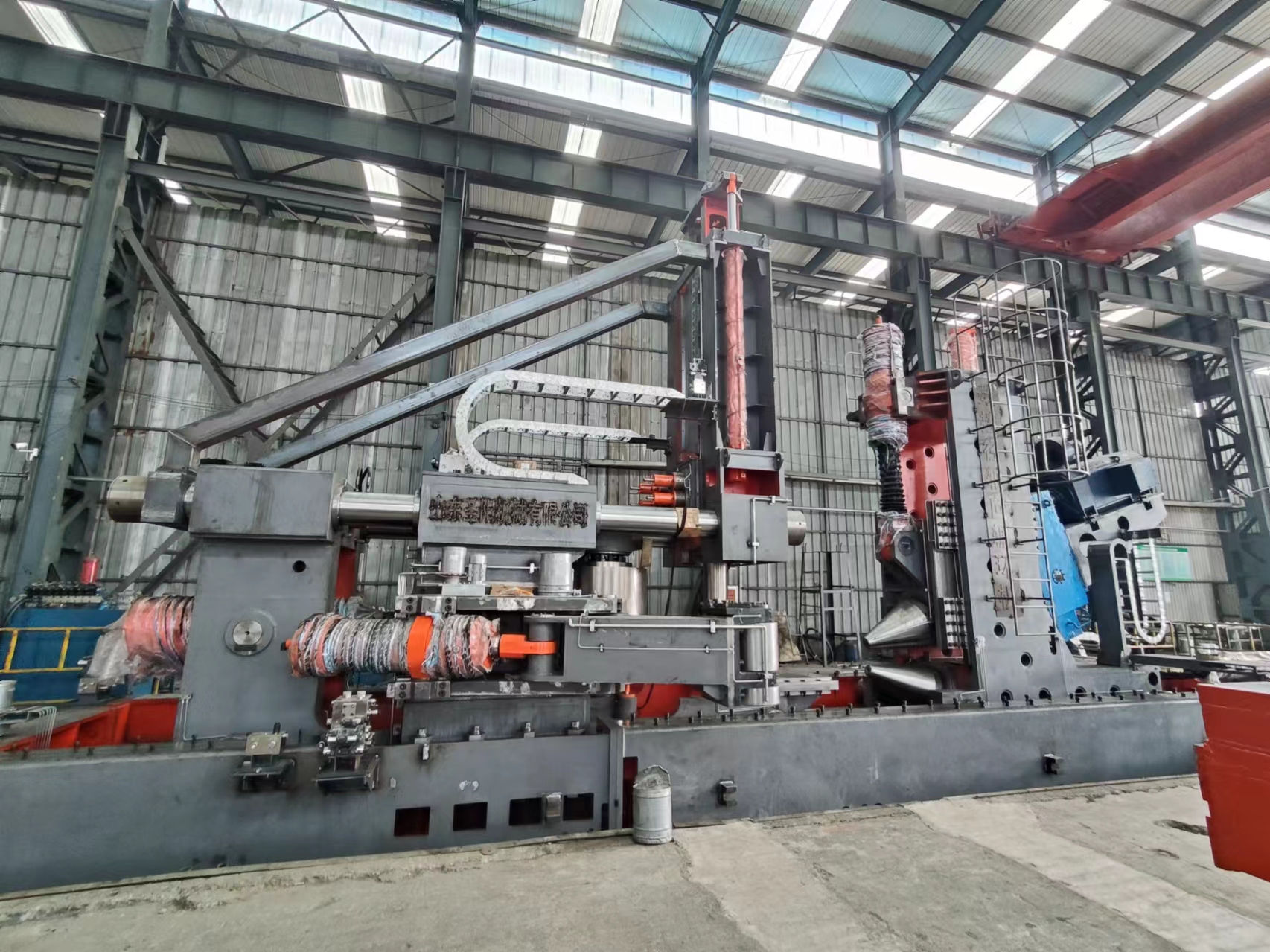
Now, when you open the cabin of a new device, say, from Shandong Shenyang Mechanical Equipment LLC, you see a different story. I won’t say that everything is perfect, but the approach has changed dramatically. The designers clearly began to work with feedback, including from our latitudes. They began to install different seals on hydraulic cylinders, more frost-resistant. The frame has become not only thicker, but also designed differently - with reinforcement at key bending points. This is not copying, this is already adaptation.
The key point that many people miss when looking only at the price tag isinnovationin the field of knots, not just in design. For example, a bale density adjustment system. Previously it was a simple mechanical screw. Now many models have an electronic system with a pressure sensor, which not only sets a preset, but dynamically adjusts to the moisture content of the mass. This is not space technology, but it is the kind of practical innovation that saves time and fuel. On the websiteshengyangjxgroup.ruThey just focus on such smart options, positioning themselves as a high-tech enterprise. And, importantly, these systems have become noticeably more reliable than the first samples five years ago.
It is impossible to give a definite answer here. Reliability is no longer a lottery; lucky or unlucky. It has become modular. What do I mean? The power unit - motor, gearbox, main shaft - is now really made conscientiously at many trusted factories. Use good bearings, Japanese or German seals. Problems often start at the periphery.
For example, strapping. It would seem like a small thing. But there were so many problems with low quality twine spools that tore or unevenly unwound! Now many suppliers, including the mentioned Shandong Shenyang, offer devices adapted for specific brands of strapping material that are common in our country. This is a small but critical step towards the overall reliability of the unit.
Another aspect is metal. Previously, the main problem was brittleness at low temperatures. Now, judging by the specifications and how the parts behave when impacted (this has happened), more alloyed steels have begun to be used for critical components such as feed drum teeth or knives. This is not an advertising gimmick, but a necessity dictated by fierce competition. Now they simply won’t buy an unreliable device a second time.
I had a case with a baler from another Chinese brand, not Shenyang. The customer complained about vibration and frequent breakage of the bale chamber drive chain. Dismantled. It turned out that the reason was not in the chain itself, but in the misalignment of the shafts - their alignment was broken at the factory. Previously, I would have said: Well, what to take from them, assembly. But something else is interesting: when we contacted the dealer, and not directly with the factory, the problem was solved not simply by supplying a new chain, but by sending the entire assembly with the shafts already installed. The plant recognized a systemic defect in the batch. This is an indicator of maturity. Previously, the distributor would have simply shrugged it off, blaming it on improper operation.
Chinese manufacturers have stopped simply copying. They began to solve specific problems faced by farmers in different regions. Take, for example, a real-time monitoring system. At first these were just sensors that displayed data on a display in the cockpit. Now these are full-fledged telematics systems that, through a mobile application, can show the location of the unit, fuel consumption, the number of bales made, and even signal errors.
For a large farm, this is not a toy, but a logistics and planning tool. Of course, the software is sometimes glitchy and the interface can be inconvenient, but the very fact that such a system is offered as a standard feature in many middle-class models indicates a shift in focus.Innovationhere they are aimed at increasing the efficiency of the entire process, and not just the packaging of hay.
Another point is versatility. Many models have appeared that can work on straw, hay, and even silage, adjusting the degree of compaction and the shape of the bale (rectangular/round). This requires a major redesign of the bale chamber and feed system. And they do. Not always flawless, but the vector of development is obvious: creating a flexible, multifunctional tool.
Despite all the progress, weaknesses remain. And you need to know them. The first is electronics in cheap models. Control units may be sensitive to humidity and temperature changes. Condensation inside is a common cause of failures. The second is the quality of painting and anti-corrosion treatment. Savings often occur here. The metal is well prepared, but the paint is thin, and after a couple of seasons rust quickly appears in the chipped areas. This is not critical for work, but it speaks about the attitude to detail.
The second important point is the availability of service and spare parts. This is where the choice of manufacturer and dealer is key. You can buy a device with excellent characteristics, but if you have to wait three months for spare parts from China, all its reliability is depreciated. Therefore, the presence of a spare parts warehouse in the region is as important a criterion as technical parameters. Companies that seriously work in the market, like Shandong Shenyang Mechanical Equipment LLC, have long understood this and are developing dealer networks with repair centers.
And the third catch is documentation. The translation of operating instructions and, more importantly, hydraulic and electrical diagrams often leaves much to be desired. Mechanics have to figure it out at random. This is a big problem that slows down quick repairs. Self-respecting suppliers are already correcting this deficiency by hiring local technical translators.
So what's the bottom line? The Chinese thesis means unreliable is outdated today. This is no longer a general rule, but a question of a specific brand, a specific model and, most importantly, a specific dealer. Modern Chinesebaleris often a good balance between price, innovative solutions (that actually work in the field) and reliability sufficient for intensive use.
He's not perfect. It may still have minor flaws, and it requires a special approach to maintenance - more attentive, perhaps more preventive. But he stopped being a consumable. This is already a full-fledged, competitive working tool, which makes traditional European manufacturers nervous and reduce prices. And this is, perhaps, the main indicator that innovation and reliability are no longer mutually exclusive concepts for this segment. They slowly but surely go hand in hand.
You need to choose not by the country of origin, but by the details: by the design of the components, by the availability of service around the corner, by the reviews of the same machine operators who have already skated on it for more than one season. And then, quite possibly, you will get exactly what you need - a workhorse, and not a headache.