Email support
syjx@shengyangringrollingmachine.com

2026-02-22
This is a question that comes up more and more often in workshops and when choosing equipment. Many people immediately think about price, but if you dig deeper, it’s about something else: can you trust the technologies and the people who supply them? I will share my observations.
I remember about ten years ago, when Chineseforging manipulatorsin our market, the attitude was... let's say, wary. Everyone is accustomed to European schemes, to a certain logic of service. The main fear was not that the equipment would fall apart - no, more often the fears related to “unpredictability”: what if the part is not found, what if the firmware cannot be updated, what if after three months of work glitches begin that local engineers will not understand. And there were reasons: I came across specimens that, as it seemed to me then, had been assembled in a hurry - the hydraulics did not make the same noise, the control panel had a translation that only the Chinese could understand.
But here is an important point: this was the general impression from early deliveries. Now the situation is different, and those who continue to judge by those cases are simply out of touch. The progress over the years has been colossal, and it concerns not only hardware, but also the approach to business.
I went through this myself - I ordered a manipulator for forging middle shafts. The first experience was not exactly a failure, but nervous. The car arrived, everything seemed to be working, but the force sensor on the manipulator periodically reset the calibration. The local guys threw up their hands, and communication with the supplier was like playing with a broken phone. In the end we figured it out, it turned out that the problem was due to vibration from a nearby hammer - the manufacturer simply did not provide such a margin to protect the sensor. Trifle? The process is a huge headache.
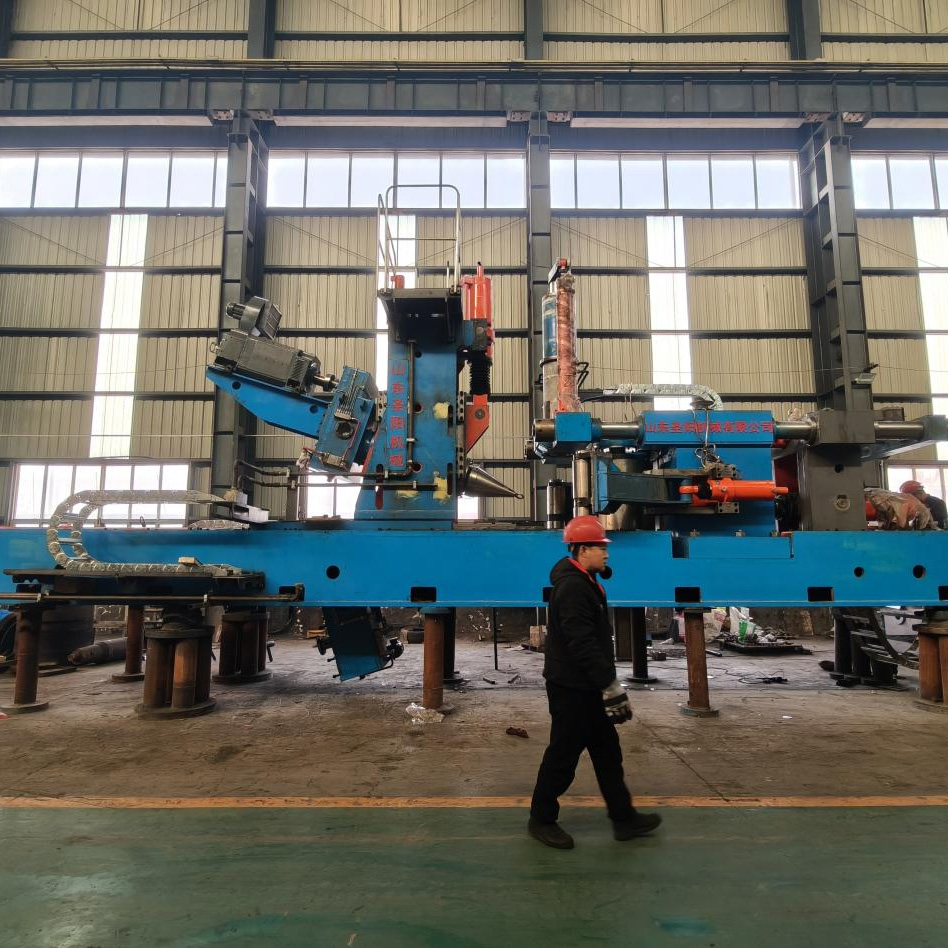
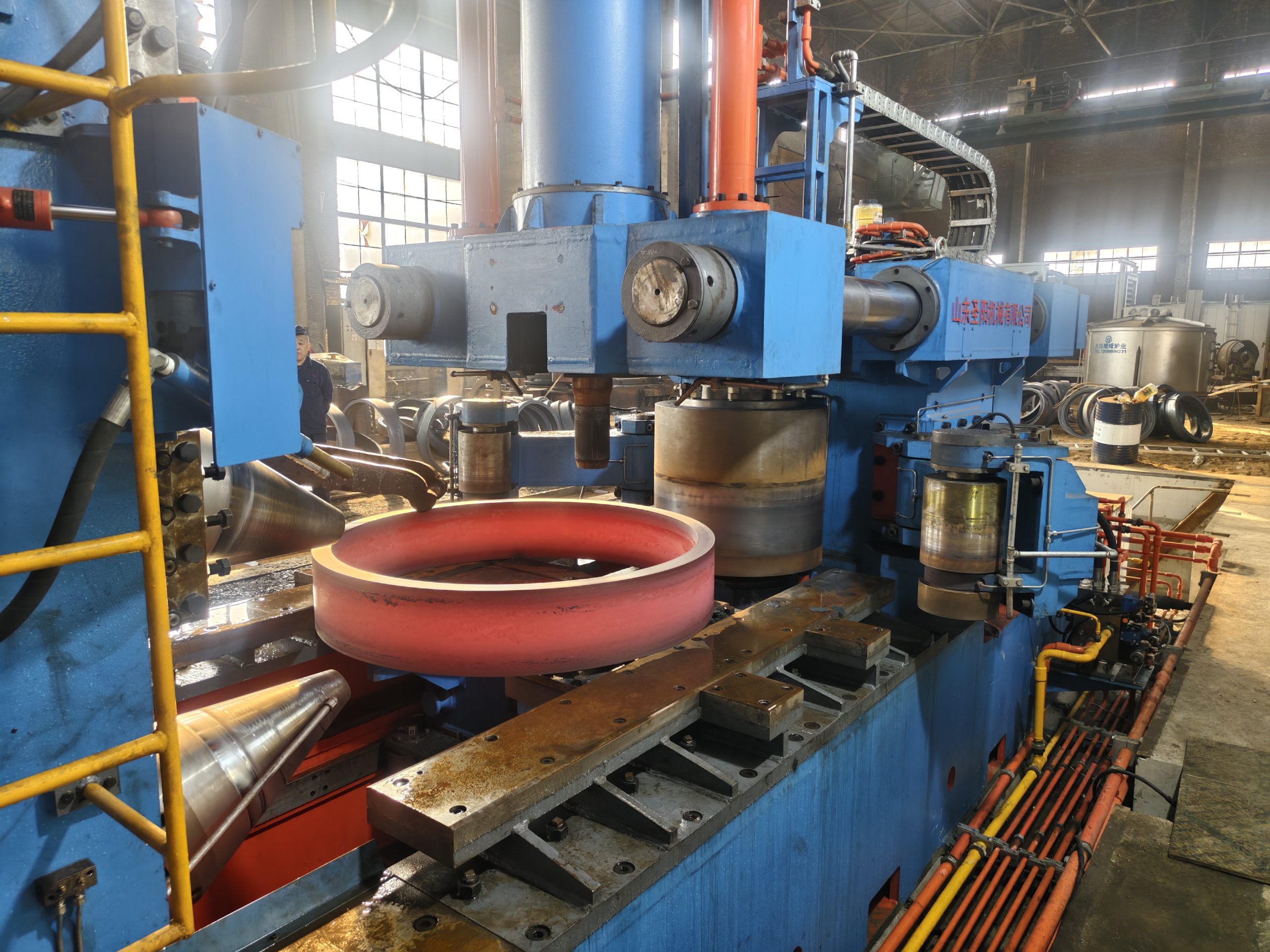
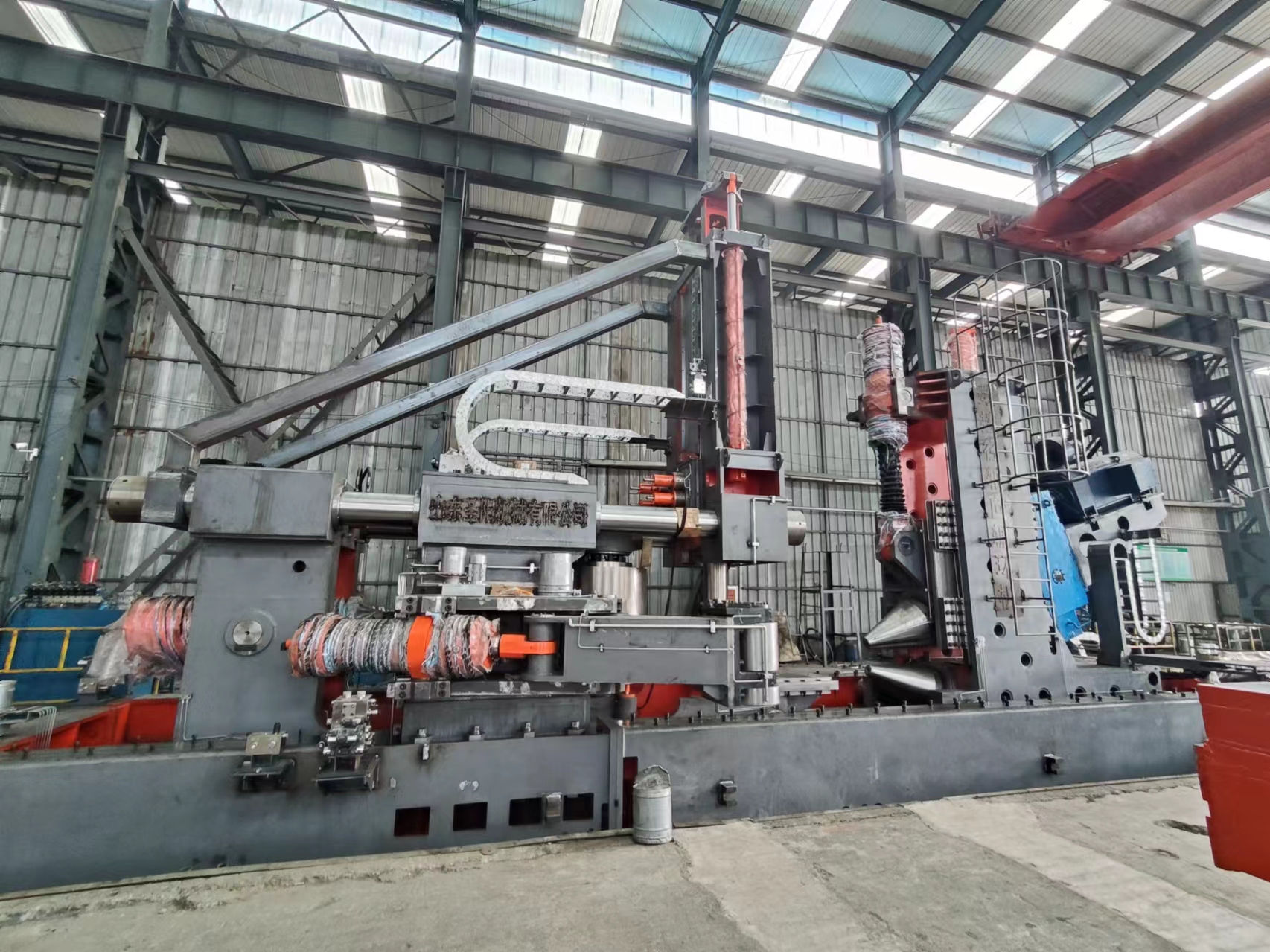
Actually, after that incident, I began to look not just at the specifications, but at who is behind the equipment. For example, let's takeShandong Shenyang Mechanical Equipment Co.,Ltd. On their websiteshengyangjxgroup.ruit is clear that this is not just a trading house, but an enterprise that positions itself as high-tech. This is important. Previously, I often came across business card sites, where apart from the price list and a couple of photos there was nothing. And here there is already an attempt to structure information by industry, there is a section with technical documentation - even if not everything is translated perfectly, but this is already a step towards dialogue.
What has changed in principle? The key thing is that companies have appeared that are ready not just to sell, but to lead the project. Recently I spoke with a technologist from one plant; they were just taking a complex for hot stamping from the Chinese. So, engineers came to them not only for installation, but also at the stage of discussing the technical specifications. They sat, drew, and argued about the location of hydraulic cylinders and access points for maintenance. This is a different level of trust. A supplier who understands the process is no longer just a seller, but, conditionally, a partner for the duration of the equipment life cycle.
It is precisely this approach that gives birth to the veryreliability. Reliability is not when nothing breaks (this never happens), but when, when an issue arises, there is a clear and quick channel for solving it: engineering support, availability of diagrams, availability of spare parts. Some Chinese manufacturers now have this structured better than other European brands that work through distributors.
Often, when people talk about innovation in the context of Chinese mechanical engineering, they mean copying or reducing the cost. It's superficial. If we take exactlyforging manipulators, then I see several interesting trends that come specifically from Chinese engineers.
Firstly, configuration flexibility. European manufacturers often offer a catalog from which you can choose. The Chinese, especially those in Shandong Shenyang, are much more willing to modify the basic model for specific tasks. Need a different boom reach? Another type of grip for a non-standard forging? Rearrange the hydraulic station? They do. Of course, this requires time and clear technical specifications, but the opportunity itself is already valuable.
Secondly, attention to operator ergonomics. It would seem like a small thing. But the new models that I have seen in operation now include not just joysticks, but programmable remote controls with the ability to create “macros?” for typical operations. The operator is less tired and there are fewer mistakes. The protection system has also become smarter - not just an emergency stop, but a warning if, for example, the manipulator is close to the load limit in a given position.
Thirdly, the materials themselves and the element base. Previously, there was a problem with hydraulic fittings - they installed something of their own, which was not always compatible with our standards. Nowadays they often resort to using components from well-known international brands (such as Bosch Rexroth or Parker) in key components. This immediately removes a lot of questions regarding maintainability.
Of course, not everything is perfect. There are nuances that can turn a profitable purchase into a long-term construction. The first and most important thing is the technical specification. Experience shows that 80% of problems at the commissioning stage occur due to unclear, vague technical specifications. The Chinese side is diligent, but reads the task literally. If it is not stated that the climatic version must be for -35°C, they will send a standard one. If you haven’t specified the exact requirements for positioning accuracy, it will be the catalog average.
The second point is training. A good supplier will always offer training for operators and mechanics. But! Often this training takes place either through a translator with weak technical English/Russian, or using a template program. I strongly recommend insisting on a program tailored to your specific equipment and processes. It is better if there is not just a translator, but a local engineer who will then service this line.
The third stone is logistics and customs. History of the supply of spare parts. It would seem that everything is simple: order, pay, wait. In practice, deadlines can vary greatly. Now many serious suppliers, including the mentioned company, organize spare parts warehouses in the CIS countries. This is a huge plus. When choosing, be sure to clarify this question: where and what spare parts are available, what are the delivery times for ordering.
I would like to give an example that well illustrates both the opportunities and risks. We had a project to modernize the forging section. We needed a manipulator that would not just pick up and move the workpiece, but could “twist” it a little while turning it. for more uniform deformation under pressure. This is not a common task.
We contacted several suppliers, including European ones. The Europeans issued a turnkey proposal, but with a six-month period and a price that made us feel uneasy. Chinese companies have responded in different ways. Someone simply said “no, we don’t do it?”. But fromShandong Shenyang Mechanical Equipment Co.,LtdI received a request for more information and a couple of weeks later I received a preliminary 3D model of the gripping unit with an additional degree of freedom. They did not offer a ready-made solution from the catalog, but a development. The price and terms were many times more attractive.
But! During the discussion, a detail came out: the control system. The basic version of their controller did not support such a complex movement algorithm. We had to work together on a software upgrade. This added a month to the term and about 15% to the cost. Conclusion? There is innovation and flexibility, but you have to pay for everything, including time for approvals. The main thing is that there was a dialogue, not replies.
As a result, the equipment has been operating for two years. There were minor problems with the rotation angle sensor on the gripper - they replaced it under warranty, the part was delivered from a warehouse in Kazakhstan within a week. For me, this case was indicative: a modern Chinese supplier is capable of complex solutions, but success depends on the depth of the contract and the readiness of both parties to communicate.
So what's the bottom line aboutChinese forging manipulatorandsupplier reliability? To summarize my experience, the picture is no longer black and white. Yes, you can run into outright consumer goods if you only chase the lowest price and work with the first factory you come across through five intermediaries.
But if you approach it systematically: look for a manufacturer with its own engineering school (like Shandong Shenyang), carefully prepare technical specifications, set aside time and budget for adaptation and training, then you can get equipment that, in terms of price, functionality and subsequent support, will give a head start to many popular brands.
Reliability today is not the country of origin, but the specific policy of a particular company. And for a number of Chinese enterprises, this policy has become very clear and customer-oriented. For me, as a practitioner, this is the main signal to consider them as full-fledged players in the market of serious forging and pressing equipment. There are always risks, but they are manageable. And the potential for savings and getting exactly what you need for your specific technical process is enormous.