Email support
syjx@shengyangringrollingmachine.com

2026-01-20
When you hear about Chinese CNC ring rolling machines, the first thought for many is “well, cheap, I guess?” And this is the main trap. Cheapness often goes hand in hand with problems with service, documentation, or simply unexpected “surprises?” in the design. But over the past five to seven years the picture has changed a lot. It’s no longer just about copying old European models, but about our own technological solutions, which, let’s say, make us take a closer look. I went through this myself, purchased equipment for the workshop, so there is something to compare with - both with German models, and with Italian ones, and with what is now offered from China.
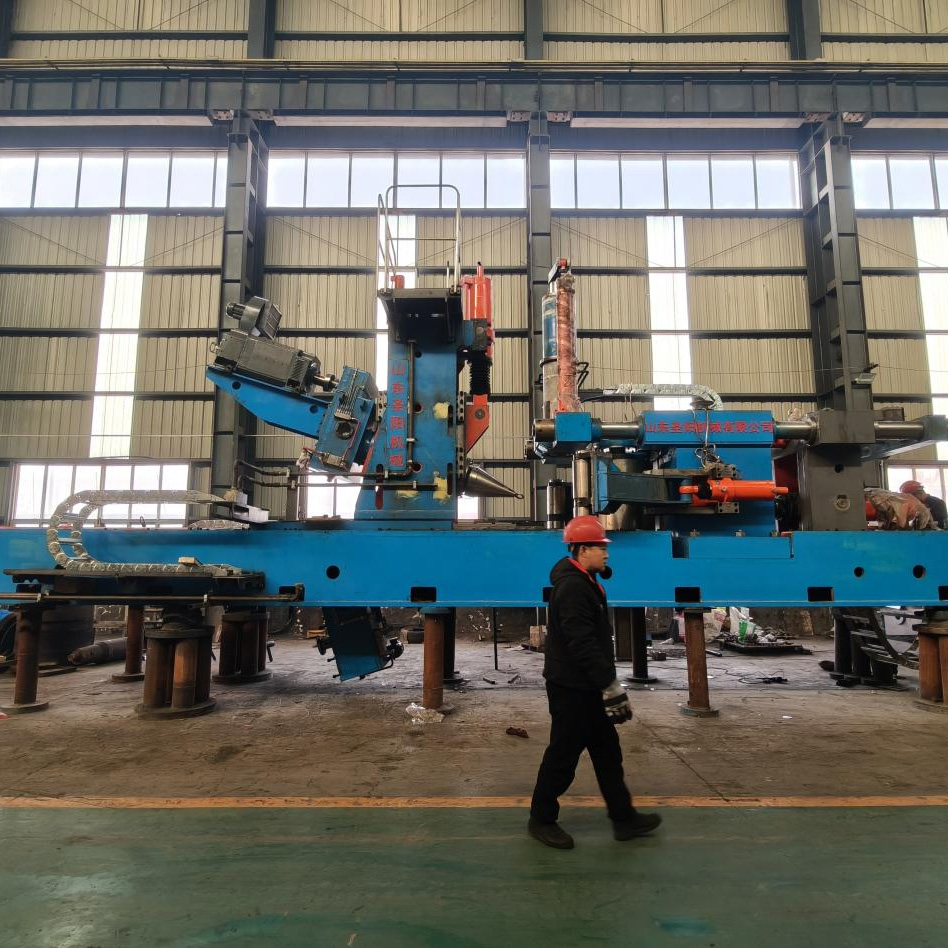
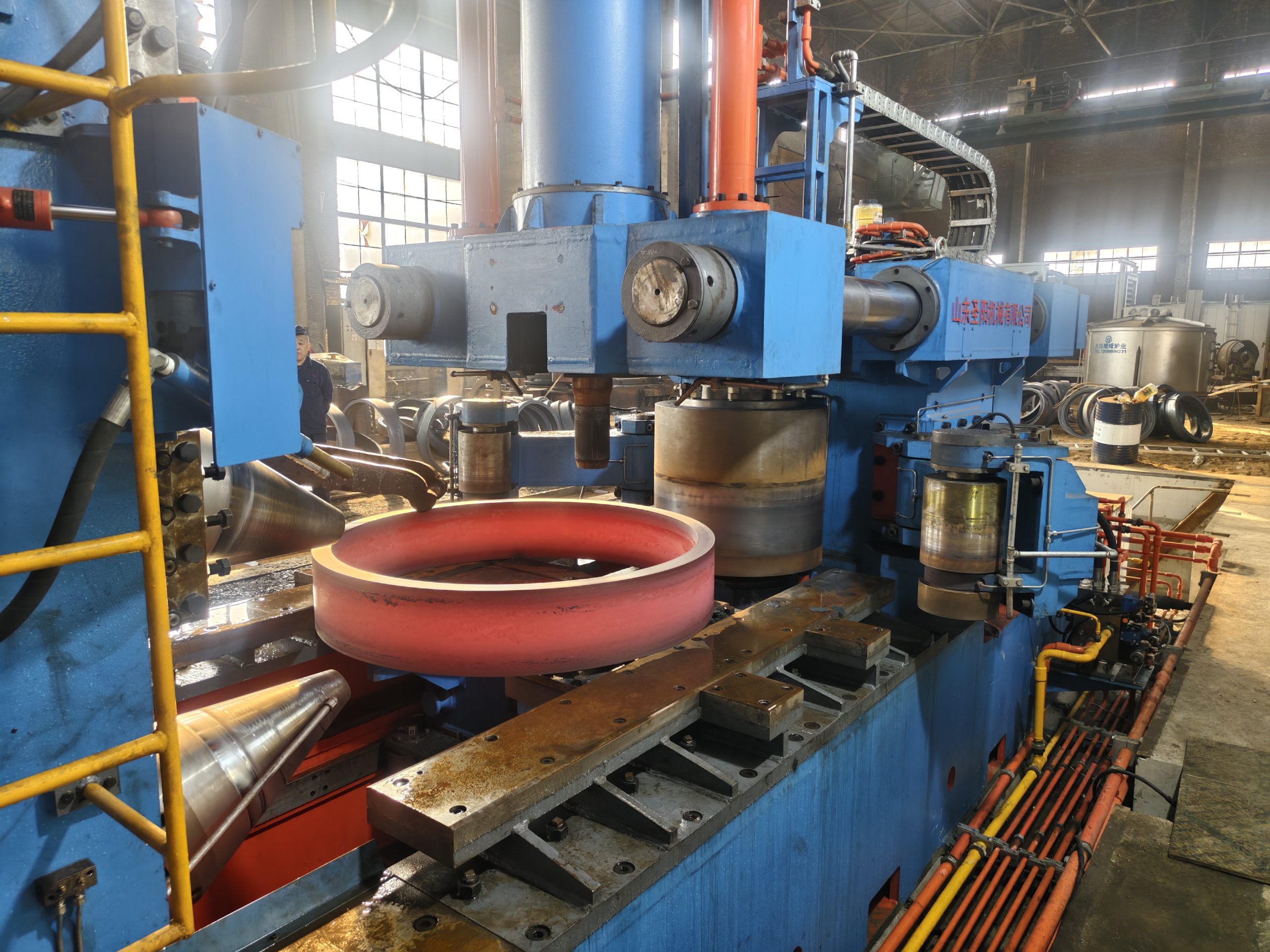
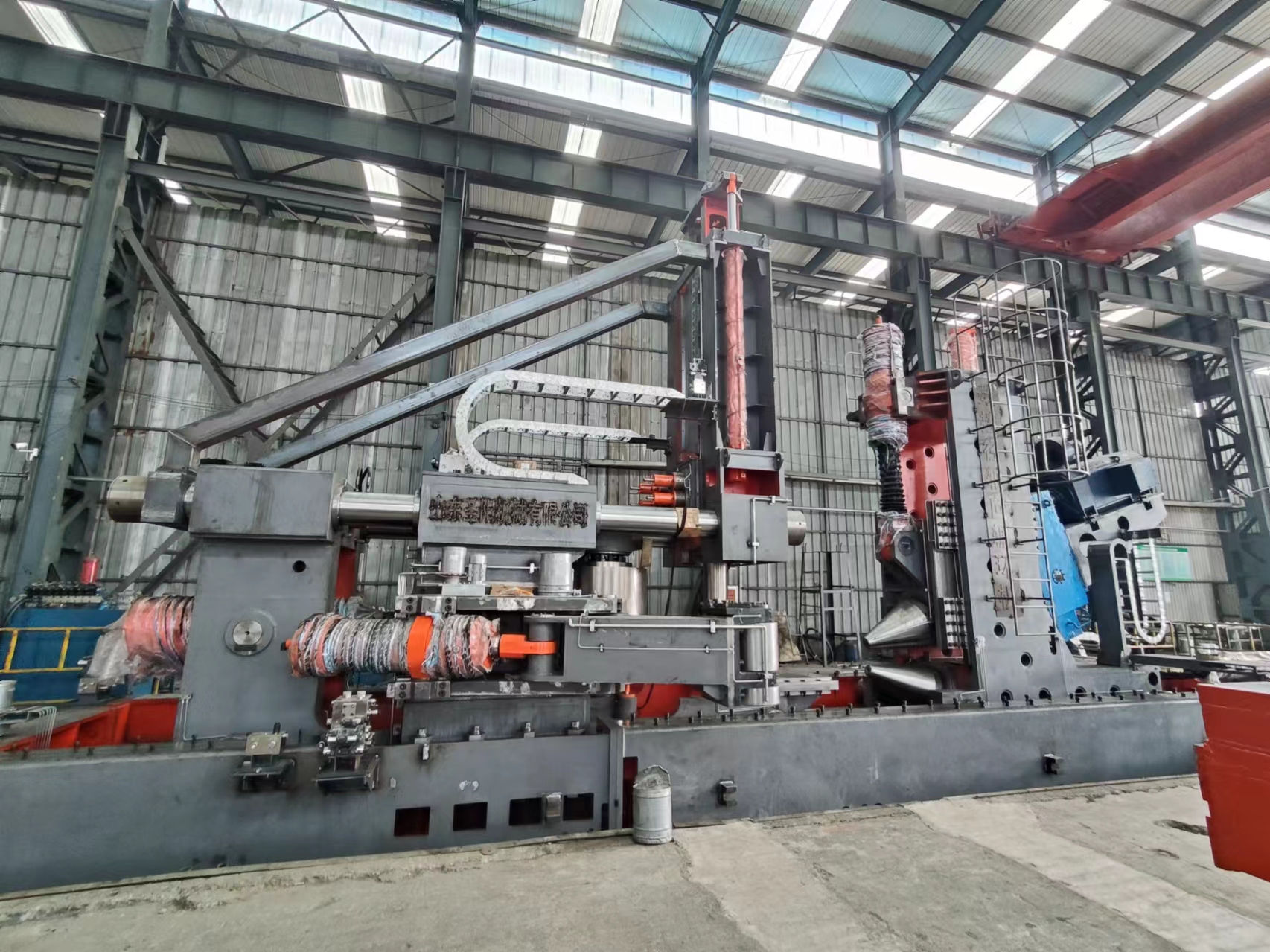
If you take ?iron? - frames, drives, bearing units - here Chinese manufacturers have reached a very decent level. Especially those who work for export to Europe or for joint ventures in their country. Precision manufacturing, casting quality and heat treatment of critical parts are now often comparable. The problem used to be in the assembly and in “little things”: somewhere the hydraulics are leaking, somewhere the cable channels have sharp edges. This happens less often now. Let's take, for example, machines fromShandong Shenyang Mechanical Equipment Co.,Ltd- on their websiteshengyangjxgroup.ruit is clear that the emphasis is on heavy, powerful frames and the use of Japanese or German components for drives. This is no longer a hack.
But the main leap, in my opinion, occurred in CNC systems and software. Previously, they installed basic Sinumerik or Fanuc, but their software was crude, the interface was inconvenient. Now many factories are developing their operator panels, often based on industrial computers, with a Russified interface. The control logic has become more flexible. For example, the ability to fine-tune the roller preload algorithm depending on the steel grade and temperature is no longer exotic. True, sometimes this “flexibility” turns into unnecessary complexity for the average operator.
Here is a specific case from practice. We ordered a machine to rent bearing rings. A Chinese supplier (I won’t name it, it’s not Shenyang) offered its control system with “artificial intelligence to compensate for elastic deformation.” It sounded impressive. In fact, it turned out that the algorithm requires the finest calibration of sensors, which cannot be done on our own. We waited for an engineer for three weeks. Conclusion: cutting-edge technology is great, but only if it is debugged and supported. Now, when choosing, I always ask: “Who and how will set this up in my workshop?”
Technology is technology, but the machine must work in the workshop, not in the presentation. And there are several points that are not always obvious when purchasing. The first istechnical documentation. She still gets into trouble. Translation into Russian is done by machine; hydraulic or electrical diagrams may be incomplete. At the sameShandong Shenyang Co.,Ltd, judging by the experience of colleagues, this is in order - the documentation is complete, there are even video instructions for reconfiguration. But this is because they position themselves ashigh-tech enterprise, working for serious export. Not everyone does this.
The second point is maintainability and availability of spare parts. The design of some machines is such that to replace the same seal in a hydraulic cylinder, half the assembly must be disassembled. The designers apparently saved on assembly time without thinking about future repairs. Or they use bearings or sensors of non-standard sizes, which you then spend a month looking for. A good sign is when the documentation contains article numbers of all key components and their global manufacturers are indicated (SKF, Bosch Rexroth, etc.). This speaks volumes about the thoughtfulness of the design.
And third is adaptation to our realities: voltage drops, compressed air quality, personnel qualifications. A smart CNC system can go ?crazy? from dirty air in the pneumatic system. You have to install additional filters, which are not mentioned in the instructions. This is a small thing, but commissioning deadlines are burning on it.
When you look at a Chinese machine, the question is always in your head: what am I losing compared to, say, an Italian one for the same money? Or vice versa, what do I get more for the same money if I take Chinese? The answer is ambiguous. In terms of basic functionality - rolling a ring of a certain range of sizes - there may not be a difference. The difference shows up in other ways.
In the speed of changeover. European machines often benefit from more sophisticated tooling systems and built-in calibration programs. In the durability of guides and rollers when working with abrasive materials. In noise and vibration levels. Chinese manufacturers previously did not pay attention to these parameters, but now they do. I have seen models where the main hydraulic cylinders are placed on vibration-isolating platforms. This is a direct response to market demands.
But the main trump card is customization. A Chinese factory will be much more willing to modify the machine for your specific workpiece or agree to a non-standard set of sensors. In Europe, for such individuality the bill will be many times higher, and the terms will be longer. For small-scale production with a diverse range of products, this is a decisive factor.
I'll tell you about one relatively successful experience. The workshop needed a machine for rolling large-sized stainless steel rings. European options did not fit into the budget. We settled on an offer from Shandong Shenyang. What attracted me was the design of the frame - monolithic, with reinforced guides. And openness in communication: at our request, they sent a 3D model of the loading unit for verification by our technologists.
Commissioning took about two weeks. There were problems setting up the diameter measurement system - the laser sensor malfunctioned due to glare from the hot workpiece. Together with their engineer (who arrived) I had to select filters in the program and the installation angle. This is exactly the case when the presence of a specialist on site saved the situation. Without him we would have fought for a month.
The machine has now been running for about a year. In terms of geometry accuracy and surface cleanliness, it meets the requirements. The productivity is slightly below the rated value, but it’s our fault - we don’t have time to deliver the workpieces. In terms of reliability: the frequency converter (Chinese equivalent) failed once. We replaced it with ours, Danfoss, and connected according to the diagram. There were no more serious breakdowns. The device paid for itself faster than its European counterpart, precisely due to the lower initial price.
So what about technology? They exist and they are developing. But choose ChineseCNC ring rolling machineNow it’s not a choice “cheap and cheerful”. This is a conscious compromise, where you sacrifice, perhaps, some reserve of “prestige?” and, sometimes, the convenience of a service network in exchange for better functionality/price ratio and greater flexibility.
You need to look not at general words in the catalog, but at specific details: what components are used, how the cooling system is organized, are there clear instructions for diagnosing errors. And be sure to contact those who already have such equipment. Not by those indicated by the supplier, but by finding them yourself through industry forums.
The future, I think, lies in further integration. Already, some manufacturers offer remote monitoring of machine condition and predictive analytics. This is still a curiosity for us, but will soon become a necessity. The question is whether these systems will be truly useful tools or just a marketing gimmick. Experience suggests that Chinese engineers are capable of the former if the market demands it. The main thing is to clearly formulate these requirements when ordering.