Email support
syjx@shengyangringrollingmachine.com

2026-01-13
When you hear “Chinese baler?”, a dichotomy immediately pops up in many people’s heads: either cheap and unreliable, or suddenly unexpectedly technologically advanced and catching up with everyone. The truth, as usual, is somewhere in the middle, and greatly depends on in whose hands you saw this technique and which one specifically. Over the past seven or eight years, the picture has changed dramatically, but the stereotypes are tenacious. I’ll try to sort it out, based on what I had a chance to touch myself and what I heard about from my colleagues in the shop.
I remember about ten years ago the first Chinese pickers that appeared in our region were extremely simple. Roughly speaking, a box with springs and a chain drive. The price was attractive, but there was a problem with the durability of the components - bearings, belts, hydraulic hoses were of poor quality. They were often taken as a temporary solution or for low-intensity work. The key word then was -maintainabilitybecause it had to be repaired frequently.
Now the situation is different. The same manufacturers, but models of a different level. Take, for example, round balers with a variable bale chamber. The design has become significantly more complex: automatic tying systems, bale density sensors, and more sophisticated feeding mechanisms have appeared. This is no longer just a piece of hardware, but a rather complex unit. The question is: to what extent is this complexity justified and how does it affect the overallreliabilityin our sometimes far from ideal conditions?
Here lies the first nuance. Innovations often come faster than their hardware is perfected. Part. I have seen models with excellent electronic components that failed due to vibration or dust, while the mechanical part was still holding up. It turns out to be a paradox: the device is smart, but vulnerable. Therefore, now when choosing, I look first of all at the basic design: frame, roller drive, hydraulics. If there is order here, then the electronics can be tolerated; at least it’s easier to replace.
Advertising brochures aside, the real innovations that I noted relate to two aspects: operational efficiency and operator comfort. For example, systems for forming a dense and even roll from the very beginning of winding. Previously, it happened that the core turned out to be loose, but now the control algorithms for the pressing chamber have really become smarter. This saves time and fuel.
Another point is the strapping systems. Switching from mesh to cheaper, more environmentally friendly twine is a trend. Chinese manufacturers have quickly picked it up and are offering solutions that, surprisingly, often perform more consistently than some European equivalents, especially in wet straw conditions. Apparently, because they were originally designed for less ideal conditions.
But what is often passed off as innovation, but is not, is “smart?” telematic monitoring systems. Yes, they are on top models. But in reality, most farms that buy Chinese equipment do not use them. This is more of an option for show? and price increases. Nothing has yet been invented more reliable than the good old shift inspection and timely replacement of filters.
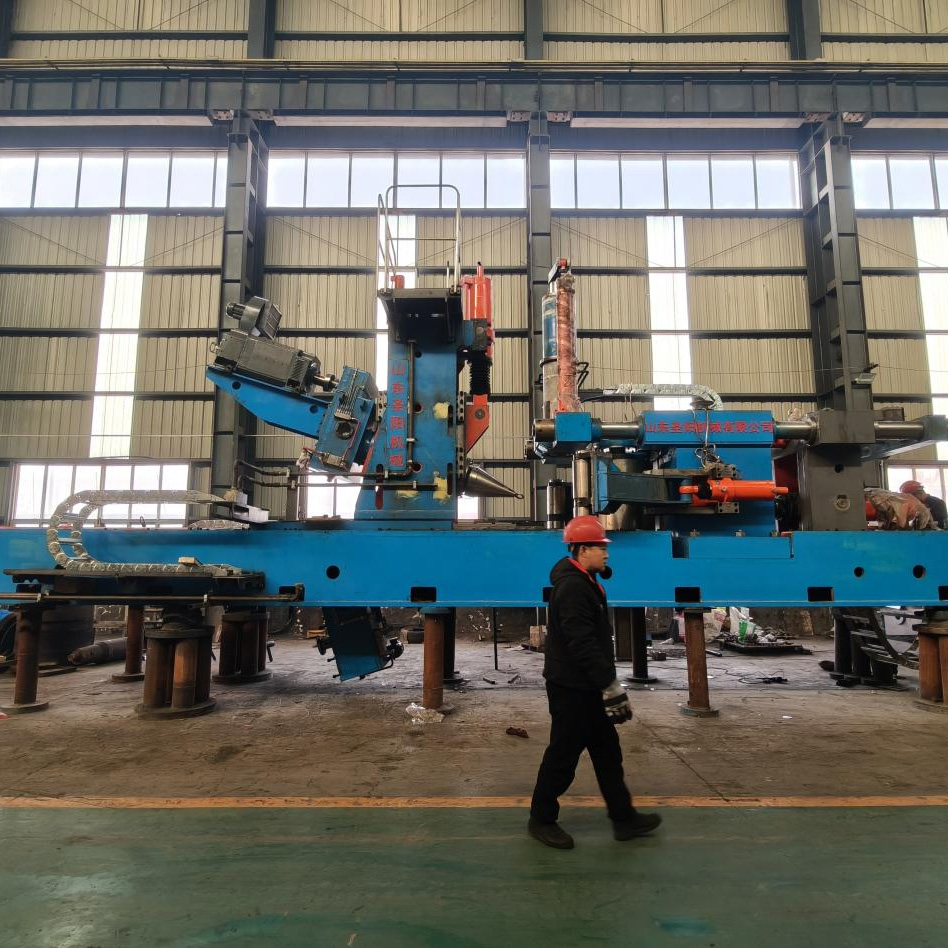
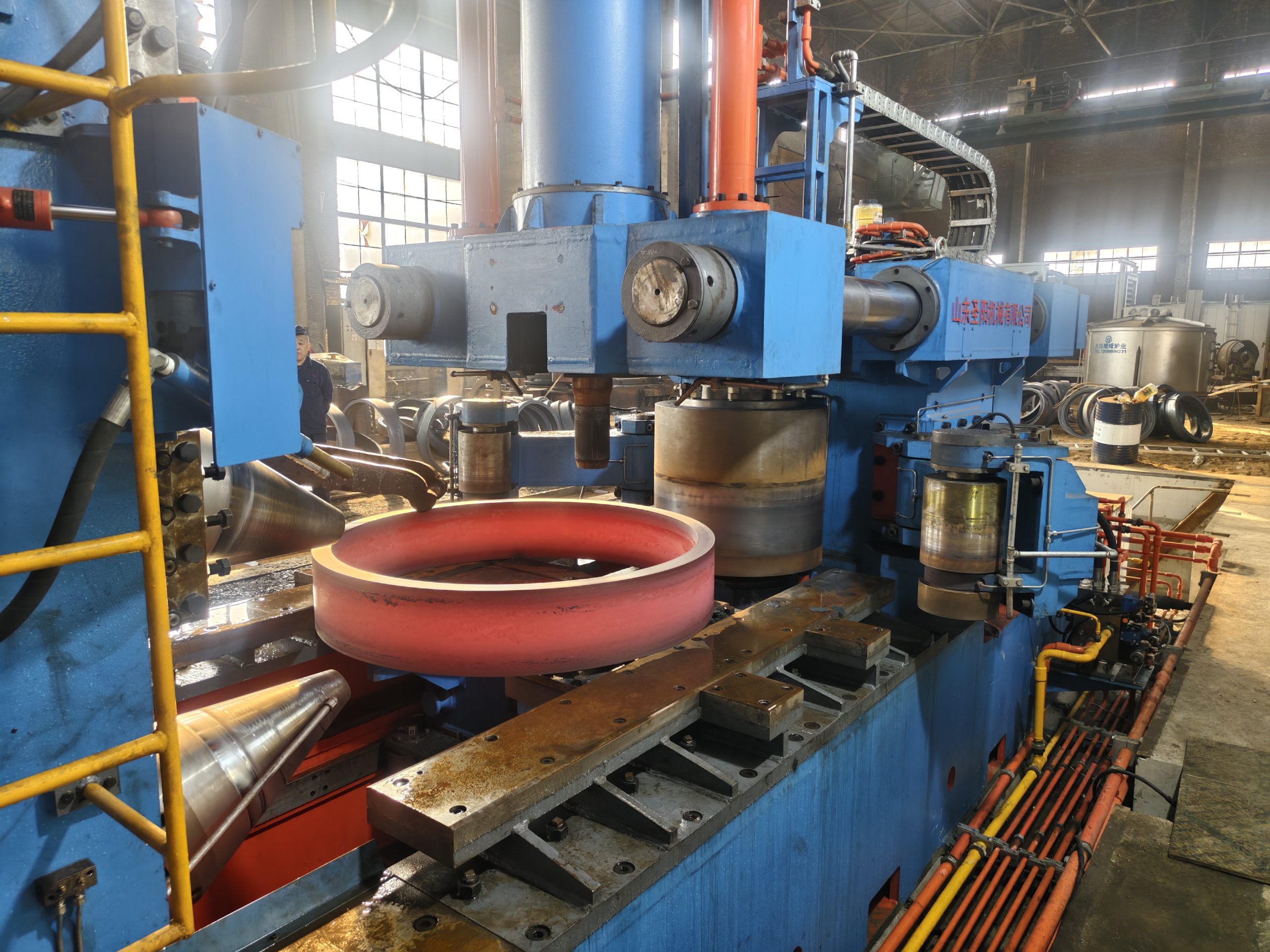
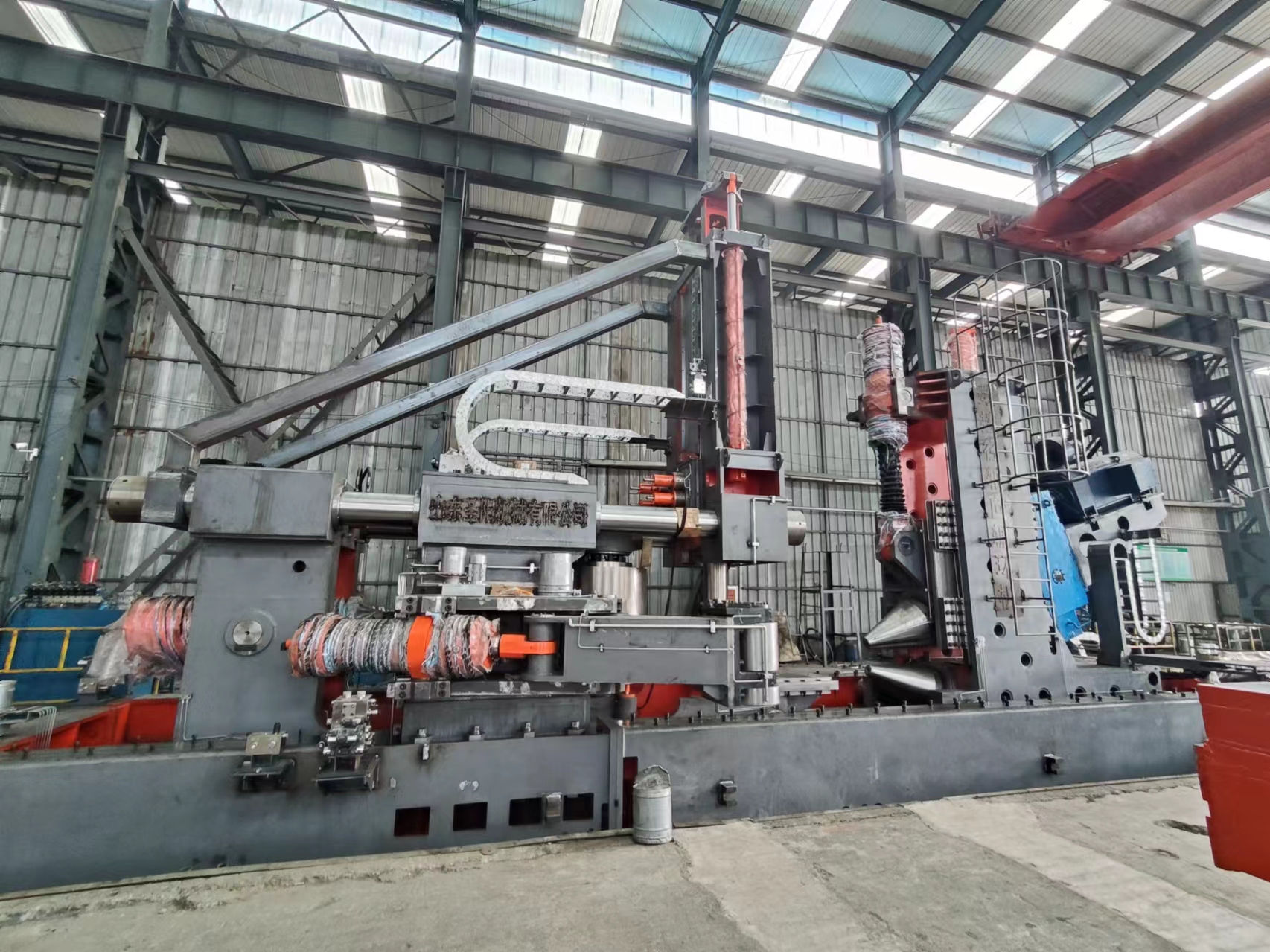
When talking about reliability, we cannot ignore the component base. This is the main headache of past years and is still the Achilles heel of many brands. But there is progress. More and more often there are models with SKF or NTN bearings, Bosch Rexroth hydraulic pumps, and high-quality seals. This changes things immediately. For example, the sameShandong Shenyang Mechanical Equipment Co.,LtdIn the latest lines, I noticed exactly this approach to the selection of components. On their websitehttps://www.shengyangjxgroup.ruposition themselves as a high-tech enterprise, and in terms of assembly from high-quality “foreign” ones. components it really works. The pressing mechanism on their balers, which I saw in operation, showed good resistance to overloads.
The weak point can still be the metal of the frame and the thickness of the metal in less loaded, but important nodes. It happens that savings come at the expense of metal consumption, and after a season or two fatigue cracks appear in the welding areas. There is no universal advice here other than inspecting the equipment in person, knocking on the frame and asking other owners of a particular model.
An unexpected plus that grew out of the minus is the availability of spare parts and the simplicity of the design in general. Yes, it may break more often, but it can be repaired quickly and inexpensively. For many farms this is a critical factor. A three-day downtime waiting for a unique part from Europe can cost more than more frequent but quicker repairs.
Based on experience, Chinese balers today are an excellent choice for medium-sized farms with a diverse crop fleet. For example, for the preparation of grain straw, as well as for alfalfa haylage or grass mixtures. Their adaptability to different weights and humidity has become greater. This is especially true for models with adjustable camera geometry.
But for constant work on huge areas with one crop in 24/7 mode, I would still look towards more expensive and “sharpened” ones. for this task of brands. The resource of a Chinese device, even a good one, can be exhausted faster in such an extreme mode. Although I know cases when our “Chinese” we took care of it for several seasons without major investments - but this is always a lottery and depends on the specific batch and assembly.
An interesting case is working with wet material. Some new models, declared as “for haylage”, cope well. But here it is important to look at the anti-corrosion treatment of the pressing chamber and feed units. If it is there, there are more chances. If not, rust will eat everything in two seasons.
So, if you're considering a purchase, what should you look for first? 1) Origin of key components (hydraulics, bearings). 2) The quality of the welds and the overall rigidity of the frame. 3) Availability of service and spare parts in your region. The presence of such a representative office asShandong Shenyang Mechanical Equipment Co.,Ltd, which not only sells, but also has a warehouse of spare parts and service engineers, is a huge plus. Their description as a high-tech enterprise must be confirmed by after-sales support.
When operating, the golden rule is not to ignore the break-in recommendations. It seems like a small thing, but the new nodes should get used to it. And secondly, timely replacement of cutting knives and strapping mechanism. Often breakdowns begin due to the fact that a dull knife or worn-out twine feed unit increases the load on the entire device.
And the main thing is not to expect half-price equipment to work like an elite brand. Modern Chinese balers are a very decent tool, balanced in price and quality, for most tasks. Theirinnovationare often practical and aimed at solving specific problems, andreliabilityhas grown to an acceptable and sometimes high level, but requires a more attentive attitude to maintenance. It’s not “set it and forget it,” but rather “choose it correctly, serve it on time—and get an excellent result.” This, perhaps, is their modern essence.