Email support
syjx@shengyangringrollingmachine.com

2025-01-11
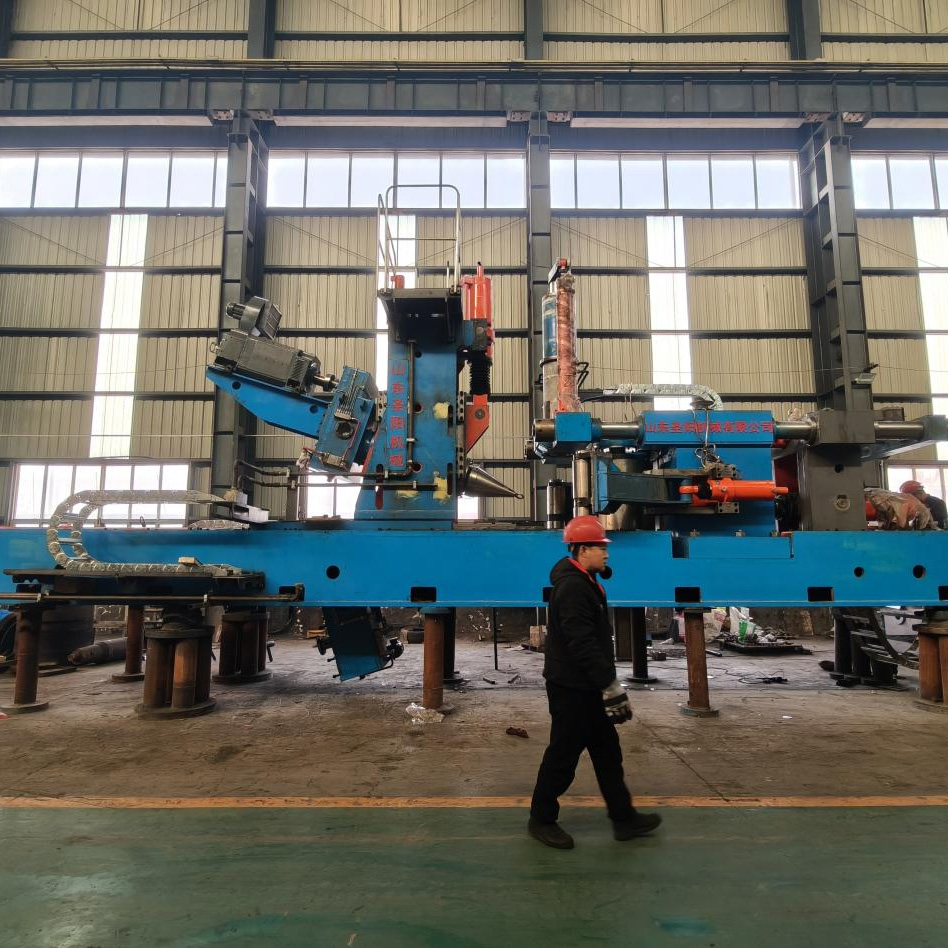
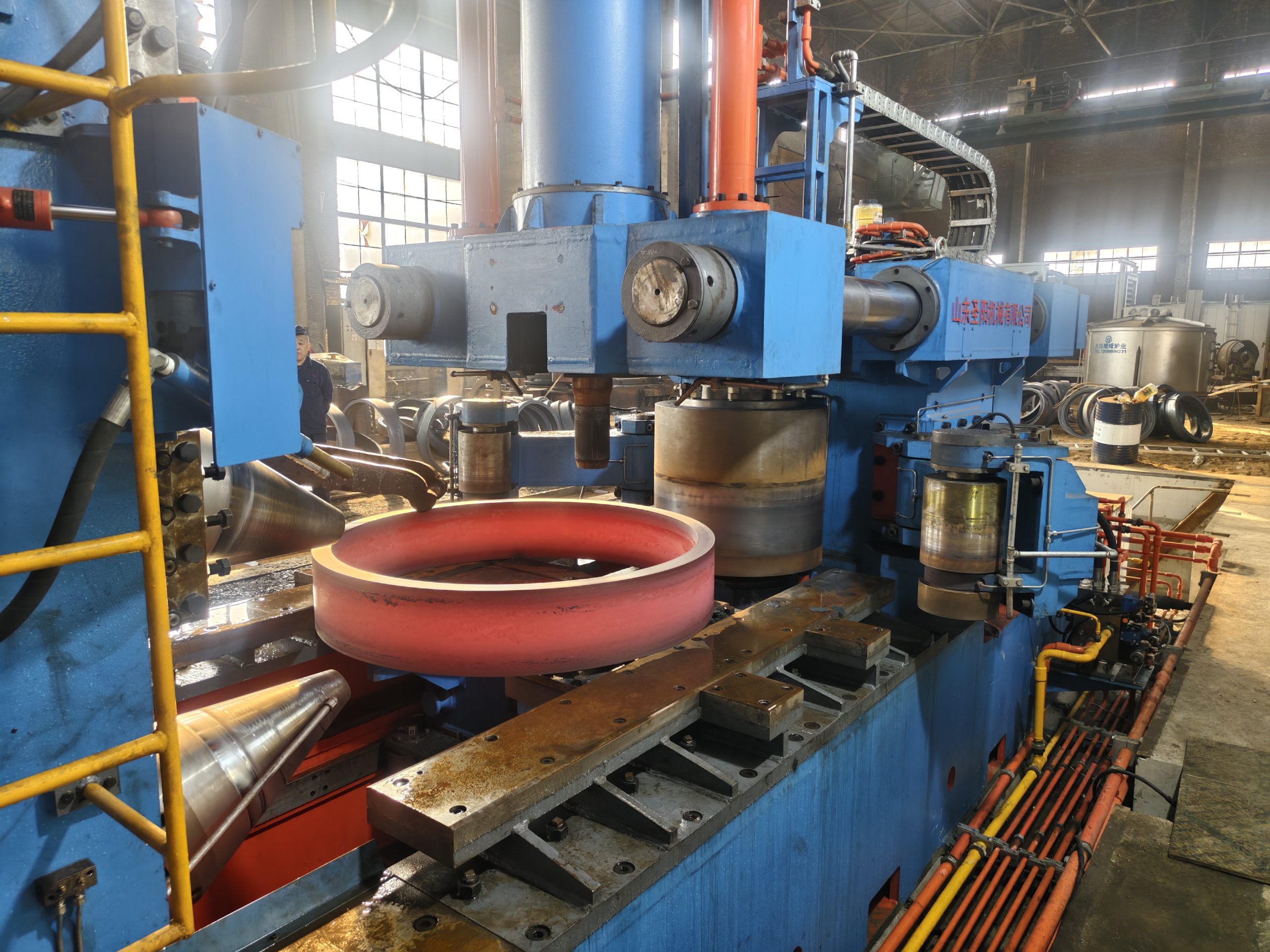
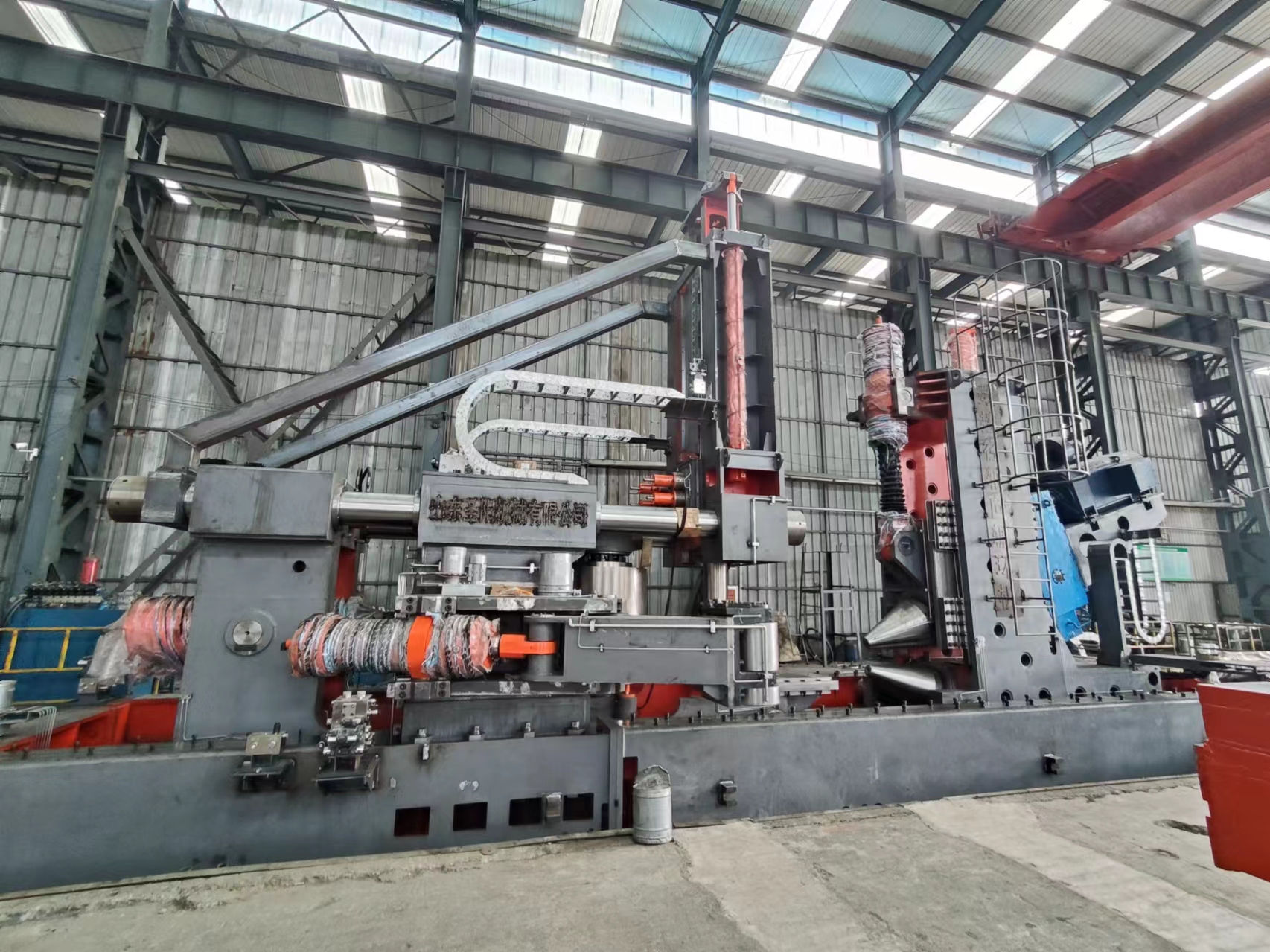
Ring rolling is an important process in the metallurgical and mechanical engineering industries. It is widely used to produce components used in the automotive, energy and construction industries. However, like any other industrial process, ring rolling has its environmental consequences. Today, environmental aspects are becoming increasingly important and companies are striving to minimize damage to the environment. In this context, it is important to consider what environmental impacts the rolling process has, what measures are being taken to mitigate them and how new technologies such asJackhammer Ring Rolling Machine, can reduce the negative impact on nature.
Impact on the atmosphere
The ring rolling process has traditionally been associated with high levels of emissions into the atmosphere. Production requires significant energy input, resulting in large emissions of carbon dioxide (CO2) and other greenhouse gases. These emissions contribute to global climate change, which is an important environmental problem of our time. In addition, the process can generate pollutants such as sulfur compounds and nitrogen oxides, which negatively impact air quality.
Modern technologies are trying to reduce these emissions by switching to cleaner energy sources such as natural gas and electricity with a low carbon footprint. Innovations such asJackhammer Ring Rolling Machine, help reduce energy consumption and, as a result, emissions. Switching to more environmentally friendly production methods is becoming a necessity not only to protect the planet, but also to comply with increasingly stringent legal requirements.
Water resources and their use
Ring rolling also has an impact on water resources due to water use and pollution. The manufacturing process often uses water to cool equipment and products. This requires large volumes of water consumption, and often contaminated water is returned to the environment, which can harm aquatic ecosystems.
To minimize the impact on water systems, closed water supply technologies and water treatment systems are being introduced. They reduce freshwater consumption and treat wastewater before it flows back into natural water bodies. The use of such technologies is important not only to reduce the environmental footprint, but also to increase the sustainability of production.
Recycling and waste management
The ring rolling process also generates various types of waste, including metal scraps and pieces, as well as the chemicals consumed in the process. Ineffective management of such waste can lead to soil and groundwater contamination, which has long-term negative impacts on the environment and human health.
Modern manufacturing plants focus on implementing waste treatment and disposal systems to minimize their quantity and impact. The development of innovative solutions and materials helps reduce waste and increase the share of recycled materials in the production cycle. This not only helps reduce the negative impact on the environment, but also leads to economic benefits through more efficient use of resources.
Energy efficiency and innovation
One of the key factors influencing the environmental sustainability of the ring rolling process is its energy efficiency. Using traditional equipment requires significant energy costs, making the process less environmentally sustainable. Modern companies are introducing energy-saving technologies to improve production efficiency.
For example,Jackhammer Ring Rolling Machineintroduces an innovation that significantly reduces energy consumption through the use of advanced technologies. This not only reduces emissions, but also reduces production costs, making the process more competitive in the market.
Impact on biological diversity
Production processes can impact local ecosystems and biodiversity. Air and water pollution associated with ring rolling can lead to declines in native species populations, altered habitat conditions, and loss of biodiversity. This aspect of environmental impact is often underestimated, although it has serious consequences for ecosystems.
To minimize this impact, enterprises can implement eco-planning, which takes into account all potential risks to the environment at the production design stage. Such measures help maintain environmental balance and support sustainable development of the regions where production processes take place.
Regulating and ensuring sustainable production
As the issue of the environmental impact of industrial processes becomes increasingly important, a variety of legal measures and regulations are being adopted around the world to minimize these impacts. Corporate responsibility and compliance with environmental standards are becoming an integral part of doing business.
Companies involved in the production and rolling of rings are increasingly integrating environmental principles into their development strategy. Sustainable production requires continuous monitoring of environmental impacts and the development of strategies to improve environmental performance. Collaborative efforts between industry, government and society can lead to more sustainable and safer production practices, which is key to a future that respects our planet.
Thus, ring rolling has certain environmental problems, however, the introduction of modern technologies and innovative approaches promises significant benefits to minimize its negative impact. The importance of switching to more environmentally friendly production methods is only growing, becoming a necessary part of not only business, but also our daily lives.