Email support
syjx@shengyangringrollingmachine.com

2026-01-26
A frequent and, frankly speaking, a little naive question. Many people immediately go to Alibaba, thinking that the factories themselves are located there. And there are often trading companies, resellers. Or they find one “manufacturer”, order a trial batch, and then it turns out that they have parts from different subsuppliers, and the assembly is so-so. I went through this myself. So the question is ?where to find it? - this is actually a question of ?how to filter? and “who to avoid?”.
Yes, B2B platforms are an entry point. But don't limit yourself to the first page of results. Sometimes normal, average factories are promoted worse because they don’t pay for the top ones. For example, I found one of my current suppliers almost by accident - through the Made-in-China industry directory, when I was searching for specific terms like “small square baler gearbox?”. There the profile was modest, the photos of the workshops were discreet, but it was clear that they had their own equipment in operation.
The second way is industry exhibitions. The key event for agricultural machinery is China International Agribusiness Expo. The ticket is expensive, the trip is expensive, but this is the only way to see the equipment live, touch the quality of welding, and communicate with engineers, and not with sales managers. I remember one stand: a modest company, but they had their own patent for a strapping unit on a mini-press. We came up and talked - it turned out that they were actually designing, and not just copying. Such people rarely respond to emails themselves.
And the third, most reliable, but also the most difficult way is through personal recommendations and industry communities. In our niche, many people know each other. Someone ordered spare parts, someone went for an inspection. Sometimes in a conversation it will flash: “Yes, there is a factory in Shandong, they have good balers for small farms, but their documentation is a mess?” This kind of information is worth a lot. You need to look not just for a “manufacturer”, but for a “manufacturer who works with Eastern Europe?” or “who makes pick-ups for hilly terrain?”. Specificity is the best filter.
Let’s say we found a website. The first thing that kills trust is stock photos that are the same for everyone. "Golden Fields", ghost tractor. A real factory will show its workshop. Not a picture from a Volvo assembly line, but its machines, its painting, its workers in overalls with the plant logo. It is important to look for videos of the assembly process. Not a presentation piece, but a piece from the workshop. You can see how the frame is being welded - that’s already good.
The second point is the assortment. If there are mini-presses, huge feed dispensers, concrete mixers and also CNC machines on the site at the same time, this is almost always a trader. A true farm equipment manufacturer will usually focus on one or two types of machines. Let's say balers and mowers. Or just balers of different capacities. Depth, not width.
And the third, technical point is the availability of drawings, diagrams, detailed specifications for key components. Not just “power 60 hp?”, but the engine model (for example, YANMAR 3TNE88), belt type (Gates, Bando), hydraulic pump brand. This suggests that they work with specific, often imported, components, and do not put “what is?”. Our maintainability depends on this. I once received a commercial offer that simply said “hydraulic cylinder, 2 pcs.”. After three clarifying letters, they sent a clear specification. It's hard to work with people like that.
Okay, I'll give you an example. I recently studied a potential supplier for a client who needed compact models for a farm in the Black Earth Region. Stumbled upon the siteShandong Shenyang Mechanical Equipment Co.,Ltd (https://www.shengyangjxgroup.ru). The description states that this is a high-tech enterprise. The first thing I checked was “high technology?” what exactly? In design? In quality control? In welding automation?
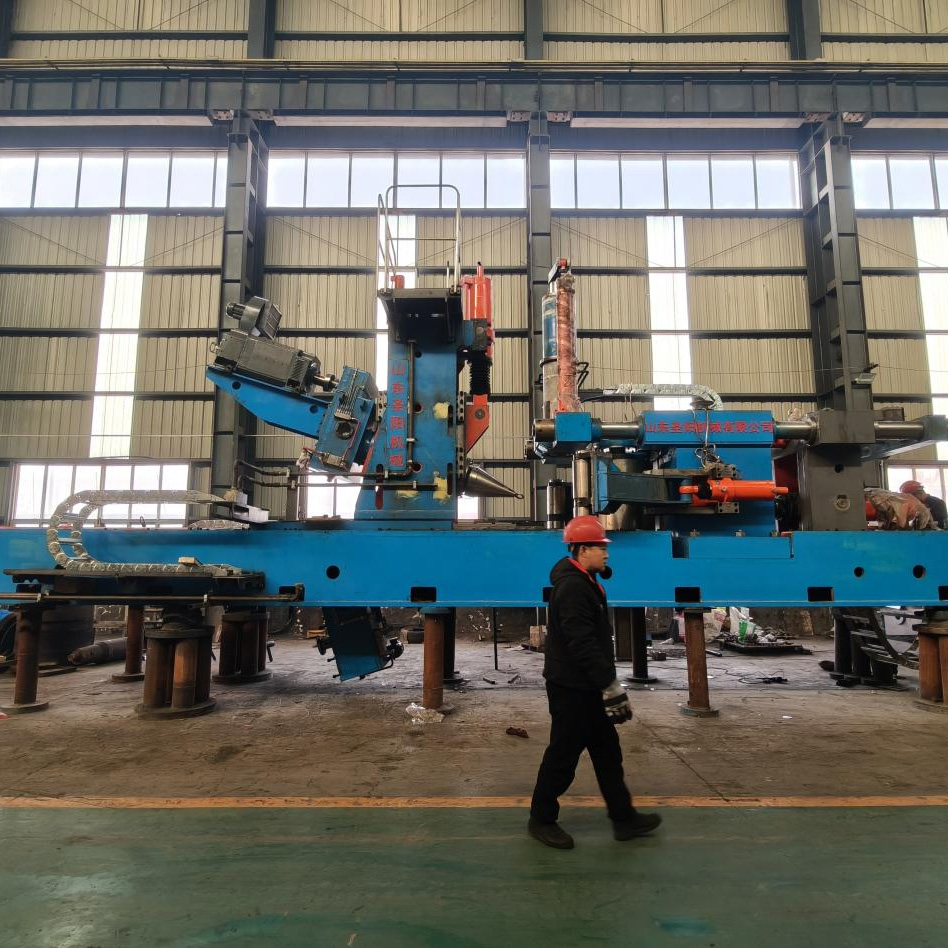
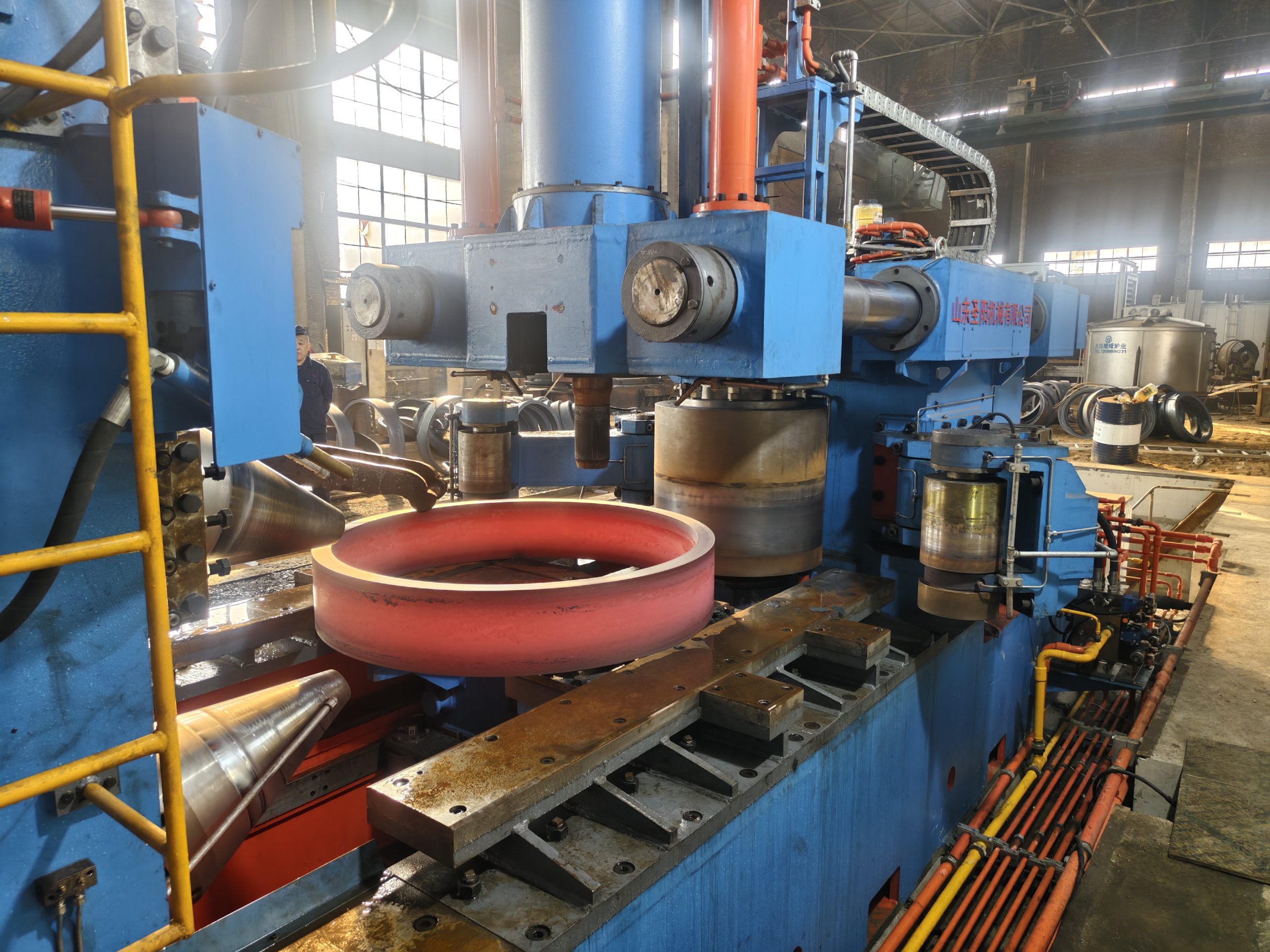
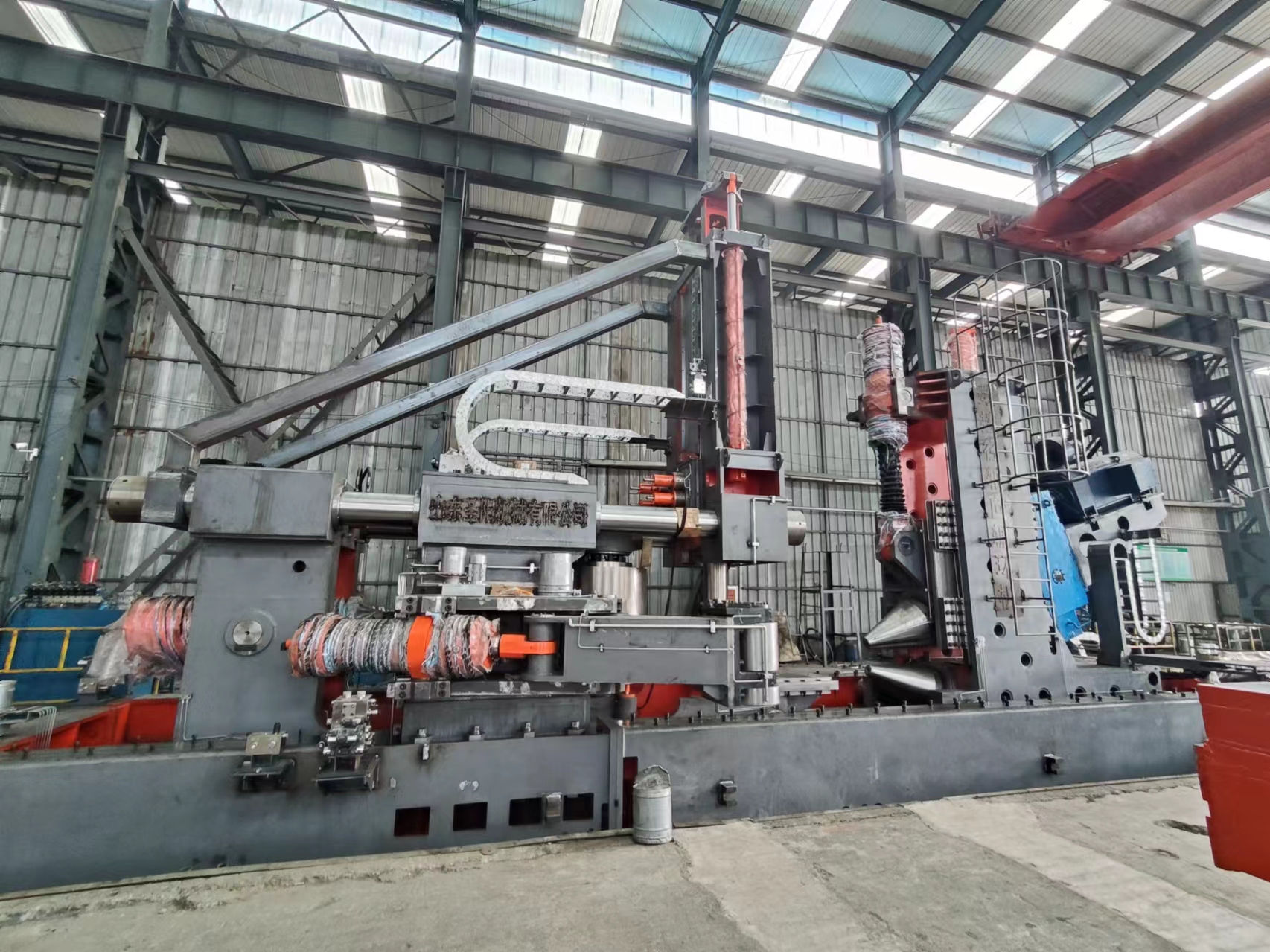
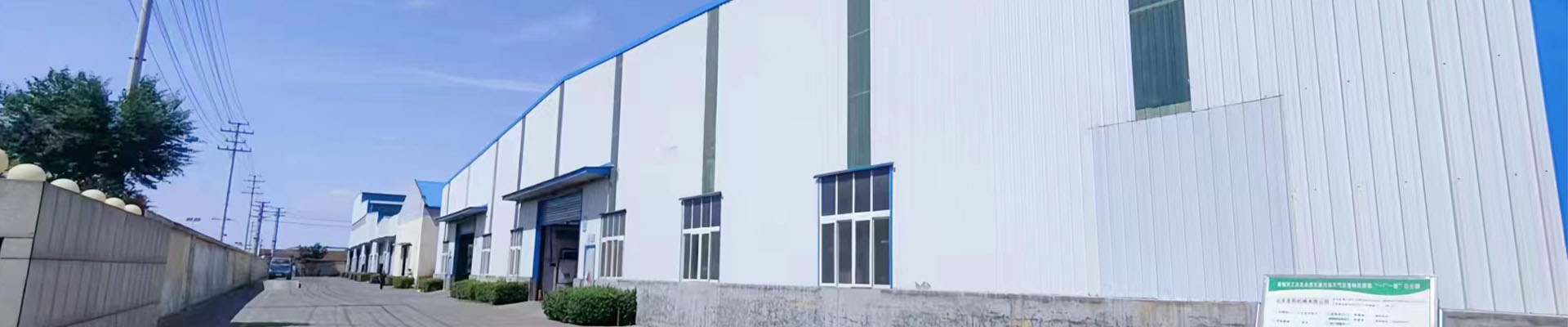
I started looking at the products section. They presented a line of mini-balers, with different types of chambers (rectangular, variable). This is a plus - it means there is an engineering development, and not just one basic model. Found the page ?Production? — there are photos of the workshops, you can see welding robots (this is already serious for such a segment), a painting line. So, “high-tech?” - not just words.
But what follows is key. I found a PDF with operating instructions in Russian. Not a machine translation, but a more or less intelligible one. And most importantly, there was a diagram of the hydraulic system with the designation of all the valves and filters. This is a serious request. This means they are thinking about how the equipment will be maintained. I compared it with another site, where there was only a beautiful 3D video and a phone number - the difference is obvious. But this is not a guarantee yet. For such finds, you need to request a video inspection of the specific workshop where the model you are interested in is assembled. They usually meet halfway.
The most important thing is hidden in details that will not fit in the brochure. For example, the quality of steel for pick-up teeth. They wear out quickly. One supplier boasted to me that they use “special steel”. They sent me a sample - it looks fine. And then our mechanic measured the hardness - it didn’t measure up. It turned out that they did not harden it properly, skimping on heat treatment. Now I always ask for a certificate for material for critical components.
The second stone is compatibility with our conditions. China is a large country, and in Shandong, say, the humidity is one, and in the Voronezh region it is different. How do hydraulics behave in the dust of our steppe? Do they have tests? Often not. You have to think for yourself: ask for a larger oil cooler or an additional air filter. A good manufacturer will do such modifications for a reasonable price. Bad - he will refuse or do it, but crookedly.
And the third, bureaucratic, but painful - certification and documentation. Obtaining TR CU certificates of conformity for a car is a different story. Some factories have ready-made certificates for models, but they can be “general”. And for customs clearance, exact matches in terms of model, power, and engine number are required. It happens that the invoice shows one model, but the safety data sheet of the car (which they must provide) shows another. Then there are delays at customs. It is necessary in advance, even at the stage of discussing the contract, to negotiate the full package of documents and their form.
So, back to the title question. Finding it is not a problem. The problem is to find someone who will consistently do high-quality work, who understands that the equipment will not go to the local field, but thousands of kilometers away, and there it will be repaired not by the plant’s engineers, but by the local mechanic, Uncle Vanya.
Therefore, the algorithm is as follows: 1) We search through several channels (catalogs, recommendations, exhibitions). 2) We verify through the details on the website (photos of production, technical documentation, depth of assortment). 3) We ask ?inconvenient? technical questions by mail or via Zoom. 4) Be sure to conduct a video inspection or, if the volumes are large, a personal visit. 5) We start with a trial batch and test it under our own conditions for “tearing”.
And yes, sometimes it’s worth paying attention to players likeShandong Shenyang Co.,Ltd, who invest in Russification and display of their production. This is a sign that they are focused on the market and perhaps value their reputation. But this is only the beginning of the conversation, not the end of it. The main thing is that the dialogue should be in technical language, in the language of details. Then you will find your manufacturer.