Email support
syjx@shengyangringrollingmachine.com

2026-01-12
This is the question that everyone who starts purchasing goods asks themselves, be it for a business or their own project. People often think that it’s simple: go to Alibaba, find a factory with beautiful pictures, and that’s it. But in reality this is only the first, and often the most deceptive, step. Because you can find anyone, but finding a reliable partner who will not let you down with quality, deadlines and will not disappear after an advance payment is an art built on mistakes and experience.
The most common failure is to chase the lowest price. You see in a search an offer for equipment or spare parts that is 30% cheaper than the market. You call, they confidently tell you everything, send you certificates (often fake). You place a test order, and then you receive scrap metal that doesn’t even match the drawings. Or you get nothing at all. Classic. Therefore, the first principle: if the price is suspiciously low, it is not a manufacturer, it is a reseller or an outright fraudster.
Where to look? Platforms like Alibaba or its Russian analogues are more of a reference book. Everything is there: real factories and trading companies posing as factories. The task is to filter. I always look at the age of the company on the platform, the presence of videos from production (namely workshops, machines, and not a slide show of photos), reviews, and not only on the platform itself - they can be bought - but I try to find independent references. Sometimes I just Google the name of the company plus the word problems or deception. Works.
Another channel that many people underestimate is industry exhibitions. Yes, it’s not so easy to go to China now, but many large manufacturers participate in exhibitions in Russia or have representative offices here. Personal contact, the opportunity to touch the products, look into the eyes of the engineer - this is priceless. For example, at one of the metalworking exhibitions in Yekaterinburg I found contacts formanufacturermolds, which I have been working with for five years. Their website was so-so, but live they showed class.
Now you have visited the website of a potential partner. If it’s just a landing page with three pictures, a contact form and rave reviews in bad Russian, run. Realmanufacturer, especially in the B2B segment, usually does not spend much effort on marketing, but his website is a showcase of his competencies.
What am I looking for first? Section About the company with history, photographs of the plant, possibly the names of key technologists or directors. A product catalog with technical characteristics, drawings, dimensions - not just a good machine, but specifics: power, dimensions, materials. Be sure to look at the News or Projects section. If only the date in the footer is updated once a year, that’s a bad sign. If it is clear that the company is developing, receiving certificates, participating in projects, this is a plus.
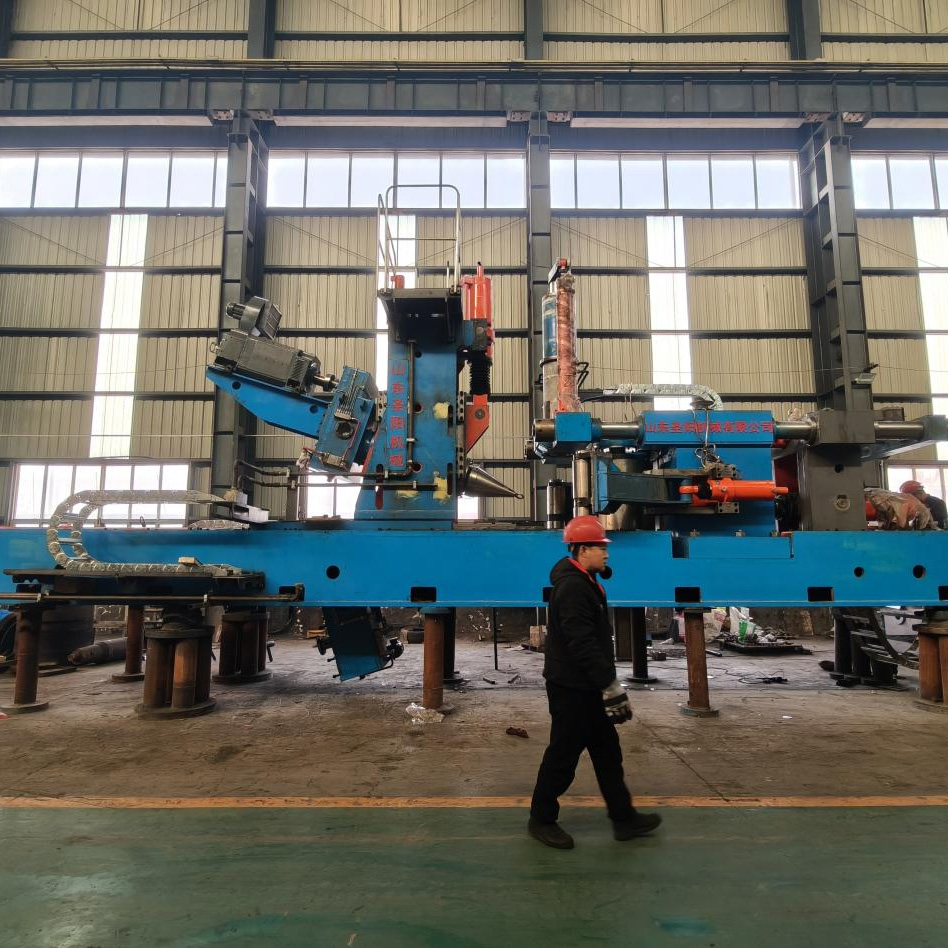
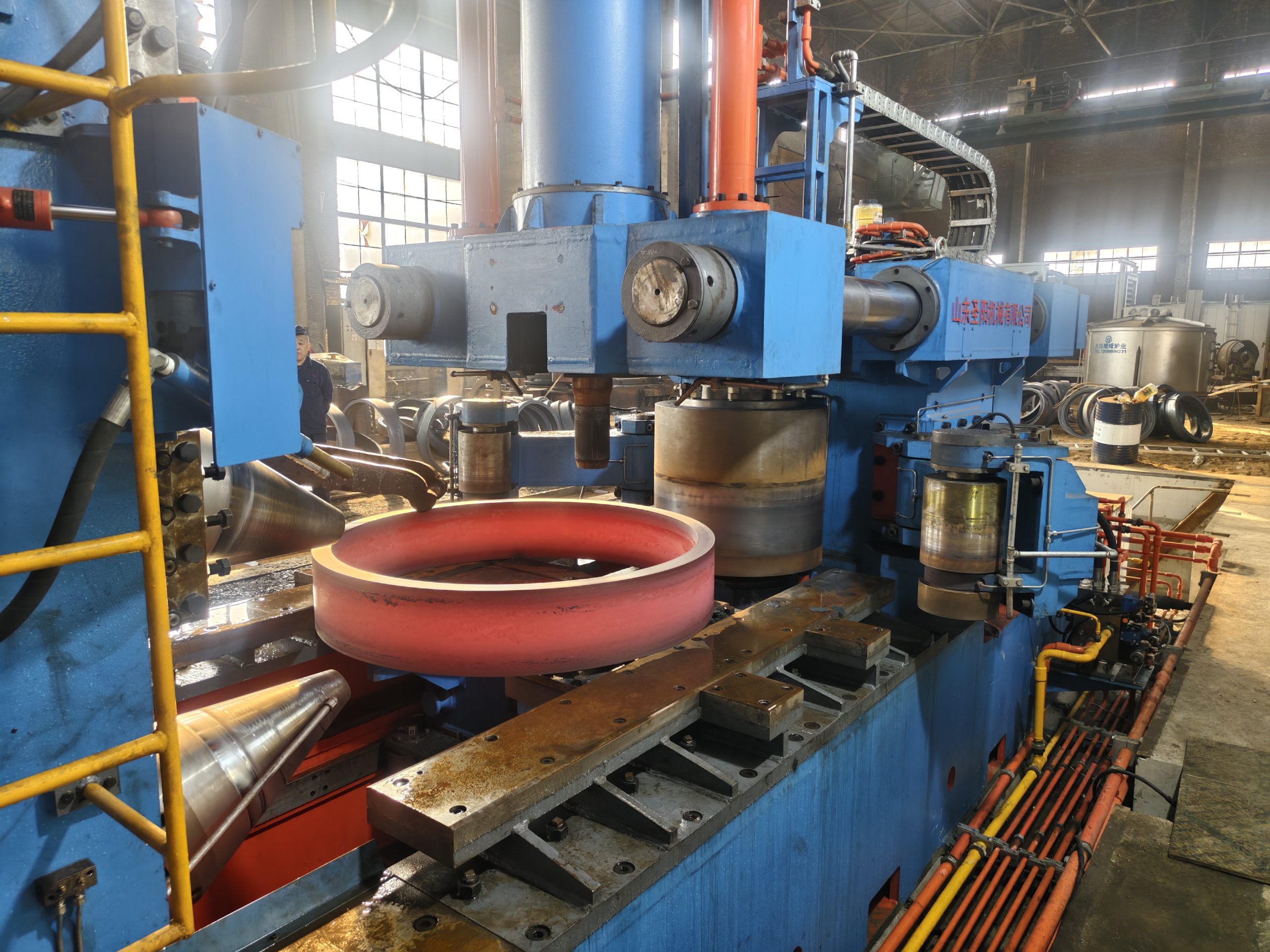
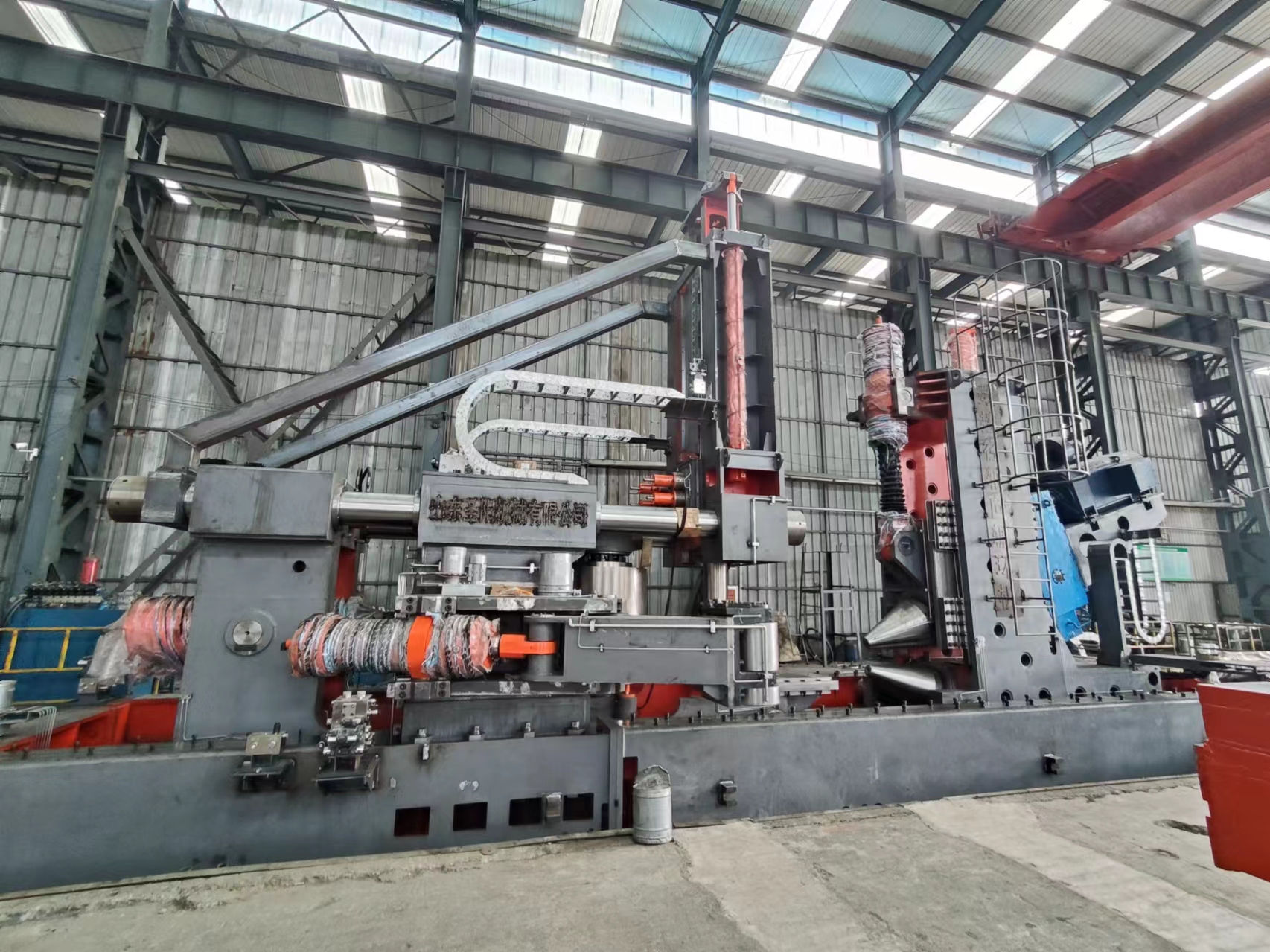
For example, I recently analyzed the siteShandong Shenyang Mechanical Equipment Co.,Ltd (https://www.shengyangjxgroup.ru). It was striking that this was not just a business card website. There is a detailed catalog for equipment for metal processing, presses, and guillotines. It is clear that the company positions itself ashigh-tech enterprise, which is confirmed by the description of processes and the mention of quality control. But for me, the key point was the presence of a section with videos of the machines in operation - this is always a good sign when they are not afraid to show the process in action, and not just the finished product in the studio.
Let's say the site has passed the initial selection. Next is the correspondence stage. I always ask specific, even slightly tricky technical questions about the product. Not what is the price?, but what grade of steel is the frame of this hydraulic press made of and what is its wall thickness? or do you provide factory test certificates for each unit?. The reaction is very revealing. The trading company will start asking again and stalling for time. An engineer or technologist from the plant will answer quickly, clearly, and perhaps even ask what specific tasks you need this equipment for in order to offer the optimal modification.
The next mandatory step is to request a trial batch or sample. Yes, it is expensive and time consuming, but it is the only way to check the quality. And here it is important to look not only at the product itself, but also at the accompanying documents: packaging, labeling, certificates, instructions. One day I ordered a trial batch of fasteners. The parts arrived in good condition, but were packed in an old banana box, without any factory identification marks. This indicated a complete lack of production culture and logistics. I did not work with such a supplier, despite the acceptable quality of the part itself.
If we are talking about large equipment, then you cannot send a sample. The solution here is either a trip to the factory (the most reliable option), or a video conference directly in the workshop via video link. You ask to see a specific machine that interests you in operation, you ask questions to the workers. Are they refusing? This means there is something to hide.
So you found it, checked it, you were satisfied with the samples. It would seem that a contract can be concluded. But here too there are many nuances. Many people, especially novice importers, think that the main thing is to specify the price and terms. In fact, it is important to spell out in detail the terms of reference (TOR) as an integral part of the contract. All parameters, tolerances, materials, standards (GOST, ISO, DIN - whatever is required).
An acceptance clause is required. Ideally, the possibility of acceptance at the manufacturer before shipment. You (or your representative) come and check the shipment. If a defect is found, the equipment will not be shipped until it is fixed. This protects against a situation where you receive a container with substandard conditions, and the supplier has already received 100% payment and pretends that he does not understand what the problem is.
Payment. The standard scheme of 30% prepayment, 70% upon readiness or against copies of shipping documents is more or less safe when working with trusted partners. But if the amount is large and the supplier is new, you can try to negotiate payment under a letter of credit. This is more complicated and more expensive, but it gives guarantees to both parties. Personally, I always start with a minimum advance payment for trial orders, even if it is a little more expensive.
And one more point that is often forgotten: warranty obligations and spare parts availability. The equipment broke down after six months. Who will fix it and how? Is there a service center in Russia? How long does it take to get a spare part? These questions need to be asked BEFORE signing the contract and the answers recorded on paper.
Now many, frightened by logistical collapse and political instability, are looking for alternatives. And here an interesting layer opens up - manufacturers in Russia, Belarus, Kazakhstan, Turkey. They often have their advantages: close logistics, clear legal framework, and the ability to quickly travel to the site.
But the disadvantages are also obvious: often the price is higher, but the range or technological depth of processing is lower. They often work themselves using imported components. However, for many standard items - rolled metal, simple metal structures, some types of assembly - this may be an ideal option. No need to searchmanufactureron the other side of the world, if the turning work according to the drawing can be done by a plant in the Moscow region. The main thing is the same thorough check.
In the end, returning to the main question: where to find a manufacturer? Answer: everywhere and nowhere. There is no one magical place. This is systematic work: search on sites, site analysis, technical dialogue, checking samples, legal preparation. This is a path of trial and error, which ultimately leads to the formation of your own proven pool of suppliers. And the most valuable asset here is not the cheapest price list, but the phone number of an engineer or plant director who picks up the phone at ten in the evening Moscow time and solves the problem. This is the real find.