Email support
syjx@shengyangringrollingmachine.com

2026-02-22
To be honest, when I hear about an innovative Chinese press, many people immediately have a picture of something cheap and dubious popping into their heads. I went through this myself. I used to think that the main thing was the pressure in tons and the price, but then I suffered with the accuracy of the slider and the survivability of the hydraulic system. Now I’m no longer looking for just a machine, but a solution where engineering thought is visible in the details. And China here is no longer about copies, but about real developments for specific forging tasks.
Look here. Previously, innovation was understood only as a digital display instead of a dial pressure gauge. Now we are talking about something else. For example, about the adaptive pressure control system, which compensates for the heating of the workpiece and its resistance in real time. Or about the design of the frame - not just a massive forging, but a FEA calculation to minimize elastic deformations under eccentric load. This is not for show in the catalogue, but to ensure that there is less waste when forging complex forgings.
I remember about seven years ago we took one press, everything seemed to be great according to the passport: both speed and accuracy. But in practice it turned out that the CNC algorithm was tailored to ideal conditions, and when working with alloy steel, which floats differently, it simply did not have time to adjust. We had to do some magic with the program ourselves. Nowadays, advanced manufacturers already have built-in libraries of materials and predictive algorithms - the machine itself selects the mode based on the entered steel parameters. This is for me a sign of a realinnovation.
Therefore, now, when I look at equipment, the first thing I am interested in is not the maximum force, but how deformation control is implemented. Is there force and position feedback with corrections in the cycle? How is the issue of heat removal from hydraulic cylinders during long-term operation resolved? These little things reveal whether the engineers were thinking about a real forge shop or simply assembling iron according to standard schemes.
The main pitfall here is the uniformity of the first search pages. Dozens of sites with almost identical descriptions and pictures. Previously, I negotiated with three different factories, but in the end they turned out to be front-ends for one assembly shop. Experience has taught me: you need to look not just for a seller, but specifically for a developer and engineering core.
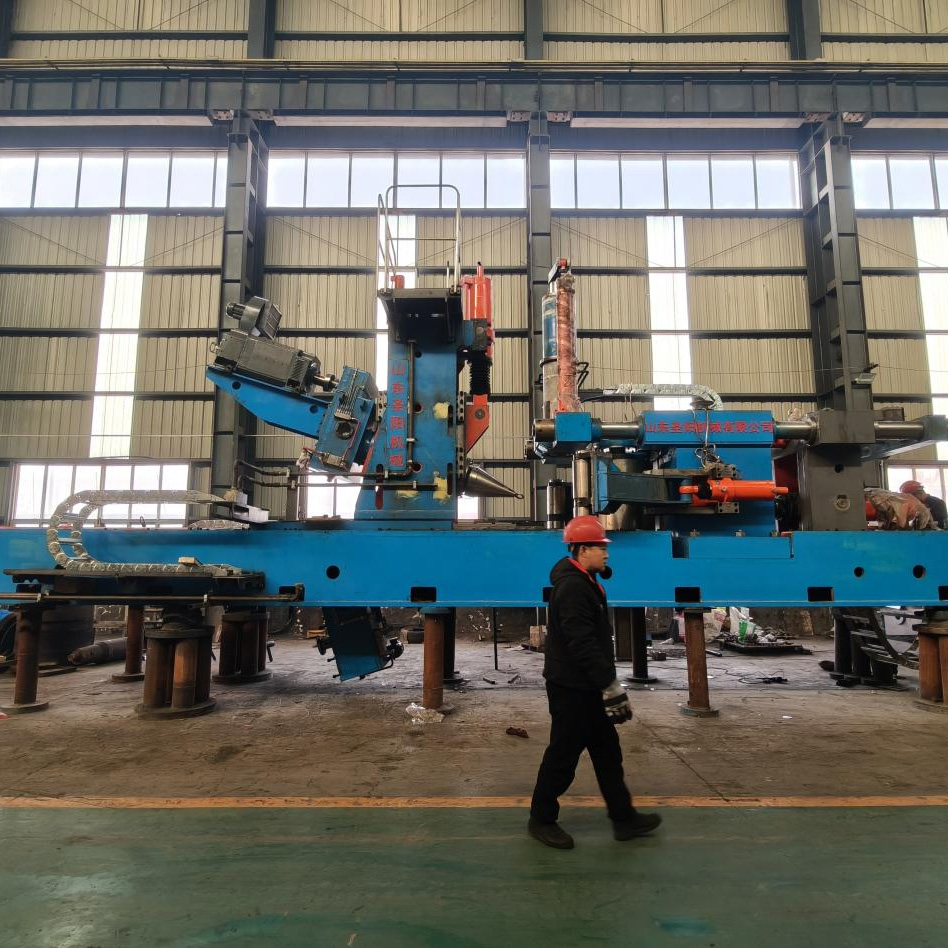
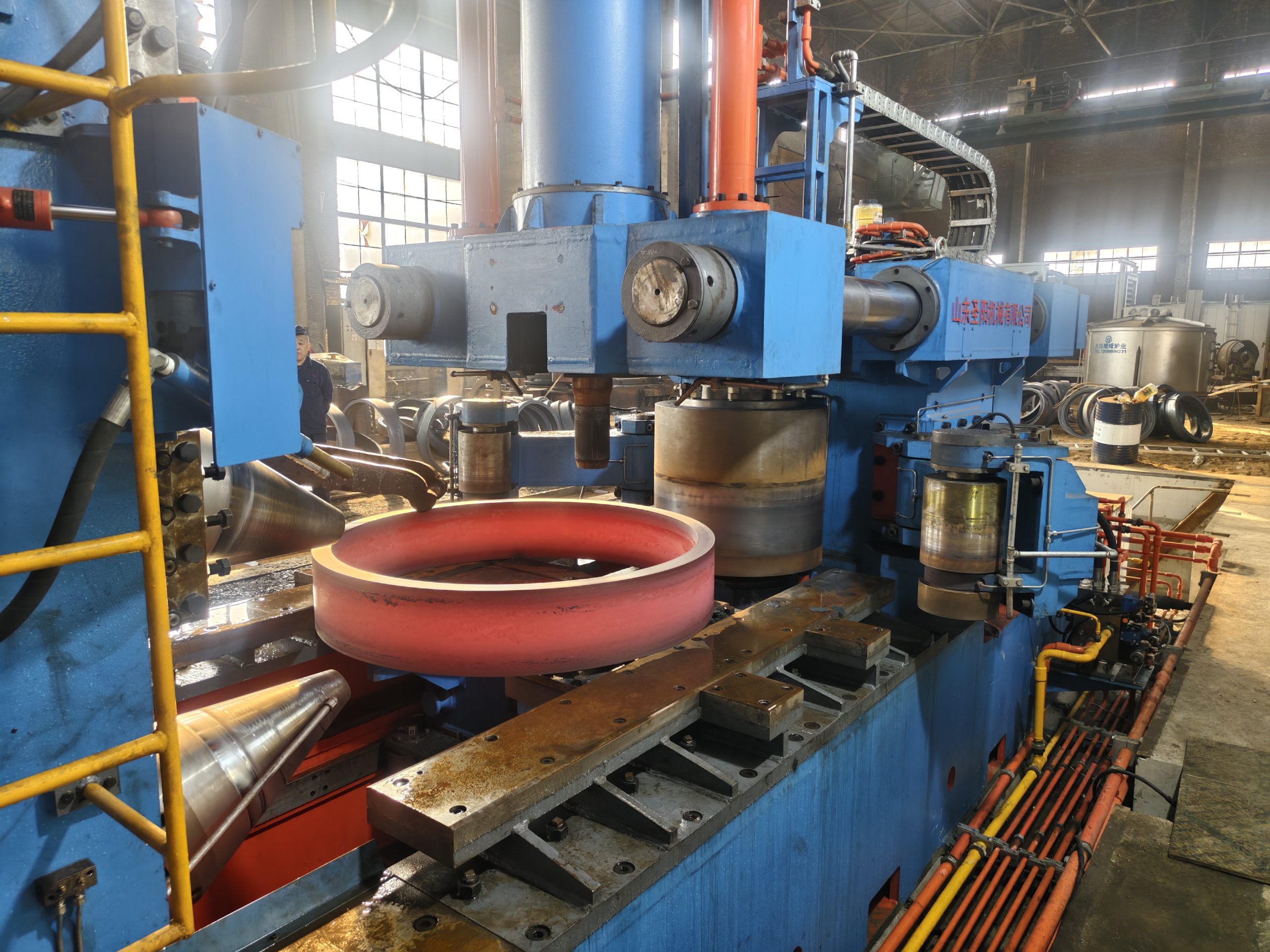
One way is to look at companies that actively use their presses in production themselves. Not the ones that just sell, but the ones that use them to make forgings for wind power or aerospace. Their equipment has been tested in battle. For example, I came acrossShandong Shenyang Mechanical Equipment Co.,Ltd. Their website (https://www.shengyangjxgroup.ru) at first I wasn’t impressed with the design, but when I started digging into the sections with technical reports and cases, I saw something important: they position themselves as a high-tech enterprise with a full cycle from design to service. This is a different level of conversation.
What else am I checking? The presence of a video not from the exhibition, but from the workshop, at work. How does the bed behave at the moment of contact with a hot workpiece? Are there any vibrations? How does the operator interact with the panel - does he press ten buttons or work with an intuitive interface? Often it is these informal materials that give more than a thick folder with certificates.
Hydraulics. You can write a hundred times about reliability, but if it is assembled using cheap valves and high-pressure hoses that are not designed for cyclic forging loads, after six months there will be leaks and power failures. Now leading manufacturers are switching to integrated hydraulic units of their own design, rather than assembling from purchased components. Fewer joints means fewer problems. Ask specifically about the service life of seals and the warranty for the entire hydraulic system.
Cooling system. It would seem like a small thing. But if inhydraulic pressfor open forging it is ineffective, the oil overheats, the viscosity drops, and the press loses both accuracy and power. A good sign is a separate cooling circuit with precise temperature control, rather than just a fan on the radiator.
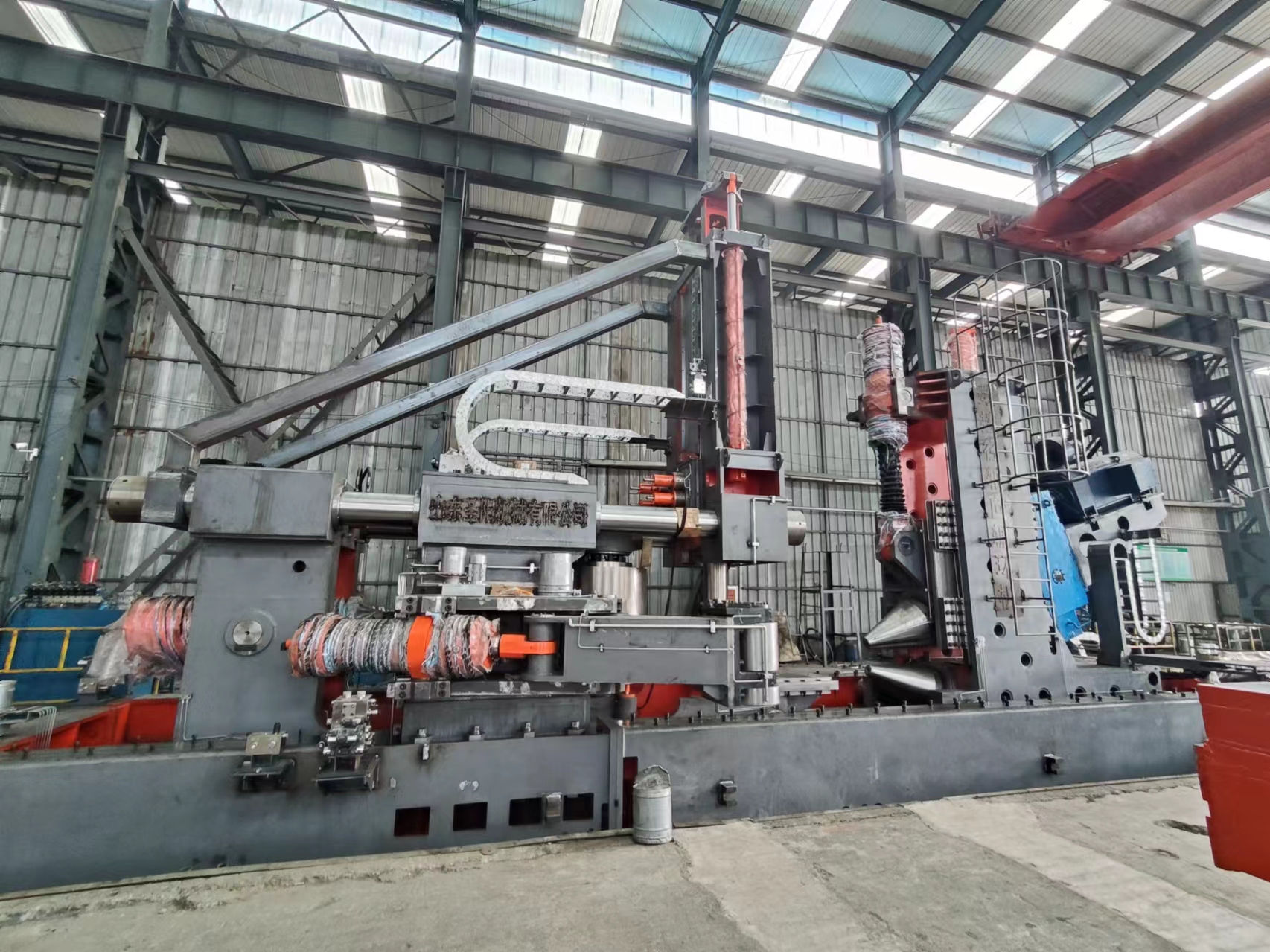
Bed and guides. People often save money here. Open forging is not stamping; the loads can be asymmetrical. A structure with a reserve of rigidity is needed. Look at the cross-sectional dimensions of the columns and how they are connected to the top and bottom cross members. Solid cast or welded? If welded, how were the stresses controlled? The slider guides must be wide and have an automatic lubrication system, otherwise wear will be catastrophic.
The biggest mistake is comparing price tags in catalogs. The price of the press is only part of the story. You need to immediately estimate the cost of installation supervision, training, commissioning and, critically, spare parts. With some suppliers, you have to wait three months for spare parts, and this is downtime for the shop. For those who have a representative office or warehouse in the CIS, like the aforementioned Shenyang, this issue is resolved more quickly.
A story from practice: we once bought a press, it seemed profitable. And when a year later the hydraulic cylinder needed to be repaired, it turned out that the manufacturer had changed the supplier of seals and was no longer producing the old ones. We had to completely redo the unit, which amounted to a third of the cost of new equipment. Now I always clarify the policy on providing spare parts for the entire life cycle (15-20 years).
Innovation sometimes adds to the price, but saves later. For example, a predictive diagnostic system that monitors component wear and warns about the need for replacement before failure. This is not marketing, but real savings on unscheduled downtime.
So where to look? Not in general catalogs, but in niche professional communities, on industry forums. Ask not who sells?, but who owns it and how does it work?. Most often, the necessary contacts are found through colleagues who have already gone through trial and error.
For me personally, my priority now is for manufacturers who are not shy about showing their engineering calculations and test results. Who are ready to discuss not standard modes, but your specific technological process - say, forging titanium alloys or heat-resistant nickel alloys. If a technologist or designer quickly gets involved in a dialogue with a manager, this is a good sign.
Back to the beginning.Innovative Chinese hydraulic pressfor open-loop forging, this is not a myth. This is equipment where reasonable prices hide thoughtful solutions to real production problems. The key is the ability to filter out the noise and find the very manufacturer for whom the press is not a product on an assembly line, but a complex engineering system that he himself is ready to support for many years. And companies likeShandong Shenyang Mechanical Equipment Co.,Ltd, with their declared high-tech approach, just fall into this circle for serious consideration. But the final verdict, as always, depends on personal inspection and test forging.