Email support
syjx@shengyangringrollingmachine.com

2026-01-25
If you are looking for Sipma spare parts in China, I will say right away: get ready for some detective work. Many people think that it’s simple - go to Alibaba, find it, buy it. In practice, under the brand name “original” or ?analogue? Anything can be hidden, from a good copy to outright rubbish that will kill your equipment in a season. I went through this myself.
First and foremost, Sipma, as far as I know, does not have official factories for the production of spare parts in China. Their production is concentrated in Europe. Therefore, when you are offered “Chinese original Sipma spare parts”, it is almost always either counterfeit or so-called “analogues of compatible quality”. This is not necessarily a bad thing, but the risk is great.
I personally came across a situation where a batch of knives for a chopper purchased from a “trusted” company. supplier from Guangzhou, the welds came apart after 20 hours of work. On paper, all the specifications matched, the steel was “correct?” brand, but heat treatment was apparently saved. The supplier, naturally, referred to improper operation.
The key point here is the supply chain. Real specialized manufacturers of high-quality analogues often do not “shine” on major exchanges. They work with wholesalers or directly with foreign companies that are already involved in packaging and sales. Your task is to contact them or their reliable distributors.
Alibaba, Made-in-China are obvious entry points. But here you need to not just look for “Sipma parts?”, but dig deeper into the details. For example, look not for a “knife for Sipma”, but for a “chopping knife made of forged steel 65Mn, hardened HRC 48-52”. This will immediately weed out 80% of resellers who themselves do not understand what they are selling.
I highly recommend paying attention to companies that position themselves as manufacturers of agricultural machinery orspare parts for balersand feed distributors. They often have their own metalworking and casting shops and can produce compatible parts to order from drawings or samples. It takes longer, but is more reliable.
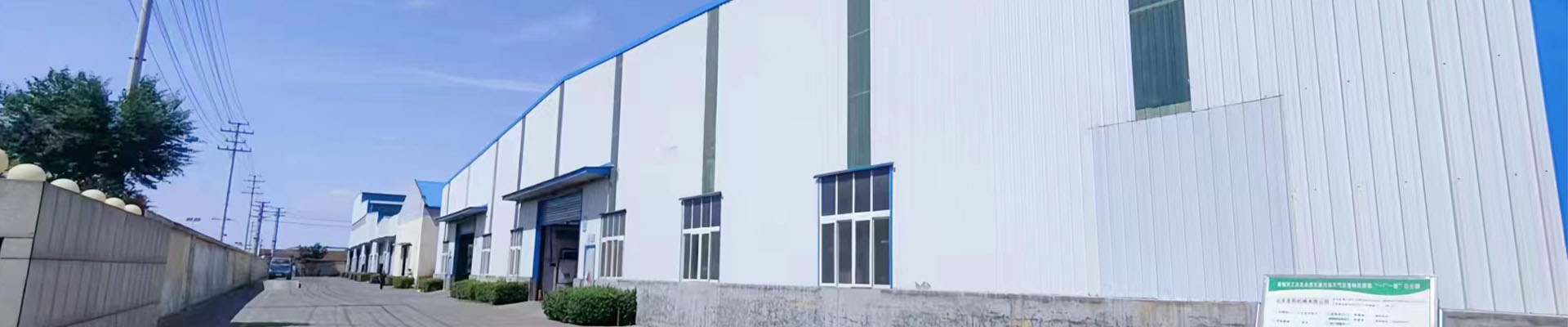
One such example isShandong Shenyang Mechanical Equipment Co.,Ltd. I came across them when I was looking for rollers for a conveyor. Their websiteshengyangjxgroup.rumade for the Russian-speaking market, which is already a plus. They declare themselves to be a high-tech enterprise, and judging by the assortment (augers, teeth, bearing units), they specialize specifically in mechanical components for agricultural machinery. Not sure if they have Sipma branded parts specifically, but for many items they may be the manufacturer or have access to channels. It is worth contacting such companies directly, sending photos or drawings of the worn part and requesting production. The price may be a pleasant surprise.
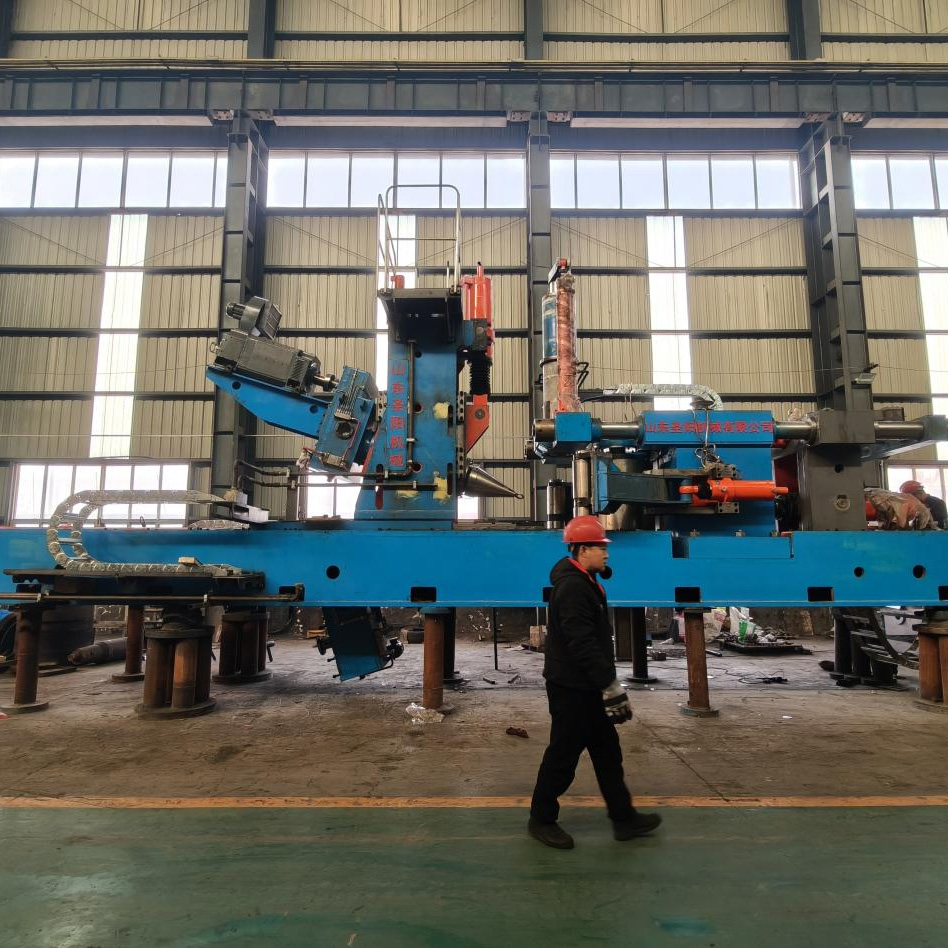
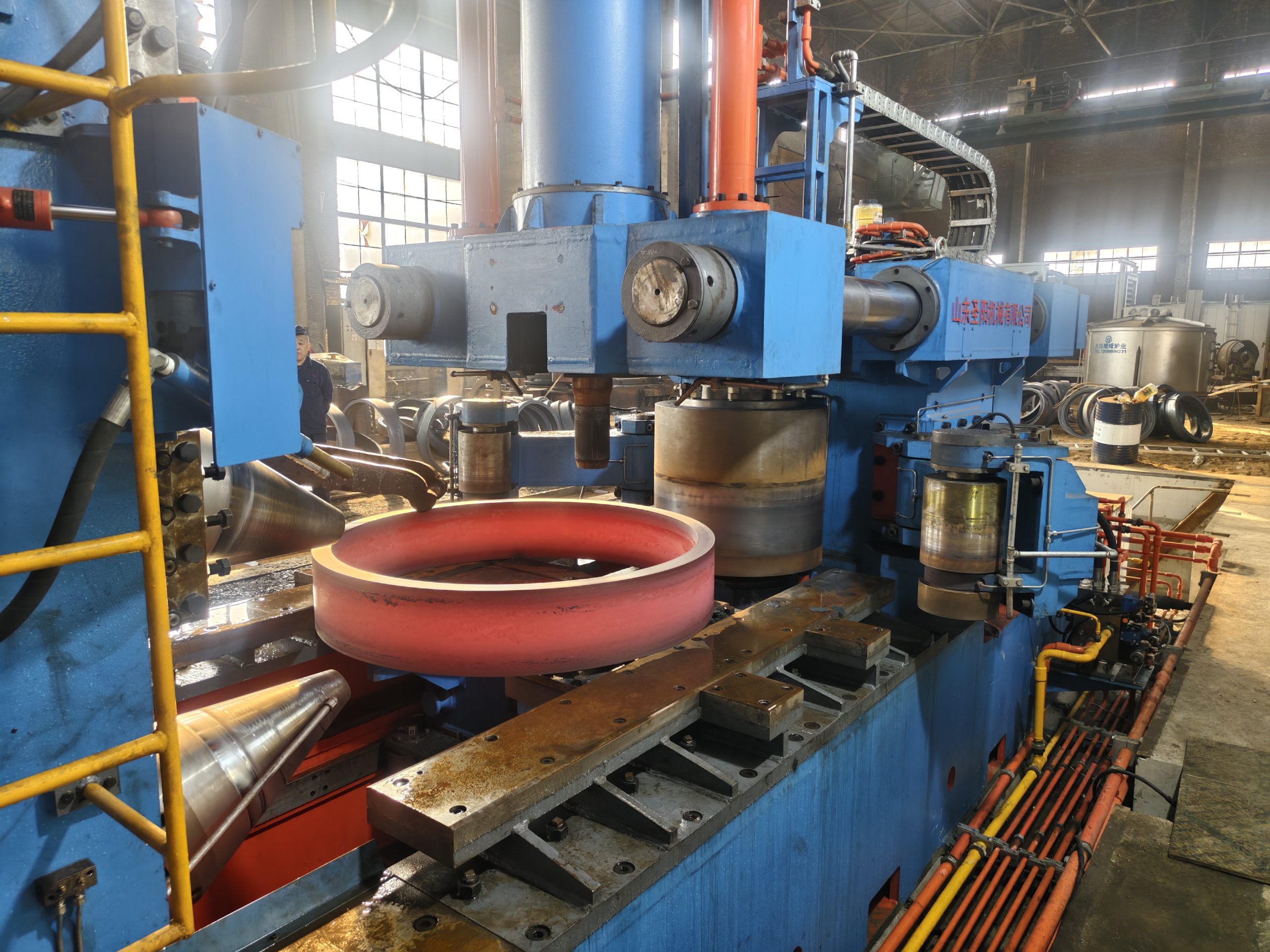
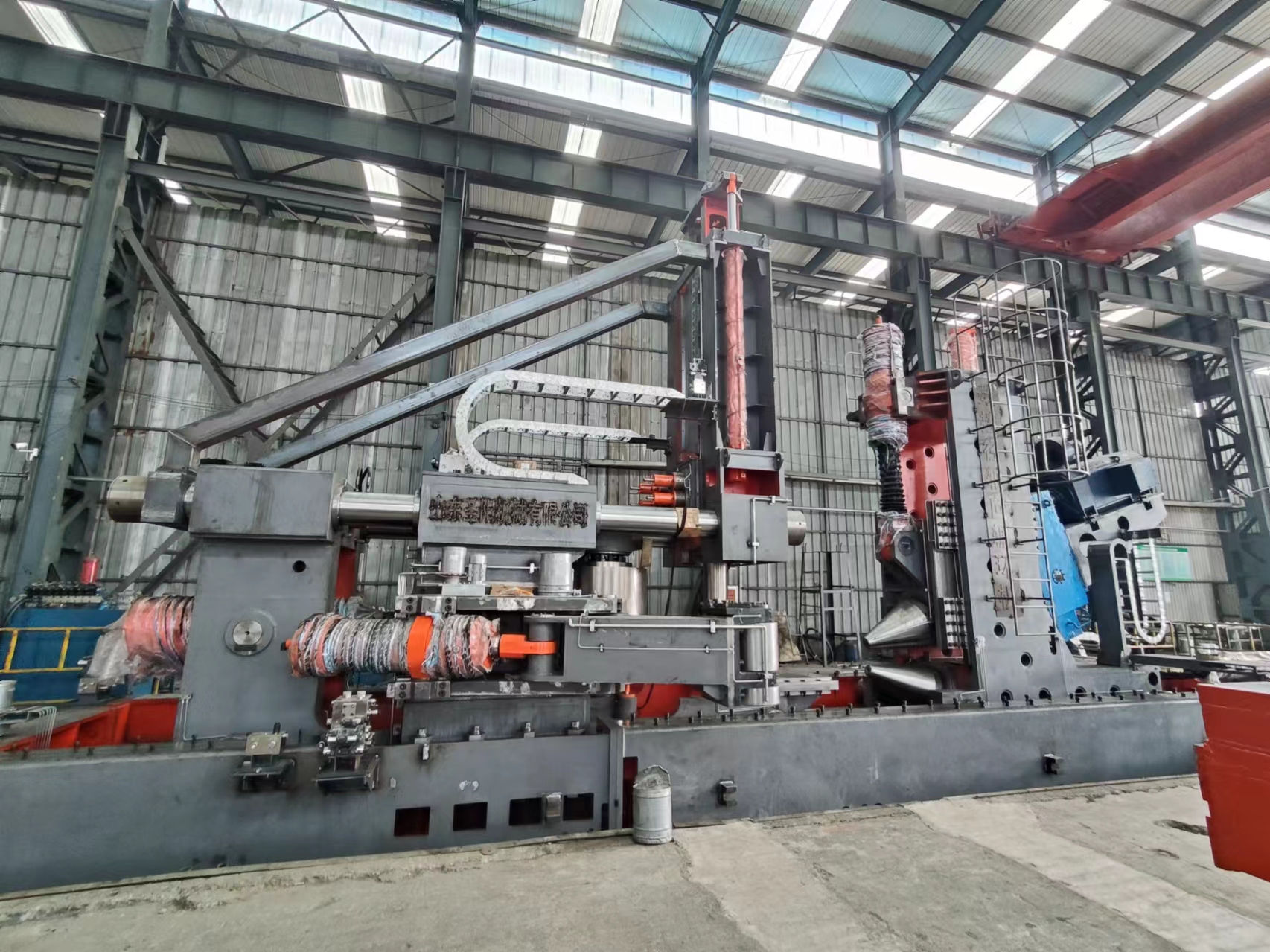
When you have found a potential seller, take your time. Request not only a commercial offer, but also a photo of the production. Not beautiful pictures from the warehouse, but specifically the workshop: the machines, how the work is organized. A real manufacturer usually does not disdain this if he sees a serious client.
Be sure to ask for samples. Yes, it's expensive and time-consuming, but just sending a sample will save you from a ton of waste. Check the geometry, material (at least for weight and spark), and quality of surface treatment. Compare with the original literally under a magnifying glass.
Ask about other markets where products are supplied. If they name Europe (not Eastern, namely the EU) or North America, this is a good sign. There the quality requirements are stricter, and it’s just “leftist”? won't get there.
Let's say you find the ideal supplier and agree on a price. Here begins the second part of the epic. ForSipma spare partsor any other, it is important to correctly classify the goods for customs. The duty depends on this. Some parts (for example, simple forged knives) may pass under one code, and assemblies with bearings may pass through another.
I advise you to always work with a trusted forwarder who specializes in engineering products from China. They will help with invoices, packaging (so that the parts don’t arrive rusty) and customs clearance. Trying to import the first shipment yourself is a sure way to get headaches and technical downtime.
And yes, always allow at least 2-3 weeks for delivery by sea and another week for customs procedures. Express delivery for parts weighing hundreds of kilograms is ruinous.
Sometimes it’s easier and cheaper to buy not the original or the Chinese equivalent, but a used part in Europe. For some scarce or very expensive components, this may be the optimal solution. This happened to us with the valve body.
In general, the answer to the question “where to buy?” - not in a specific place, but in the right approach. You need to look not for a store, but for a manufacturing partner. Like the sameShandong Shenyang- companies that can not just sell from a warehouse, but understand your task and produce what you need. This takes time to search, correspond, and check. But it’s worth it when, at the height of the season, your baler breaks down, and the part supplied from China fits into place and works flawlessly.
My main conclusion: China is a source of excellent components, but only if you are willing to invest effort in search and validation. You cannot blindly trust the inscriptions on websites. You need to check, test and build relationships. Then there will be a result.