Email support
syjx@shengyangringrollingmachine.com

2026-02-02
A key question that is often asked with a fair amount of skepticism. Many people immediately think about low price and the same quality. But the reality, as usual, is more complicated. I went through this myself, purchased, set up, broke and repaired. I’ll try to sort it out on the shelves, without embellishment.
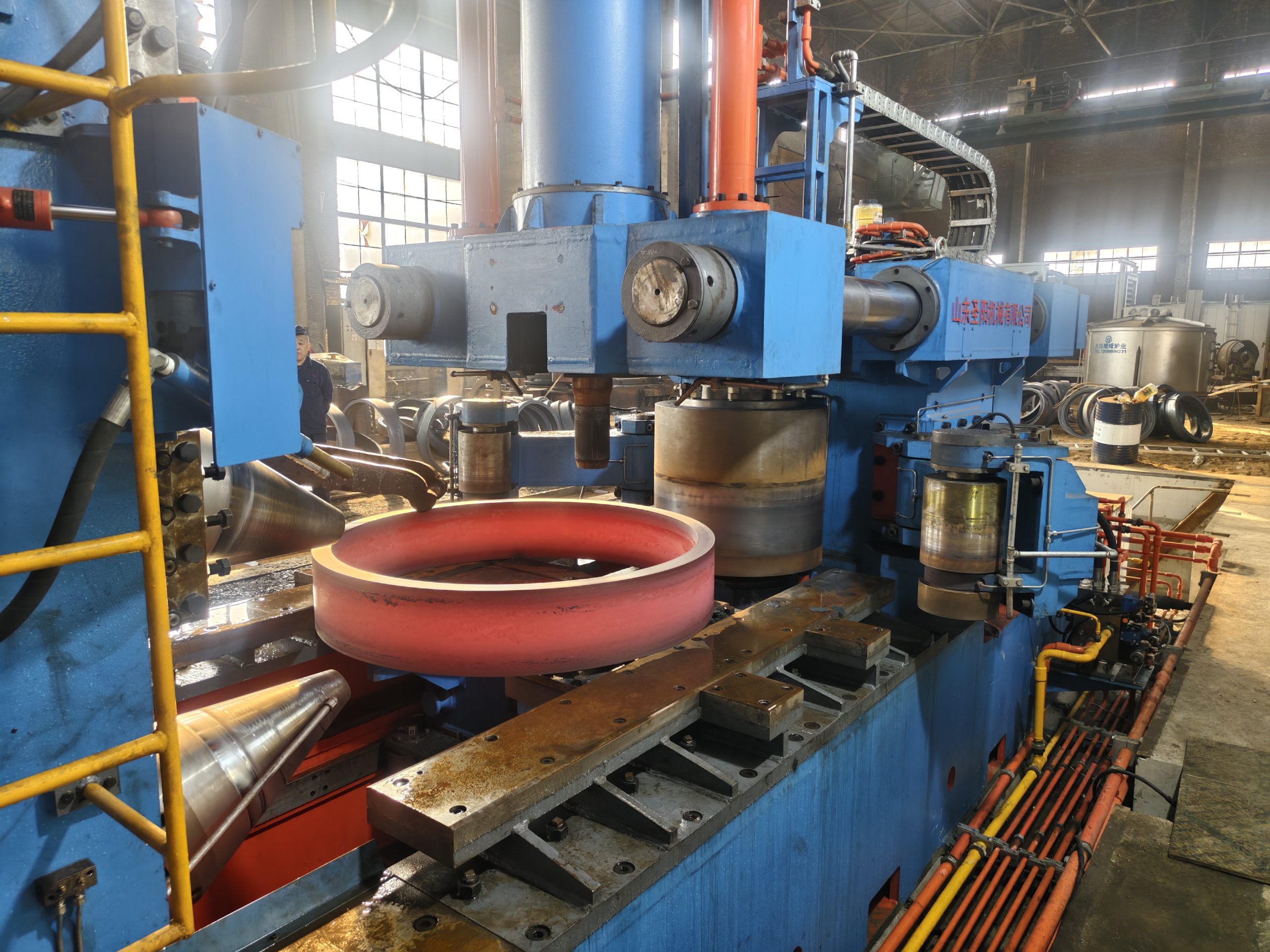
It all started, like many others, with a desire to save money. European machines for banding, rolling, boring - prices are astronomical. Chinese proposals looked like salvation. My first experience about 7 years ago was with a machine forhot forging rings. The box arrived and was collected. Externally, it’s a monolith, painting doesn’t even matter. But they started opening up the electrics... The wiring is a bit thin, the contactors are local and rather weak. I had to change it immediately.
Here is the main nuance that many people miss: China is not just one manufacturing country. There are giants likeDalian Machine Tool Group, whose heavy machines are quite up to par, and there are hundreds of small workshops that assemble whatever you want. The difference in price can be double, and it is not just like that. By buying the cheapest, you are essentially buying a set of hardware that you need to polish on your own.
That first machine, however, after replacing the electrical automation and a couple of hydraulic cylinders, worked for three years without serious complaints. The positioning accuracy along the axes was worse than stated, but for our tasks at that time - rolling rings for bearing races - it was enough. The conclusion was simple: budget 15-20% of the cost for finishing and don’t expect miracles.
The heart of any modern CNC is the control system. In China, two options dominate: in-house developments (often clones of Fanuc or Siemens) and licensed ones. If you see Syntec or KND in the description, these are local, fairly common systems. They work, but... The interface may be crooked, the documentation is in Chinese English, and the response to some G-codes is different than expected.
I once encountered a problem on a boring machine forbig ringsfrom a relatively unknown manufacturer. When trying to set complex interpolation around a circle with variable feed, the machine simply froze. It turned out that there was a bug in the controller firmware. The solution was found through a local expert, who upgraded the old version of the software for a fee. We lost two weeks of time.
Therefore, now my main criterion is the ability to deliver a proven system. Some respected Chinese integrators, by the way, meet halfway and install Siemens Sinumerik 828D or at least Fanuc 0i-TF for an additional fee. This changes things dramatically. Reliability increases by an order of magnitude, and it is much easier for a programmer accustomed to standard interfaces to work.
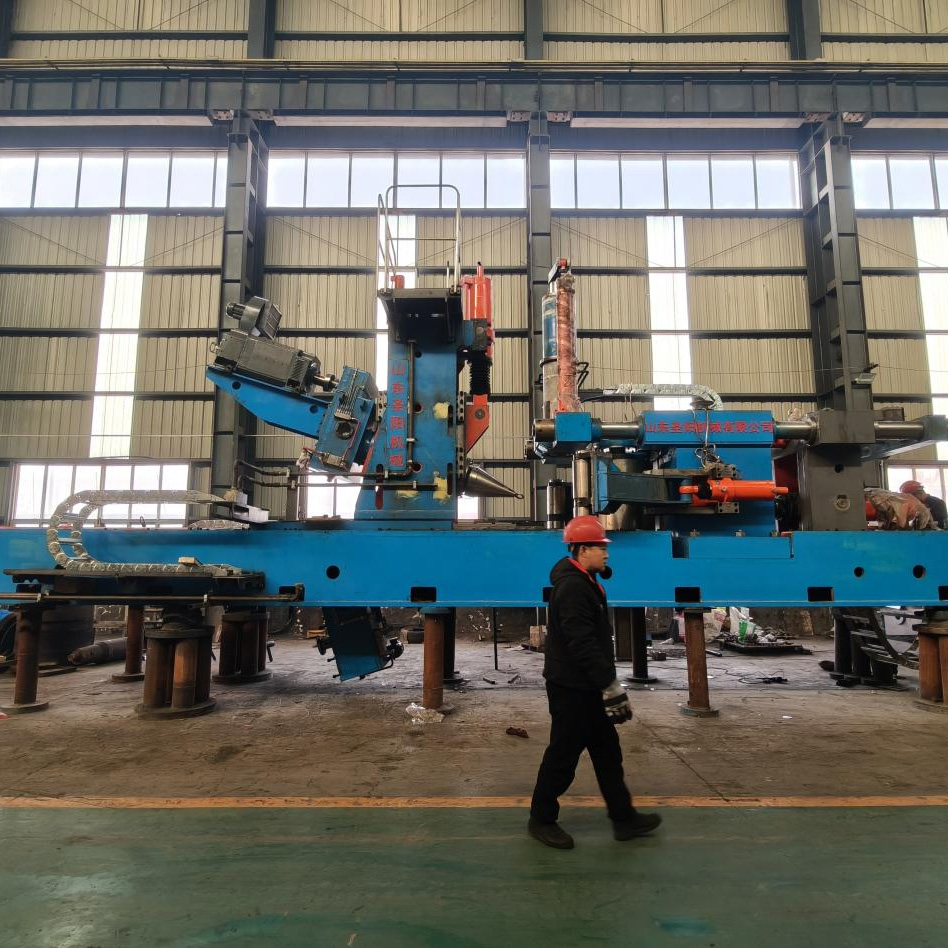
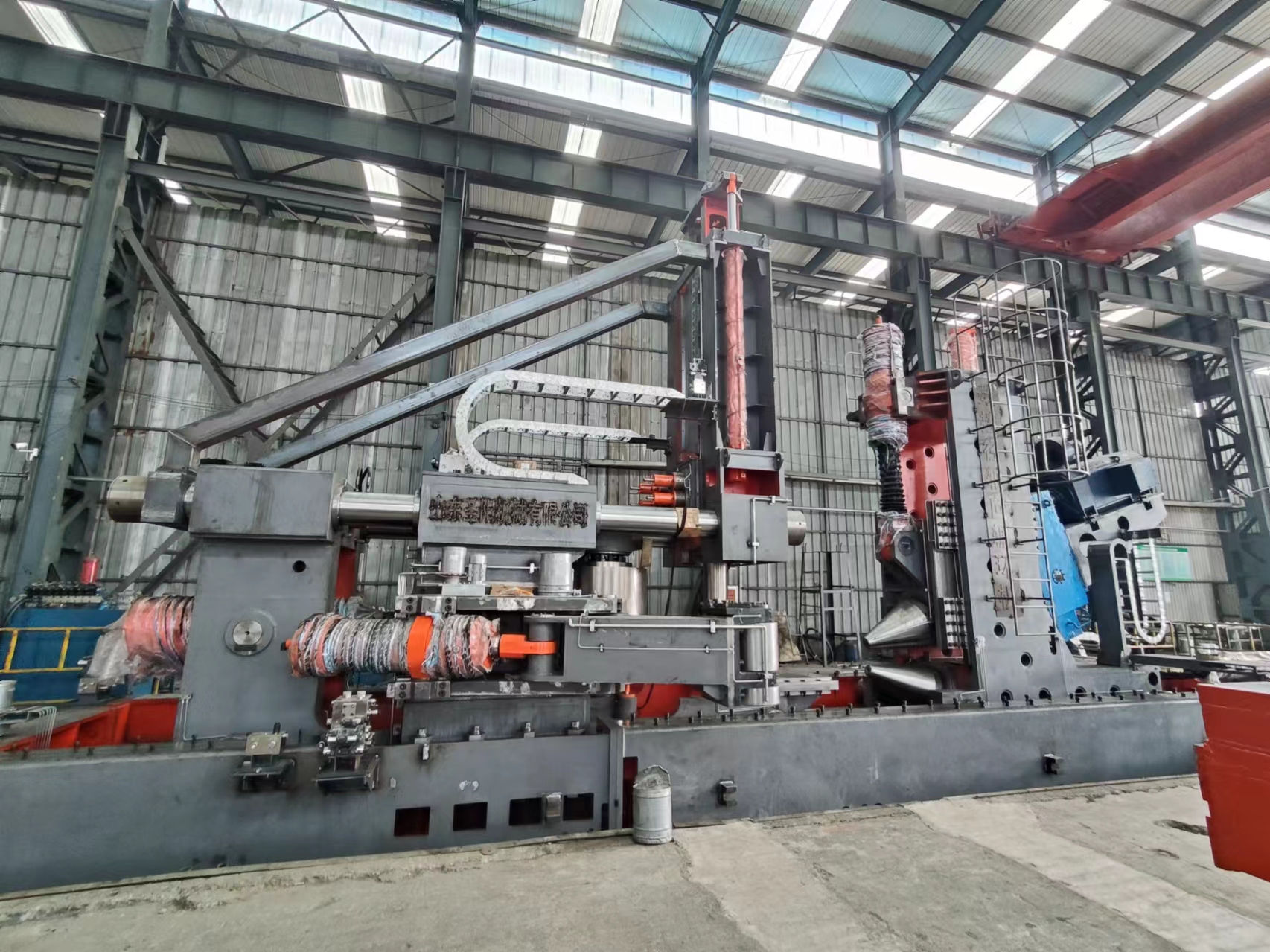
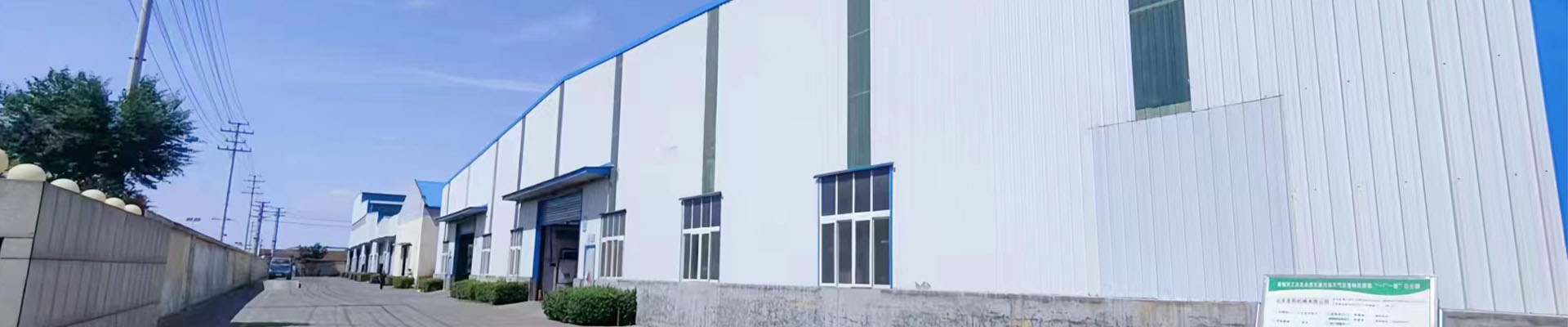
For example, I came across the siteShandong Shenyang Mechanical Equipment Co.,Ltd (https://www.shengyangjxgroup.ru). Their product range includes CNC ring rolling and boring machines. What is important is that they are positioned ashigh-tech enterprise. In reality, this often means that they have their own assembly plant and engineers, and not just a trading office. It’s easier to discuss technical specifications and improvements with such people. From experience, dialogue with such factories is more productive than with resellers on Alibaba.
The body, frames, guides - here the Chinese are often no worse than others. Cast iron, high-quality casting, Hiwin roller guides or analogues. The problem lies elsewhere - in assembly and calibration. The machine may arrive with unadjusted axes.
Mandatory post-installation history: checking the geometry with a laser interferometer. We once took a vertical machine for processing endsflange rings. After installation, the spindle runout was normal, but the perpendicularity of the Z axis to the table was floating. I had to call a specialist, remove the frame and grind the seats. The fault is not so much the manufacturer’s as the logistics: it was transported by sea, it was shaking, plus our installers could have made a mistake.
Another critical component is the gearbox on the main drive of rolling machines. Chinese gearboxes, especially for high torques, can be noisy and overheat. It’s better to check the brand right away. If it costs, for example, Nanjing High Accurate or SEW (which is often assembled in China under license) - that’s already good. If there is any noname marking, prepare for a possible replacement after a couple of years of intensive work.
I want to talk about one specific failure to make it clearer. We ordered a specialized machine for rolling teeth on the inner surfacering gears. Everything was discussed, the detailed terms of reference were sent. The machine arrived and was installed. And when they started to drive the first batch, there was a marriage. The teeth were obtained with variable pitch.
They began to figure it out. It turned out that the manufacturer (a small company from Guangzhou) used an inexpensive servo drive with a low-resolution encoder to position the index table. Under load, when the cutter crashed into the metal, elastic deformation occurred in the gear, but the feedback did not see this. The system thought that everything was ok, but in reality the table turned slightly.
The decision was a tedious one: we bought and installed a Yaskawa servo drive with a high-precision encoder at our own expense, soldered the connectors, and adjusted the parameters in the PLC. The cost of time and money ate up all the savings from the purchase. Lesson: For precision operations, especially those involving division, you cannot skimp on the positioning system. It is necessary to strictly require specific brands of key components to be specified in the contract.
Now my approach has changed. I do not divide machines into Chinese and non-Chinese. I divide them into those that are suitable for the task and those that are not. For rough operations - pre-rolling, stripping - you can take an inexpensive option from a proven assembler, immediately setting aside a budget for reinforced electrics. For finishing, critical work - only proven brands or a hybrid option: Chinese mechanics + European/Japanese control system and drives.
And one more piece of advice that is difficult to overestimate: be sure to go to the reception. Not to a beautiful showroom, but to an assembly shop. Watch how the installation is carried out, what components are in the boxes, what tools the assemblers use. Once such a trip saved us from making a purchase: we saw that for a machine that weighed a ton and weighed a ton, the frame was made from ordinary structural steel, and not from cast iron. Accordingly, there would be no rigidity.
Overall, the market has matured. Chinese CNC machines for rings are no longer a lottery, but a tool that requires a competent and thoughtful choice. You need to clearly know your technical processes, weak points and be ready to participate in fine-tuning. If done correctly, you can get a very favorable price-function ratio. If you only chase a low price, you will end up with a complete headache, as in that story with the dividing table.