Email support
syjx@shengyangringrollingmachine.com

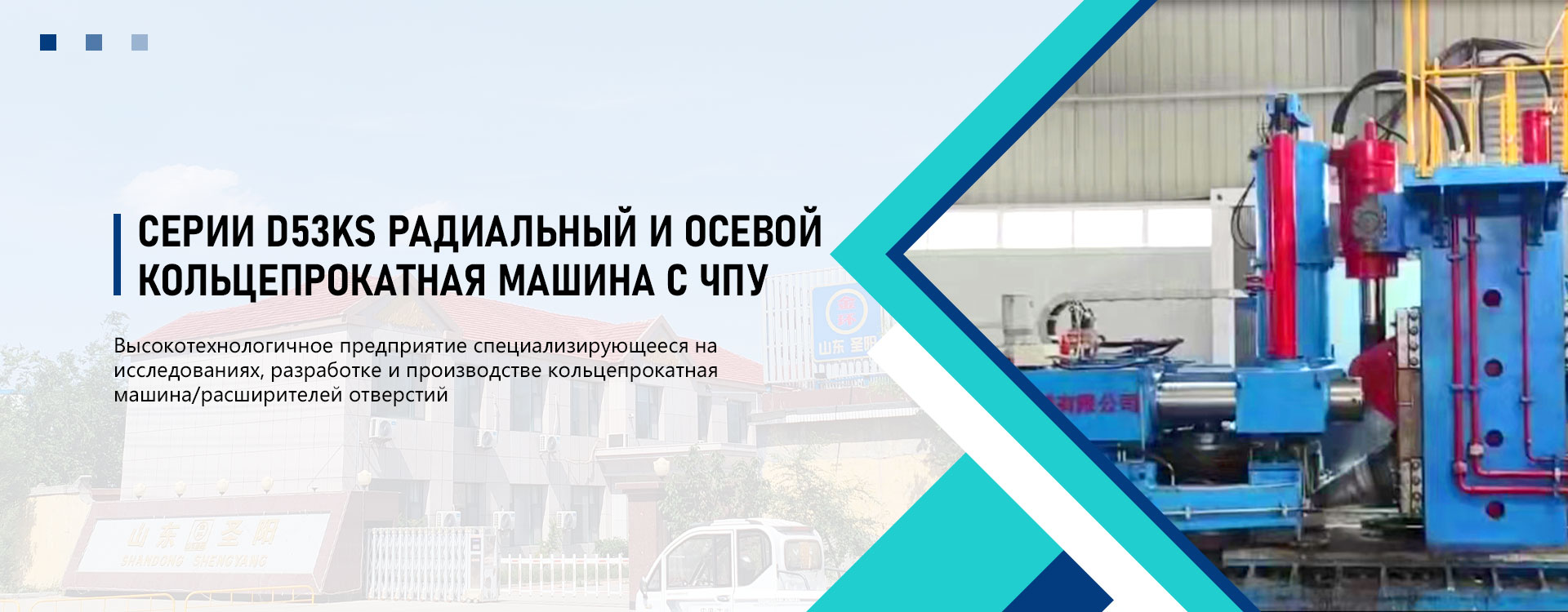
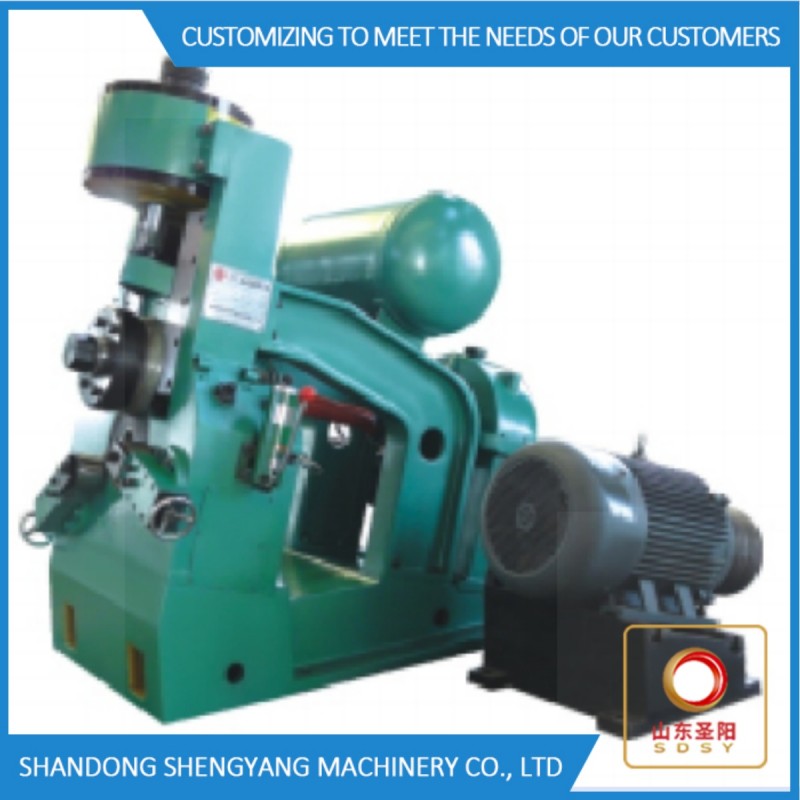
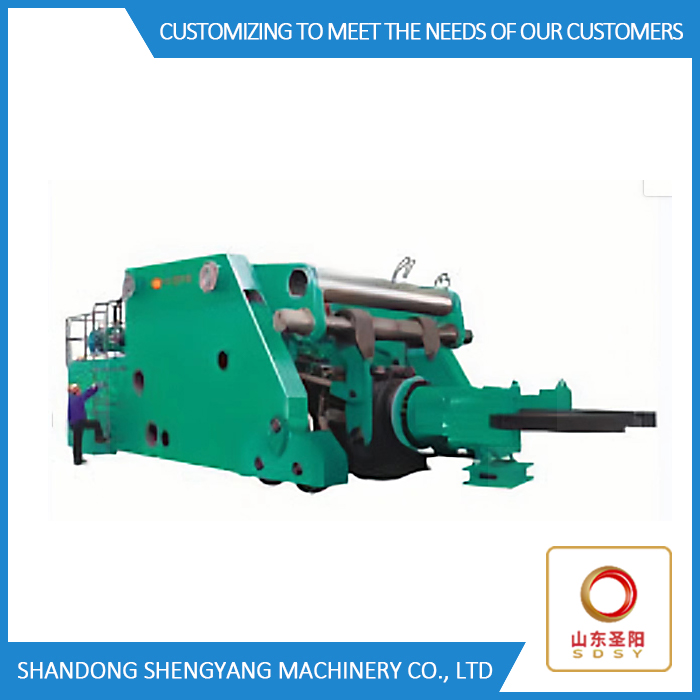
CNC axial ring rolling machine
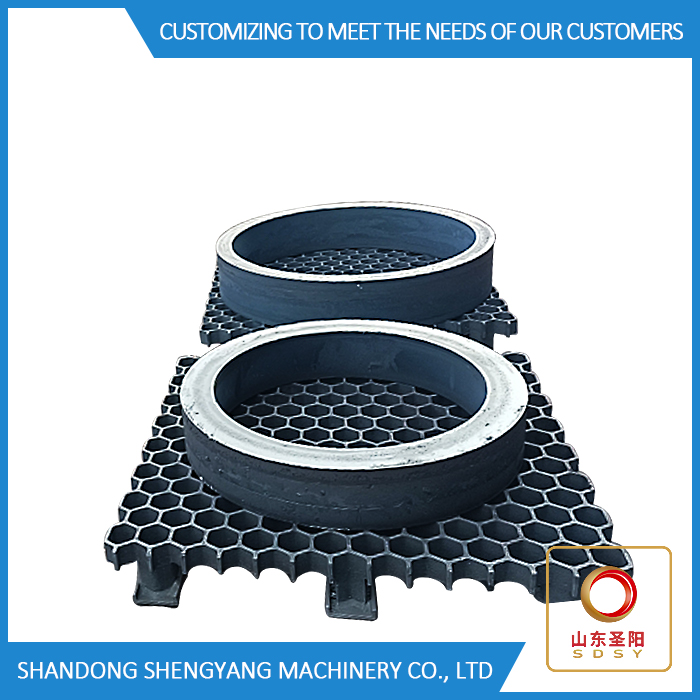
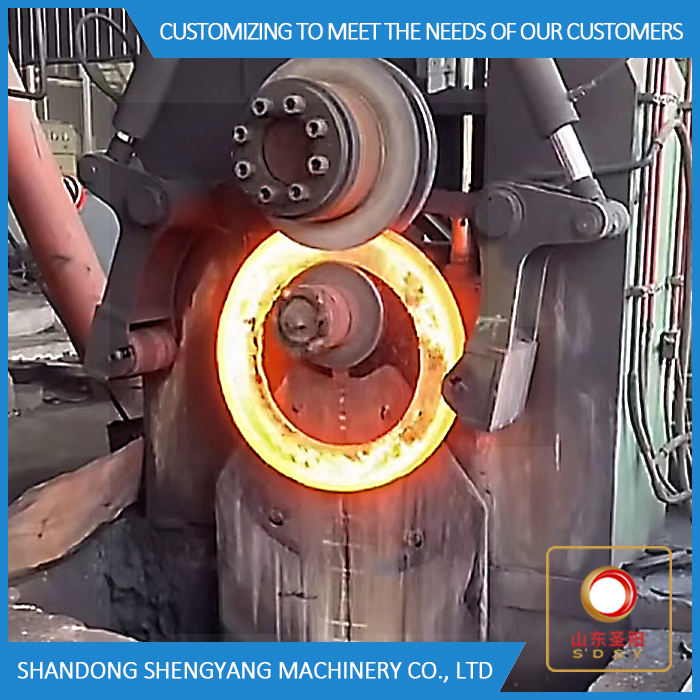
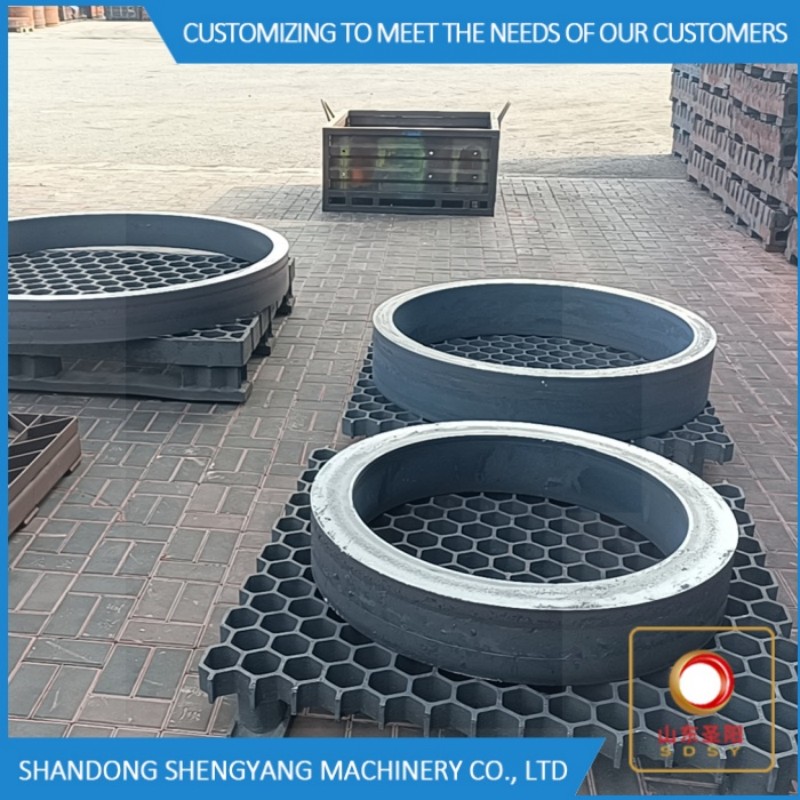
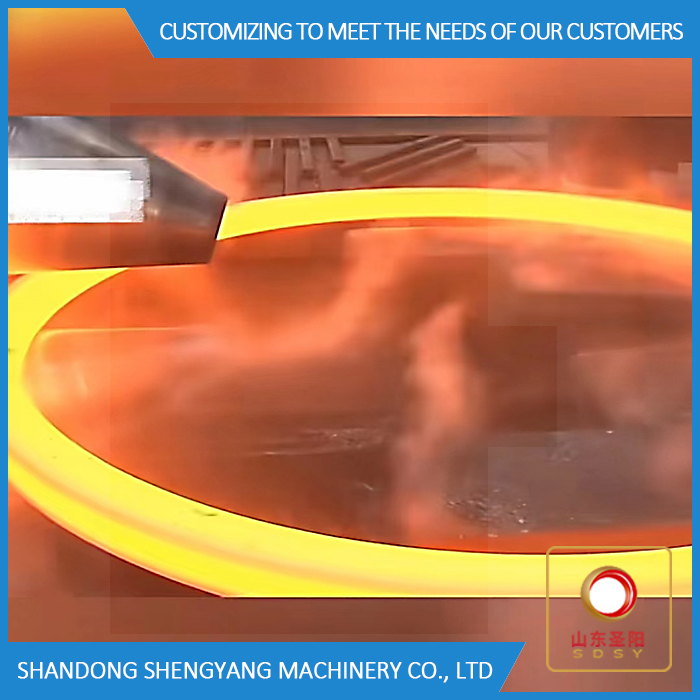
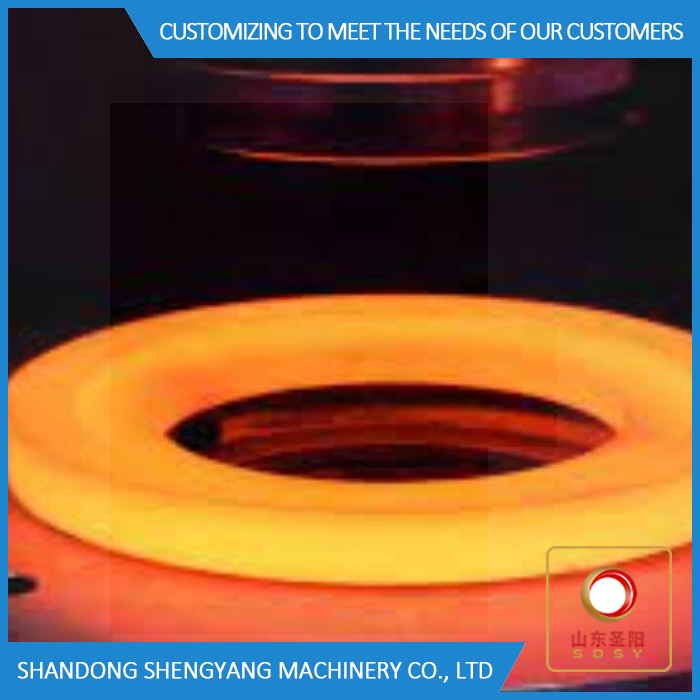
A CNC axial ring rolling machine is a modern and sophisticated device that allows the production of complex metal products in the form of rings. Imagine a giant pressing machine that can not only compress, but also give metal the desired shape. This machine is a real workshop for creating rings, from simple ones to high-tech ones, such as parts for spacecraft or medical implants.
Operating principle of the machine
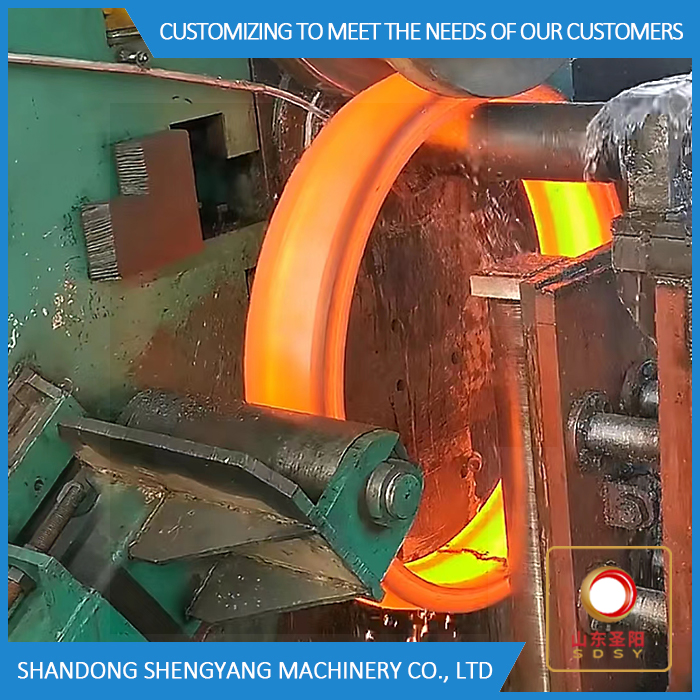
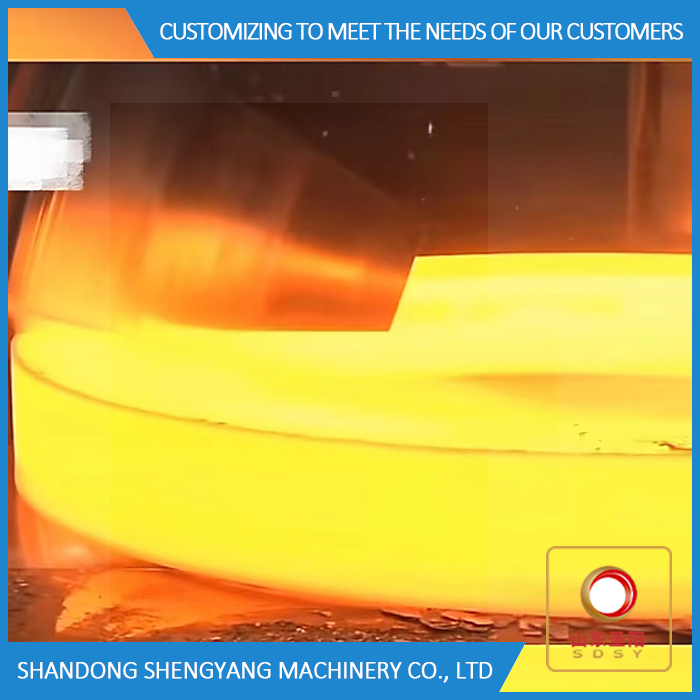
The operation of the machine is based on precise and controlled pressure that is applied to the metal workpiece. Using CNC (Computer Numerical Control), the machine accurately reproduces the given shape. It is based on the principle of axial rotation - a metal workpiece, as if tied around a spindle, is successively subjected to deformation, turning into the desired ring. Built-in sensors monitor the accuracy of the process, ensuring high quality finished products and preventing defects. All machine actions are controlled and adjusted by a computer, making the process more efficient and less labor-intensive.
Benefits of using CNC
The use of CNC gives the work a number of significant advantages. Firstly, high accuracy. The machine ensures consistent reproduction of the shape and dimensions of the product, which guarantees compliance with strict quality requirements. Secondly, process automation. The operator mainly controls the process, and the machine does the main work, which saves time and human resources. Thirdly, the ability to create complex shapes. The machine can produce rings with a variety of complex profiles, which expands production capabilities. And finally, the ability to reconfigure. The machine can be reconfigured relatively easily to produce different parts, making it flexible and versatile.
The future of CNC ring rolling machines
In the future, CNC axial ring rolling machines will be even more advanced. Advances in software and control technology will provide increased accuracy and productivity. Perhaps there will be new materials that can be processed on these machines, and therefore new areas of their application. The development of artificial intelligence can make a significant contribution to process automation and optimization, making machine operation even more reliable and accurate. The future belongs to intelligent machines capable of not only reproducing, but also developing the production process.