Email support
syjx@shengyangringrollingmachine.com


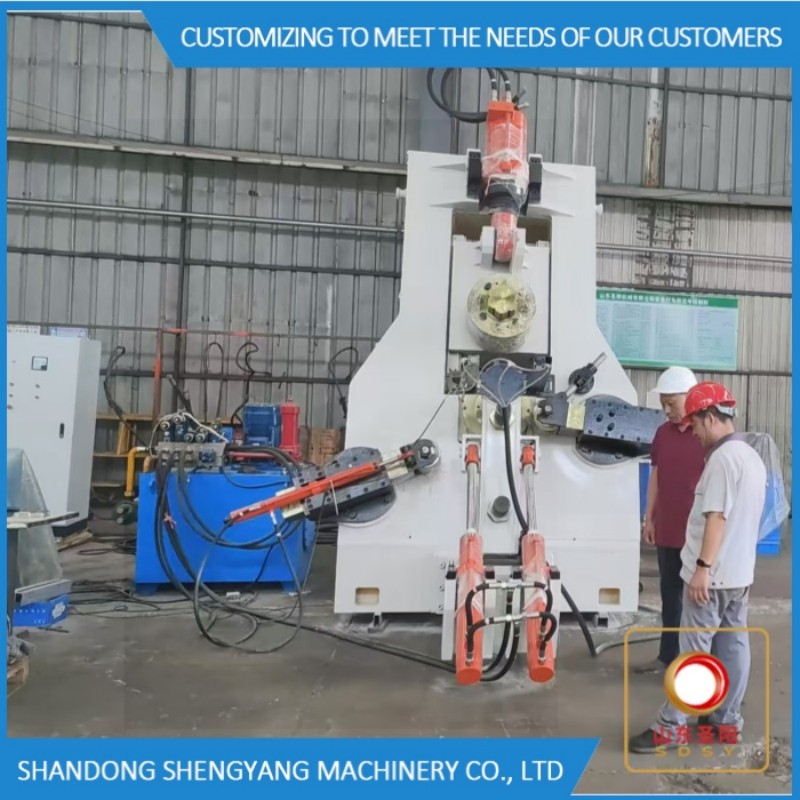
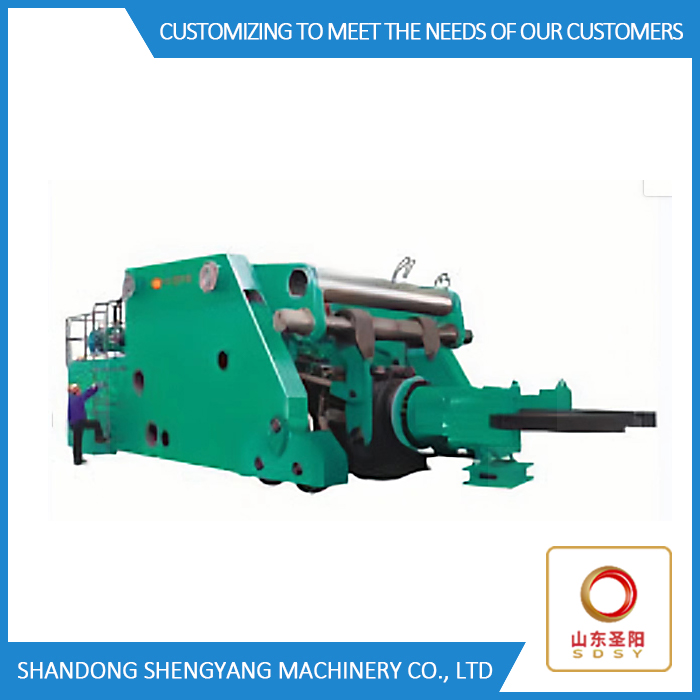
Hydraulic Hot Forging Press
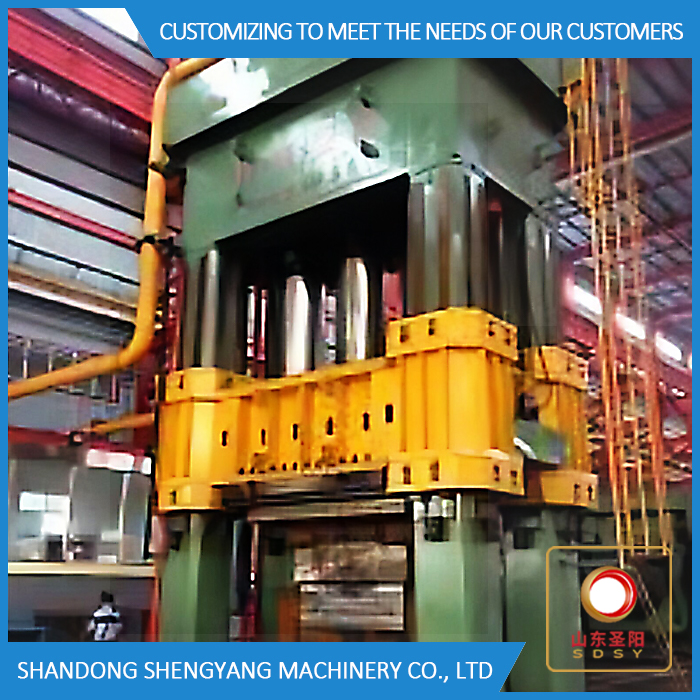
A hydraulic press is a powerful tool that is used for metal processing. Imagine a giant hand capable of squeezing and deforming hot metal into the desired shape. This process, called hot forging, is used in the production of a variety of products, from automobile parts to kitchen utensils. But how exactly does this giant mechanism work?
Operating principle of a hydraulic press
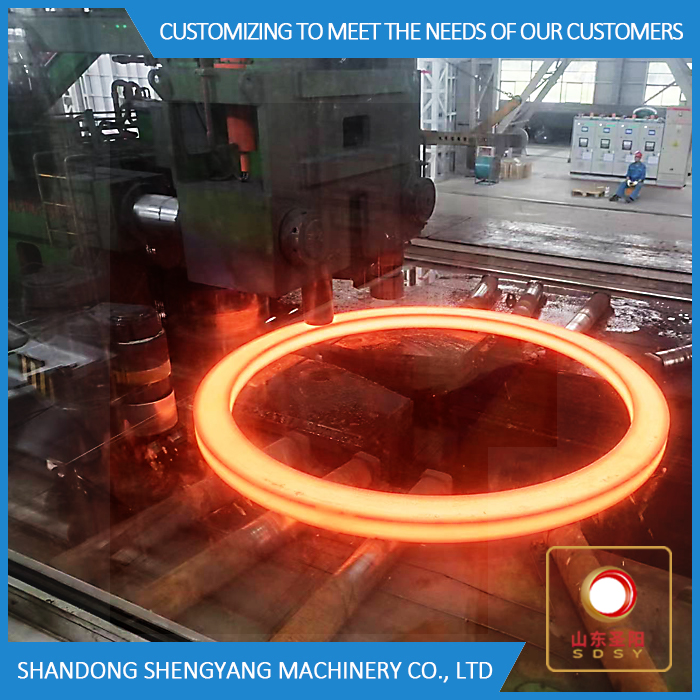
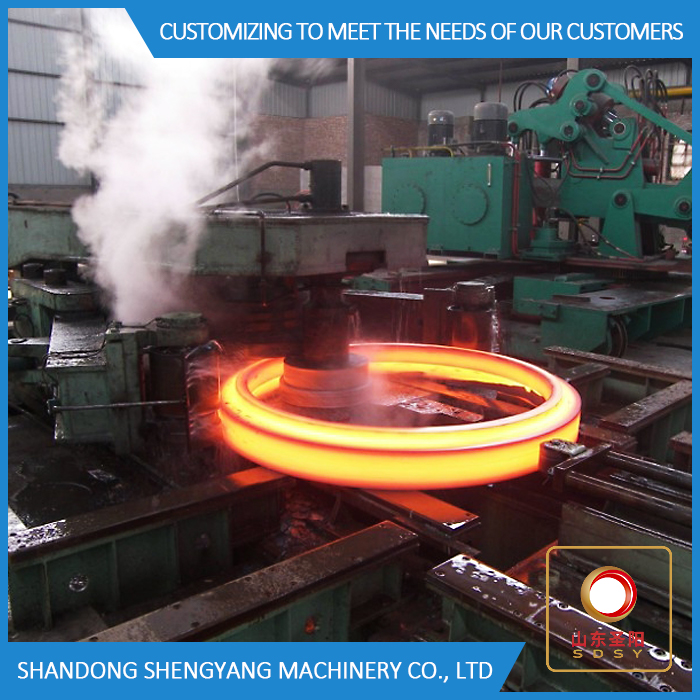
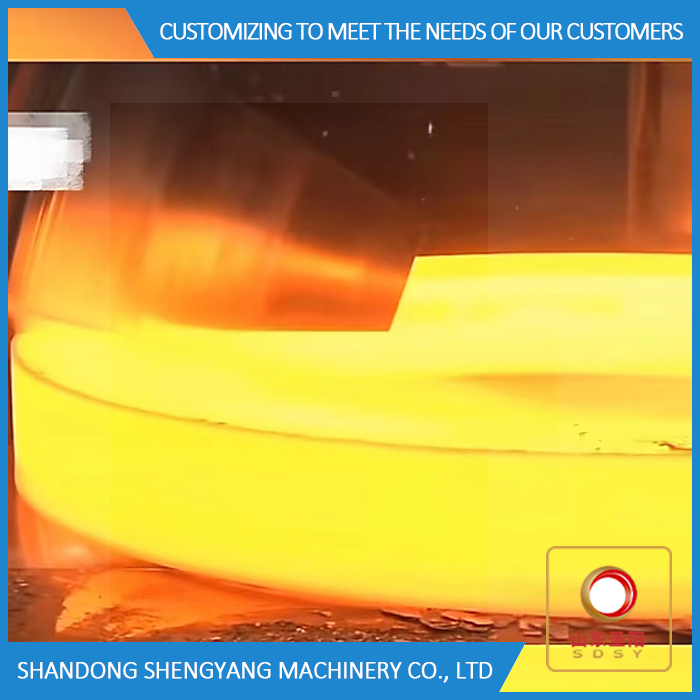
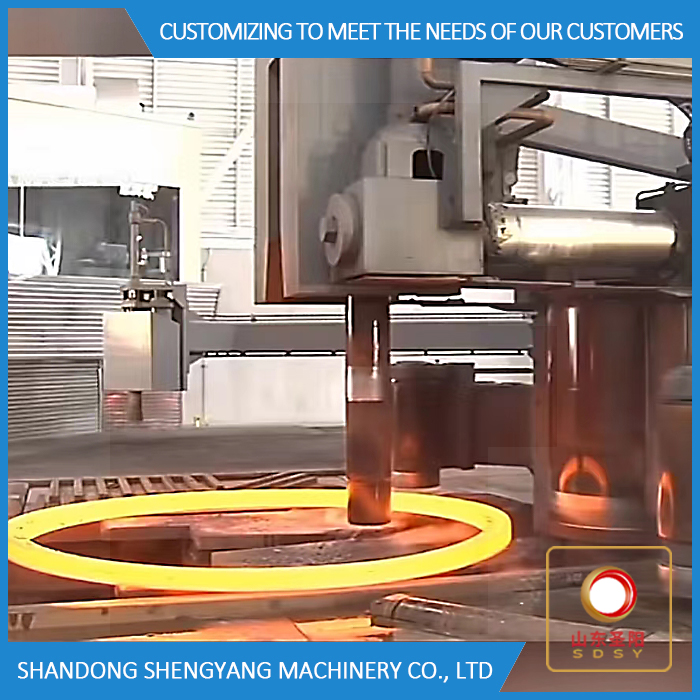
The hydraulic press is based on Pascal's principle. A small force applied to a small piston is converted into a large force on a large piston, which compresses the metal. Hot metal, heated to a high temperature, becomes plastic and pliable, allowing the press to form the desired shape. It's like plasticine, which easily takes any shape, but when cooled, retains it. The peculiarity of hot forging is the ability to create a part with higher accuracy and quality than with cold working.
Advantages of hot forging
Hot forging has a number of advantages. Firstly, the metal becomes more ductile, which makes it possible to create complex and precise parts. Secondly, high temperature provides a more even distribution of stress, which minimizes the possibility of cracks and other defects. Thirdly, this process increases the strength and durability of the final product. Think of steel car parts - they must withstand enormous loads, and hot forging provides the highest quality for these tasks.
Applications
Hydraulic hot forging presses are used in a wide variety of industries. This includes mechanical engineering, the production of machine tools, and the creation of architectural elements. Each area uses different types of presses, adapted to specific tasks and workpiece sizes. From large factories to small workshops, hot forging is an integral part of the production of metal products with increased requirements for strength and precision.