Email support
syjx@shengyangringrollingmachine.com

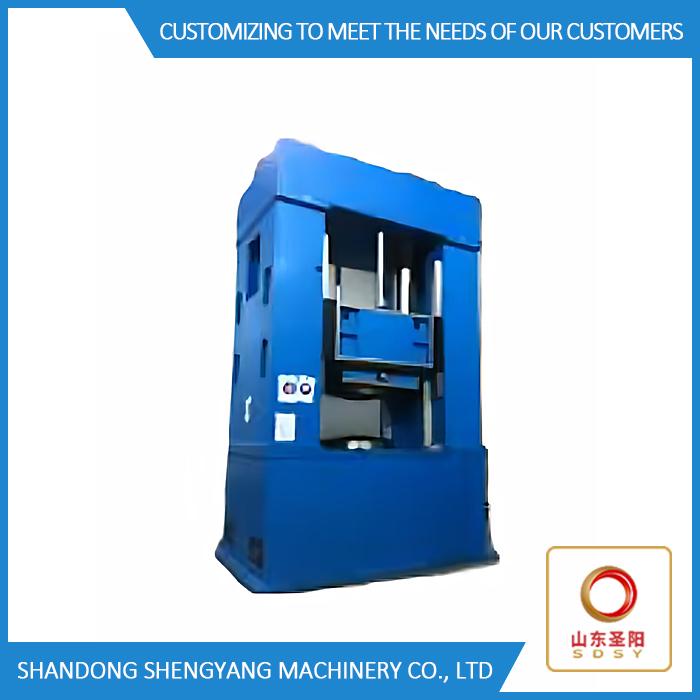
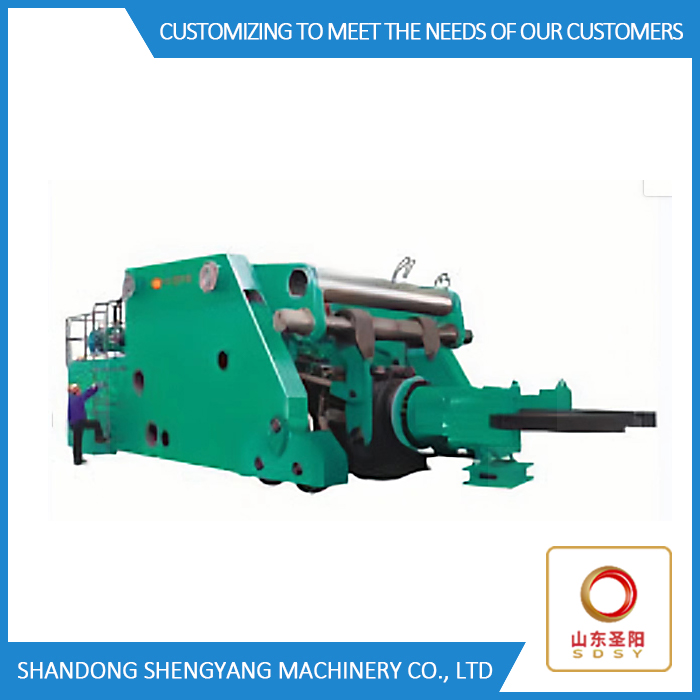
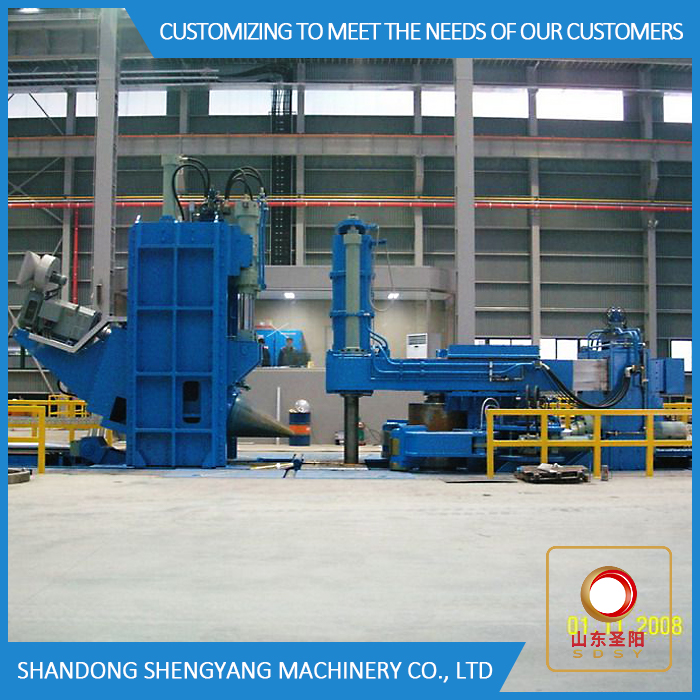
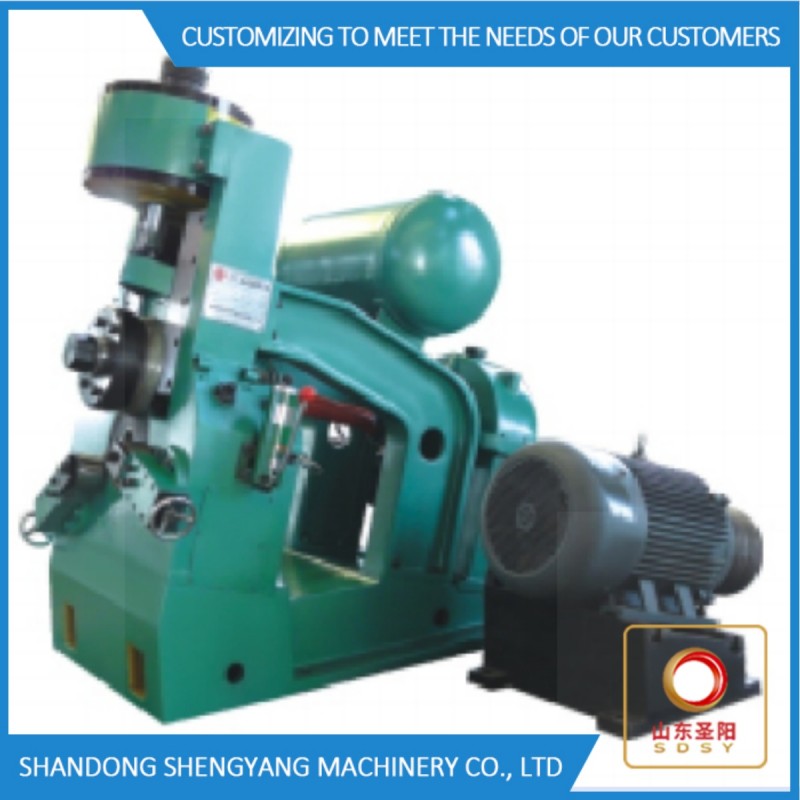
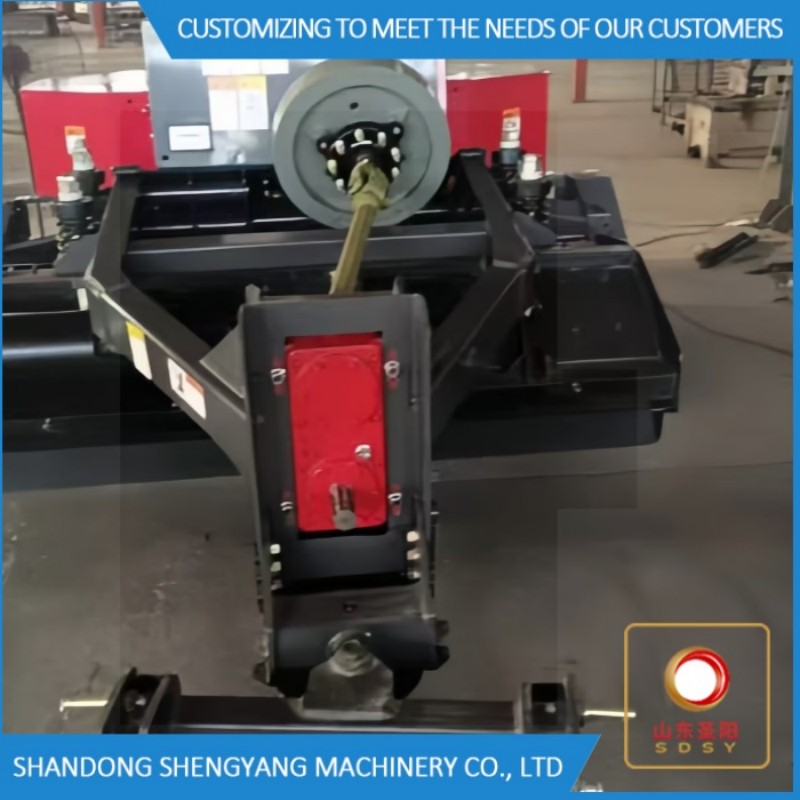
Vertical Rolling Machine for Metal Ring Forming
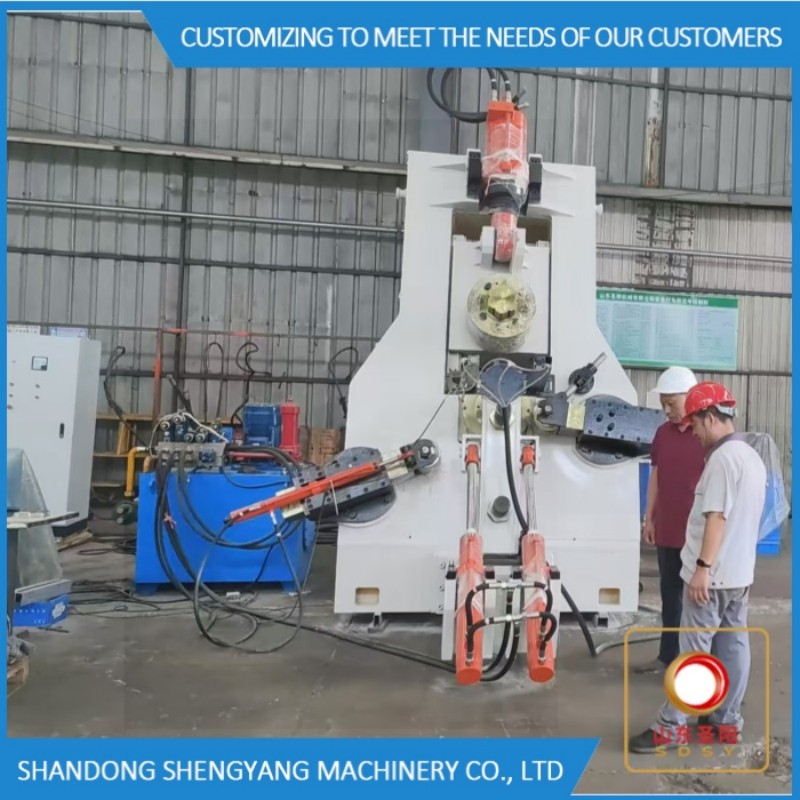
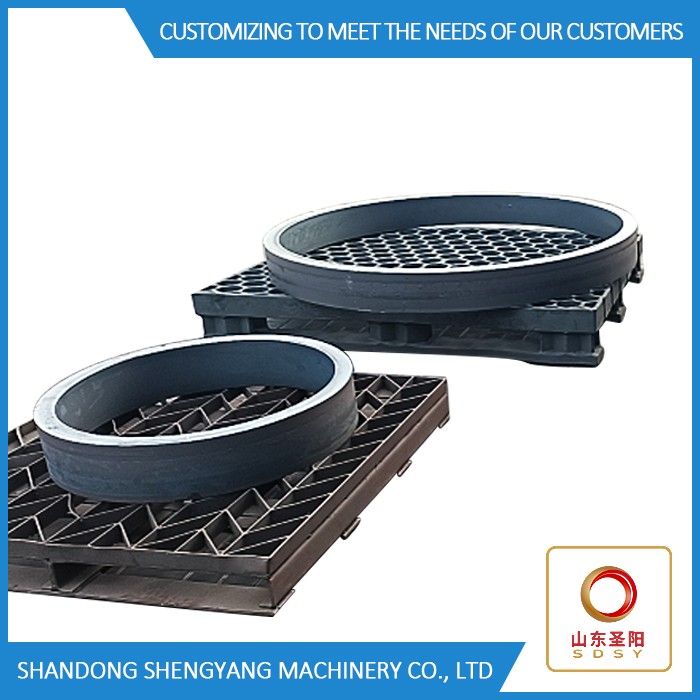
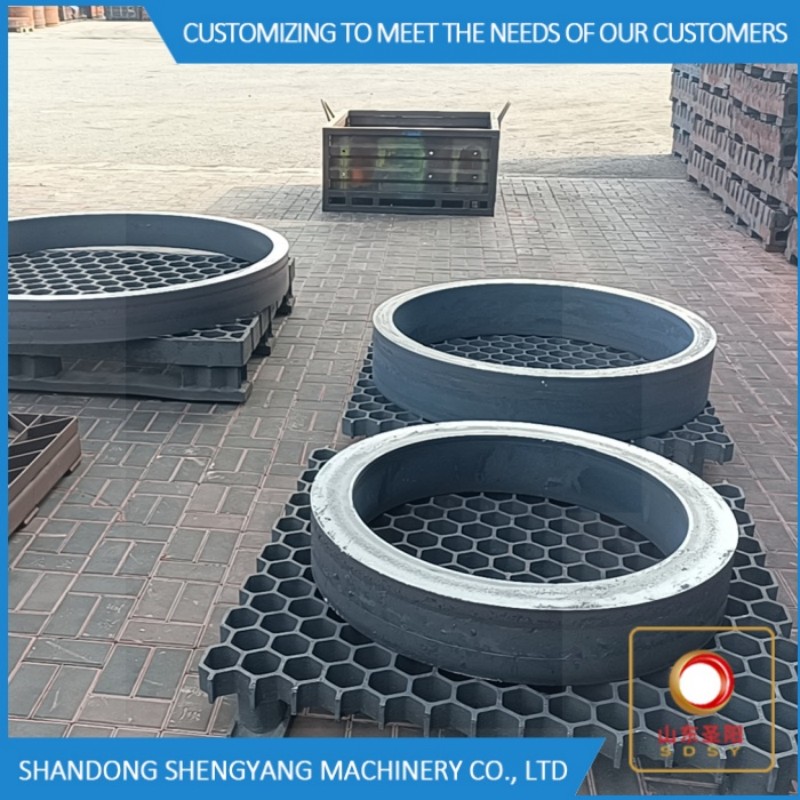
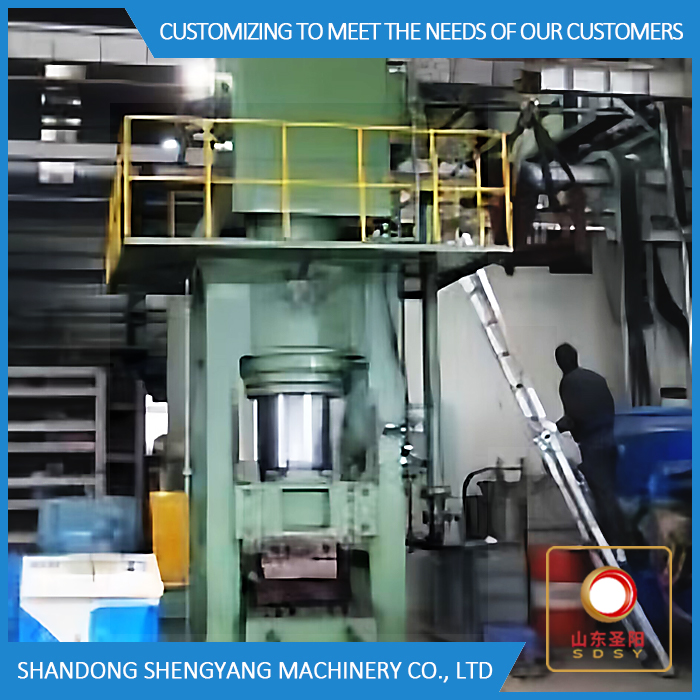
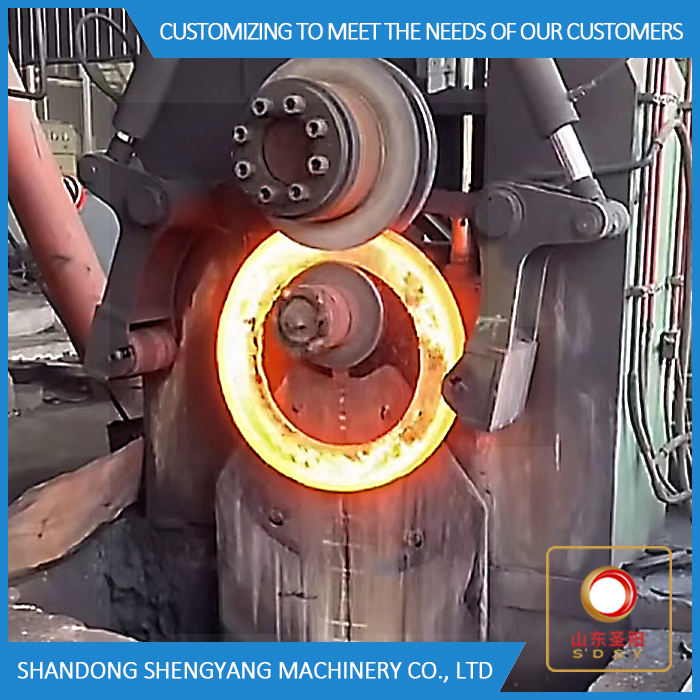
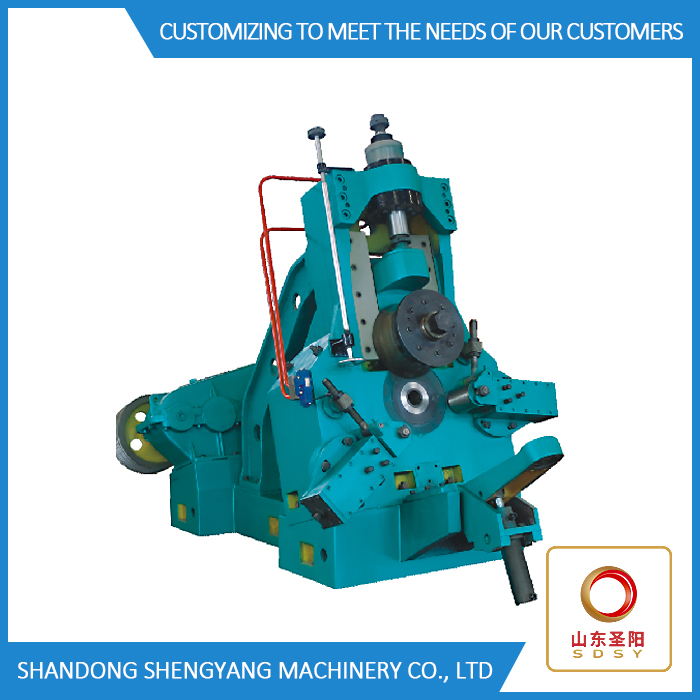
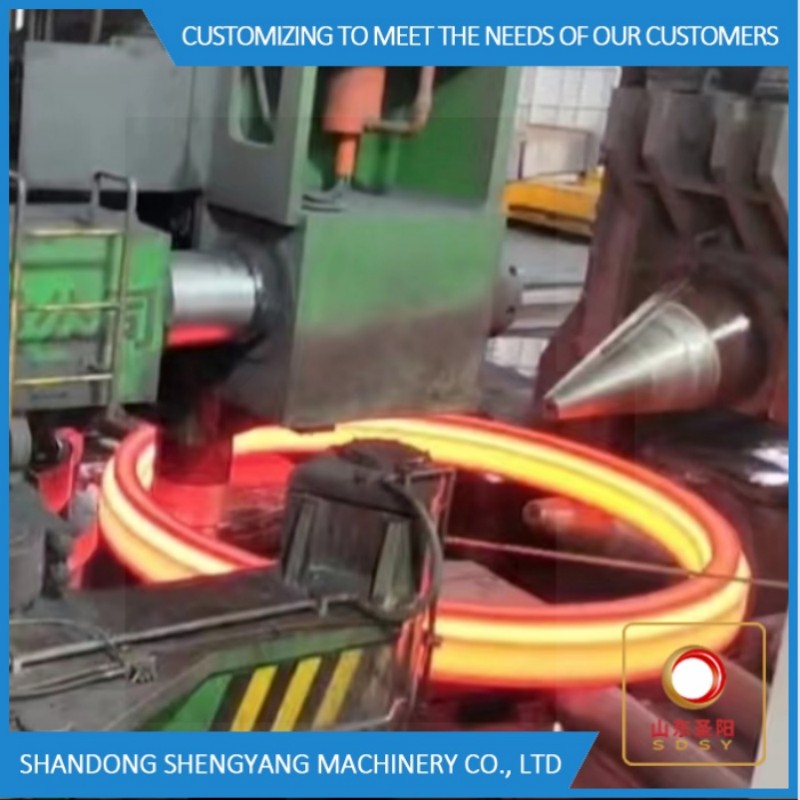
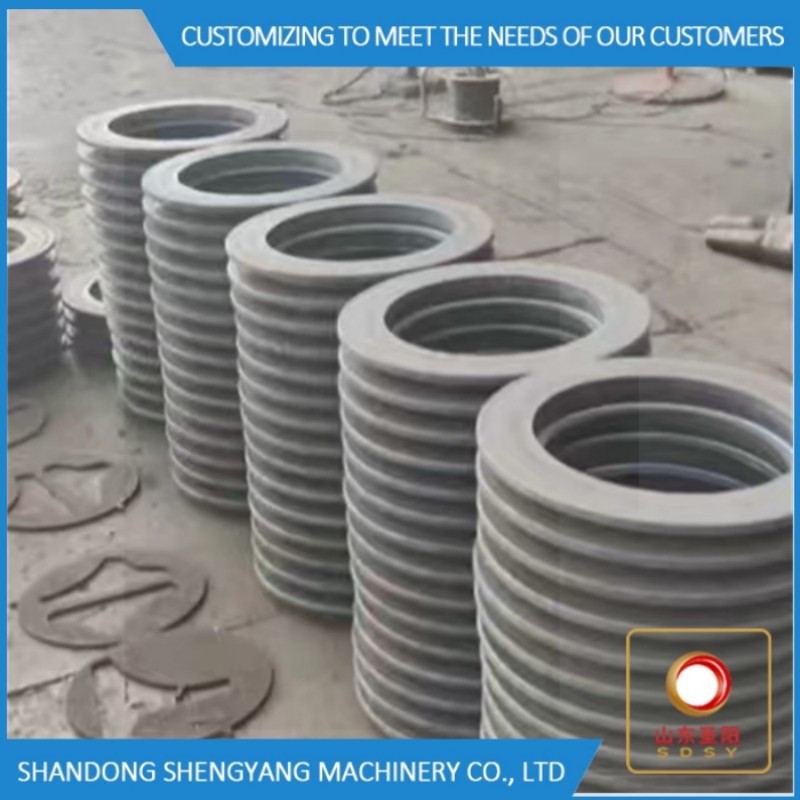
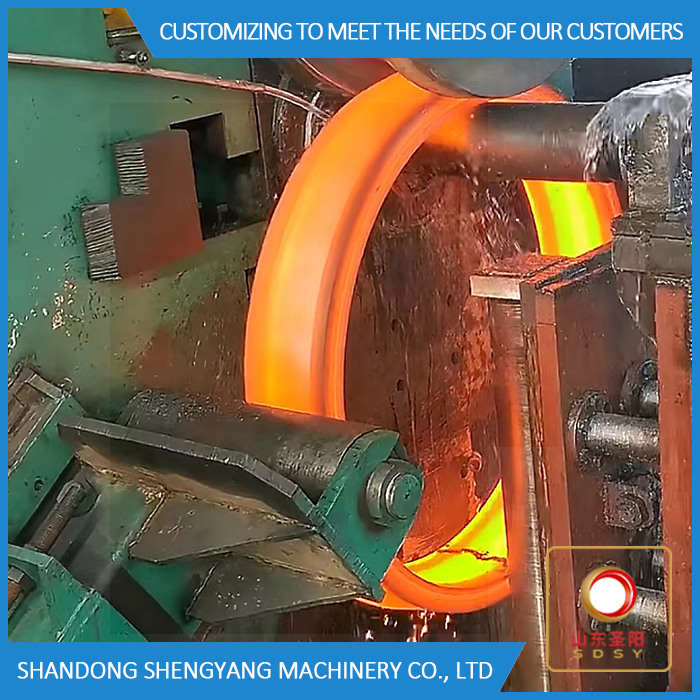
Vertical rolling machines are indispensable assistants in modern production. They allow you to create metal rings of various sizes and configurations with high precision and efficiency. Imagine that you want to get a neat, even ring from a sheet of metal - this is exactly what this equipment is used for. The process occurs thanks to special rollers, which, like a giant vice, gradually deform the metal, giving it the desired shape.
Operating principle and advantages
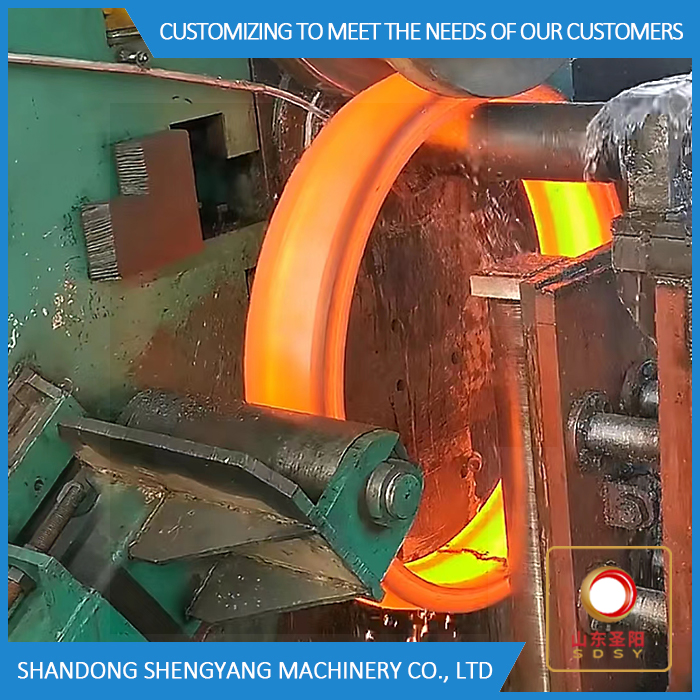
The machine works on the principle of sequential compression of metal between rolls. The metal sheet placed in the machine is gradually pushed through the rotating rollers. The rollers, due to their shape and pressure force, force the metal to take the shape of a ring. The key advantage of vertical machines is the accurate reproduction of the shape and size of the ring. This means that you receive a highly accurate product, ready for further processing or direct use. The machine's settings allow you to vary the thickness and diameter of the ring, which makes it a universal tool for a variety of tasks. Overall, the process takes less time than traditional methods and saves production resources.
Varieties and applications
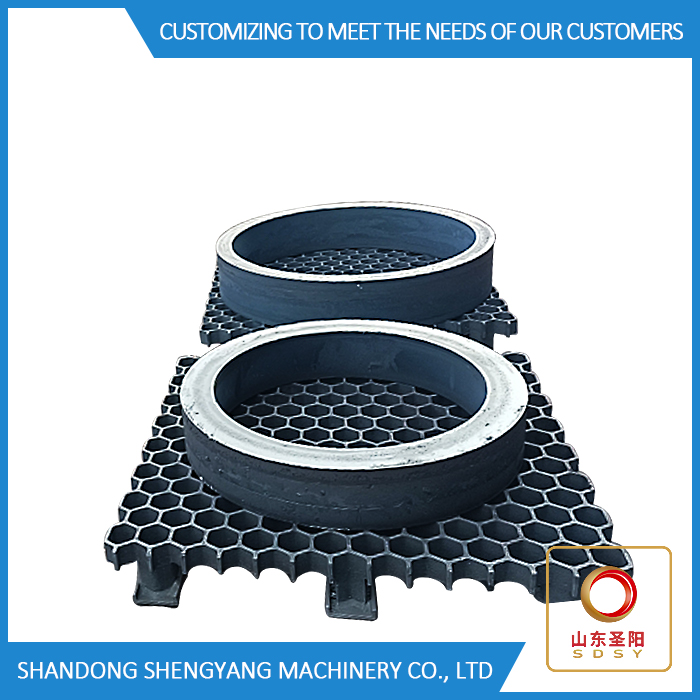
There are different models of vertical rolling machines that are adapted to different types of metals and required ring sizes. For example, some machines are great for making rings out of steel, others are great for making rings out of aluminum. It all depends on the expected load and the properties of the material used. These machines are actively used in various industries: from mechanical engineering and automotive manufacturing to household appliances and the production of decorative elements. For example, making bearing rings, decorative rings or compressor rings are all possible with these machines. Essentially, these machines help save resources and time and also produce high quality products.
The future of vertical rolling machines
Technologies are constantly evolving. In the future, we can expect even greater automation of processes, which will allow even more precise control of the ring formation process and reduce the likelihood of defects. It is possible to introduce artificial intelligence systems capable of analyzing metal and automatically adjusting machine parameters to achieve the best result. This will lead to even greater precision and efficiency in the production of metal rings, which will help reduce costs and improve product quality in various industries.