Email support
syjx@shengyangringrollingmachine.com

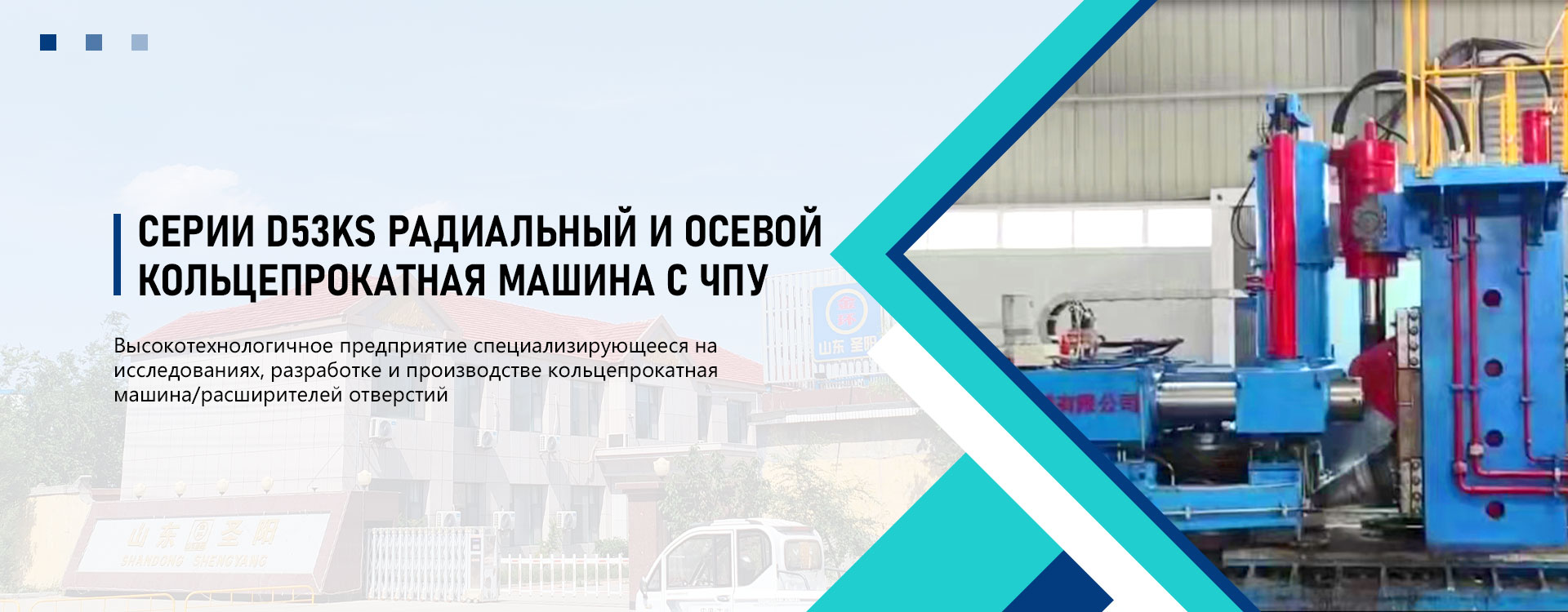
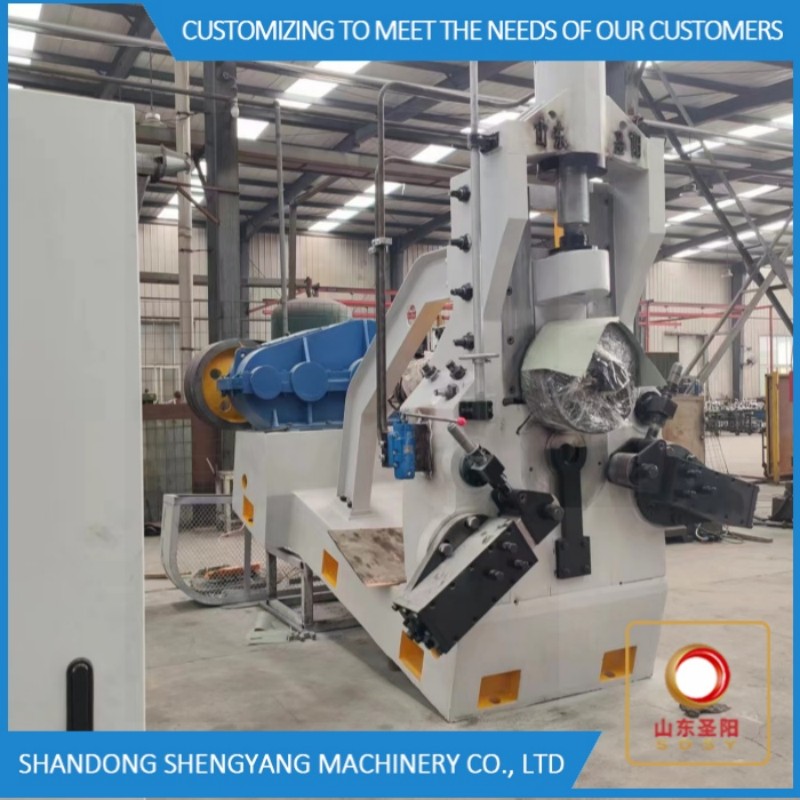
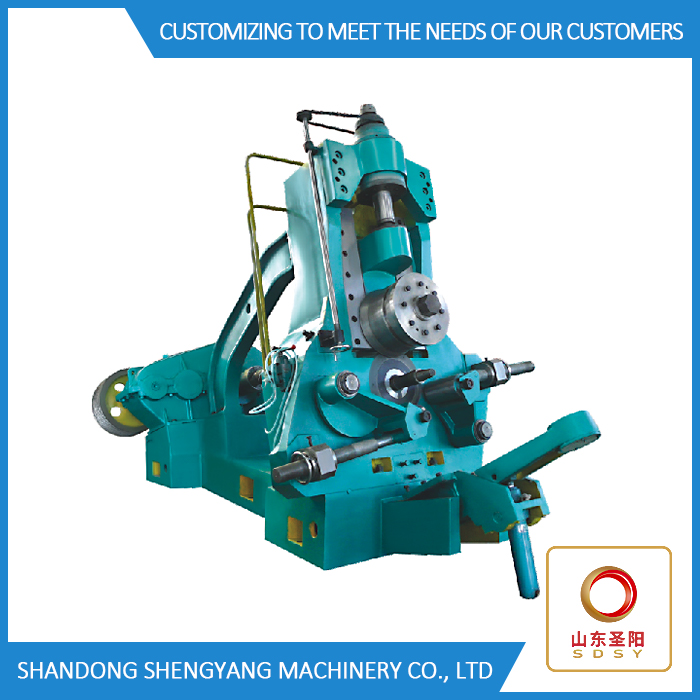
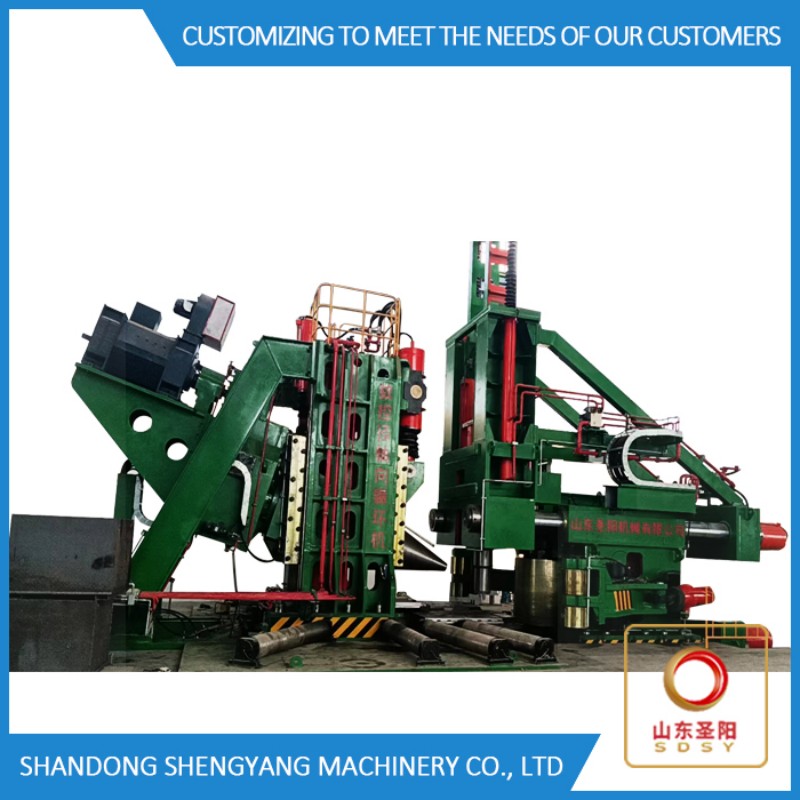
Axial ring rolling machine
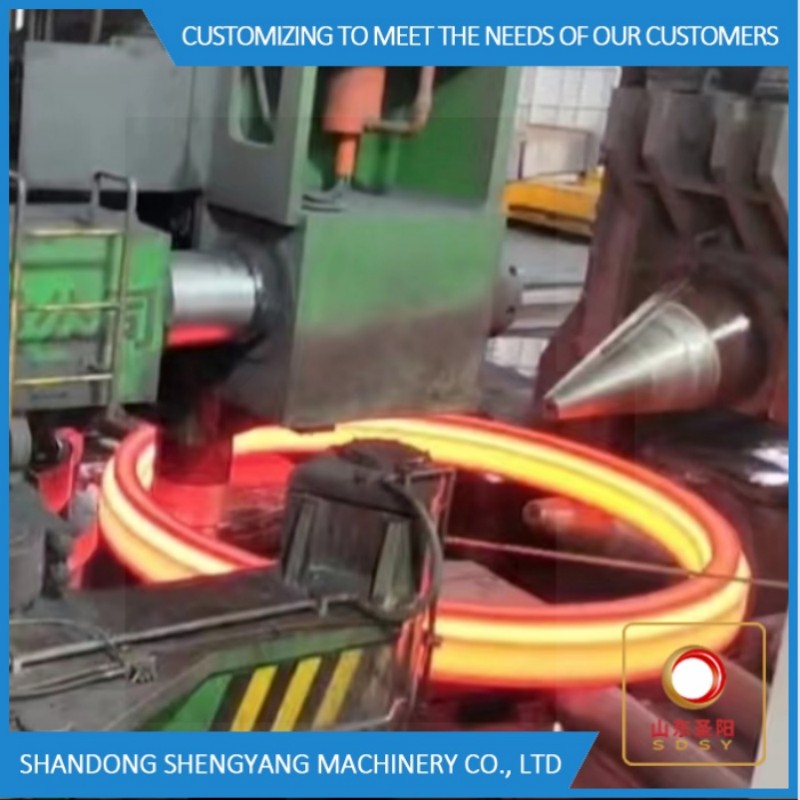
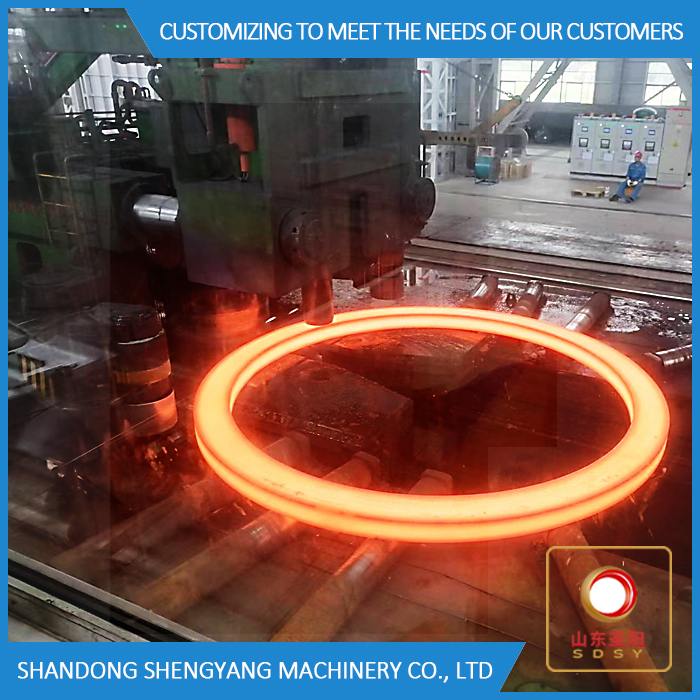
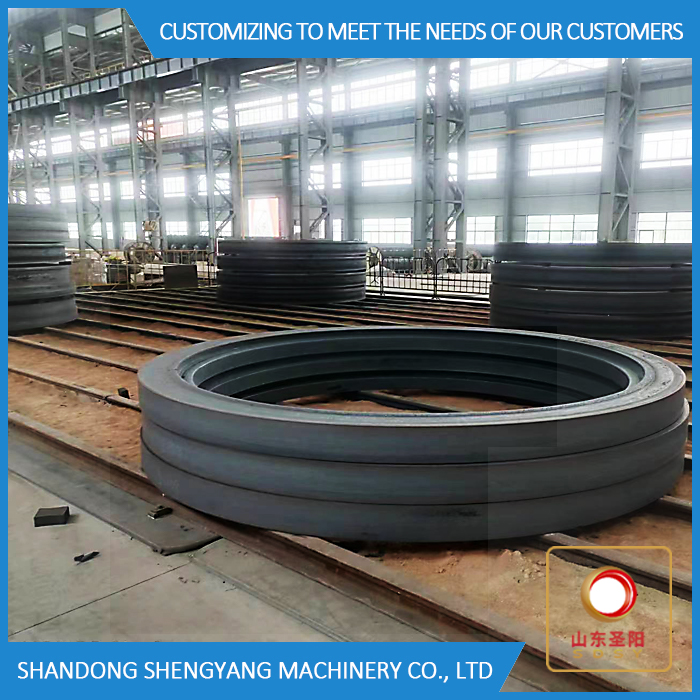
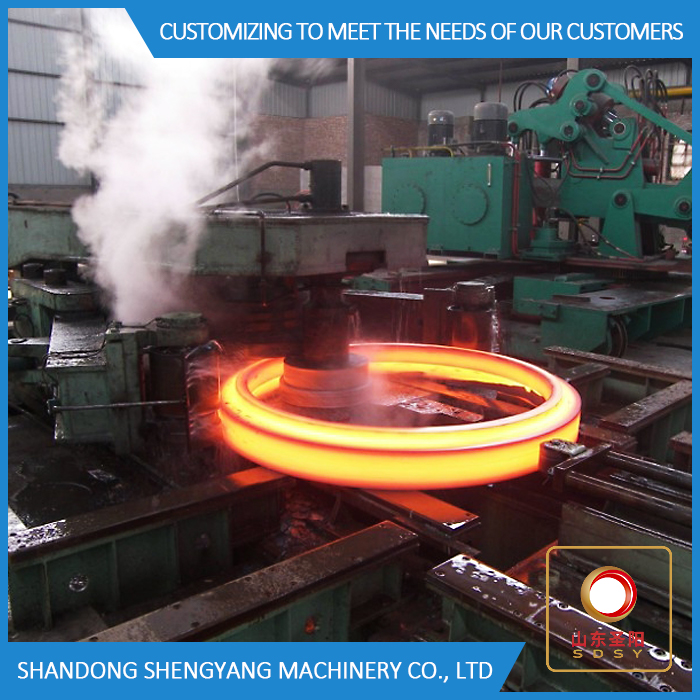
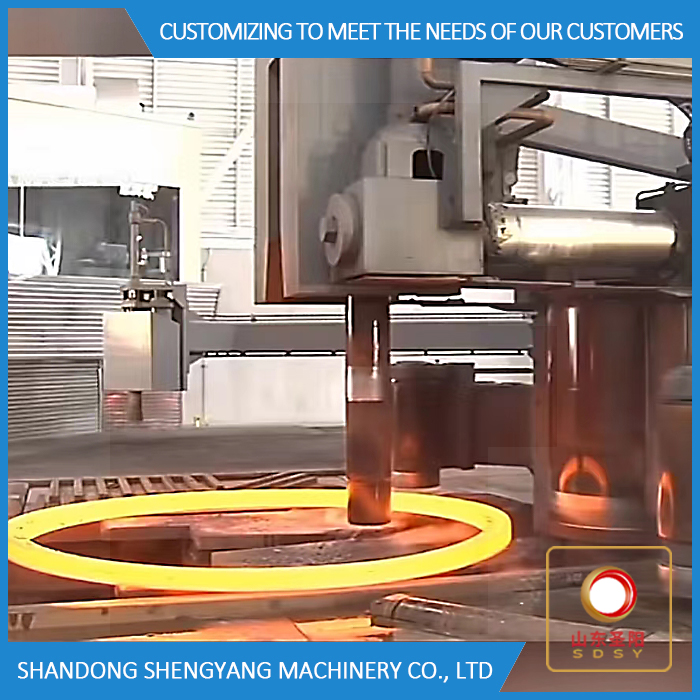
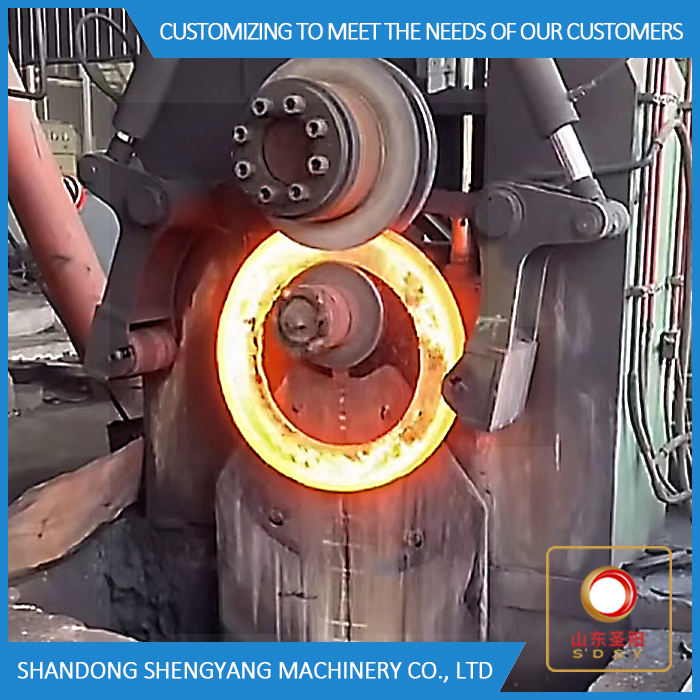
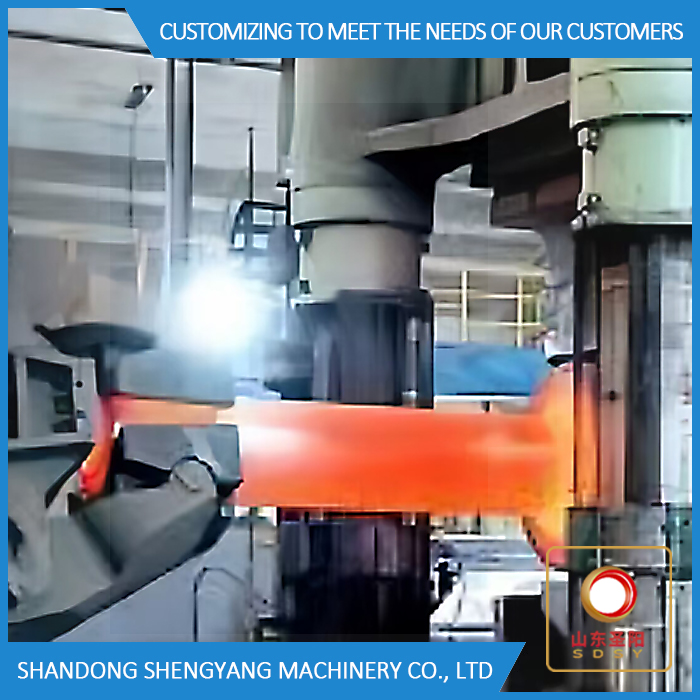
An axial ring rolling machine is a complex but important piece of equipment used in metallurgy to produce rings, pipes and other complex shaped parts. Imagine a giant press capable of squeezing and pulling metal into the desired shape. This machine operates on the principle of axial loading, that is, pressure on the metal is exerted along the axis of the rotating ring. This allows you to obtain parts of high precision and uniform thickness.
Design and principle of operation
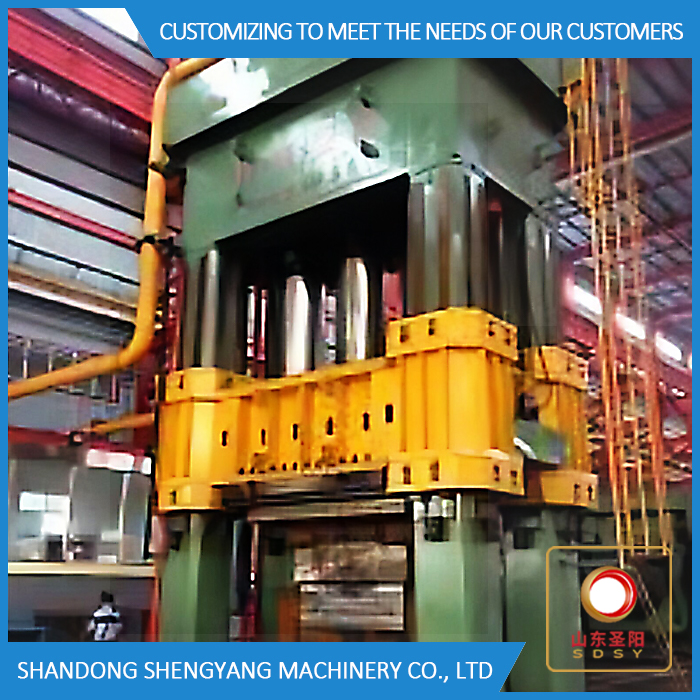
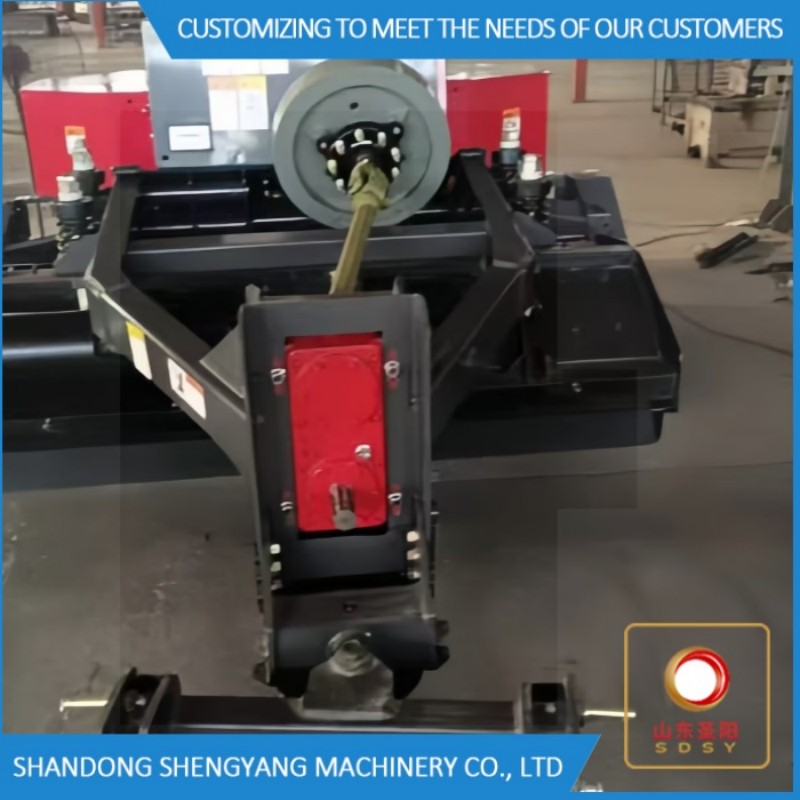
The machine consists of a powerful mechanism that provides compression and rotation, as well as a precise control system. The metal, usually in the form of ingots or billets, is placed in a special receiving mechanism. A rotating matrix located in the center of the system, under the influence of pressure, successively deforms the metal, forming the required ring or pipe. All this happens with high precision and process control, which gives the final products ideal geometric characteristics. A cooling system that controls the temperature of the metal and prevents overheating is important.
Benefits of use
The use of an axial ring rolling machine allows us to obtain high-quality parts. The precision of manufacturing parts is very high, which is critically important in industries such as mechanical engineering, aircraft manufacturing and energy. The machines make it possible to produce parts with large diameters and complex profiles that would be impossible with other methods. By automating the process, labor costs are reduced and labor productivity is increased, which makes the production process more efficient and cost-effective. Finally, the use of specialized equipment makes it possible to obtain a more uniform metal composition in the final product.
Application in the modern world
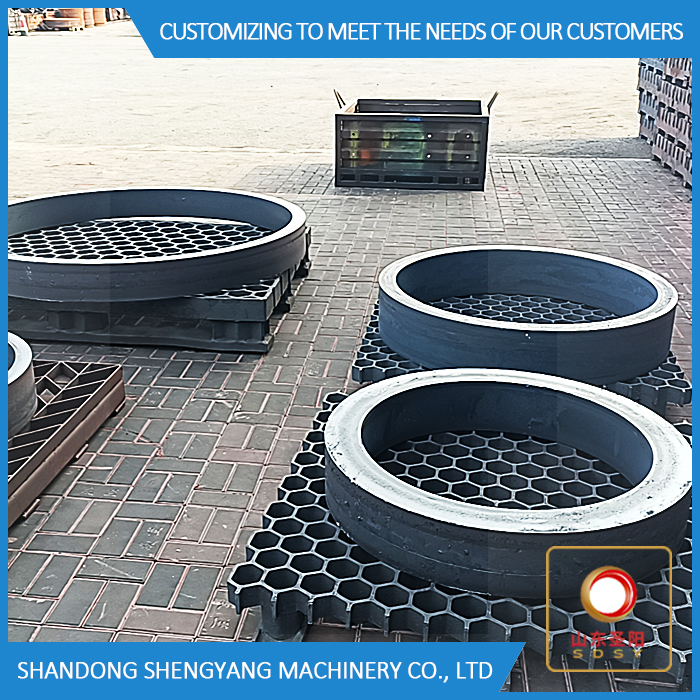
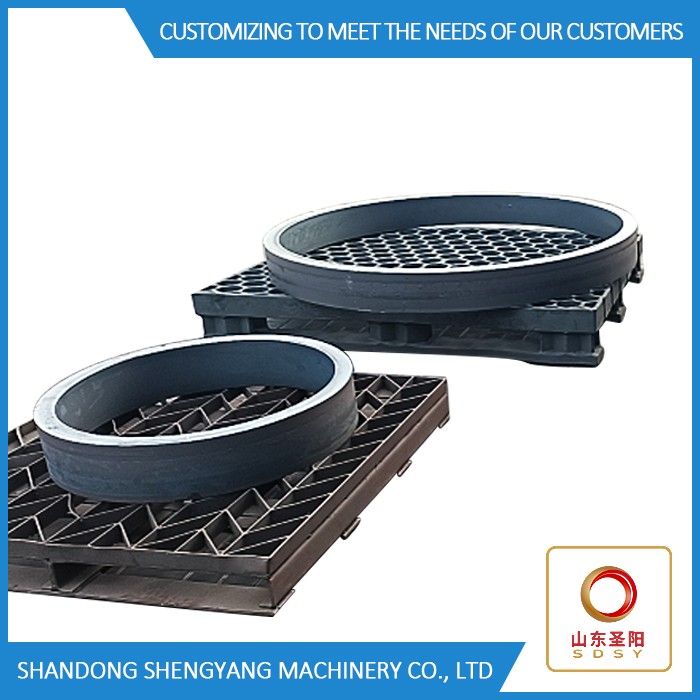
Axial ring rolling machines are widely used in various industries. They are used to produce parts for turbines, engines, wheels, and various structural elements. Modern machines are equipped with computer control systems, which ensure precision and flexibility in settings, adaptable to specific customer requirements. Thus, the use of these machines allows you to create complex metal parts for a variety of applications, ensuring high efficiency and quality of manufactured goods.