Email support
syjx@shengyangringrollingmachine.com

2026-02-13
Here is a question that has come up more and more often in conversations at exhibitions and in work chats over the past couple of years: how is it really with theseChinese PRF? Especially models like the 110 series. Some talk about a breakthrough, others chuckle skeptically, remembering old problems. I’ll try to sort it out on the shelves, based on what I saw and touched myself, without gloss.
Many colleagues, especially those who saw the first batches of Chinese industrial equipment about 15 years ago, still wince at the word?reliability?. And they can be understood: back then anything could happen - from non-compliance with the stated tolerances to problems with banal corrosion of fasteners. This trail of reputation continues to this day. But here's the important thing: those who are stuck in those impressions often miss evolution. Now this is not the same story, especially if we talk about serious manufacturers who work not only for the domestic market.
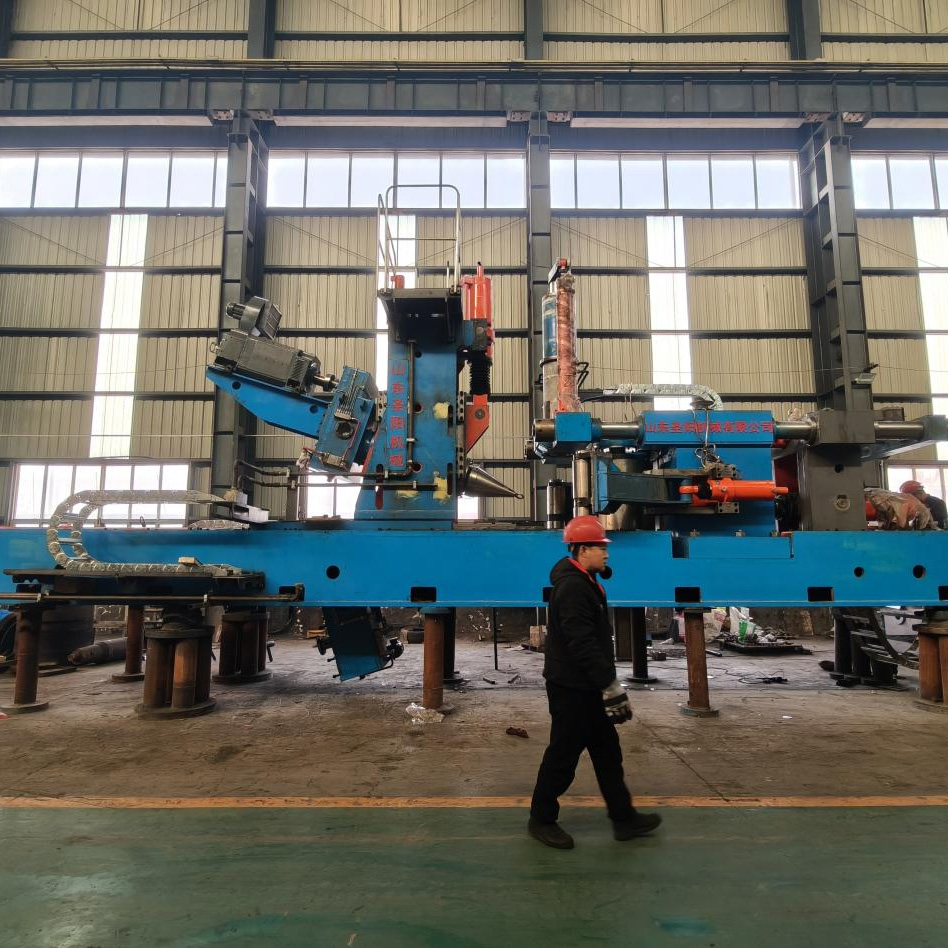
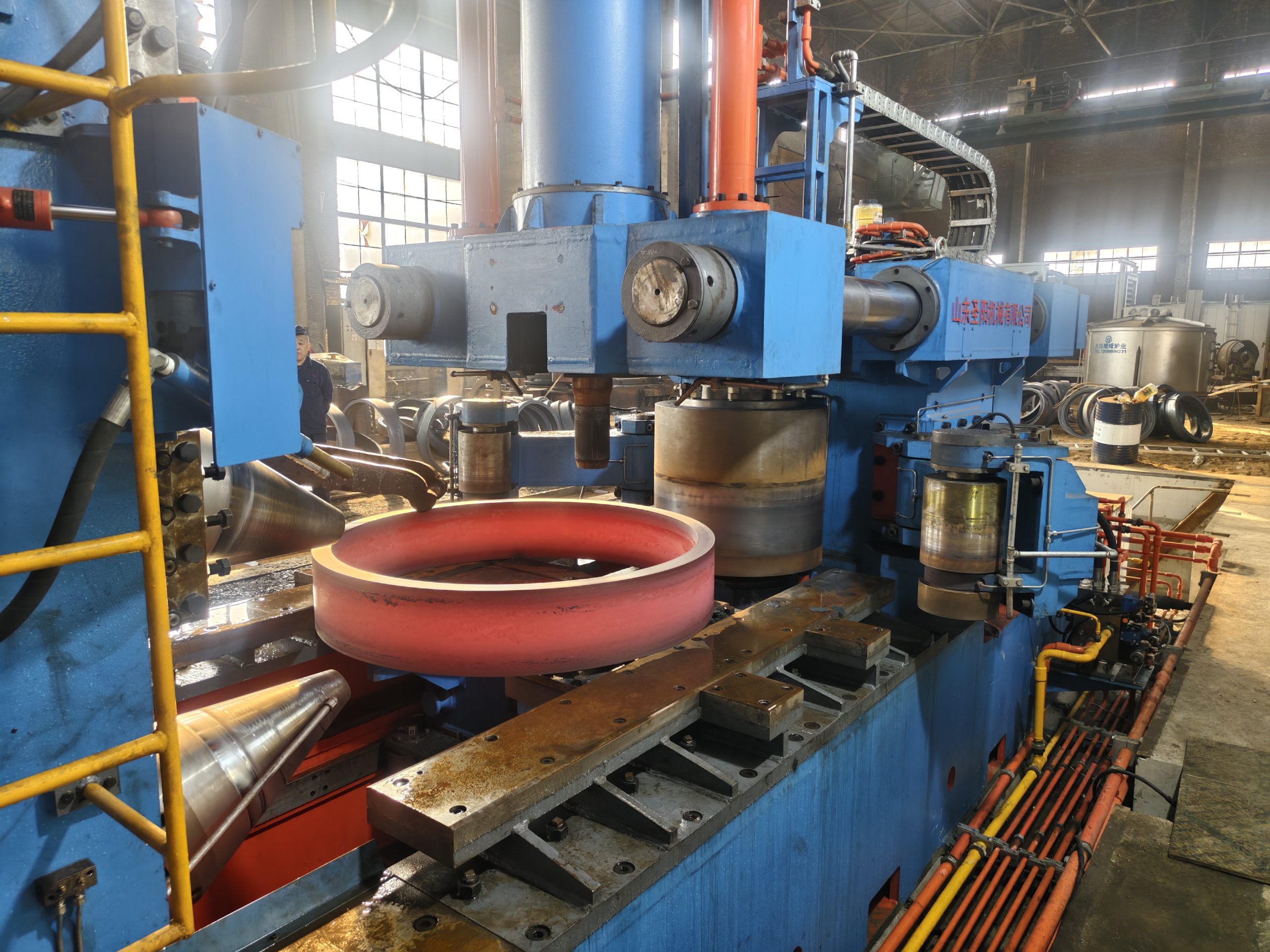
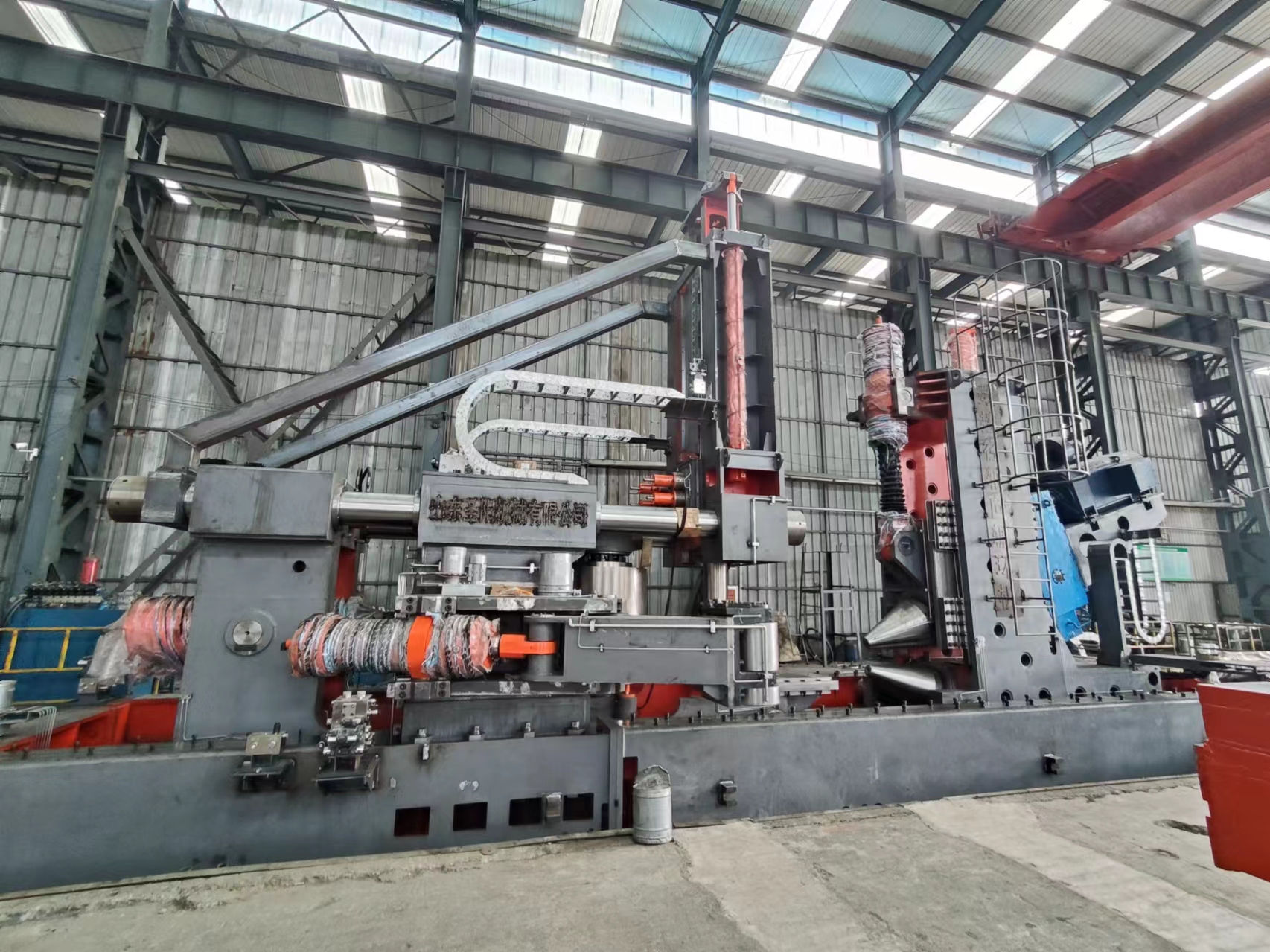
Let's take a specific player as an example -Shandong Shenyang Mechanical Equipment Co.,Ltd. On their websiteshengyangjxgroup.ruare positioned as a high-tech enterprise. The key word is “positioned”. In our field, such statements are always treated with a dose of healthy cynicism. But when a few years ago we first tested their unit, which was specifically related to pipe processing (not exactly PRF 110, but a related technology), we expected to see the usual set of “childhood diseases”. And we saw a fairly clear design, where work had clearly been done to correct the mistakes of previous generations.
This is where the first nuance lies in the conversation aboutinnovation. In the West or in Japan, innovation is often about fundamental research and new operating principles. In China, especially in mechanical engineering, the last ten years have been largely about innovations in the field of adaptation, integration and cheaper production of already known solutions. And that's not a bad thing! This is their strong point. They take a time-tested design for, say, a hydraulic system for a press, and reassemble it with modern, more affordable components, often made in-house. It turns out cheaper, but in terms of passport characteristics it is not inferior. But here’s where the dog gets stuck: how will this system behave not after 1000, but after 10,000 cycles? Or in our winter?
Actually, to model 110. Generally speaking, this is often a whole class of equipment for bending and straightening pipes/profiles of a certain diameter. When we say “Chinese PRF 110?”, we need to immediately clarify whose it is. Because this figure may hide dozens of factories of different levels. Conventionally, they can be divided into three echelons. The first category includes companies such as the one mentionedShandong Shenyang. They are no longer just assembly shops; many have their own design bureaus, their own foundries, and they undergo international certification (CE, ISO). Their products are an attempt to enter the middle and even upper segment.
Specifically for the 110s: their strong point now is oftenelectronics and control. CNC blocks are installed, if not their own, then licensed ones (Taiwanese, less often Japanese). The interface may be crooked from an ergonomic point of view, but the functionality is serious: multi-point bending, material spring compensation, material libraries. That is, there is a basic tool for complex work. In terms of accuracy... There's a story here. On the stand, under ideal conditions, they show the stated ±0.1°. In the workshop, with temperature changes and on an imperfectly prepared slab, the scatter is, of course, greater. But comparable to entry-level European analogues, which cost one and a half to two times more.
But "iron" - bed, hydraulics, guides - this is a risk area. I saw examples where the bed, after six months of intensive work, gave micro-deformation, which affected the accuracy of long products. Or did the hydraulic cylinders start to “sweat?” oil ahead of schedule. But it’s important: this is not fatal and, as a rule, can be solved by timely maintenance and the availability of spare parts. And here is the second key point. Previously, spare parts were a disaster. Now from large suppliers, from the sameShenyang, there are warehouses in Russia, and critical elements (seals, sensors, control boards) can be received in a few days. This radically changes the idea ofreliability. Reliability is not only when it doesn’t break, but also when what is broken can be quickly fixed.
One of the most illustrative cases we had was with an automatic loading and unloading system, which was offered as an option for the PRF 110 from one of the manufacturers. In theory, it reduces labor costs and increases safety. On paper and in the promotional video, everything worked perfectly. In practice, in our workshop, where the cleanliness is not always perfect and there is vibration from a neighboring machine, the system began to malfunction. The position sensors did not work correctly, the manipulator sometimes “lost” workpiece
I had to figure it out. It turned out that ?innovative? the system was assembled on rather sensitive optical sensors that were not properly protected from dust and electromagnetic interference - that is, it was suitable for laboratory conditions, but was not finalized for real production. This is a classic story: Chinese engineers are great at copying and improving “hardware”, but system integration, especially taking into account the “dirty” ones? actual operating conditions, sometimes lame. We solved the problem together with the supplier’s service engineers by replacing the sensors with coarser inductive ones and adding shielding. The machine worked like clockwork. But this experience is the best illustration.Innovationshould not be in the list of functions, but in the thoughtfulness of the operation of the entire complex in a non-ideal environment.
Another point is materials. The Chinese have learned to make good structural steel. But in pursuit of lower prices, some manufacturers (not top ones) can save on little things: for example, use less wear-resistant alloys for critical bushings or guides. As a result, the main unit lives for a long time, but these “consumables” require replacement more often than European competitors. This is not a verdict, but simply a factor that needs to be factored into the cost of ownership and maintenance schedule.
From the point of view of the chief mechanic's service, reliability is predictability. The machine may require more attention than a German one, but if this attention is regulated and spare parts are available, this is a working situation. With modernChinese PRFmiddle and upper class this predictability appeared.
At the sameShandong Shenyang Mechanical Equipment Co.,LtdIn the description of the company, the emphasis is on high technology. In practice, this often means that the machine has a good self-diagnosis system. The CNC unit may produce not just an error code, but a conditional message “pressure in circuit B is below normal, check valve X and filter Y?”. For our mechanic, who previously identified faults in old Soviet machines only by ear and experience, this is a revolution. This reduces downtime significantly.
But there is also a downside. This same “high technology”? means that for a deep repair of the same control board or servo drive it is no longer possible to do without a specialist from the supplier or a well-trained in-house electronics engineer. Dependence on the manufacturer is increasing. Although, to be fair, this is now a general trend for all equipment, not just Chinese.
To summarize, the answer to the question in the title is both yes and no. Yes,innovationin the areas of digital control, energy efficiency and functionality are present and they are real. Especially considering the price tag. Yes,reliabilityhas grown enormously compared to what it was 10-15 years ago, but it is of a different kind. This is not a “set it and forget it for 20 years”, as happens with some older models. This “with proper and timely maintenance will work out its life without surprises.”
The key to successfully working with the Chinese PRF 110 is the right choice of manufacturer (here are sites likeshengyangjxgroup.ruIt’s worth studying not only as a showcase, but also looking at the sections “support”, “spare parts catalogue”, “certificates?”), a clear understanding of your production conditions and a willingness to build a service system. Don’t expect it to last forever, but plan to change consumables, monitor the condition of the hydraulic fluid, and update the software on time.
As a result, for many of our enterprises, especially in the current market conditions, such a machine is the optimal compromise between price, capabilities and final performance. Not ideal, but absolutely a working and competitive tool. And this, in summary, is the main criterion. Everything else is specifics and nuances of operation that can and should be worked with.