Email support
syjx@shengyangringrollingmachine.com


2026-01-23
When you hear “Chinese baler?”, the first thought is cheap, simple, for not the most demanding people. I thought so too, until about ten years ago I came across their products in person. It turned out that behind this there is not just copying, but its own, sometimes unexpected, logic of development. Is this innovation? Rather, it is a pragmatic adaptation, which in our conditions sometimes works better than the “classical” ones. decisions.
The early models that came to us in the mid-2000s were indeed close copies of European cars. But copies, let’s say, simplified. The metal is thinner, the hydraulics are simpler, the bearings are those that are more affordable. On paper the functions are the same, but in reality the service life in our field conditions left much to be desired. They broke down often, and repairs were a headache: the spare parts were non-standard, there were no drawings.
The turning point, in my opinion, began seven or eight years ago. Chinese engineers stopped blindly copying and began to rework designs to suit their production chains and materials. Here is a typical example: a bale wrapping unit. Instead of a complex system with a dozen guide rollers from an Italian manufacturer, they began to make a system with fewer, but with wear compensators made of a special polymer. Cheaper to produce and, importantly, easier to maintain for the end farmer. Reliability? The first batches of these units failed quickly, but they quickly iterated - they changed the polymer composition and geometry. Now in some models this unit works even longer than the original because it gets clogged less.
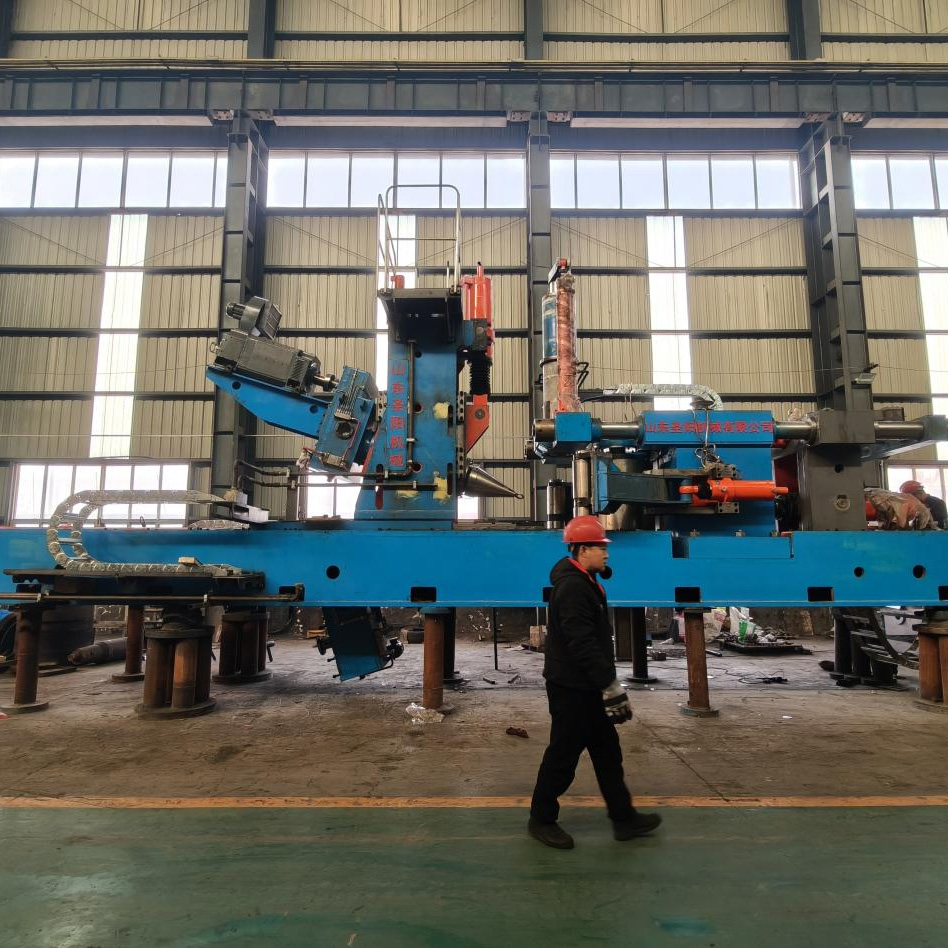
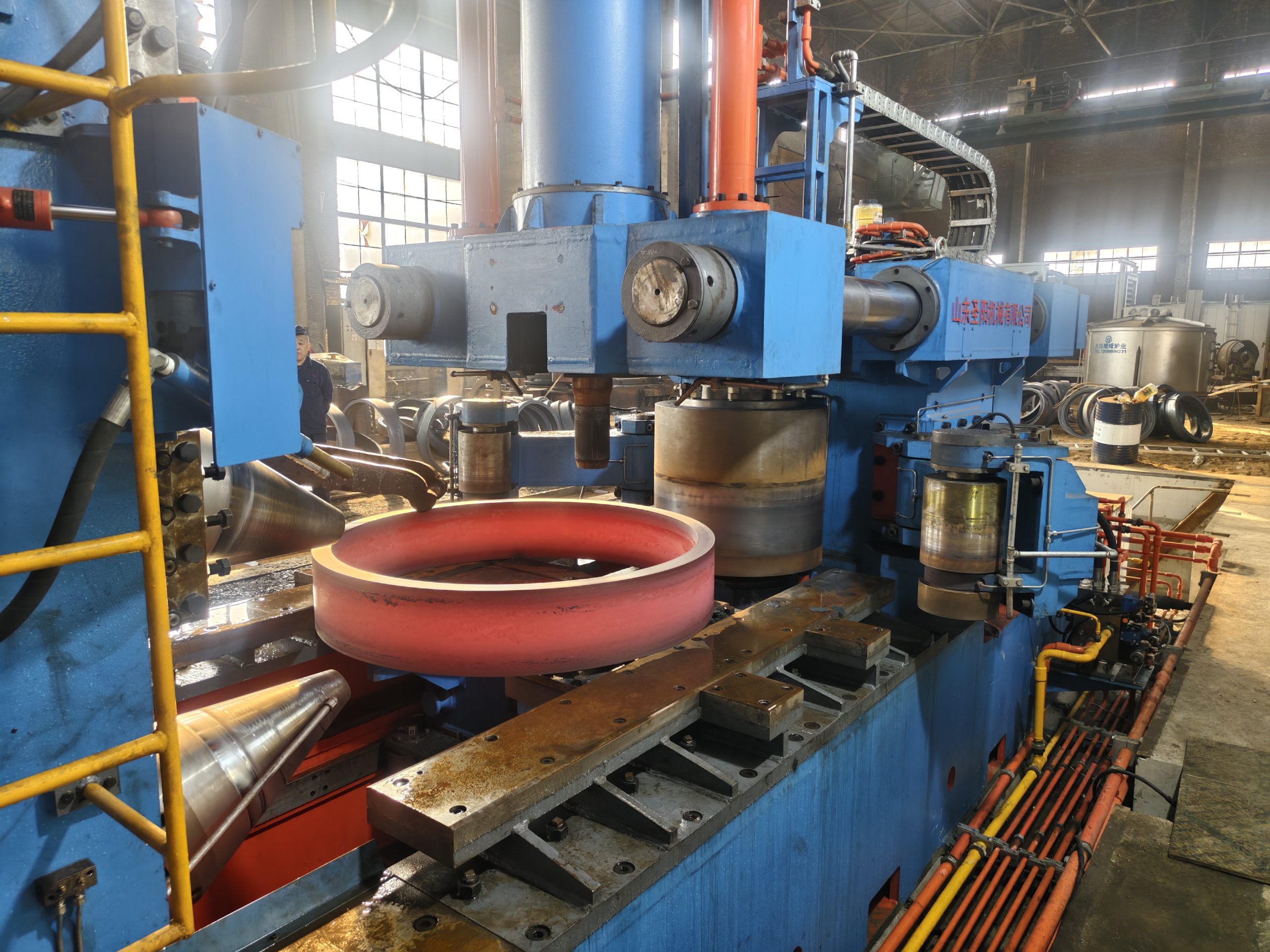
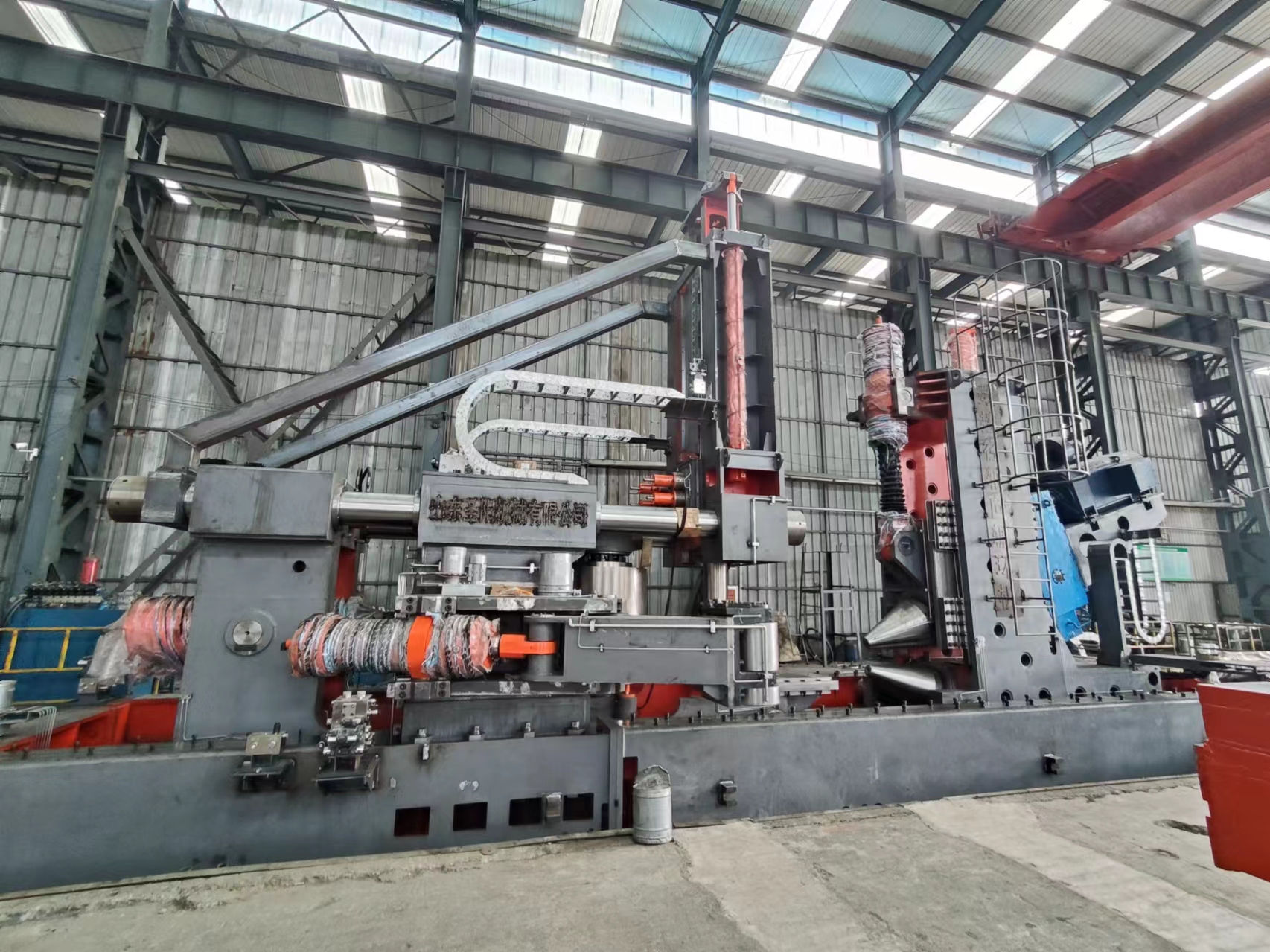
It is worth mentioning here the companies that have become the driving forces of this approach. For example,Shandong Shenyang Mechanical Equipment Co.,Ltd— their websiteshengyangjxgroup.rushows this philosophy well. They are positioned as a high-tech enterprise, and these are not just words. In their lineup you can see how they are developing their own solutions for hydraulic circuits, trying to minimize pressure losses and the number of connections. Simplification leading to reliability is their key principle.
The main stereotype is that Chinese means “thinner tin?”. This is no longer the case. Yes, they don't always use the most expensive Hardox steel like the Swedes. But they are actively working with composite materials and reinforcing coatings. I have seen balers where the internal surfaces of the bale chamber are coated with a coating that reduces friction. This directly affects the force required by the plunger, which means it allows you to install a less powerful (and less voracious) hydraulic motor.
Another point is electronics. Here they went their own way. Instead of licensing complex systems from Bosch or Deutz, many manufacturers have taken open industrial controllers as a basis and write software for them. The advantage is that the system is modular. If the trim sensor breaks, it can be replaced with an analogue from three different suppliers, rather than waiting a month for an original part from Europe. The downside is that sometimes the software is “crude”, there are glitches in the operating logic, especially in the first versions of the firmware. But they release updates frequently.
I personally tested a model from Shenyang, which had an interesting self-diagnosis system. It didn’t just show the error with a code, but on a simple display with icons indicated the approximate area: “check the thread feed?” or “the pressure in the line is below normal?”. It is invaluable for a machine operator in the field. This is their innovation - not in the creation of a new technology, but in its accessible and practical implementation.
All these innovations fade if the machine does not survive in our conditions. I remember how we received one of the first “advanced” ones. models with a variable pressing system. The idea is brilliant: for loose hay the pressure is one, for wet straw - another. But the humidity sensor, which was supposed to provide this, constantly became clogged with dust and failed. As a result, machine operators simply turned off this function and worked in manual mode. Feedback from dealers, as far as I know, reached the plant. In subsequent versions, the sensor was moved and equipped with a simple blowing system with compressed air from a common circuit. The problem is gone.
Climate is a separate issue. Chinese manufacturers from northern provinces, such as Shandong, better adapt their equipment to the cold. They reinforce hydraulic hoses with frost-resistant braids and use winter oils by default. Southern manufacturers had problems with this - hoses became dull in the cold, rubber seals cracked. Now, it seems, everyone who wants to supply to Russia has learned this lesson.
But their maintainability is historically good. Flaring of tubes instead of fittings, bolted connections instead of rivets - this was initially included in the design. It is possible to disassemble the assembly in a field workshop. This is not innovation in its pure form, it is smart design, born from the need to service equipment in conditions where there is no developed network of services.
When talking about innovation, we must not forget about the main driver - cost. Their engineering is not designed for an absolute record of performance or a service life of 20 years. It is tailored to the optimal price-quality-functionality ratio. for a specific segment. Theirbalermay not produce the perfect bale density on the first pass, but it will consume 15-20% less diesel than its European counterpart of the same power. For a large agricultural holding with thousands of hectares, this means millions of rubles in savings per season.
They have learned to make very efficient rotary piston pumps that are cheaper to manufacture than axial piston pumps. Reliability is slightly lower, but the price is significantly different. And they supply them with a reserve. If for a European car the estimated life of the pump is exactly 2000 operating hours, then the Chinese will supply two of the same ones, working at half power. The total resource is higher, but the cost of the assembled unit is still lower. This is a systems approach.
Look at the siteShandong Shenyang Mechanical Equipment Co.,Ltd— they write directly about “optimization of production chains?” and “high degree of localization of components?”. This is their formula. They don't reinvent the wheel, they find a way to make it good enough from locally available components. And this has its own genius.
Now the trend is automation and “smart” agriculture. The Chinese are not lagging behind here, and in some ways even set the tone in the budget segment. I have seen prototypes where a camera above the loading bucket uses a simple algorithm to analyze the mass flow and regulate the feed speed. Not AI, of course, but effective.
The main challenge for them now is not engineering, but quality control on the assembly line. Batch to batch variation can be sensitive. One machine runs without problems for 2000 hours, and another from the same batch begins to act up after 500. This is a matter of production discipline and the quality of incoming control of components. Companies like Shenyang that invest in their own machine tools and controls are getting ahead.
So, is this innovation? If by innovation we understand only breakthrough technologies, then perhaps not. But if you look at innovation as the process that makes complex technology accessible, reliable and adaptable to real-world operating conditions, Chinese baler manufacturers have been one of the main innovators in this market over the past decade. They changed the very approach to what agricultural machinery should be like for most of the world. And our market, with all its complexities, is the best proof of this.