Email support
syjx@shengyangringrollingmachine.com

2026-02-06
When you hear “Chinese balers?”, many people immediately have an image of something cheap and short-lived. Sound familiar? I myself thought so for a long time until I started working closely with equipment from China in our fields. The reality, as often happens, turned out to be much more complex and interesting. Yes, there is outright consumer goods, but there are also companies that seriously rely oninnovationand the same onereliability, which everyone talks about, but not everyone can confirm in practice. I’ll try to sort it out based on what I saw with my own eyes and felt with my hands.
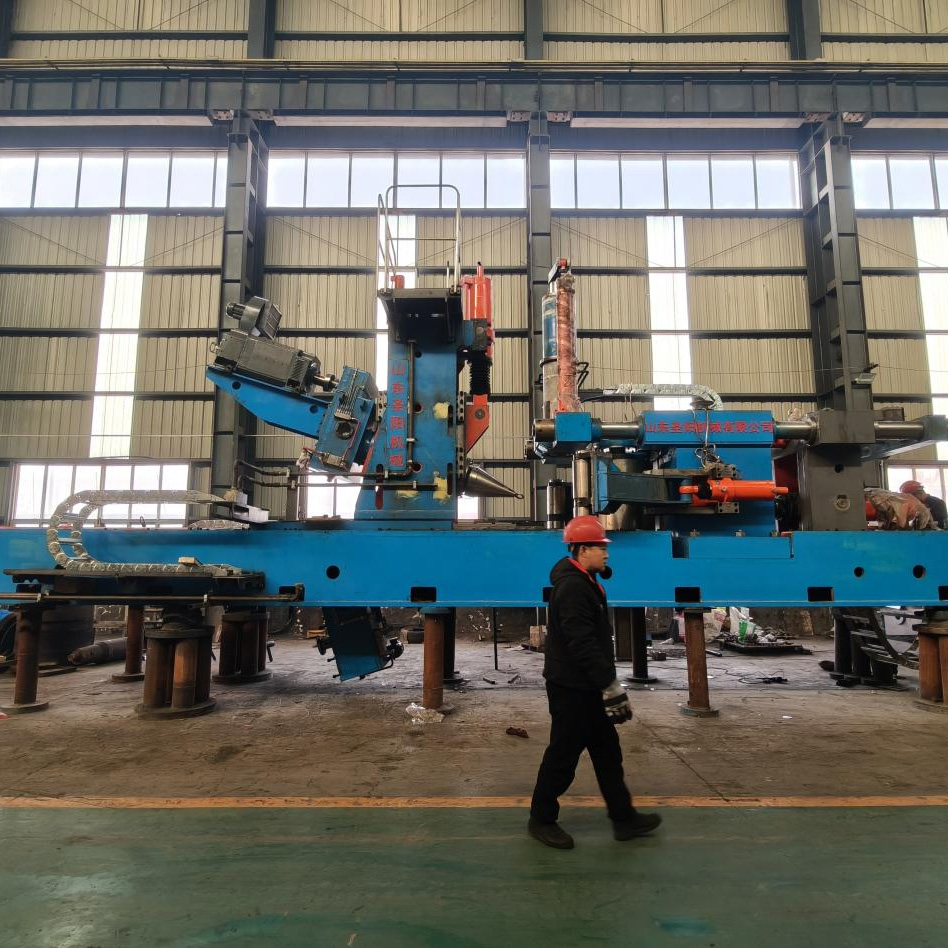
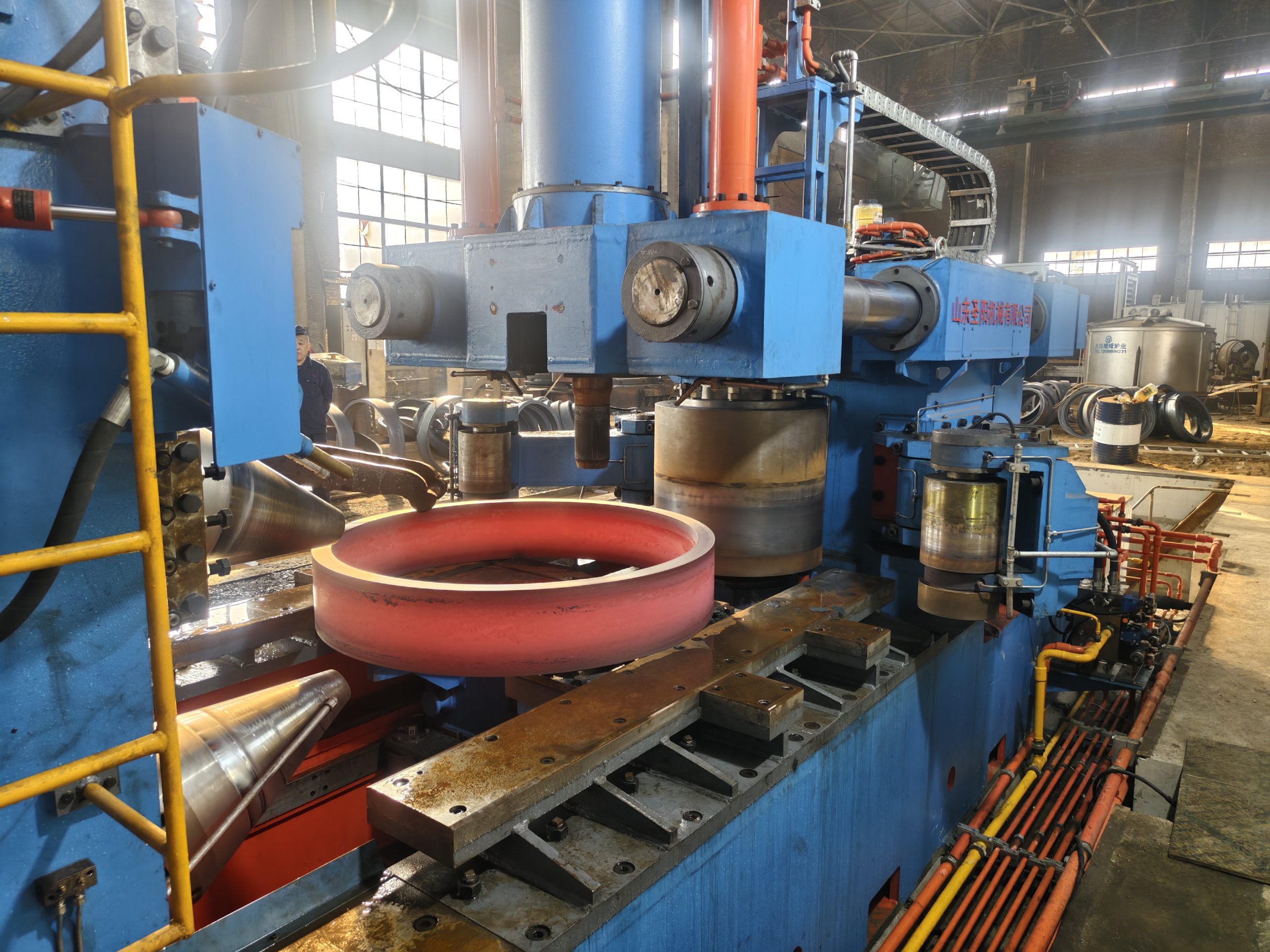
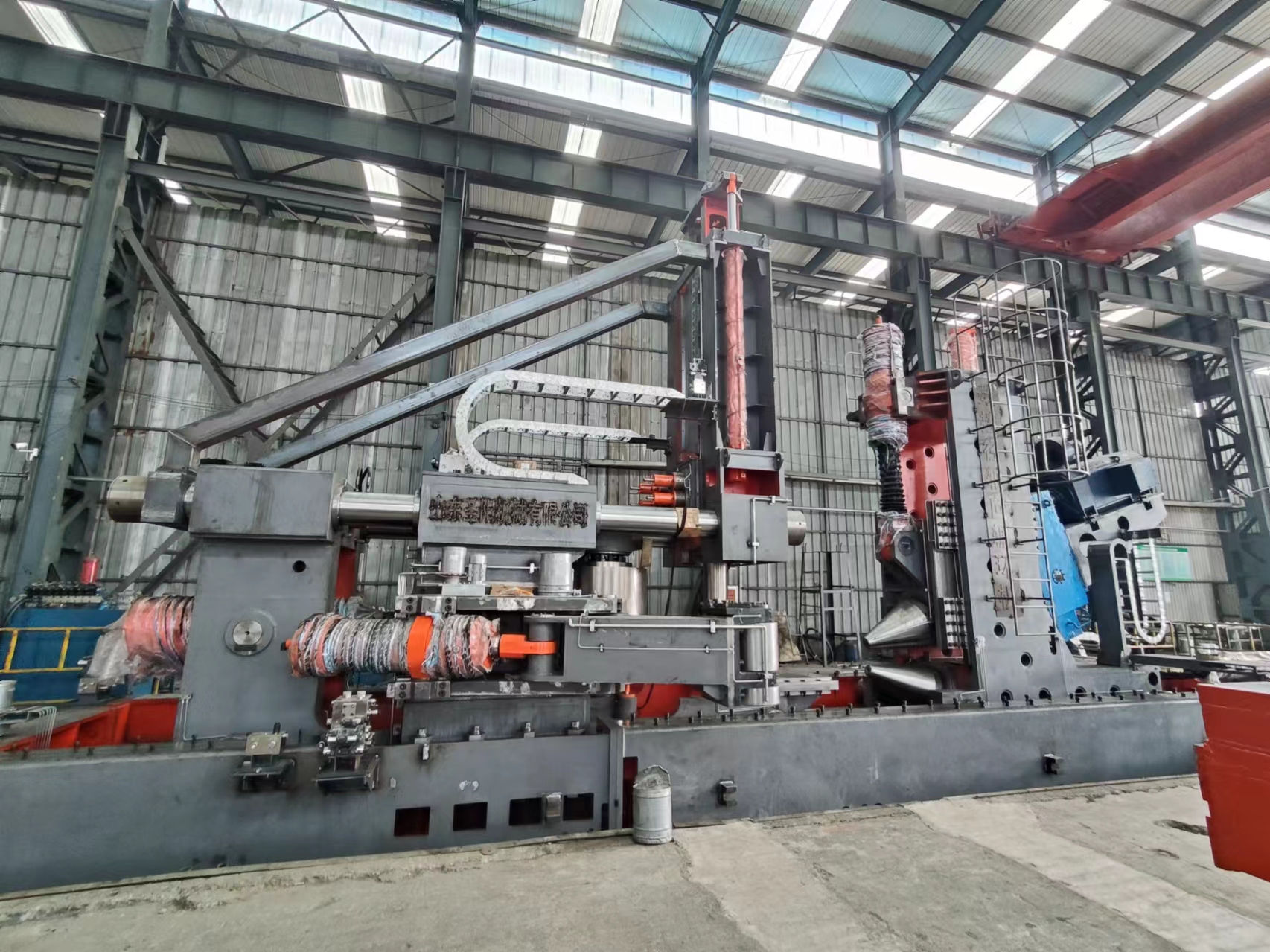
I'll start with the main misconception: supposedly all Chinese manufacturers copy old European models. This has not been the case for at least five years. Take variable chamber round balers, for example. The concept is not new, but Chinese engineers, especially those of strong players, have done a great job on the hydraulics and bale density control system. I saw a unit from Shandong Shenyang in operation - by the way, they have a lot of technical details posted on their website (https://www.shengyangjxgroup.ru) - so, they didn’t just copy the unit, but revised the logic of the valves, which resulted in a smoother formation of the roll core. Less sheet loss, more even density. This is the very innovation that is born not in the office, but in the field, when you understand exactly where efficiency is lost.
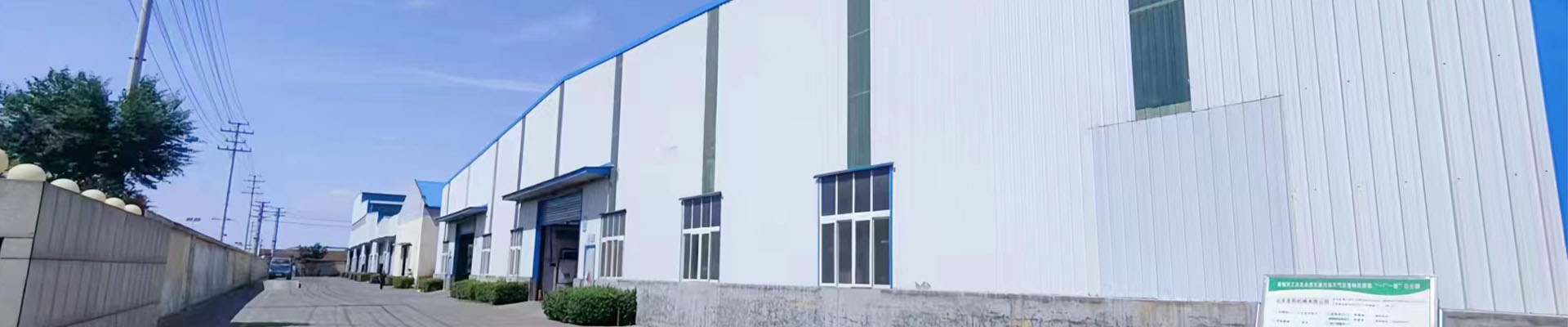
But there is a nuance here too. Innovation is innovation, and metal is metal. Previously, this was exactly what was a frequent problem - substandard steel in the frame or in the teeth of the pressing belt. The situation is better now, but not everywhere. At the sameShandong Shenyang Mechanical Equipment Co.,Ltd, which positions itself as a high-tech enterprise, has publicly available data on steel fatigue tests for key components. This is an important signal. They do not hide the fact that some of the components (bearings, belts) are imported, Japanese or German, and they place emphasis on their own assembly, control and modification of the design. This hybrid approach - combining the strengths of the global component market with local engineering - seems to me the most common sense path toreliability.
But with “reliability?” As with an eternal promise, everything is more complicated. It doesn't happen on its own. I remember one case: we ordered a batch of square balers for working on slopes. Everything was fine in the specifications, but in reality the leveling system (declared as an innovation) simply did not have time to work on steep slopes, leading to skewing of the packages. This was not a defect, but rather a miscalculation in adapting innovation to difficult conditions. The manufacturer, to his credit, did not make excuses - they sent engineers, modified the sensor algorithm right on the spot, and replaced the firmware of the control unit. This experience has shown that real reliability today is not only hardware, but also software, and, more importantly, the readiness of technical support to quickly respond to real problems of farmers.
Here lies the main question for the buyer. A Chinese baler is often chosen due to price. But a low price does not always mean savings. If the machine stops in the middle of harvesting feed, all the money saved is spent on simple and urgent repairs. Therefore, now smart buyers are looking not at the starting price, but at the cost of ownership over 5-7 years. And here some Chinese models began to give a head start even to some budget European brands.
The secret is in the modularity of the repair. Look at the design of the bale wrapping unit on modern machines. Previously, if a needle or knife broke, you had to remove half of the mechanism and waste hours. Now many manufacturers, including the mentioned Shandong Shenyang, have switched to block construction. The unit itself is secured with several bolts; it can be dismantled and replaced with a pre-prepared, serviceable unit in 40-50 minutes. And if it’s broken, it can be easily repaired in a workshop. This is a huge plus for smooth operation. This decision is a direct result of feedback from operators, not armchair engineering.
But a long resource also requires sacrifice. Often, to achieve this, Chinese manufacturers make the structure heavier - more massive shafts, reinforced hinges. This increases the overall weight of the machine, and hence the fuel consumption of the tractor. It turns out to be a double-edged sword: the reliability of the unit has increased, but the efficiency of the entire unit has dropped a little. We have to find a balance. In our conditions, where the fields are large and the distances are long, this advantage in favor of the resource is often justified. But for small farms, where maneuverability and fuel economy are important, this can be a disadvantage.
This is perhaps the most painful issue for imported equipment of any origin. The situation with Chinese balers is paradoxical. On the one hand, the logistics of spare parts from China can be long. On the other hand, Chinese manufacturers themselves are now actively creating spare parts warehouses in key regions, for example, in Kazakhstan or in the European part of Russia. This is a game changer.
Let's take it as an example. The companyShandong Shenyang Mechanical Equipment Co.,LtdThe website shows that they focus not only on sales, but also on creating a service network. For me, as a practitioner, what is important is not the presence of hundreds of dealers, but the presence of key components in the warehouse of a regional representative: pressing chambers, drive shafts, hydraulic pumps. And the main thing is the availability of trained mechanics. I came across a situation where a local “specialist” from the dealership could not correctly diagnose the error in the control system, attributing everything to “bad fuel?” By the time we figured it out, we lost a week. Therefore, now when choosing equipment, one of the key criteria is not a beautiful presentation, but the opportunity to communicate with the supplier’s service engineer and evaluate his competence in specific cases.
Another point is documentation. Previously, manuals were a terrible translation that was impossible to understand. This is improving now. The best manufacturers provide not only paper manuals, but also online databases with 3D models of components, and videos on replacing consumables. This greatly simplifies the life of a machine operator in the field. This openness is a sign of confidence in your products and an important step towards building a long-termreliabilityrelationship with the client, not a one-time sale.
All catalogs and specifications pale in comparison to the first hundred hectares. This is where the true value of the car comes into play. I always insist on a test drive in my own conditions, my own humidity and my own culture. Once we tested a baler, which performed well on alfalfa, but on dried corn it began to constantly clog in the chamber. It turned out that the design of the feed auger was designed for less juicy and fibrous stems.
This is a classic example when innovation in one element (for example, in a strapping system) is offset by a miscalculation in another, simpler one. The manufacturer, by the way, after our complaints and the provided photo/video materials, modified the auger blades for the next modification of the model. For me, this is an indicator: a company that is ready to learn from real field problems and improve the product is the very partner you should pay attention to. These are not big words about high technology, but concrete actions.
Another practical aspect is versatility. Does the manufacturer often offer options? Replaceable chambers for bales of different sizes, the ability to quickly convert from regular to net or twine, reinforced wheels for marshy soils? Having such an ecosystem around the base model shows a deep understanding of the diverse needs of agriculture. I have seen how some farms successfully use the same Chinese baler for both straw and haylage, simply by changing the pressing settings and type of binding. This flexibility is a huge plus.
So what's the bottom line? Can we today talk about Chinese square balers as innovative and reliable? My answer is yes, but with a whole bunch of caveats. Yes, there are innovations, and they are often of an applied, rather than ostentatious nature, solving specific problems of compaction, piping, and maintenance. Yes, reliability has increased enormously, but it still depends heavily on the specific manufacturer and its philosophy. You can’t take a “Chinese press in general?”, you need to study a specific brand, its history, its approach to service and, what is critically important, communicate with real users of its equipment in conditions similar to yours.
Companies likeShandong Shenyang Mechanical Equipment Co.,Ltdshow the path taken by serious players: openness in technical information, hybrid use of high-quality components, development of a service network. This is not a guarantee of absolute failure-free operation - such technology does not exist in principle. This is a guarantee that in the event of a problem you will not be left alone with a pile of metal, but will receive adequate and fast support.
As a result, the choice of technology is always a compromise. Chinese balers are no longer just a cheap alternative. For many farms, they have become the optimal balance between modern technologies, an acceptable cost of ownership and, importantly, a growing level of predictability. And in our business, predictability of equipment operation is sometimes even more important than record performance under ideal conditions.