Email support
syjx@shengyangringrollingmachine.com

2026-02-14
When you hear about Chinesehorizontal ring rolling mills, the first thing that comes to mind is, of course, the price. Many people immediately think: well, yes, cheaper than European ones, probably a compromise on quality. But over the past five to seven years, the picture has changed a lot, and if you dig deeper, it becomes clear that it is no longer just a matter of cost. I myself have worked with several factories, and I will say this: they now do some things in such a way that even experienced technologists from old schools are surprised. But there are also plenty of pitfalls - not everything is innovation that shines at the exhibition.
It all started when about seven years ago we were looking for a replacement for the old German mill for rolling rings of medium diameter - up to 2 meters. The budget was limited, and they began to look towards China. The first thing that caught my eye was that many manufacturers offered almost identical copies of models from the 90s or early 2000s. On the surface it looks like the specifications are the same, but when you start talking to engineers, you understand: often they simply repeat the drawings without fully delving into the physics of the process. For example, the question of adjusting the rigidity of the frame or thermal deformation of the rolls in a continuous cycle could lead to a dead end. Then the first impression was formed: they produce, but there is no deep modification for specific materials or modes.
But then, in 2018-2019, companies began to appear that not only copied, but brought stands with real new products to exhibitions like Metalworking in Moscow or Dusseldorf. We're not talking about cosmetic improvements, but things like integrated CNC systems with adaptive rolling control that adjust pressure and speed in real time based on data from torque sensors. One of the suppliers, with whom we later collaborated, even implemented a system for predicting edge defects based on vibration analysis - it sounds like a trifle, but in practice it reduced defects by 3-4% for stainless steels, which is already serious for mass production.
And here it is important not to go to extremes. It cannot be said that all Chinese manufacturers suddenly became innovators. But a noticeable layer of enterprises has emerged that purposefully invest in R&D, often attracting engineers with experience working for European or Japanese brands like SMS group or OMZ. Their products can no longer be called simply a cheap alternative. These are, rather, devices with a different balance of price and functionality, where sometimes they sacrifice excessive, from the customer’s point of view, reliability (say, the life of bearing units in not the most critical units), but add modern control systems, which on old Western machines would have been an option for a lot of money.
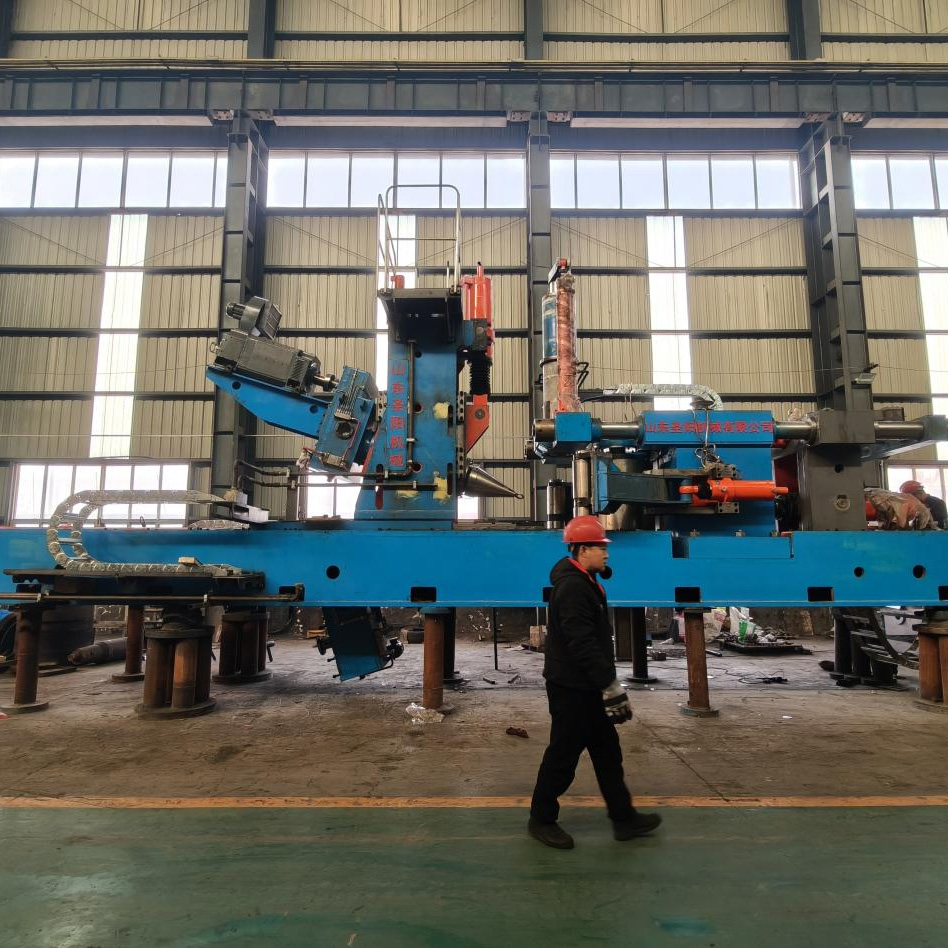
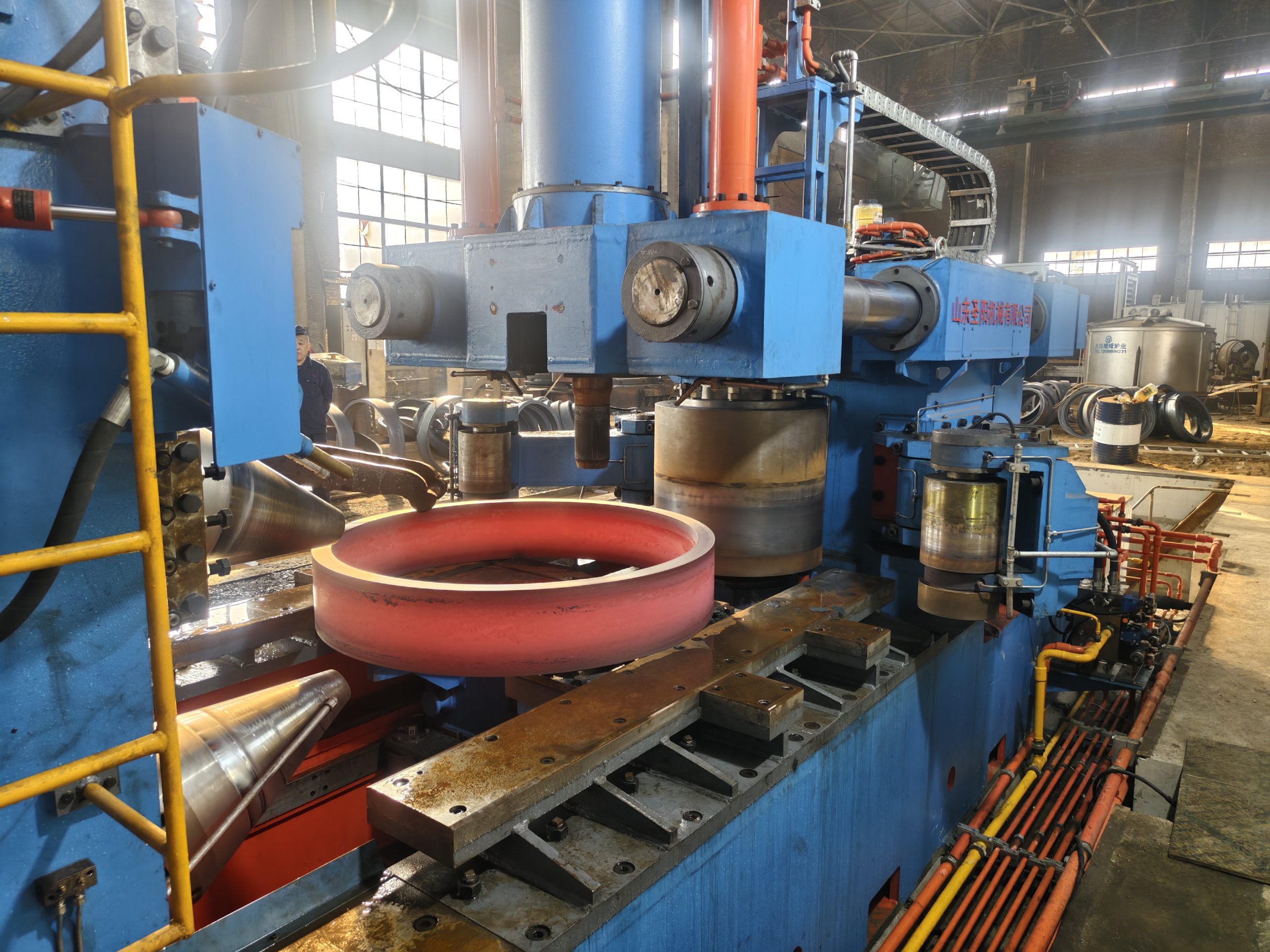
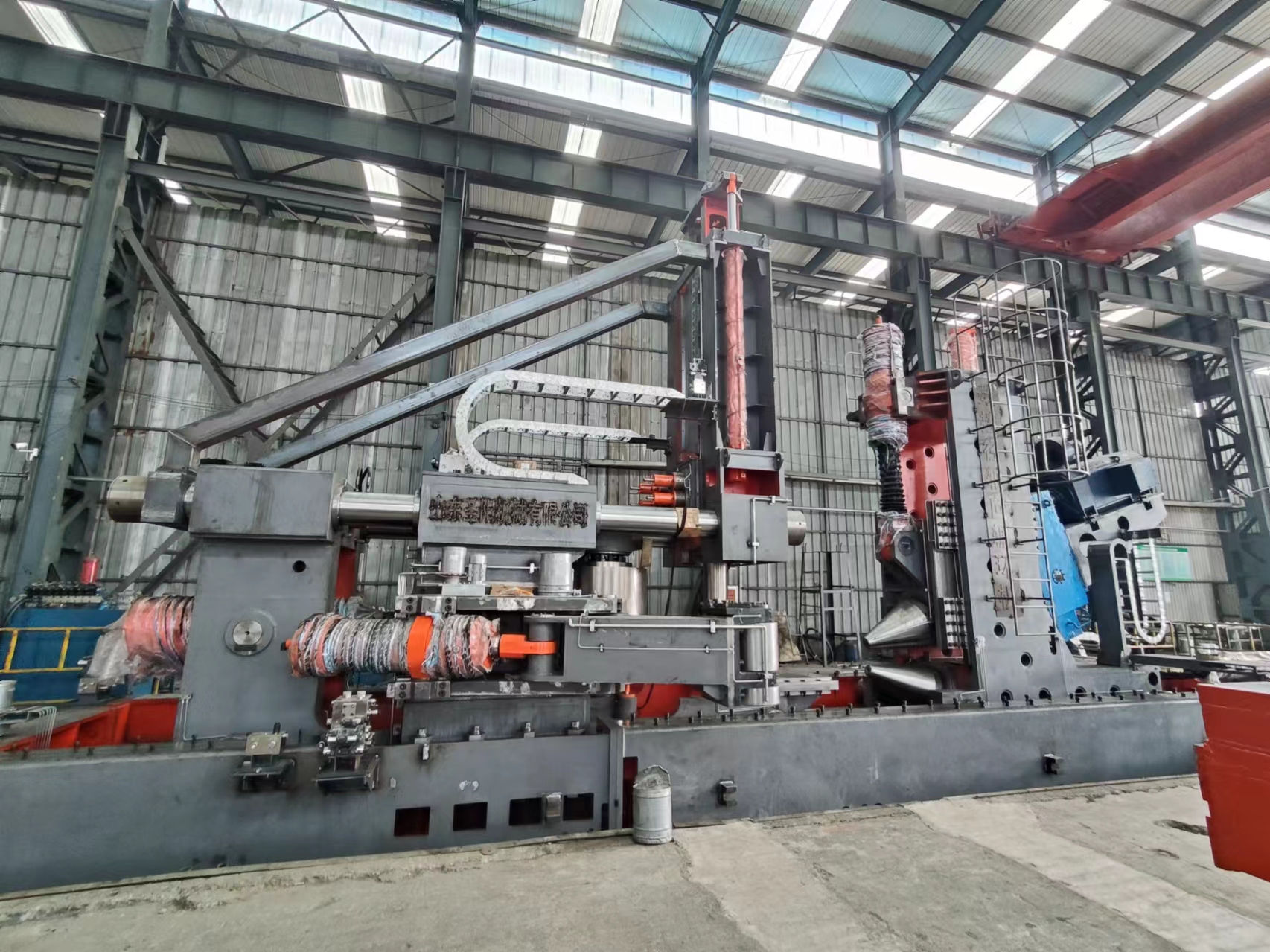
Here, for example,Shandong Shenyang Mechanical Equipment Co.,Ltd(their website ishttps://www.shengyangjxgroup.ru). In their description they write that this is a high-tech enterprise. When I first contacted them, I was skeptical - there are so many people who call themselves that. But we decided to test it on a small order - a machine for rolling bearing rings. What attracted you? They didn’t immediately dump the catalog, but sent an engineer who asked a bunch of questions: what grades of steel we would drive, what accuracy should be achieved in terms of ovality, what kind of load was planned per shift. This was already a good sign.
During the discussion of the technical specifications, an interesting detail emerged. They proposed a non-standard cooling scheme for the main drive - not just an external chiller, but a system with separate circuits for the electric motor and gearbox, with the ability to precisely adjust the oil temperature depending on the load. According to them, this helped solve the problem with size creep during long-term intensive work, which they encountered with another customer in Turkey. They offered to implement this into our configuration with almost no additional charges. To me, this was an example of real innovation, born from a practical problem, and not from a desire to simply add a feature to a list.
But there were some problems. When we received the first batch of documentation, discrepancies were discovered in the manufacturing tolerances of some critical bed plates. There was one thing in the drawings, but in the attached control protocols there was something else, less strict. We had to clarify for a long time and nervously, in the end it turned out that the technical documentation department used an outdated template for protocols, and in production they made according to new drawings. A trifle, but indicative - sometimes the weak link is not in the hardware, but in the organization of processes and document flow. The company, to their credit, quickly corrected everything and provided current certificates, but the sediment, as they say, remained.
Now there is a lot of noise in the market around smart mills, Industry 4.0 and other things. Chinese manufacturers are actively taking advantage of this. I have seen proposals where a smart monitoring system, which is essentially a set of standard sensors and a simple SCADA interface, is added to the base unit for 20% of the cost. This is not an innovation, it is just a set of ready-made components. A real innovation is when a software algorithm, analyzing data from these sensors, can predict the need to replace a roll not according to regulations, but based on actual wear, and has already saved the customer several weeks of downtime. This is still rare, but there are isolated examples.
Another interesting trend is working with materials. Previously, Chinese mills were positioned mainly for carbon steels. Nowadays, more and more often I see cars designed for heat-resistant alloys or titanium. This requires a different approach to calculating forces, tool life, and cooling systems. This is where innovation often comes from cooperation with metallurgical plants inside China. The machine manufacturer receives from them a huge amount of data on the behavior of a particular alloy during rolling and can adapt hydraulics and controls to this. For the end customer this is a huge plus - he is not buying a universal, but to some extent a specialized device.
But there is also a downside. Sometimes the desire to be innovative leads to complexity where it is not needed. I came across a story when, for a mill that was supposed to operate in a workshop with an unstable power supply in one of the CIS countries, Chinese engineers persistently proposed a complex energy recovery system. On paper - savings. In practice - additional points of failure, expensive service and zero efficiency with frequent power surges. As a result, the customer refused and returned to the classic scheme. Innovation should solve a problem, not create a new one.
A frequent reproach is unreliability. Is he fair? Differently. If you takehorizontal ring rolling milllower price segment, assembled from available components, then yes, the service life will be lower than that of the European analogue. But many respected Chinese factories have now switched to using key components from world brands: SKF or FAG bearings, Bosch Rexroth or Yuken hydraulics, Siemens or Fanuc CNC. In this case, the frame, drive mechanisms and assembly remain mainly Chinese. And the bed, if it is properly designed and cast, can be made very durable.
The customer's philosophy is important here. If you need a mill for growth, for 30 years of uninterrupted operation in three shifts, it may be worth looking at traditional European manufacturers, despite the price. But if the task is to quickly establish the production of a new range of rings with modern controls, and the budget is limited, then a well-chosen Chinese mill with high-quality equipment may be the optimal solution. Its service life of 10-15 years with normal maintenance is more than enough, during which time the technology can move forward again.
The key point is after-sales. This is where the difference often lies. A good Chinese supplier now necessarily has engineers who speak Russian, spare parts warehouses in Russia or Kazakhstan, and the possibility of remote diagnostics. In Shandong Shenyang, for example, I know that they organize training for customer mechanics right at their factory in China. It's not just sold and forgotten anymore. This approach in itself is an important innovation in the business model for this market.
Returning to the title question. Yes, there are innovations, and they are becoming more and more substantive and tied to real production tasks, and not to beautiful presentations. But the market is very heterogeneous. It is necessary to clearly separate marketing gimmicks from real technical improvements.
For a specialist choosing equipment, the algorithm is something like this: 1) ignore big words and look at specific technical solutions for your task; 2) demand not catalogs, but reviews and cases with similar materials and modes; 3) pay special attention not so much to the hardware, but to the software and control systems - this is where the main advantage or pitfall is often hidden; 4) carefully consider the issue of service and spare parts availability.
Chinese manufacturers, especially suchShandong Shenyang Mechanical Equipment Co.,Ltd, ceased to be just copyists. They have become pragmatic players who know how to quickly implement successful technological discoveries and adapt devices to market demands. Theirhorizontal ring rolling mills- this is often no longer cheap and cheerful, but quite reliable and with the necessary functionality for adequate money. Is this innovation? For many industries, yes. But you still can’t blindly believe advertising. As in any business, you need a balanced, technically competent approach and healthy skepticism.