Email support
syjx@shengyangringrollingmachine.com

2026-01-18
When you hear about Chinese balers, the first reaction of many is doubt. Cheap, but will it last for the season? I myself thought so about ten years ago, until I had to come face to face with the technology from there in practice. Now I will say this: if you take it blindly, you can make a mistake, but if you know where to look and what exactly you need, you can find options that make you reconsider your established views. It's not about simple copying, but about how they now approachinnovationand, more importantly, to translate them into a reliable piece of hardware.
Previously, the main reproach was the materials. The steel is thinner, the bearings are weaker - in general, the resource is in question. And this was true for ?no-name? products. from semi-underground assembly plants. The situation began to change when manufacturers entered the market with their own engineering departments and, critically, with access to good rolling mills within China. I saw how the thickness of the walls of the bale chamber of one well-known model changed from series to series - a reaction to feedback from our own conditions, where the bales are denser and the straw is coarser.
Here, for example, are roll pickers. European brands have long set the pace for the reliability of the roll forming unit. Chinese engineers did not reinvent the wheel, but paid great attention to the belt tension system and the geometry of the feed teeth. The result is a machine that is not afraid of wet mass - for our late mowings this is a key point. Not ideal, but working and, most importantly, repairable on site.
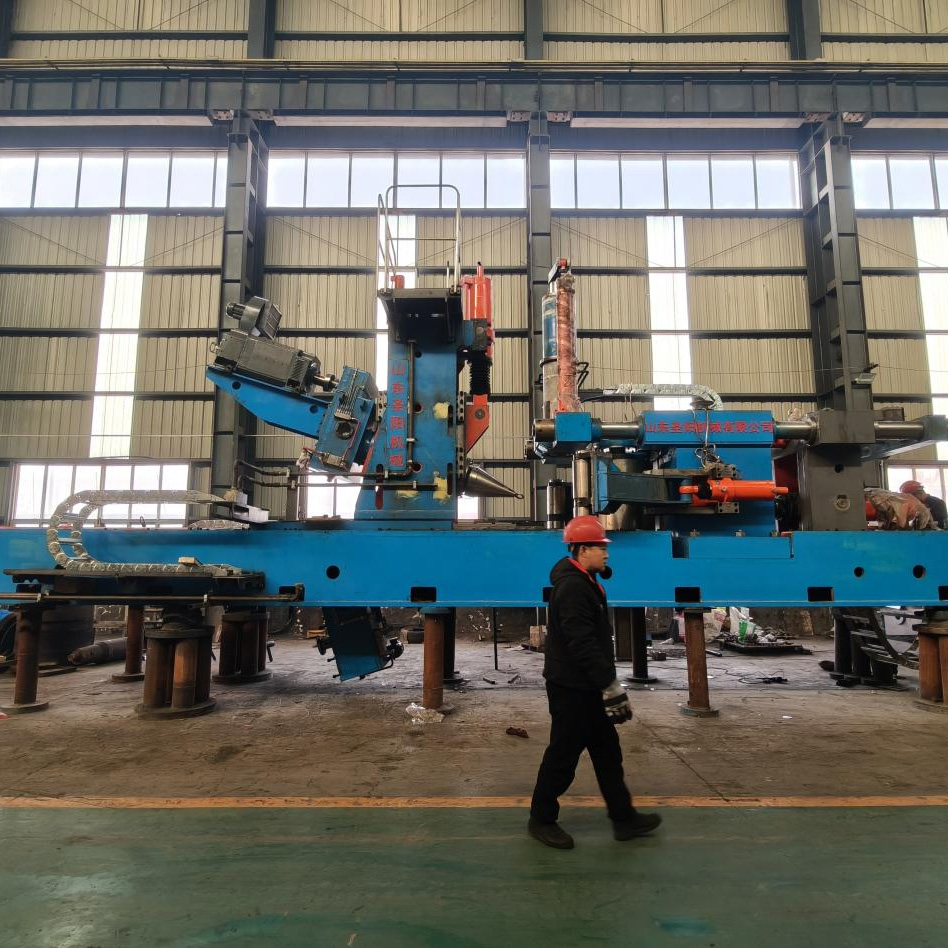
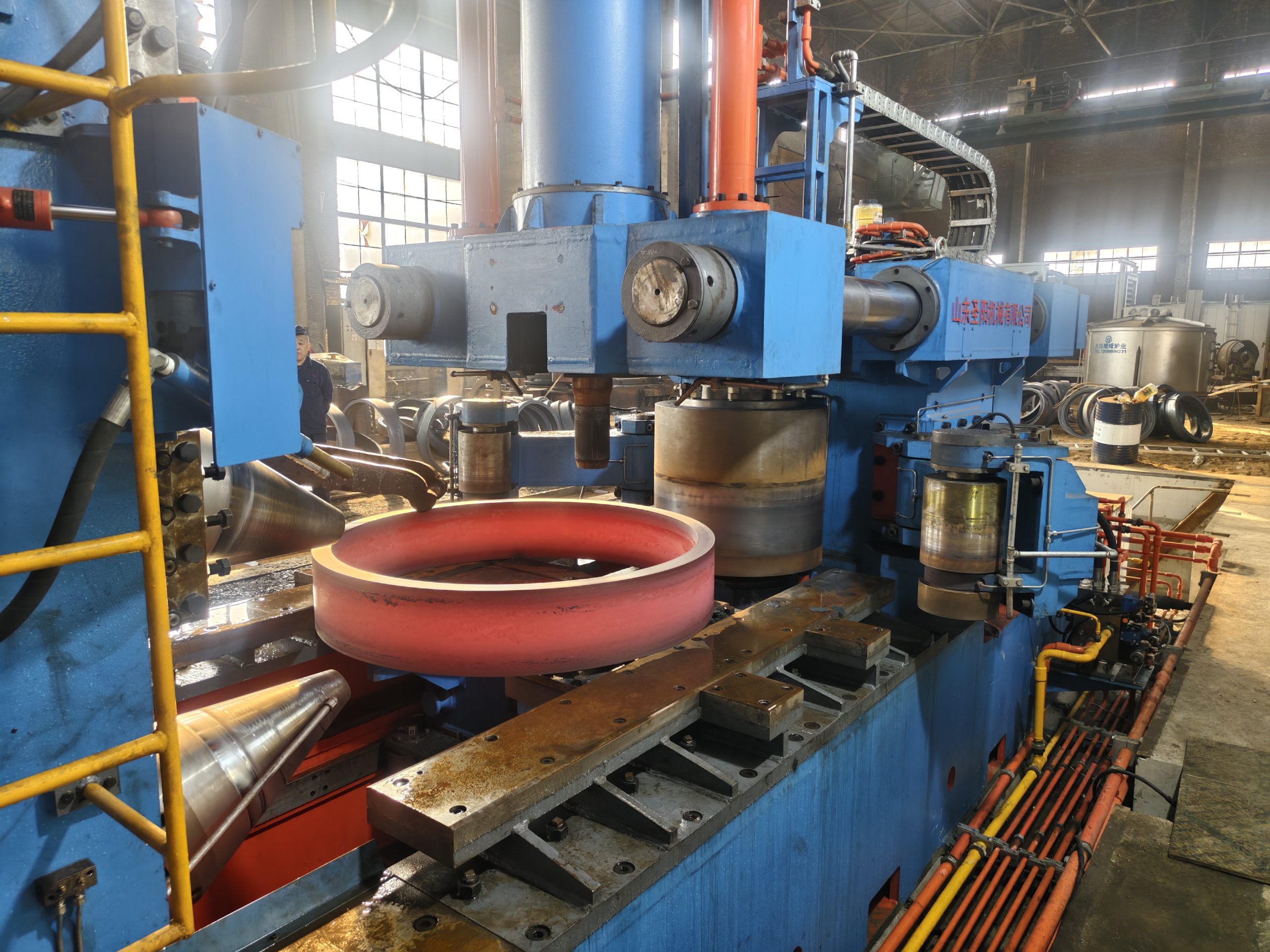
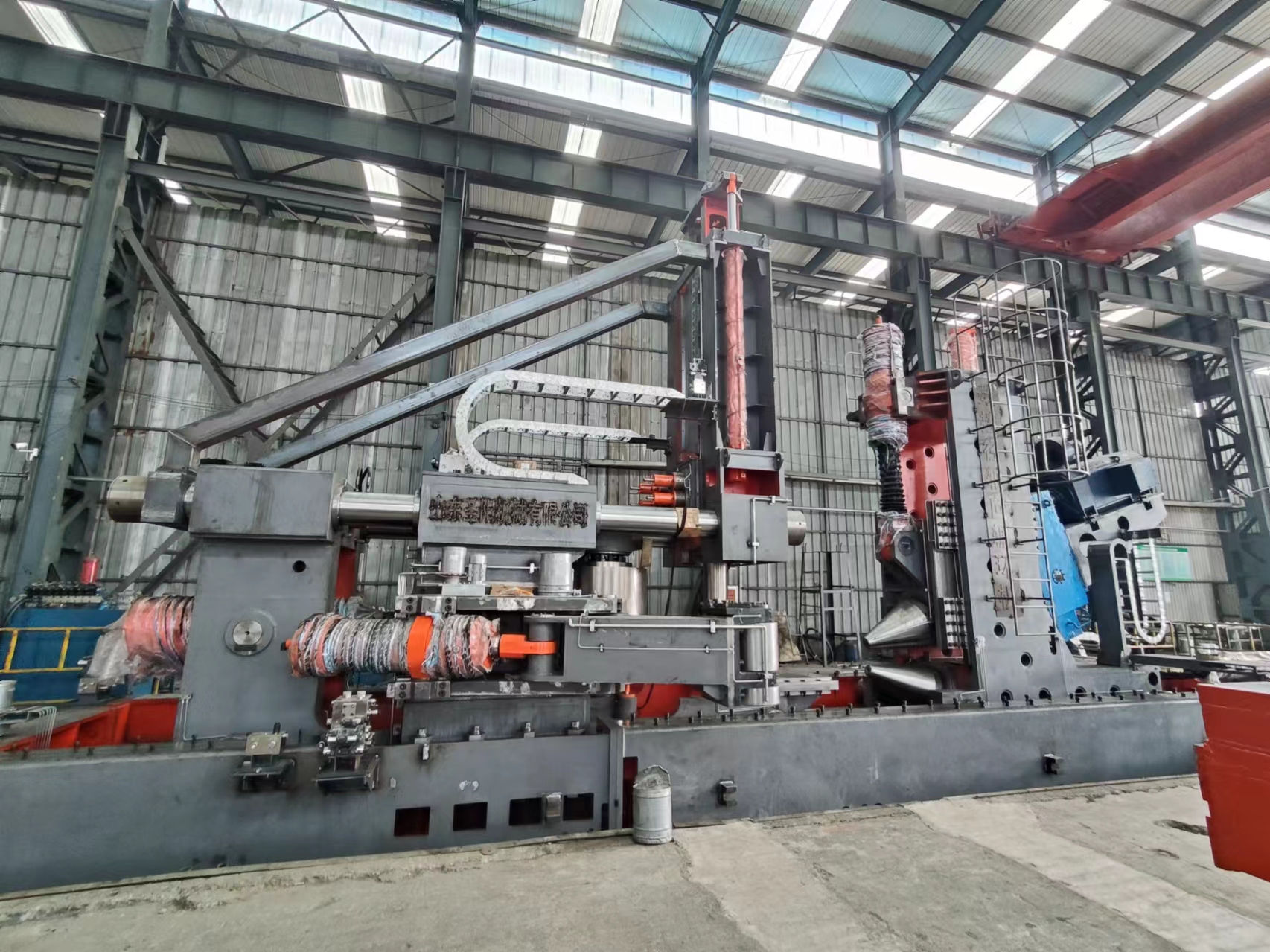
It is worth mentioning here about companies that purposefully work for export, understanding our standards. HowShandong Shenyang Mechanical Equipment Co.,Ltd(their website isshengyangjxgroup.ru). In describing themselves, they position themselves as a high-tech enterprise, and these are not just words. I looked at their catalog and it’s clear that the line of balers is built not on one basic model with different stickers, but on different chassis and with different types of chambers. This indicates serious design work, and not simple copying.
The word ?innovation? Now they stick it on everything. In the case of Chinese agricultural machinery, it is important to separate real improvements from pretty pictures. Real innovation is, for example, the adaptation of the hydraulic system to components that are more accessible in the CIS, without loss of efficiency. Or a sophisticated lubrication system for critical points, available without disassembling half the machine.
Often innovation is simply the addition of an electronic controller. But the point is how protected it is from dust and vibration and whether it can be replaced with an analogue. Successful models have a simple, mechanically duplicated bale density control unit, rather than a tricky display that breaks down after the first season.
Another point is the use of modern materials not in key components. I saw a model where a high-strength aluminum alloy was used to lighten the frame, but the hinges of the pick-up fingers were made of ordinary, non-hardened steel. This is pseudo-innovation. A successful solution is when, say, wear-resistant polymer bushings are used in the piping unit, which actually increase the service interval. I have seen such details in devices from the sameShandong Shenyang— it’s clear that they were thinking about reducing operating costs.
Performance data is often close to the truth. But the declared resource is a lottery. The reliability of a Chinese baler is determined not in the first hundred hectares, but in the middle of the second season, when fatigue stresses appear in the metal and are “washed out.” weak points in the assembly.
Key points that need to be checked after the first intensive season: fastening of the bale chamber frame to the frame (welding cracks), the condition of the shafts in the feed unit (runout), wear of cotter pins and locking rings. From experience, from conscientious manufacturers these components are either initially made with reserves, or are easily reinforced by local welders and turners - the design allows this. This is practical reliability: not eternal, but predictable and repairable.
The approach to spare parts is very indicative. There used to be trouble with them. Now normal suppliers, like the company whose website I cited, keep in warehouses not only consumables (needles, belts, bearings), but also key cast elements - bearing housings, sprockets. This changes things. Reliability now is not only about not breaking down, but also about quickly recovering.
A low purchase price is a trap for the inexperienced. True savings are calculated based on the cost of ownership over 3-5 years. This includes fuel, repairs, downtime and, of course, resources. Modern Chinesebalersfrom market leaders show interesting results here.
They are often more fuel efficient due to a less powerful diesel engine that is optimized for specific tasks. Repairs are usually cheaper - the components are simpler, and there are analogue spare parts. But the main point is the resource. If previously the machine worked for 2-3 seasons before major intervention, now 4-5 seasons are becoming the norm for a good model, subject to timely maintenance. This is already a serious request.
However, there are also pitfalls. For example, reduction in cost due to the installation of little-known hydraulics or electronics. In field conditions, a failed Chinese pump with unclear markings can result in a week-long downtime. Therefore, when choosing, it is critical to look at the “filling”: whether there are recognized brands (Bosch Rexroth, Danfoss) or local analogues. Self-respecting collectors do not hide this.
So, if you're considering an option, here's what I look at first. Not on the brightness of the paint, but on the quality of the welds - they should be smooth, without holes or lack of penetration. I open the hood - the layout should be logical, with access to filters and probes without dancing with a tambourine.
I ask the dealer not about the warranty, but about the availability of hydraulic and electrical diagrams in Russian in the technical documentation. If they are not there or they are sketchy, this is a bad sign. I’m clarifying exactly which bearings are in the main pressing mechanism and the roll forming unit. The answer is ?standard Chinese? is not accepted, you need to know the brand or at least the standard (for example, the Chinese equivalent of SKF).
And most importantly, I’m looking for reviews not for the first month, but for the second season of operation. Often problems with rotor balancing or belt durability appear later. A good source is forums and chats in specific regions where equipment operates under similar conditions. It is there that you can find out that, for example, Model X works great on alfalfa, but “chews?” wet winter rye, or that the Y model needs to immediately strengthen the tensioner bracket.
Finally, returning to the title question. Yes, in the segment of Chinese balers today there are realinnovation, and justifiedreliability. But this is not a general rule, but a characteristic of the products of specific manufacturers who have invested in development. This is no longer an adventurous purchase “at random”, but a conscious choice, which, however, requires even more careful attention to detail than when buying a European brand. The technique has become more complex and interesting, which means the approach to it must be professional.