Email support
syjx@shengyangringrollingmachine.com

2026-02-16
If you look for Chinese CNC manufacturers, you often run into a simple but annoying paradox: there seems to be a sea of offers, but you can’t immediately figure out who actually makes machines and who just sells assembly boxes under their nameplate. Many, especially at the start, think that ?China? - this is one big factory where everything is the same. In fact, geography and specialization are key points that greatly influence both the price and what you ultimately get in the workshop.
When they say “Chinese machine”, they often mean something from Shandong, Jiangsu or Guangdong. But this is how to compare a “European car?” - the difference is colossal. For example, metal processing enterprises are historically strong in Shandong; there are many factories there that grew out of state-owned machine-building plants. Their products are often “heavier”, designed to withstand heavy loads. A few years ago, I myself ordered a CNC milling machine for processing steel frames - the supplier was from Jinan, and the machine ended up being very durable, although not without some electronic glitches.
But in Guangdong, especially in the Dongguan area, there are more small and medium-sized private factories. They are often more flexible, faster to implement new interfaces or designs, but sometimes they save on basic things - on the same cast frame. It turns out that they may be ideal for mass production of aluminum parts, but not for heavy cutting. One of my friends bought an inexpensive machining center from there; it works great for plastic and soft alloys, but we tried to go through stainless steel once - a gap immediately appeared, which took a long time to eliminate.
Therefore, the first practical tip: always ask not just “made in China”, but a specific city or industrial park. Often, by the name of the area, one can already draw the first conclusions about the specialization of the plant.
This is perhaps the most painful question. A huge number of companies, especially those that are actively promoting exports, are actually assembly shops or trading houses. They buy components from different sub-suppliers: machine beds from one, spindles from another, a CNC system from a third (most often Fanuc, Siemens or their Chinese equivalents like Syntec), put it together, hang up their name and sell it as their own product.
This isn't always a bad thing. Sometimes such an assembly is even better if the company selects the components wisely and has a good engineering department for configuration and testing. The problem is different: when something breaks, you may be faced with a “broken phone”. I came across a situation where the Z-axis drive broke down. I contacted the “manufacturer”, and it took him a week to find out who exactly he purchased this particular unit from three years ago. Shop downtime is a direct loss.
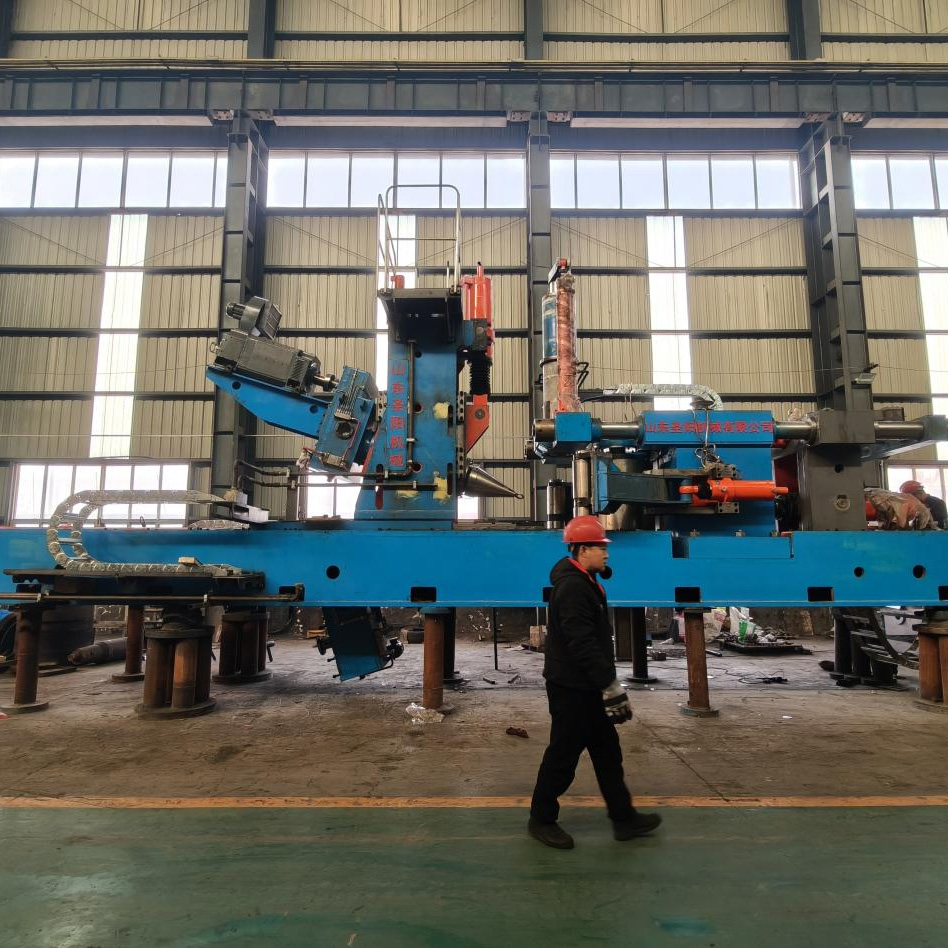
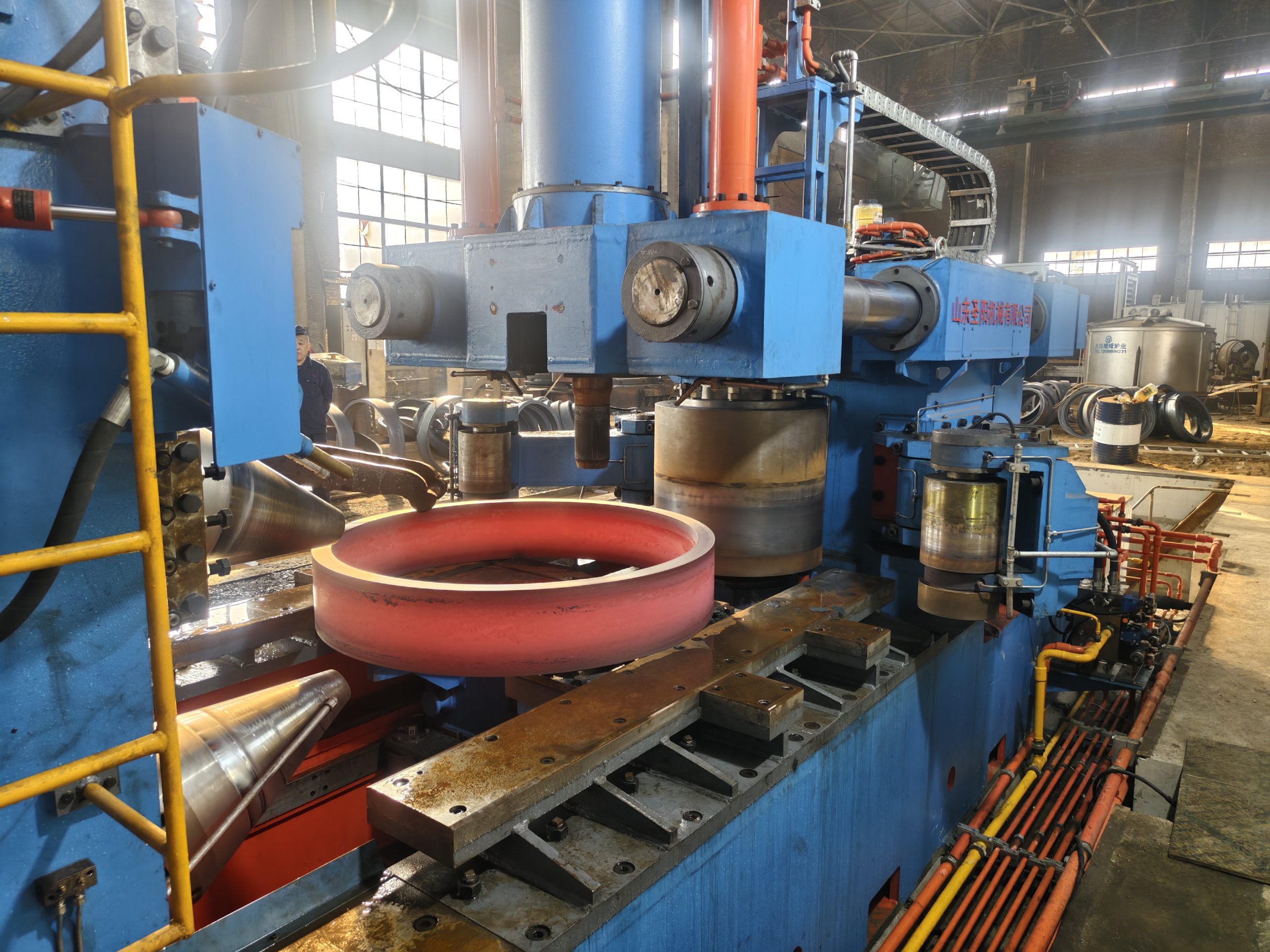
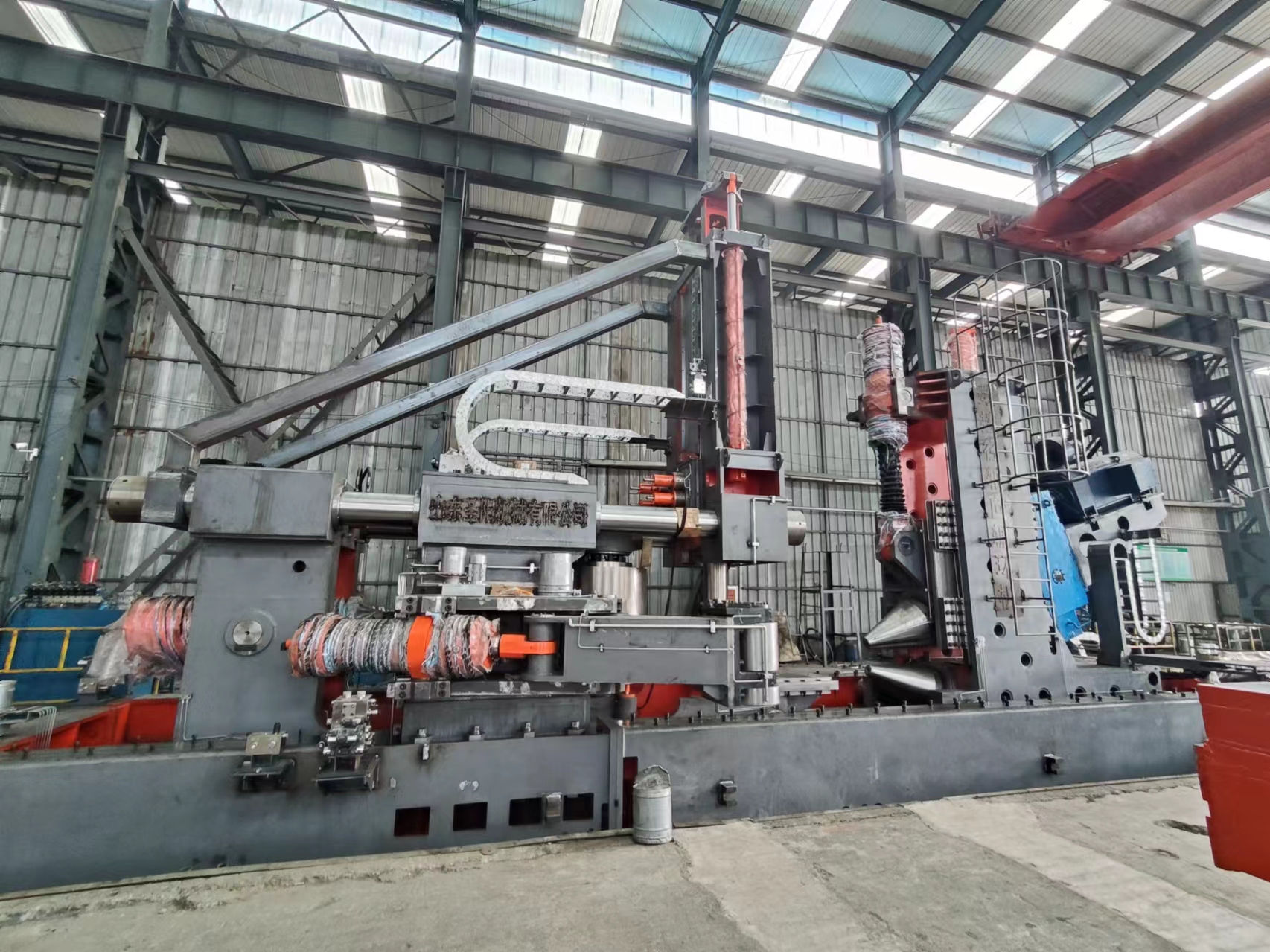
An indirect sign of a real manufacturer is the presence on their website of information about their own foundry or a serious machining area. If a company shows workshops with large portal machines that process their own beds, this is a good sign. For example, on the siteShandong Shenyang Mechanical Equipment Co.,Ltd (https://www.shengyangjxgroup.ru) it is clear that they position themselves as a high-tech enterprise with a full cycle. In their case, judging by the description, the emphasis is on their own engineering and production base, which is critically important for the machine tool industry.
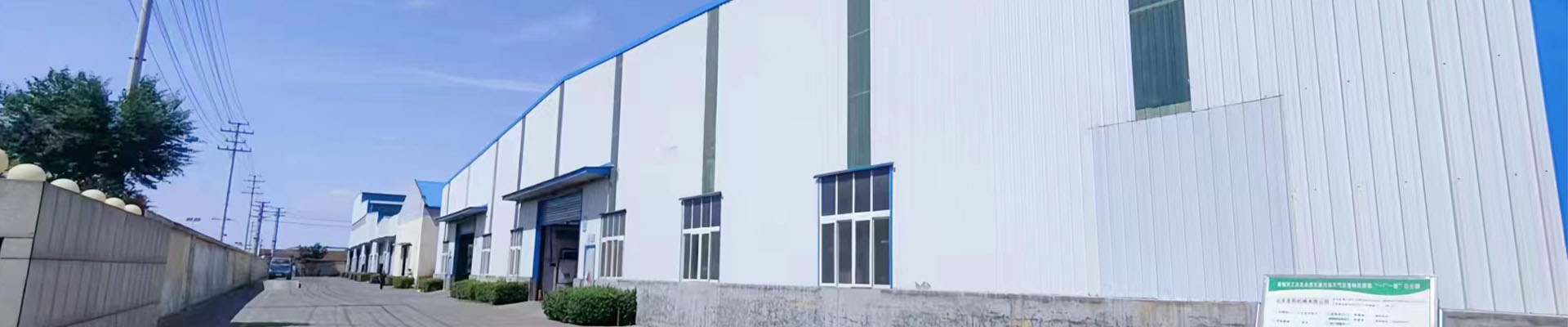
A couple of years ago I traveled to China, to the Shandong province, to look at several potential suppliers. The goal was to find a manufacturer of reliable CNC lathes for our workshop. One of the visits was to an enterprise similar in type to the one mentioned in Shenyang. What immediately caught my eye was the scale. This is not a small workshop, but a huge territory with several buildings.
But the details were more important. In the assembly shop, I noticed how the guides were mounted. The workers used a laser level for precise installation, and not just “by eye”. This is expensive equipment, and its presence indicates a serious approach to accuracy. At the same time, at another, less famous plant, I saw how the same operations were done using ordinary levels and templates. Of course, there will be a difference in the final geometry of the machine.
Another point is testing. A good factory always has a run-in section, where the assembled machine is driven in different modes, often for 24-48 hours, with vibration and temperature sensors. They showed me graphs of such tests. At less advanced enterprises, testing comes down to a couple of hours of idling and simple drilling in a block. It is clear where the probability of getting a “pig in a poke” is higher.
Even if everything is perfect with the frame and mechanics, the machine can turn into a pile of metal due to problems with the control system. Many Chinese manufacturers offer a choice: install a Japanese/German CNC system (expensive, but reliable) or their Chinese equivalent (cheaper, but with nuances).
I have worked with both Syntec and Fanuc machines. Of course, there is a difference, especially in usability and stability. But what is important: even with a Chinese system you can work successfully if the manufacturer has integrated it well and provides normal technical support. The problem is that some small assemblers take the cheapest controllers, shove them into the machine, and the drivers and software may be “crude”. We had a case where the machine periodically lost its zero point. It turned out that the problem was a conflict between the controller software and the stepper motor drivers. We decided only after a long correspondence and firmware update from the controller manufacturer, and not from the machine assembler.
Therefore, now, when choosing, I always separately clarify: who is the manufacturer of the CNC system, do they provide original manuals, and is there a possibility of direct consultations with their engineers in case of complex problems.
Price is, of course, the main magnet. But a low price often means not only savings on components, but also on service, packaging, and documentation. I have seen how machines arrive at the port in a container with minimal fixation, which leads to damage during long transportation. A good manufacturer always pays attention to packaging and fastening, sometimes even providing a photo of the packaged machine before shipping.
Logistics from China is a different story. Working with a trusted agent or choosing a supplier who has experience shipping to your country (such as Russia) removes a lot of headaches. They know all the customs nuances and can prepare documents correctly. Companies likeShandong Shenyang Mechanical Equipment Co.,Ltd, which have a localized website on .ru and, apparently, are focused on our market, are usually more savvy in this regard.
In the end, returning to the original question: “Where are the manufacturers?” - they are scattered throughout the country, but you need to look for them not by big names, but by deep-seated features: in-house production of key components, approach to quality control, transparency of the supply chain and the presence of a real engineering department. Sometimes it is better to pay 10-15% more, but get a machine from the factory that designed and cast it itself, than to chase the lowest price and then spend months dealing with problems that arose due to saving on important details. Experience, often bitter, teaches that in machine tool building there are no trifles.