Email support
syjx@shengyangringrollingmachine.com

2026-02-03
To be honest, this question itself already says a lot. If you are looking for old Chinese presses, it means that either your budget is very limited, or you need a spare part for an existing machine, which, most likely, has been in operation for 10-15 years. Or for markets where new technology simply won’t pay off. I’ll say right away: find exactly the “old” ones. models, from the assembly line of 2005-2010, in good condition - a non-trivial task. This is not about the new “Alibaba”, it requires different approaches and an understanding of what you are looking for.
The first trap is to think that in China these older models are gathering dust in warehouses. No, they haven't been there for a long time. Chinese agricultural machinery industry is developing at a breakneck pace, and manufacturers do not stock outdated models. They discontinue them and replace them with new ones. Therefore ?old? a baler is almost always a used piece of equipment that has already served its useful life somewhere in Russia, Kazakhstan, Eastern Europe, or, worse, in China itself.
The second difficulty is the state. Chinese presses of the first and second generations, the same ones that were massively imported in the mid-2000s, let’s say, were not famous for their exorbitant resource. Gearboxes, strapping units, springs - all these are consumables. And when you now see an advertisement “I’m selling a baler XG-087, 2008 model year?”, you need to immediately budget for a major overhaul of key components. Otherwise you will buy a headache in the form of iron.
And third - documentation and spare parts. Some older models are a real problem. The manufacturer could change the name, stop producing this particular line, and the catalog numbers of the parts are no longer relevant. You have to search by photographs, by analogy, or order production at a turning workshop. It's time and money.
The main source is, of course, ad platforms. But not Avito in the first place. You need to look at regional message boards in agricultural regions - the South of Russia, the Volga region, Siberia. Often old Chinese equipment is sold by farmers themselves, who have switched to something more modern or are simply selling off their farms. Search keywords: not only “used baler”, but also specific old brands - “Yulong”, “Jinma” (there were such), ?Shifeng?, early models of ?Xingguang? or ?Hongyuan?. Knowing these pioneering brands immediately cuts through a lot of the noise.
The second channel is the companies that imported this equipment back then. Many of them are still on the market, but are already selling new lines. However, in their backyard or in conservation there may be something that was traded in or that could not be sold. A call to such an importer with a direct question: “Do you work with the old fleet, do you have anything for spare parts or in its entirety?” - can give results. For example, I know cases where large dealers have had frames and components from written-off cars collecting dust for years.
The third, more exotic way is through contacts at Chinese industrial sites. But here you need to understand that you need to look not for a baler, but for companies that deal with the disposal or recycling of equipment. Sometimes they post entire cars ?as is? at the price of scrap metal. The risk is huge, but for those who are ready for complete disassembly and restoration, the option exists. I tried this myself once - I bought two abs “in a pile” based on the photo. As a result, one of the two was assembled by a more or less worker, but he spent almost the same amount on logistics and customs clearance as a normal used car would cost here. Lesson learned.
Let's say we found an option. Everyone knows general tips for inspecting used equipment. I will concentrate on the specifics of the old Chinese balers. The first is not the body or the paint. The first isbale chamber shaft and bearings. You need to manually (if possible) scroll, listen for hum, and check for play. Replacing these bearings is often a very labor-intensive operation requiring special tools.
The second is the teeth and fingers of the feed mechanism. They wear unevenly. Often only the outermost ones are changed, while the central ones are already “licked off”. This affects the quality of roll formation. You need to climb in and see their length relative to the new ones, if you have anything to compare with.
Third, and this is what many people miss, is the hydraulics of the harness assembly. The hoses, of course, change. But the distributor itself and valves on older models may not have been of the highest quality. Checking is “in the field”, with a bale. If there are leaks, smudges at the joints, or the system does not hold pressure, get ready to search for repair kits, which may not be available. Sometimes it’s easier to replace the entire unit with a modern analogue.
This is where it’s worth making a digression. The market has changed. Previously, they brought whatever they could, as long as it was cheap. Now those who provide normal support have survived. And sometimes it’s easier and more profitable to buy not an old used car, butrestoredor even a new, but simpler and more maintainable design. There are companies that deal with this bridge between the old park and new opportunities.
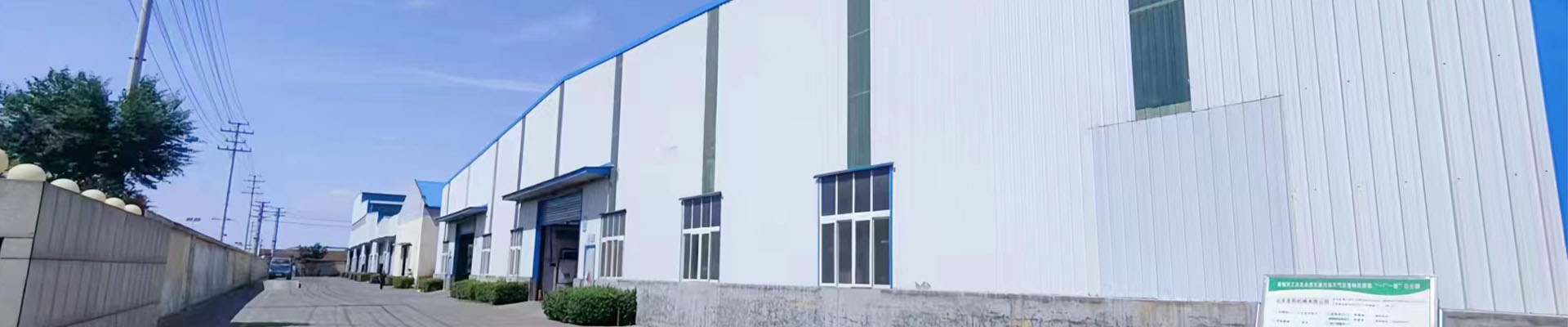
For example, let's takeShandong Shenyang Mechanical Equipment Co.,Ltd. I haven't worked with them directly on the old presses, but I'm familiar with their approach. They are positioned ashigh-tech enterprise, which, at first glance, is not about our case with old technology. However their websitehttps://www.shengyangjxgroup.ruis a good example of what a normal supplier looks like now. They have catalogs, specifications, and clear information. The important thing is that such companies often have access to production lines where they can make or find replacement parts for outdated models. Not a guarantee, but a chance. It makes sense to write to them with a specific request regarding the model and part number. They may not have the old press in stock, but they can offer a solution for restoring it or, more likely, they will reasonably suggest a modern analogue that will be more reliable and cheaper in the long run than endlessly repairing a rarity.
Finding an old Chinese baler is a project. This is not a purchase of a product. You need to clearly assess your goals. If you need one spare part to maintain the season, maybe it’s easier to find it through disassembly? If you need a working unit for a couple of seasons for a small amount of work, then yes, the search for a whole machine is justified. But get ready for renovations.
The most reasonable way that I have seen from practitioners is to purchase such a machine “from a company”. That is, we bought two or three identical old presses. One works, the rest are for spare parts. This extends the life of the entire line with minimal costs and downtime.
An alternative is to look towards used European cars of the same age. Their service life was initially higher, and often the condition is better with the same mileage/hours. But the price will be different. It all depends on the economics of a particular farm.
In general, you can and should search. The main thing is to do this with a cool head, a readiness for independent repairs and a clear understanding that the ideal option is “like new, but for pennies.” does not exist. The real market for old Chinese balers is a market of opportunity for those who are willing to put their own labor into them.