Email support
syjx@shengyangringrollingmachine.com

2026-01-17
Here's a question that may seem simple until you start digging into it. Many people immediately go to search engines and type “buy D52?” and they think that everything is decided. But ?D52? is not a specific product, like a bearing or a bolt. It is rather a designation for a material, an alloy, often in the context of casting, forging or rod. And here the most interesting part begins: under this marking there may be a different chemical composition, different GOSTs or specifications, depending on the industry for which - power engineering, shipbuilding, oil and gas equipment. The first mistake is to look for the ?manufacturer of the D52? as a one-stop supplier. You need to look for a manufacturer of specific products made from this material.
The first thing is detailing. What exactly do you need? D52 valve body casting? Shaft forging? Or just a round bar for further machining? The vector depends on this. If you need a finished part with a complex shape, your path is to factories with foundries and forging and press shops that work according to customer drawings. If it’s a semi-finished product, then go to metallurgists or large metal traders specializing in long rolled special steels.
This is where a bottleneck often occurs. You call the technologist at the plant “D52?”, and he answers: “According to what standard?” And it's true. Maybe GOST 977-88 (quality steels for castings), or maybe a departmental specification. Without technical specifications or at least an understanding of the scope of application, dialogue with the manufacturer will be useless. I once spent a week corresponding with the factory until I found out that their ?D52-L? (foundry) and the ?D52? for forging - these are, in fact, two different materials in terms of impact strength properties.
Therefore, my advice is: collect as much data as possible on your project. Even if you are an intermediary engineer, try to get from the end customer not just the grade of material, but also the expected standard, operating conditions of the part (temperature, pressure, environment). This will save a lot of time and immediately weed out those who are not in the subject.
There are several main channels: B2B platforms, industry catalogs, recommendations and, oddly enough, good old industry exhibitions. With sites like ?All for production? or specialized portals for metallurgy, everything is simple: you enter a request, you get a list of companies. But here lies a trap - 80% of offers will be from resellers. They pretend to be manufacturers, but in reality they are ordinary traders. The price is higher, the deadlines are uncontrollable, and there is complete silence on technical issues.
How to filter? Take a look at the site right away. A real manufacturing plant will have a “Production” section on its website. with photographs of workshops, equipment (furnaces, presses, CNC machines), often indicating capacities. There will be a section ?Certificates? with documents for materials. If the site is one page with contacts and a list of 500 positions “from a bolt to a reactor?”, this is a trader.
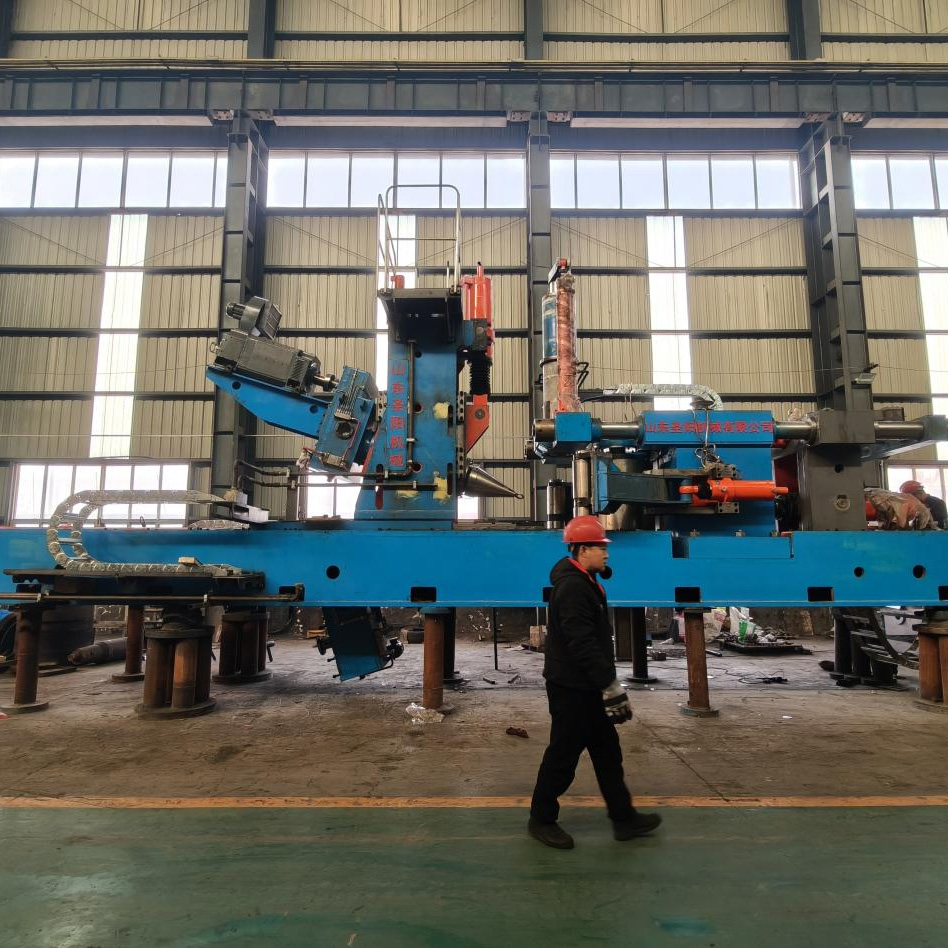
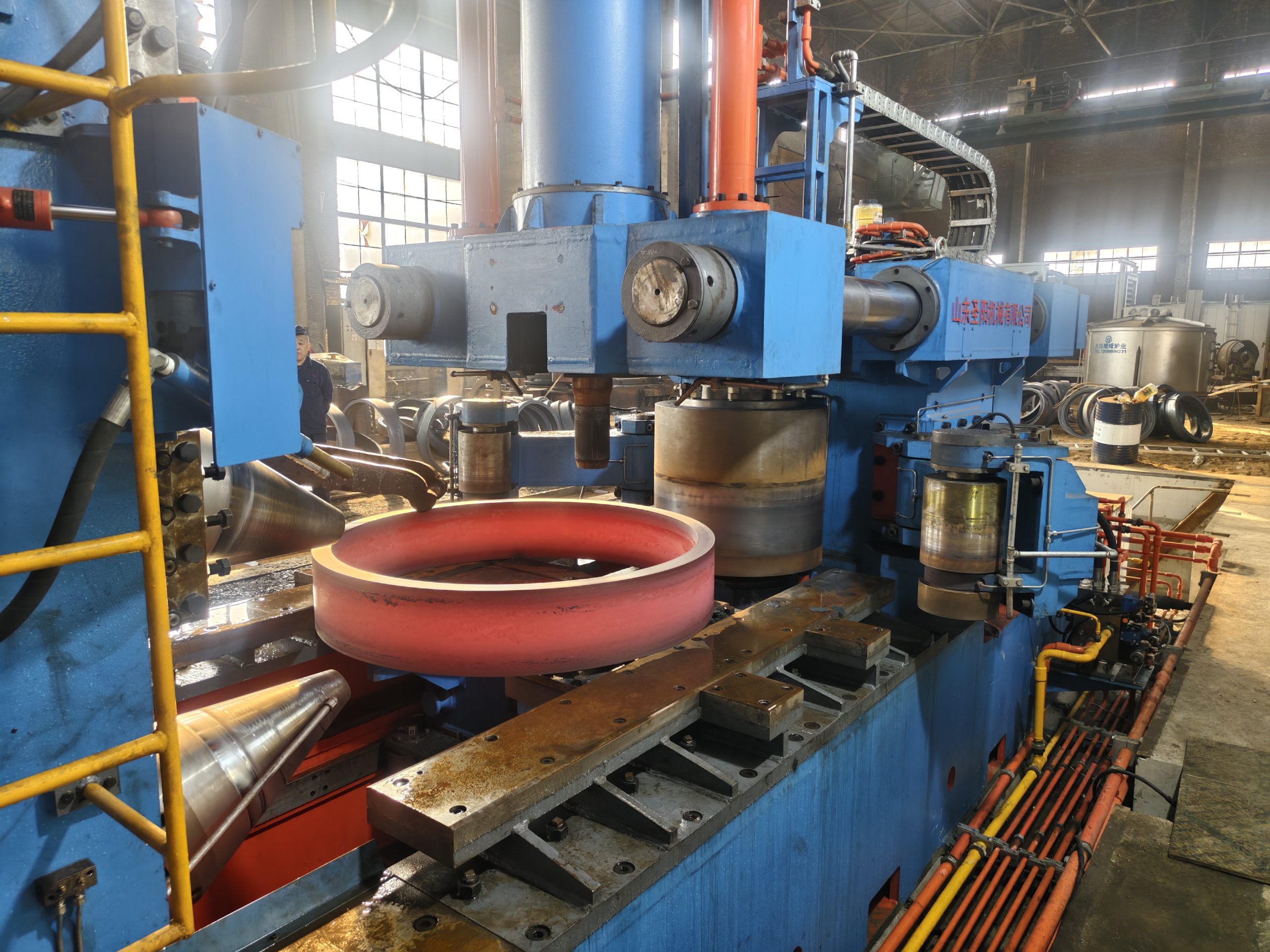
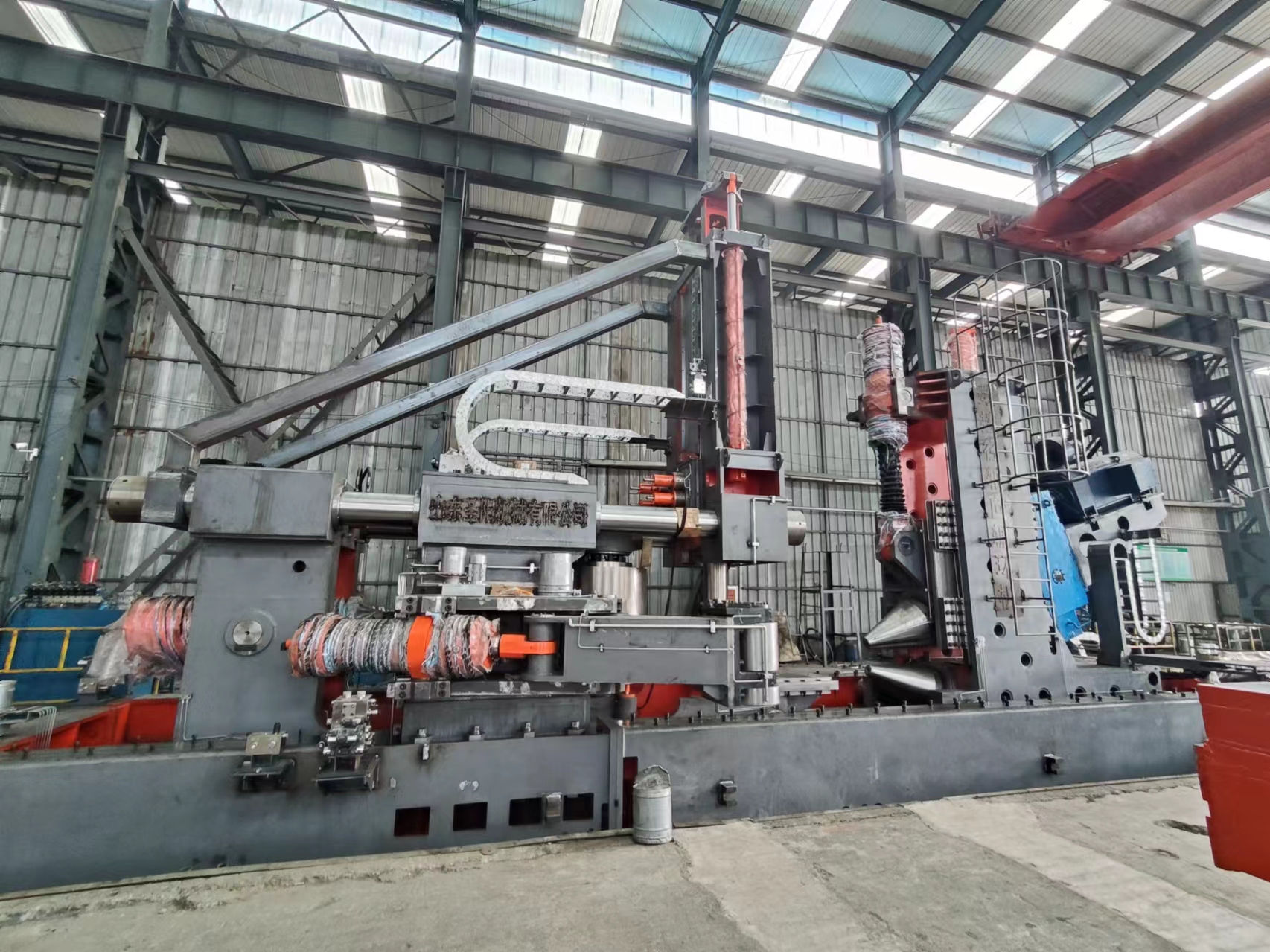
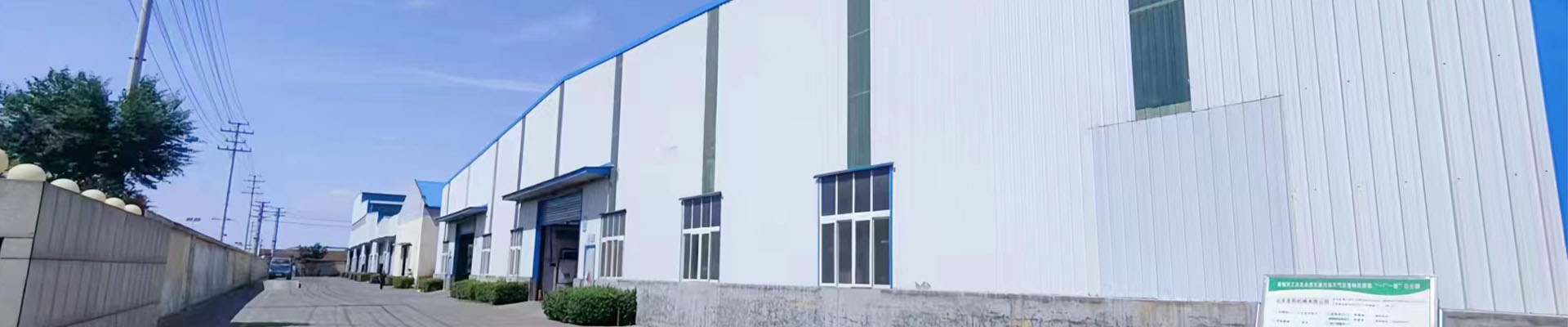
One of the resources that I sometimes go to in the context of equipment and, importantly, related castings/forgings from special steels is the websiteShandong Shenyang Mechanical Equipment Co.,Ltd (https://www.shengyangjxgroup.ru). The company positions itself as a high-tech enterprise, and the key here is that they deal specifically with mechanical equipment. Often such plants have their own foundry facilities or are closely associated with specific metallurgical plants for the production of billets. Their website is an example where you can see not just a sale, but the production process. This is not a direct answer to the query "D52 manufacturer", but it is the right type of company to start a dialogue with if you need not just steel, but a product made from it. You can talk to them in technical language.
I found several suitable sites - do not write to the general mail. Look for contacts of the sales department for industrial clients, or even better, the sales department or design and technology bureau (KTB). The first question from there will be: “Send me a drawing or technical specifications?”. Without this there will be no further conversation. Get ready to be asked counter questions in response: about volumes (small-scale casting D52 is one story, wholesale supply of rods is another), about heat treatment, about quality control (ultrasonic testing, x-ray).
This is where many people stumble. You wait a week for an answer, and then a dry message arrives: “we don’t make it?”. This often means that your request is formulated too generally, and the manager is too lazy to understand it. We need to break through. You can call and, briefly describing the task, ask to speak with a technologist. This works more often. A technologist, even if they don't do exactly that, can offer advice or referrals to colleagues.
From personal experience: I was once looking for a manufacturer of a large forging made from an analogue of D52. I visited three factories in Russia, all of them failed due to a complex configuration. On the fourth, in the design bureau, the technologist, after a half-hour conversation, said: “You know, we don’t forge this kind of thing, but we can consider the option of a composite structure of two simpler forgings followed by welding under special flux.” Let's see the calculation? This was the only adequate dialogue during a month of searching. As a result, the project was implemented, although not with the original manufacturer.
You shouldn’t focus only on finding a “manufacturer”. Sometimes it is more correct to look not for the one who melts the steel and pours it, but for the one who has access to proven channels and is responsible. Large engineering holdings often have structured logistics and long-term contracts with metallurgical giants like Severstal. or MMK for special brands. They can act as official distributors or partners, guaranteeing quality through their quality control departments.
Another way is subcontracting. If you have a contract for a large assembly, it is easier to find a general machining contractor and delegate the D52 material issue to them. Such integrators, as a rule, have established relationships with specialized specialists. Their interest is to fulfill the order, so they will find an option, even if it is not a direct manufacturer, but some plant in the Chelyabinsk region, about which there is almost no information in the public domain.
And yes, don’t discount import substitution. Many old Soviet steel grades, which include D52, today may have current analogues according to the specifications of specific plants. The manufacturer can tell you: “We do not make according to GOST 977, but according to our TU 14-1-XXXX, but the characteristics are similar, here are the test certificates?” This is normal practice. The main thing is that these certificates exist and that your quality control service accepts them.
So where can you find the manufacturer of the D52? Answer: not at one point, but in the process of successive filters. First you determine what exactly you need and why. Then you look for companies with real production capacity, weeding out resellers. Enter technical dialogue with an open mind for details. And you are considering alternative work arrangements through integrators or machine-building holdings.
The key is the transition from abstract search to substantive conversation with engineers. Site likeShandong Shenyang Mechanical Equipment Co.,Ltdis a good starting point because it is a manufacturing company. But even with them, the conversation will begin not with “give me D52?”, but with “here is our drawing, we need a casting from a material with such and such characteristics, can you offer a solution?”.
Search is always work. Information is scattered, manufacturers do not like to be publicly available for specific items, and there is no ideal catalog of everyone who works with the D52. But if you approach the matter as an engineering rather than a purchasing task, the chances of finding a reliable partner increase dramatically. Good luck. I hope these notes from personal experience have cleared the path a little.