Email support
syjx@shengyangringrollingmachine.com

2026-01-28
If you are looking for a ring rolling mill supplier in China, your first thought is Alibaba. But this is perhaps the main mistake. There you will find dozens of pages with almost identical photos, promises of “better quality?” and vague descriptions. The problem is that this equipment is specific, not a conveyor product, and real, “combat”? There are only a few manufacturers who make machines for rolling rings for serious tasks. The rest are resellers or workshops whose capabilities are greatly exaggerated. My experience suggests that the search needs to start from the other end - not from the trading platform, but from an understanding of what exactly you need: a mill for small rings made of non-ferrous metals or a heavy unit for large-sized forgings in power engineering. The entire route depends on this.
Chinese mechanical engineering is very regionally specialized. If we talk about forging and rolling equipment, includingring rolling machines, then the historically established clusters are the provinces of Jiangsu (especially the Taixing region), Shandong, Henan and partly Liaoning. Taixing, for example, is home to an incredible number of small and medium-sized factories. They often work on the principle of “we’ll do everything?”, but the depth of elaboration varies. Their strength is their relatively standard models for rings with a diameter of up to 2-3 meters. Prices are competitive, but you need to look very carefully at the components used: hydraulics, CNC, bearing units. They often save money on this, by installing local analogues instead of, say, Rexroth or Siemens.
For larger, more technologically advanced solutions, it is worth looking at enterprises in Shandong. Heavy industry is traditionally strong there. It is there that there are several factories that not only assemble machines from purchased components, but have their own foundry and processing facilities for beds and roll bodies. This is critical to the longevity and accuracy of the equipment. While working on a project to supply a mill for rolling titanium rings, we just stepped on a rake with the “assembler?” from Jiangsu: a bed cast at a third-party factory without proper control developed microcracks after six months of operation. I had to enter into long and unproductive disputes about the warranty.
There is a third ?China? - these are large state or former state holdings, for example, in Dalian (Liaoning) or Wuhan. They make excellent, often unique equipment, but their market is primarily domestic Chinese. Reaching them is difficult, the negotiation cycle is long, and they are rarely interested in small or even medium-sized export orders. Unless your project involves supplying an entire line for tens of millions of dollars, this path is most likely a dead end.
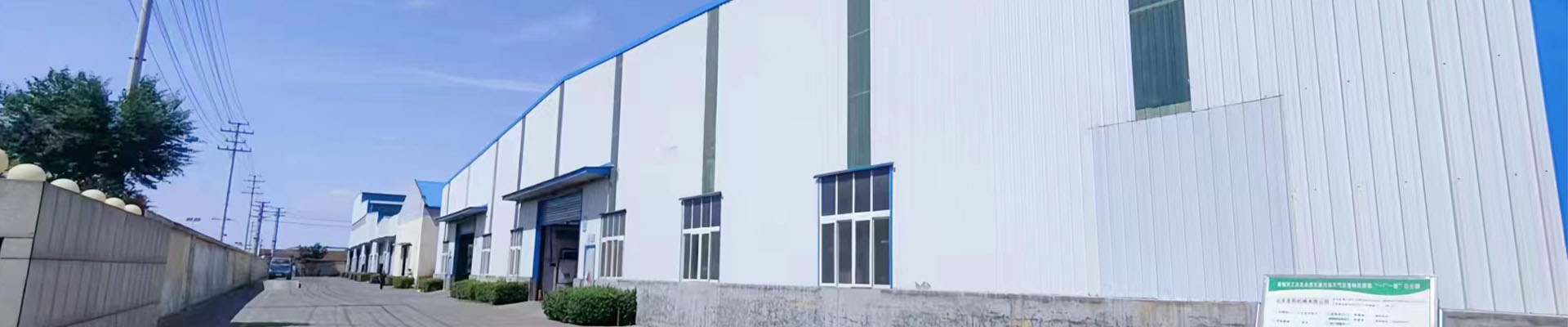
This is perhaps the most important practical skill. The first and most obvious sign is the presence on the site of detailed photographs of workshops: foundry, machining, assembly. Not just a couple of stock images of workers at a machine, but photos with recognizable features of this particular plant - for example, with the branded coloring of the equipment or a specific layout. If all the photos look like they were taken in different places and at different times, this is a red flag.
The second point is technical documentation. A real manufacturer will be able to provide not just a beautiful PDF catalog, but detailed drawings of the main components (of course, after signing an NDA), kinematics or hydraulics diagrams. In a conversation with their engineer (and not a sales manager!), you can discuss the nuances: what is the design life of the support bearings of the radial-axial pair, how the system for synchronizing the movement of the main and support rolls is implemented, what tolerances for the ovality of the finished ring are included in the CNC system. If in response you hear general phrases or a reference to “standard parameters”, you should think about it.
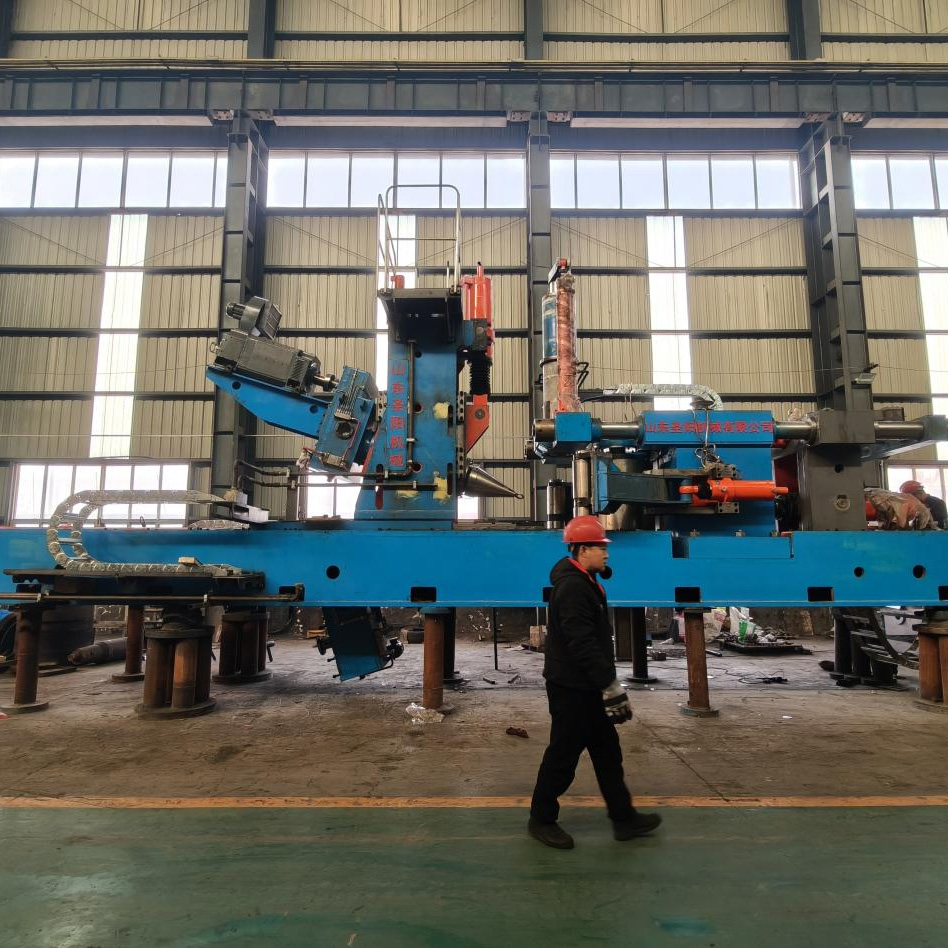
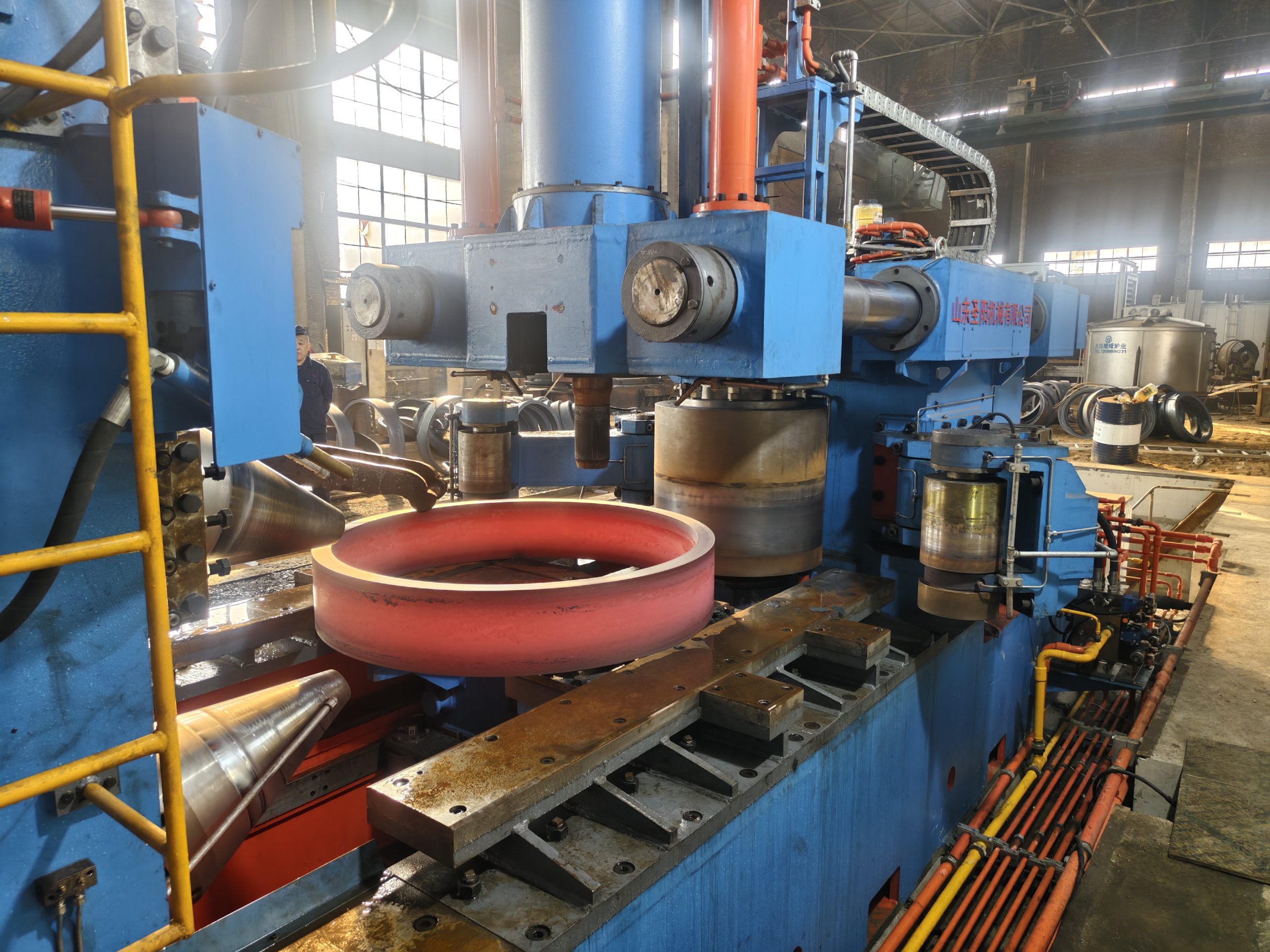
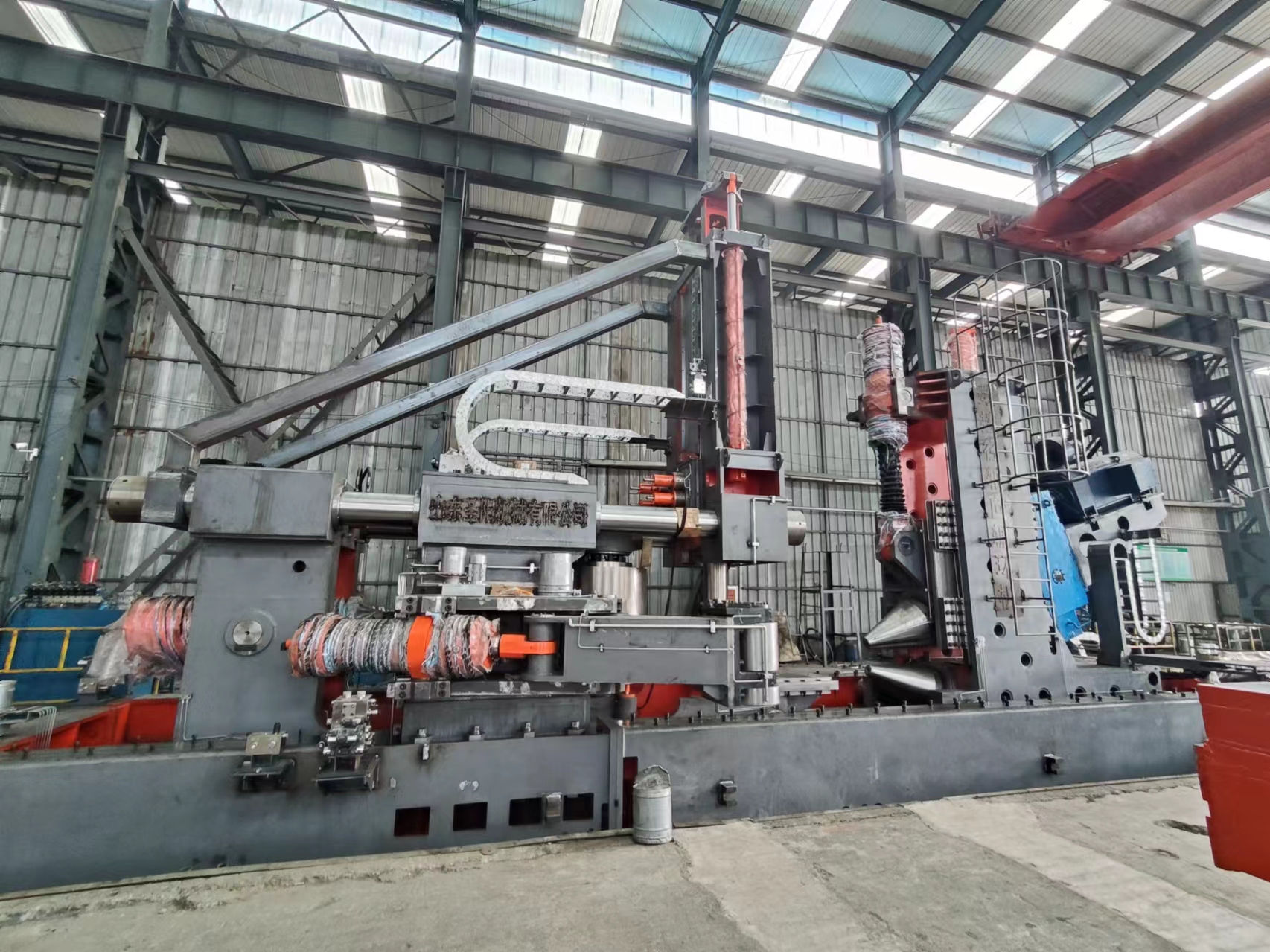
One of our successful finds at the time -Shandong Shenyang Mechanical Equipment Co.,Ltd. On their websitehttps://www.shengyangjxgroup.ruI was initially attracted by the fact that they position themselves ashigh-tech enterprisewith a focus on R&D rather than just a factory. This is often marketing, but in this case it was confirmed. When we requested information onring rolling millswith a radial-axial diagram, they sent not only a standard commercial proposal, but also options for technological maps for our material (heat-resistant alloy), and also offered options for upgrading the diameter measurement system. It was clear that there was an engineering team that delved into the essence of the process, and did not just sell hardware.
So you've found several potential candidates. The prices have been sent, and the spread can be double. The temptation to take the cheapest offer is enormous, but here you need to turn on paranoia mode. A low price almost always comes at the expense of something. You need to literally build a table and compare each item of the technical specification: steel grade for the main parts (is a specific grade indicated, for example, 42CrMo?), country of origin of hydraulic pumps and valves, model and brand of the CNC system, presence or absence of heat treatment of critical components, warranty conditions (12 months for everything or different periods for different components).
A very important point is installation supervision and commissioning. The price should include not only delivery, but also the work of two or three of their specialists at your site. Ideally, the contract provides for acceptance tests with rolling of test pieces and measurements of geometry, hardness, etc. We once saved on this by deciding to start the mill using our mechanics according to the instructions. As a result, incorrect alignment led to increased runout of the rolls, and we lost a month for correspondence and calling a specialist at our expense.
Spare parts are a different story. Be sure to discuss in advance the terms of their delivery, the availability of a warehouse for the most worn items (for example, hydraulic cylinder seals, position sensors) and their cost. Otherwise, you may find that to replace a broken ring gear that costs $5,000, you will be asked to wait 4 months under the pretext of “custom manufacturing.”
In an era when traveling to China to audit a plant is not always possible, you have to get out of it. Requesting references (a list of completed projects) is a standard procedure. But it’s not enough to get a list of 20 companies. You need to ask for contacts of specific technical specialists at 2-3 enterprises that bought the mill a couple of years ago. And call them. Ask not “is everything okay?”, but specifically: how the mill behaves under peak loads, what is the real accuracy after a year of operation, how is technical support organized, have you encountered any problems and how quickly they were resolved.
Check if the plant has international quality certificates, for example, ISO 9001. Not just a mention on the website, but the ability to provide a scanned copy of the certificate. See if they participate in major industry trade shows such as ?Metalworking? in Beijing or Hanover Fair. Being there, especially with a working exhibit, is a good sign.
You can also use Chinese professional platforms and industry forums (for example, Baidu Tieba), but this requires either a translator or a good understanding of the context. Often in discussions there you can find real reviews, sometimes even with photographs of breakdowns. ForShandong Shenyang Co.,Ltd, for example, we found references in the context of supplying equipment for wind energy - this is a serious area with high requirements for the quality of forgings, which was an additional plus for us.
So where can you find a manufacturer? Answer: not in one place. Need to make a “short list”? from 3-5 companies that have passed the filter based on actual production and technical competence. Then dive into the details of their offerings, comparing not prices, but cost of ownership, taking into account reliability, repairability and support. A personal visit, if circumstances permit, is invaluable. Nothing can replace the opportunity to walk around the workshop, tap a key on a casting (just kidding, but only partly) and look the chief engineer in the eye.
Search is a process, not a one-time activity. The market is changing, new players are appearing, and old ones may lose quality. For us, for example, working withShandong Shenyangbecame a good choice several years ago precisely because of their balanced approach: not the lowest prices on the market, but thoughtful design, high-quality components and, most importantly, adequate engineering support at the launch stage. Their website is just an entry point, a starting point for a serious dialogue.
Ultimately, the right ring rolling mill manufacturer in China is not the one who gives a fancy presentation, but the one whose engineers can ask you as many questions about your process as you ask them about their machine. When communication moves to the level of joint problem solving - from choosing rolling modes to developing equipment - then you are most likely on the right track.