Email support
syjx@shengyangringrollingmachine.com

2026-02-04
Finding a normal turnkey plant is not about Alibaba. If you are looking for where to buy or ordervertical ring rolling machine, get ready for a long road with a lot of pitfalls. Many people immediately jump onto B2B platforms, but there are often traders there who don’t really know what they are selling. Real manufacturers, especially those who make complex equipment like ring rolling mills, are often not very active there. They work through agents or directly with large customers. The first thing you need to come to terms with is that it won’t work out quickly. We need to dig deeper.
The biggest mistake is to simply search for “machine tool manufacturer”. China is huge, and under one word ?machine? Anything could be hidden: from a mini-lathe for a garage to a giant line for shipbuilding. We need to be more specific: exactlyring rolling equipment, and vertical. Horizontal ones are a slightly different story, different players.
Another myth is that all large factories are located in Shanghai or Guangzhou. In fact, ?heavy? industry, metalworking, forging and pressing equipment - this is often the north and east of China: the provinces of Shandong, Hebei, Liaoning, Jiangsu. Industrial clusters have historically developed there. For example, in the area of Jinan in Shandong or Shenyang in Liaoning, many engineering enterprises are concentrated. This is where you should look for roots.
Personally, I started with technical catalogs, not commercial ones. I looked for patents and scientific articles on the topic of ring rolling machine from Chinese universities. Often universities (like Harbin Polytechnic University or Jinan University) collaborate with factories, and articles may indicate partner factories. This gives a lead to real manufacturers, not resellers.
This is a whole art. The first sign is the website. A real plant's website is often... not very beautiful. Lots of technical drawings (sometimes even posted in low resolution), photographs of workshops, assembled machines, videos of the work process. There are few glossy pictures with models in helmets. If there are 50 types of completely different equipment on the site at once - from a rolling mill to a concrete mixer - this is almost certainly a trading company.
The second point is the request for documentation. Ask not just a beautiful PDF booklet, but detailed diagrams, a list of key components (for example, which bearing units, whose CNC, which drive). The manufacturer will be able to provide this relatively quickly, perhaps after signing an NDA. The intermediary will begin to stall for time, asking for information from the “factory”.
The third and most reliable way is a video call with an engineer or technologist right in the workshop. Not with a sales manager in a cozy office, but in a production area. Ask to show the assembly area, the welding area, how the bed is marked. It's very difficult to fake this in real time. One day we were “caught” like that. a company posing as a factory: in the background of the video, only finished machines were visible, and when asked to show the processing of a forging for the main shaft housing, confusion began.
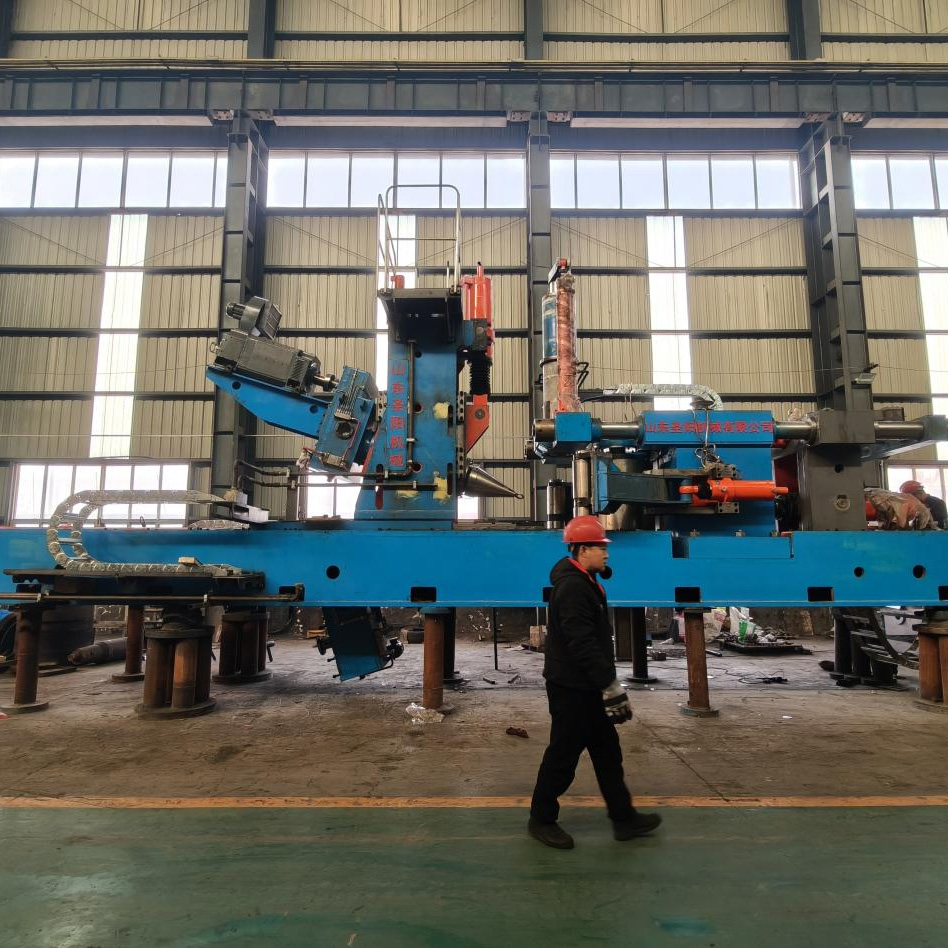
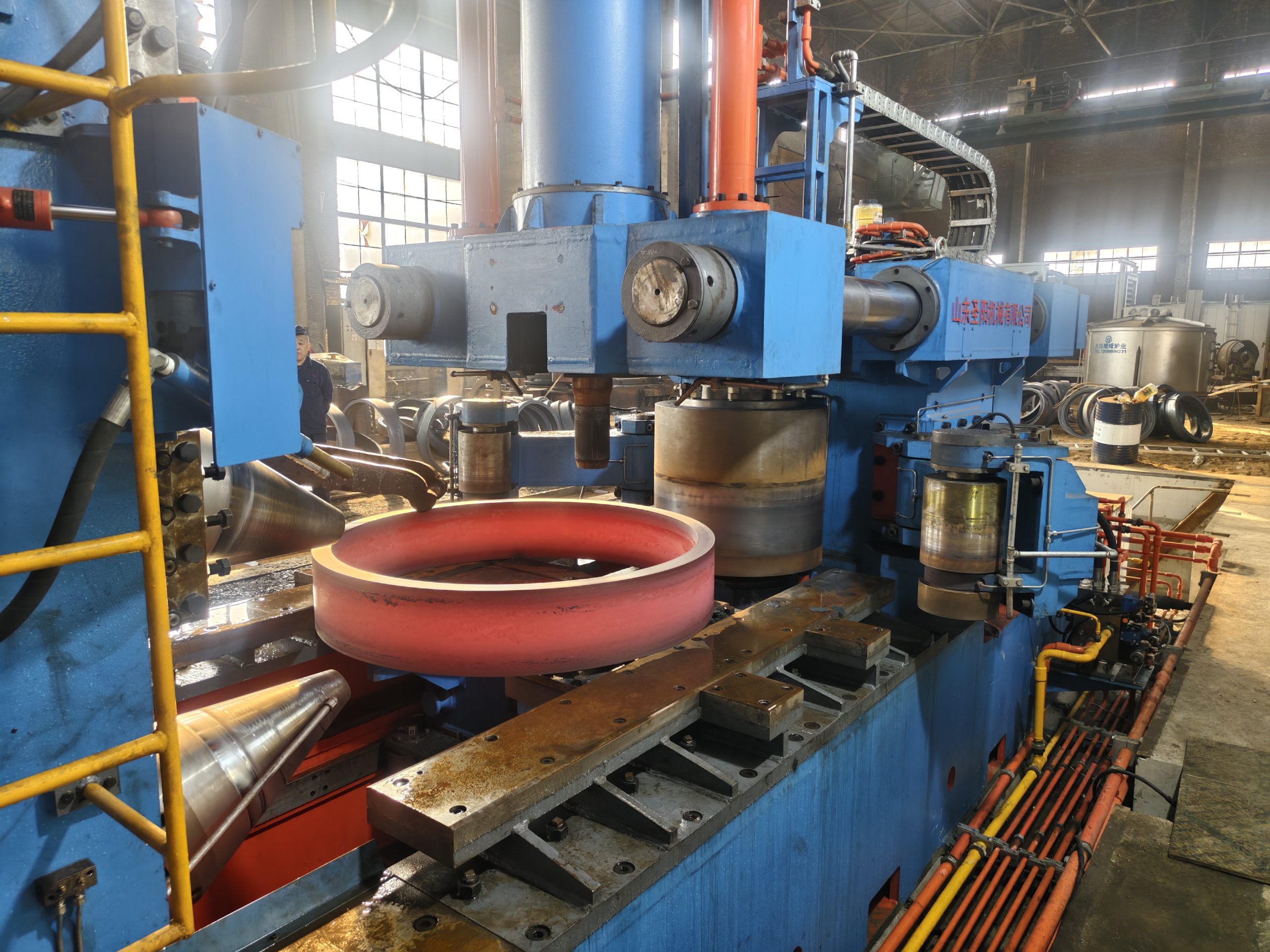
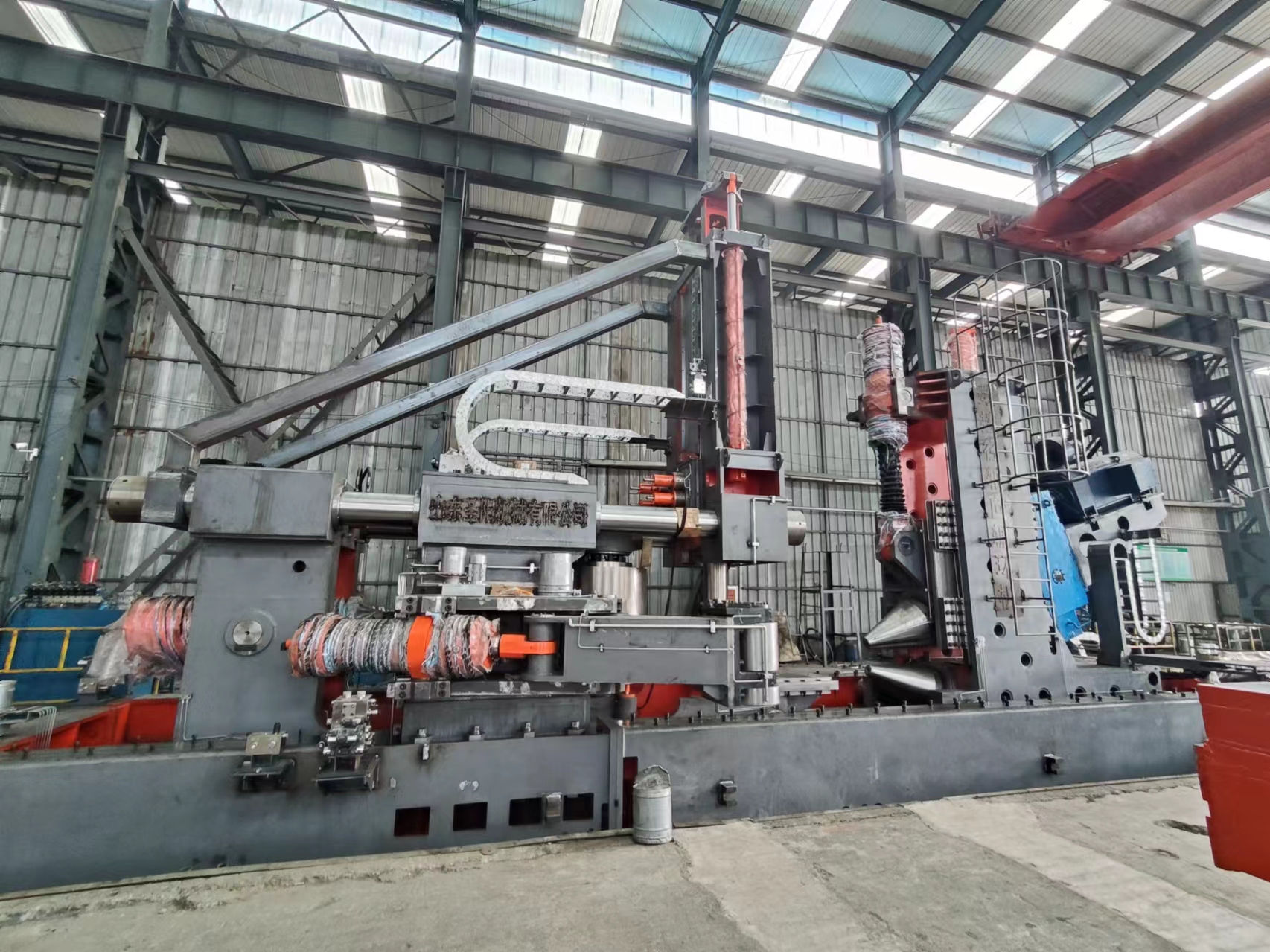
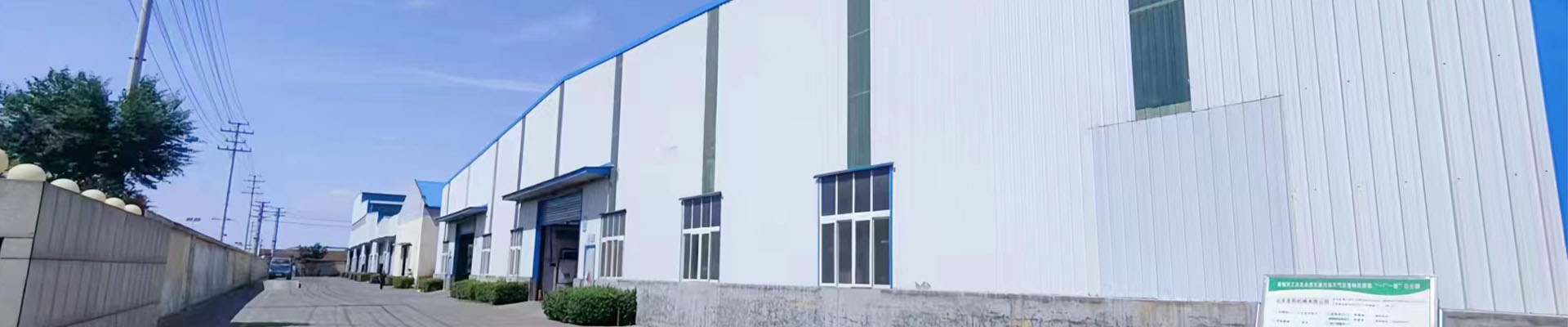
Here, for example,Shandong Shenyang Mechanical Equipment Co.,Ltd. I came across them a few years ago when I was looking for solutions for rolling large rings. Their websiteshengyangjxgroup.ru- this is already a good sign; there is a Russian-language version, which indicates work with the CIS. The description states that this is a high-tech enterprise specializing in R&D and the production of heavy equipment. This is important: ?high-tech? in China often means not just assembly, but in-house engineering.
Studying their product section, it is clear that the focus is on equipment for metal forming: bending, rolling, forging machines. If there isvertical ring rolling mills, then they logically fit into this line, and do not hang alone as a “miracle”. Their video (I always recommend watching) shows the assembly of massive frames - this is an expensive and complex production, which not every “factory” does. can pull. Their location in Shandong also fits into the logic of an industrial cluster.
When working with such companies, it is important to clarify whether they make the machine from scratch? or purchase key components (hydraulics, CNC system) and carry out final assembly. Both are normal practices, but transparency in this matter is critical for pricing and the future of the service.
Price is the last thing you should talk about in the first dialogue. First, a technical dialogue. Ask about the maximum/minimum diameter and height of the ring that the machine can process. About accuracy (ovality, thickness variation) after rolling. About the material of the rolls - this is often a separate problem; they must be made of special wear-resistant steel, and some factories save money by using something simpler.
Be sure to talk about the management system. What CNC costs? Siemens, Fanuc, or Chinese analog? Price, reliability, and the possibility of integration into your line depend on this. Who makes the rolling program? Are there built-in calibration modes for different steel grades?
Ask about the history of the projects. Not “how much did they sell?”, but “where did they put it?” A good manufacturer will proudly show 2-3 cases with photographs of the customer’s finished rings (with his permission, of course). If they say “we supplied a lot to Europe”, but there are no examples, this is an alarm bell. Ask for contacts of existing clients for recommendations. A serious supplier, if you also look serious, can give you the contact of some factory in Turkey or India that is already working on their equipment.
The first is the language barrier at the technical level. The sales manager may speak fluent English, but your conversation with the engineer will be through a translator (often the same manager), and nuances may be lost. The solution is to prepare questions in writing, with drawings and diagrams. Use generally accepted technical terms and avoid complex formulations.
The second is “pitfalls?” in the specification. The contract and specification may say “hydraulic system?”, but the brand of pumps and valves is not indicated. Then it turns out that it’s the cheapest local one, and not, say, Bosch Rexroth or Yuken. All key components must be specified by brand and model.
The third is acceptance. The most critical stage. Be sure to plan a trip to the factory for acceptance testing (FAT - Factory Acceptance Test). You need to see how the machine works on a test workpiece and measure all the parameters. We once saved on this trip by trusting the video, and received a machine with shaft runout that was not noticeable on the recording. It took a long and expensive time to fix it at home.
So where to look? Not on general platforms, but in professional industry catalogs, through technical publications, studying clusters in Shandong, Hebei, Liaoning. Look not at the beauty of the site, but at its technical content and the possibility of direct contact with engineers.
Companies like the one mentionedShandong Shenyang Mechanical Equipment Co.,Ltd, is a good starting point for a serious conversation. Their website and activity profile show the desired specialization. But this is just the beginning. Next comes an in-depth technical check, negotiations on specifications and mandatory personal acceptance.
Search for a reliable manufacturerring rolling equipmentin China it is an investment of time and attention. If you save at this stage, you will overpay many times over at the commissioning and operation stage. Trust only what you can see, touch and test in person. Good luck.