Email support
syjx@shengyangringrollingmachine.com

2026-02-20
There are many suppliers, but finding one who will not let you down with quality, deadlines and after-sales is another level of challenge. Many people immediately go to Alibaba and think that the problem is solved, but it’s like a lottery - you can run into a reseller who doesn’t really understand machines.
Not every manufacturer of metalworking equipment takes on verticals. The technology is specific, the requirements for the rigidity of the frame, the accuracy of the bearing units are completely different. You often see beautiful pictures in catalogues, but in fact it’s a machine for rolling rings of small diameter or soft alloys. Do you need it for large workpieces, for hot rolling? This is where the screening begins.
I personally came across a situation where the supplier boasted of a modern CNC, but the design used outdated hydraulic systems, which became a weak link in our production. We had to modify it ourselves. Key point -vertical ring rolling machinesmust be assessed as a whole: power section, control system, cooling, possibility of integration into the line.
So my first piece of advice is to forget about general queries. Look for those who specialize in forging and die stamping. Their websites are usually not so glamorous, but in the product section there will be technical diagrams, videos of real work, and not 3D animation.
B2B portals are a front door, not a treasure room. I found several more effective ways for myself. Firstly, industry exhibitions in China, such as ?Metal + Metallurgy China? in Shanghai. There you can not only see the machine live (or at least its mock-up), but also communicate with engineers, and not just sales managers. Conversation in technical English or through an experienced translator immediately separates the manufacturer from the trading company.
Secondly, catalogs of standards. Serious factories often indicate by which standards (GB, ISO analogues) they produce key components. You can “go the opposite way”: find patents or technical documentation on specific solutions forring rolling mills, and then look to see which businesses license or use them.
And the third, working way is through contractors. If you already have lines, for example, heating furnaces from some Chinese integrator, ask them. They are interested in a reliable partnership for related equipment and can provide contact with a proven factory with which they themselves work.
Let's say you found several candidates. Here is a checklist of what is often missed when looking only at the price and basic performance characteristics.
1.Origin of components. Electric motors, bearings, PLC controllers. A Chinese factory can assemble a frame, but use Japanese servos and German sensors. This is good. Or maybe put everything ?no-name? local spill. Ask specifically. A good supplier will have a list of key partner brands.
2.Possibility of customization. Do you need a special roll size or diameter measuring system? If in response you hear “everything is standard, you can’t change it?” - this is an alarm bell. A true manufacturer, not an assembler, always has a design department and can discuss modifications.
3.Project history. Not just “we supply to 20 countries?”, but specific cases: for which plant in Russia or the CIS was the machine supplied, what model, for processing what materials (bearing steels, titanium alloys?). Request references or contacts for reviews (with the client's permission, of course).
I'll tell you about my not very successful first experience. We chose a supplier that seemed reputable and at a good price. We discussed everything, but... did not pay enough attention to the inspection before shipment. As a result, we received a machine with a problem with the alignment of the main shaft. Not critical, but it required disassembly and adjustment at our place, by invited specialists. Wasted time and money.
Hence the conclusion:mandatory inspection at the manufacturerbefore paying the full amount. It is better to spend money on a ticket for your technologist or hire an independent inspector in China. He will check the operation of the machine at idle and under load (if possible), compliance with the drawings, quality of welds, and equipment.
The mistake of many is saving on installation supervision and commissioning. Chinese engineers must come and run the machine in your place. If the supplier offers it for some money, it is often worth agreeing. Self-assembly according to the manual is fraught with problems, which will then be attributed to “violation of installation conditions”.
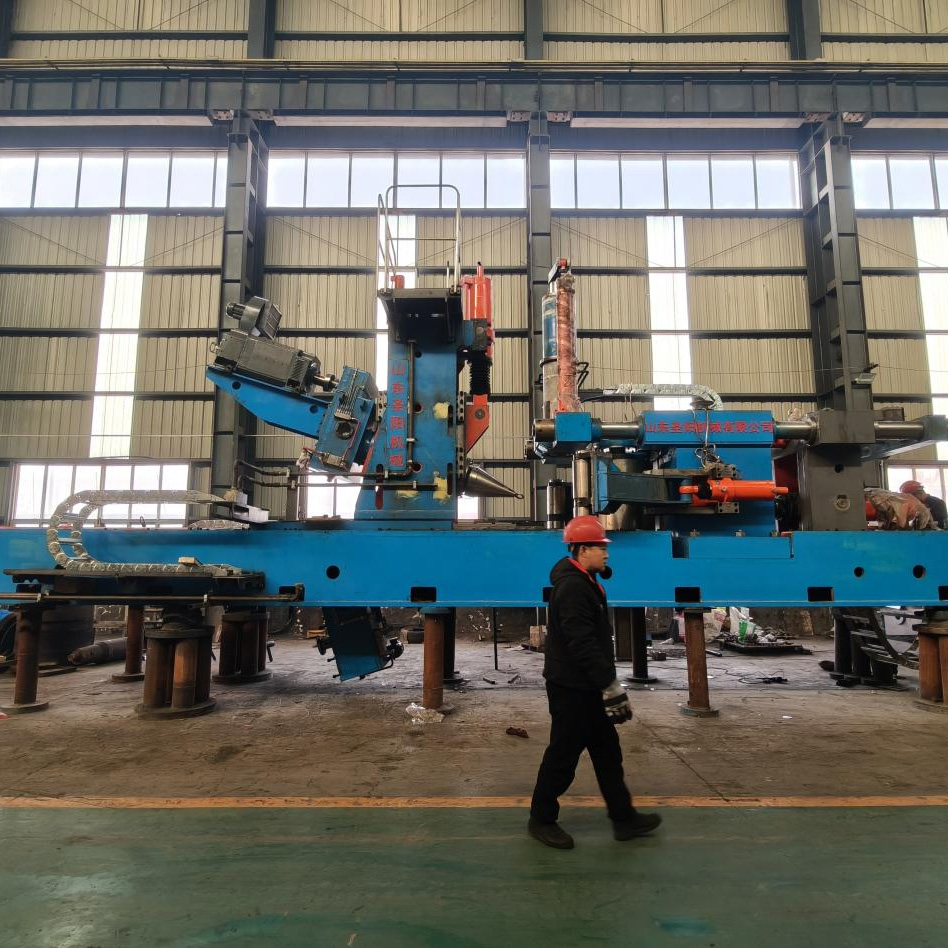
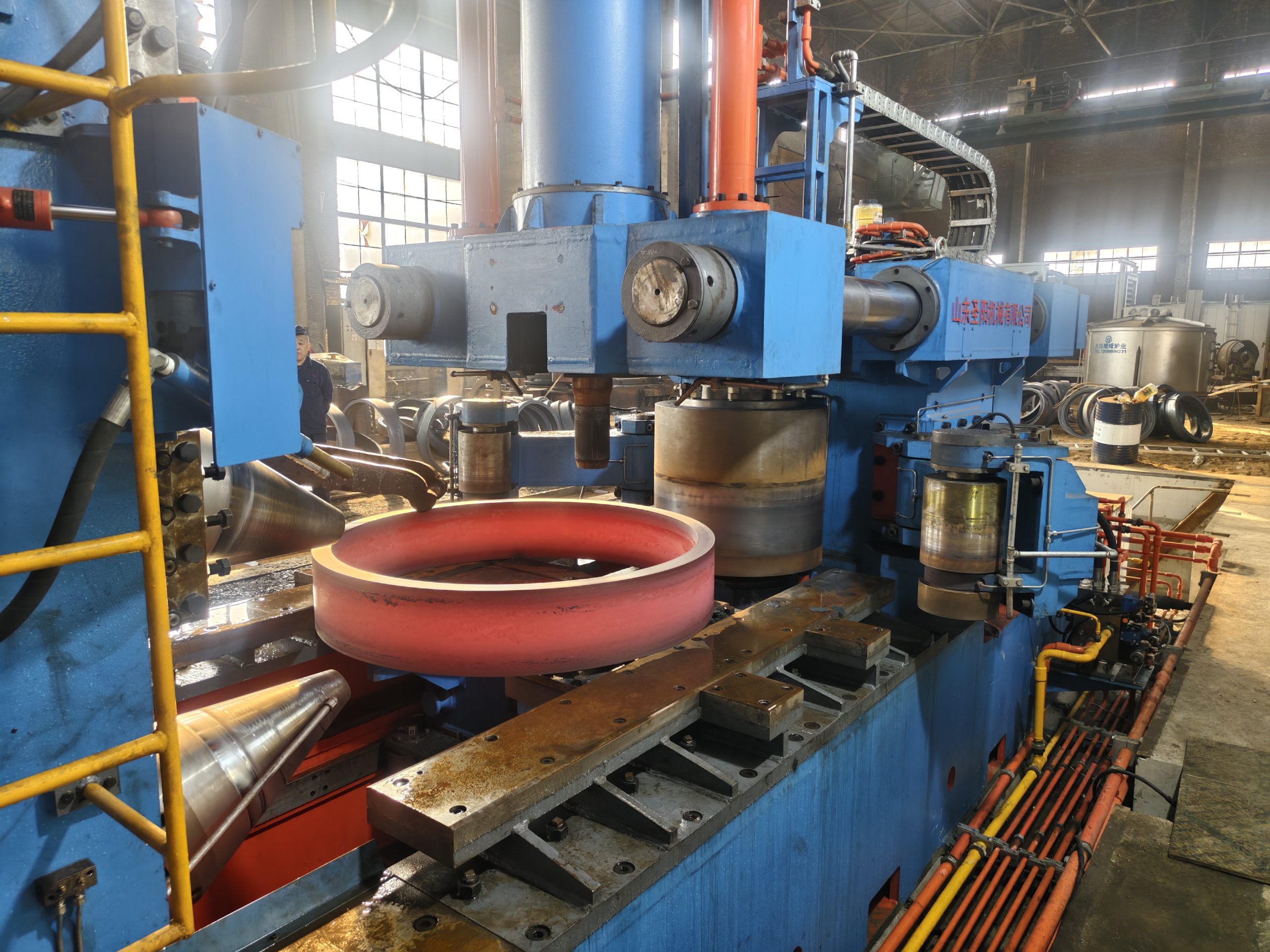
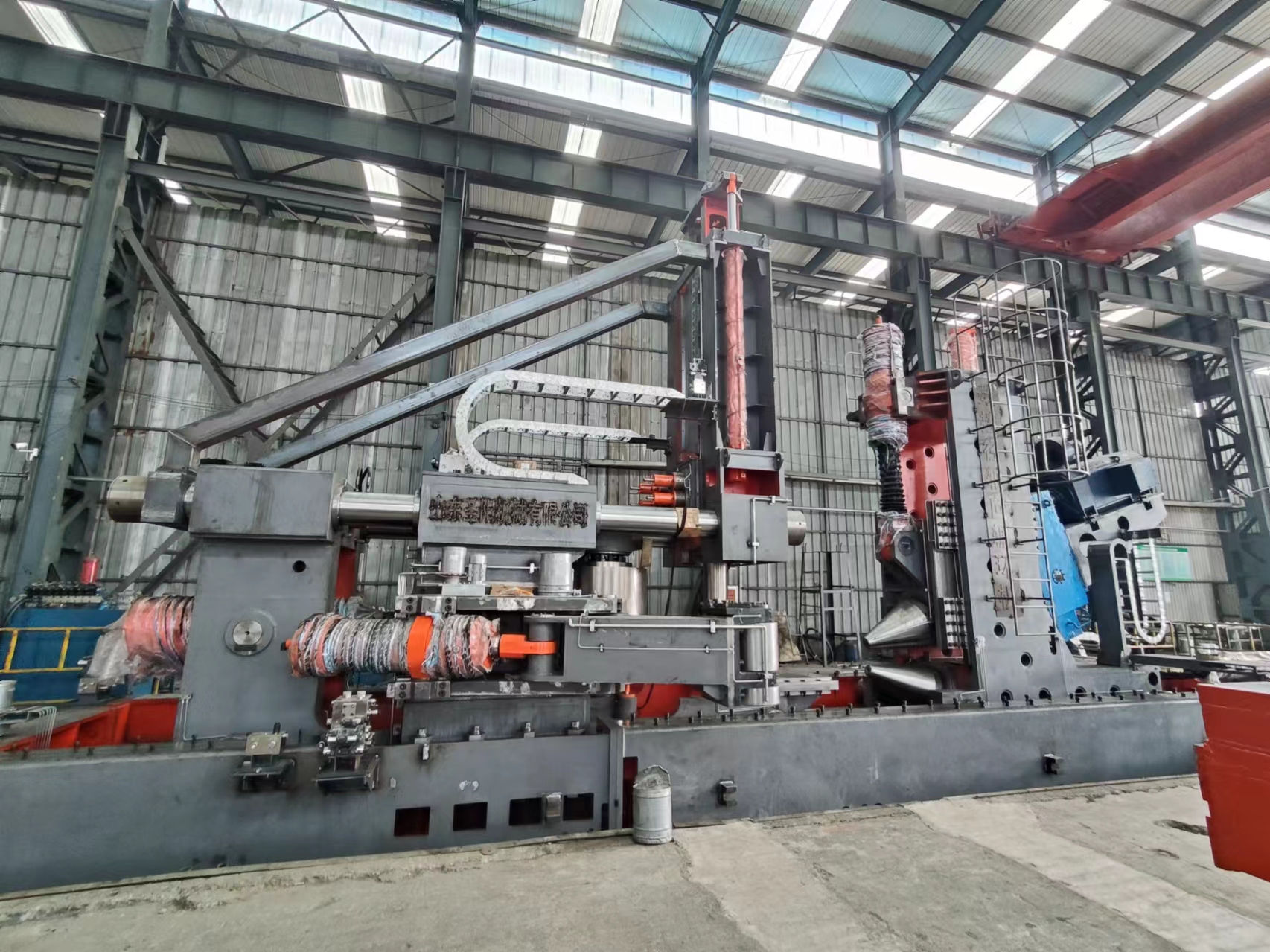
There is a lot of information on the Internet, but it is scattered. Of those who are constantly heard in the niche of forging equipment, we can noteShandong Shenyang Mechanical Equipment Co.,Ltd. Their website -https://www.shengyangjxgroup.ru— made specifically for the Russian-speaking market, which is already a plus. The description positions it as a high-tech enterprise, which, however, is what everyone writes. Another valuable thing is that the website usually has a section with projects and videos from production. This allows you to assess the scale of the workshops and the level of assembly.
But even then, don’t limit yourself to the website. Find their channel on YouTube - they often post "raw" ones there. test videos, which are more revealing than polished advertising. Check if they have an office or representative in Russia/CIS. This greatly simplifies the resolution of issues regarding warranty and spare parts supply.
Working with companies like Shenyang often means you are dealing with a direct manufacturer or their official export arm. They usually have a range of models - from relatively simplevertical machinesto fully automated lines. This makes it possible to start with something less expensive and then scale up.
Finding a reliable supplier is not a one-time event of choosing from a catalog. This is the due diligence process. It begins with a deep technical dialogue, continues with strict control at the production stage and ends with a competent contract, which spells out all penalties for missed deadlines, inconsistencies in quality and conditions for after-sales support.
Don't chase the lowest price. The right price is a reflection of the quality of the components, engineering and service. Sometimes it is more profitable to pay 10-15% more, but to get a machine that will fit into the line and work for years without downtime, and not a “project”? for constant improvements.
And one last thing. Build relationships. If you have found an adequate supplier who understands your requirements and fulfills the order efficiently, stick with him. Your next equipment purchase, be itring rolling machineor abs, you can discuss it on a completely different, confidential level, with discounts and priority service. In this business, long-term relationships often mean more than one-time benefits.