Email support
syjx@shengyangringrollingmachine.com

2026-01-14
If you are asking this question, most likely you have already passed the stage of studying new cars and are limited by their price tag. Or maybe you have a specific task where the reliability of components is more important than operator comfort. The request itself is correct, but it already contains the first trap: what is old? A conventional Dongfeng from the 90s, which is almost an antique, or relatively recent, but discontinued models, like the same Xingtai or YTO, which were massively exported 10-15 years ago? This is why you need to dance.
In my understanding, if we talk about a working and not a museum specimen, then these are cars produced from approximately 2000 to 2015. The earlier ones are already a lottery for spare parts, although their frames used to be stronger. The key here isold chinese balerof this era was often built according to licensed or well-studied designs, for example, the same John Deere or Claas of older generations. The mechanics are simple, hydraulics are minimized. The main problem is the quality of the metal in critical components. The bale chamber plates, fingers, shafts are where you need to look first. I have seen cars that over the course of a season have eaten up new springs in the feed mechanism because the fits were broken.
This leads to the main principle of the search: you need not just a unit, but a unit with a history and, more importantly, with access tospare parts. Buying a baler for which you have to wait three months for even the simplest bearing from China is more expensive. Therefore, it is often more profitable to look not specifically for a baler, but for leftover batches from companies that imported and serviced them. They may have something worth collecting dust in their warehouses, but most importantly, they know that they can still get it for this model.
For example, I had experience with the Shandong Fengyu baler (not to be confused with larger brands). The machine seems to be intact, but during the first serious baling, the earring of the binding mechanism burst. It turned out that this was a common problem for this particular batch, and local craftsmen simply forged new ones from stronger steel. But to find out, I had to call a bunch of friends. Information on the Internet in Russian on such narrow issues is often zero.
Avito and other boards are obvious. But they often sell things that worked for the first owner, and they sell them precisely because problems began. A more interesting channel is specialized forums for agricultural technicians and telegram groups. There, people often sell equipment from the garage, sometimes without even putting it on public sites. Prices can be more reasonable, and the history of the machine can be more transparent, because you communicate directly with the machine operator.
The second way is companies that specialize in used Chinese equipment. They often buy it in bulk in Europe or directly in China from auctions, carry out minimal repairs and bring it here. The risk is that minimal repairs may only involve painting. But such companies usually have at least a minimum stock of spare parts or channels for their prompt delivery. You need to look not at the beautiful website, but at the warehouse and workshop.
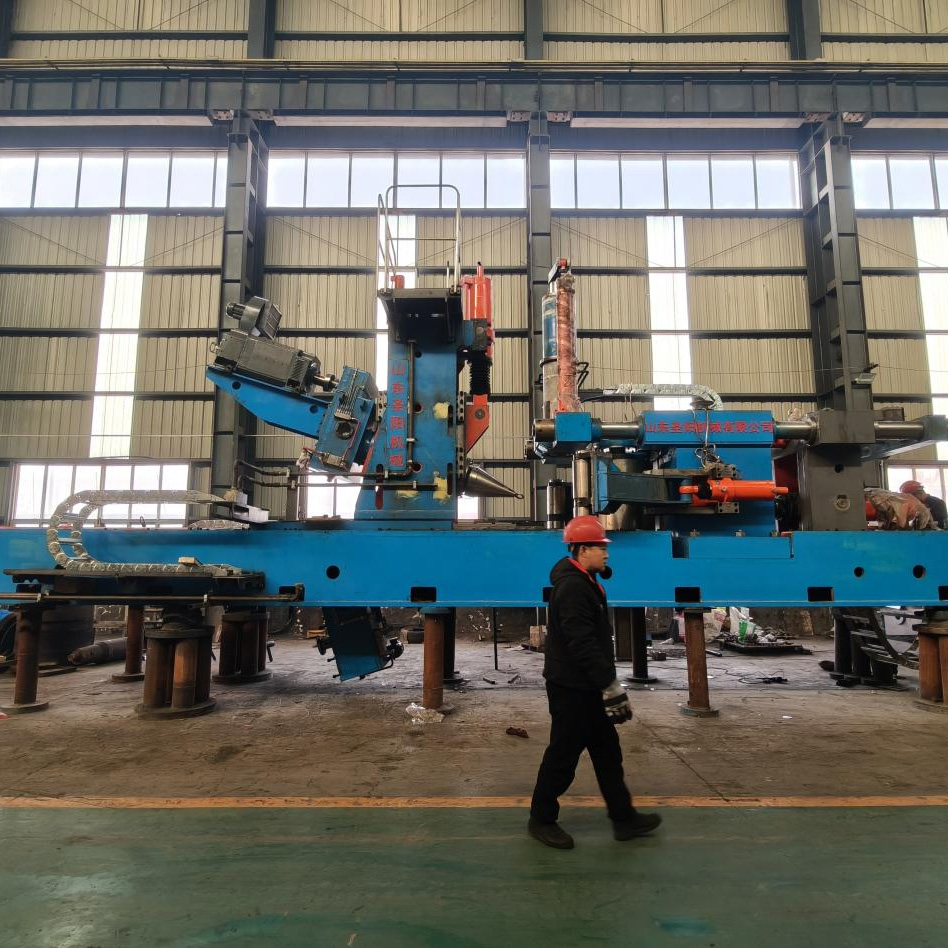
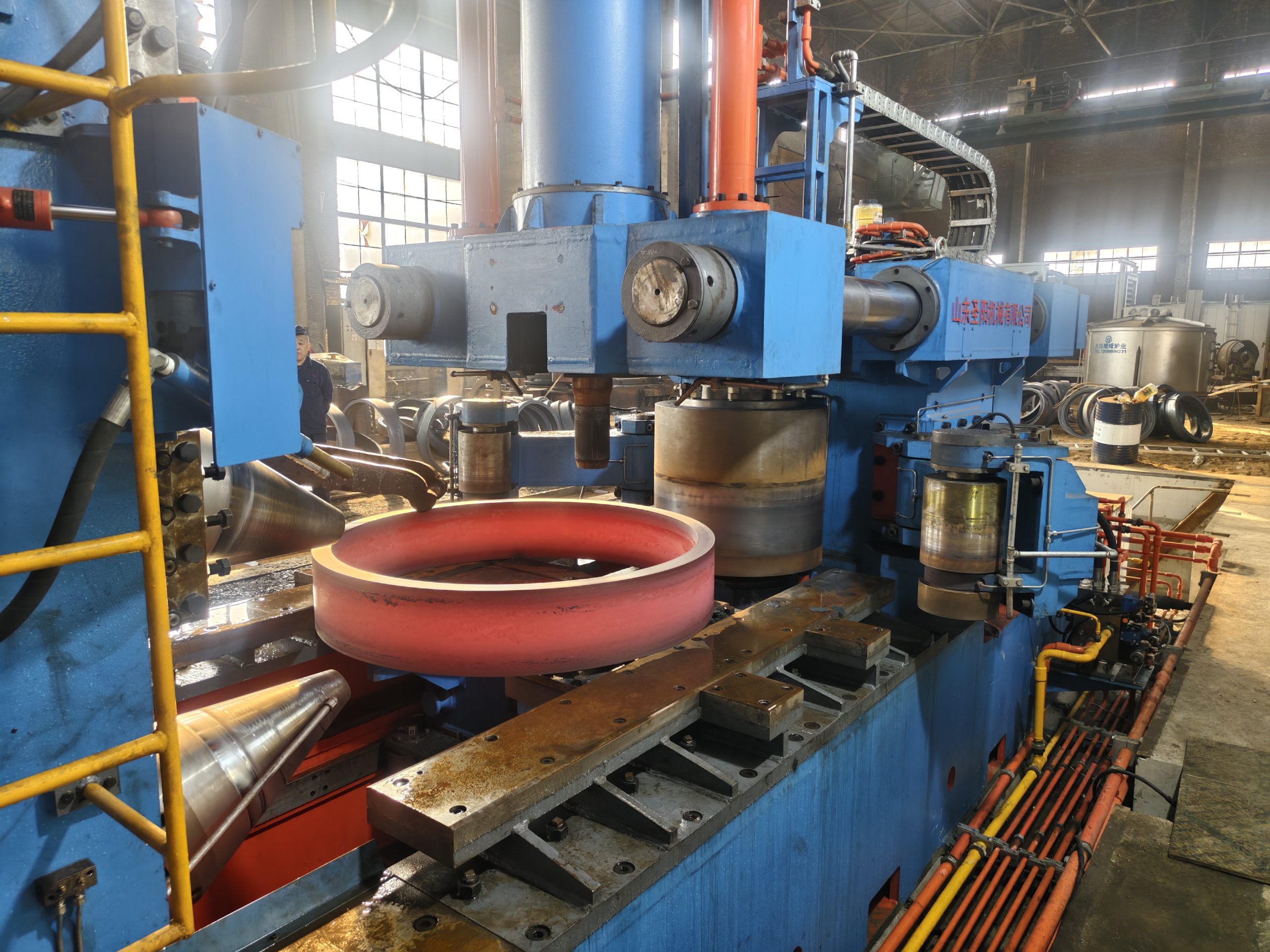
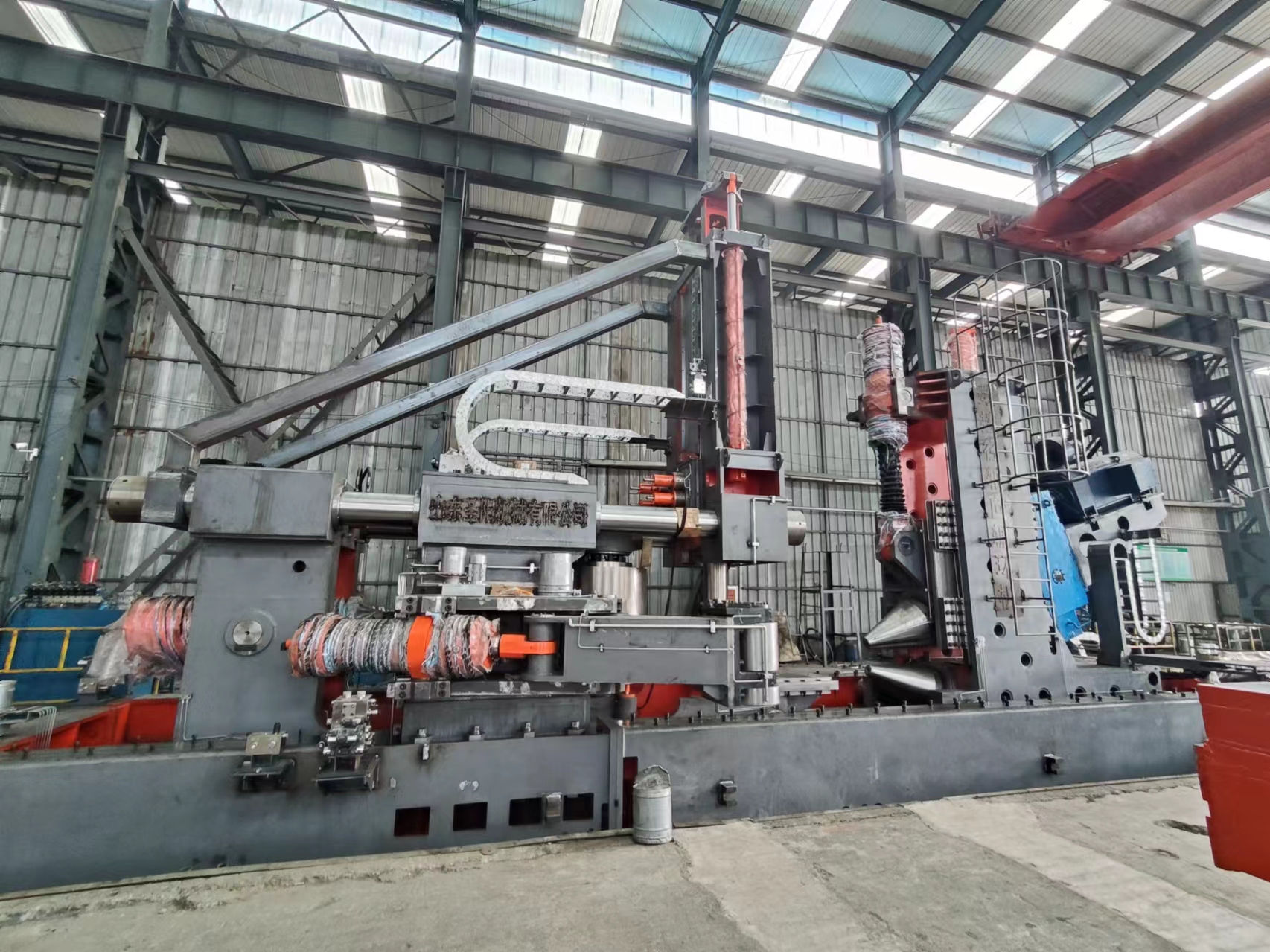
Here, by the way, we can mentionShandong Shenyang Mechanical Equipment Co.,Ltd. This is not just a reseller, but as stated on their websitehttps://www.shengyangjxgroup.ru, a high-tech enterprise that produces its own equipment. An important nuance: such manufacturers often have access to leftover components and equipment for models that are no longer produced. If they're selling old balers, chances are it's not a random machine, but one for which they can provide technical support or at least drawings to make the part. This is a serious advantage over the reseller. Their site is worth exploring not so much for purchasing new equipment, but as a source of information about previously produced lines.
Everyone checks the chamber springs, feed drum teeth and general condition. This is right. But I always spend more time on three things. First -seams and rivets on the frame, especially at the drawbar attachment points and around the bale chamber. Chinese welding from this period could be patchy, with fatigue cracks appearing that are not always visible under the dirt and paint. Tapping with a hammer is an old-fashioned, but working method.
The second is the condition of the shafts and bearings in the roll forming unit. Their wear leads to distortion, and the roll turns out crooked, with loose edges. Ask to turn the mechanism by hand (if possible) or at least look in the grease nipples. If they are all crushed and clogged with earth, it’s clear how they were serviced.
Third, and most important, -knitting system. Needles, shuttles, thread guides. In older balers this is a headache. You need to look at the wear of the guides, the tension of the springs, and whether there are any backlashes. The best test, of course, is to try to tie the bale, but during inspection there is rarely such an opportunity. Therefore, I simply evaluate the general appearance: if the mechanism is clean, lubricated, and not overgrown with compressed straw and rust, this is a good sign.
The cost of the unit itself is only a third, or even a quarter of the final investment. You need to immediately set a budget foraudit. Even if the car is running, you will almost certainly have to change bearings in several units, belts, and possibly pulleys. Prices for spare parts vary greatly. Universal bearings or belts can be purchased from local suppliers. But a specific part, such as the same camera plate or needle body, may have to be ordered. And this is where having contact with a manufacturing company or a large importer, like the one mentioned in Shenyang, can save time and nerves.
Balers are often sold without a towbar or with crooked hitches. Fitting it to your tractor is a separate job and sometimes takes a couple of days of welding and fitting. Consider in advance whether the traction class, hitch height, and whether the tractor has the required PTO (540 or 1000 rpm) are the same. It would seem like a small thing, but because of it, the purchased car can stand for a month waiting for an adapter.
And don't forget about logistics. Overtaking such a car under your own power is risky. Transporting with a low loader costs money, and this should be included in the purchase price right away.
So where to buy? Answer: not in one place. First you need to narrow the circle as much as possible - decide on the make and model, based on the availability of spare parts. Then monitor all channels in parallel: Avito, forums, and websites of specialized companies. Make a few calls, don’t hesitate to ask about typical problems with a particular model.
If you see an offer from a company that is involved in production, likeShandong Shenyang Mechanical Equipment Co.,Ltd, this is a reason to dig deeper. Check if they have manuals for this model and if they can help with technical documentation. This is an indicator of a serious approach.
Ultimately, buying an old Chinese baler is a bet. The bet is that its simple design will outweigh the wear and tear of age. What helps you win this bet is not luck, but careful preparation and understanding that you are not just buying hardware, but a potential headache that needs to be diagnosed in advance. Good luck in your search, and may your future bale be tight and even.