Email support
syjx@shengyangringrollingmachine.com

2026-01-10
This is a question that you often hear, and the answer to which many are looking for head-on, at the first ad they come across. But in vain. Because ?buy? - this is just the tip of the iceberg. It is much more important - from whom and how, so that later this unit does not turn into a pile of expensive scrap metal in the corner of the workshop. I went through this myself, I saw how colleagues made mistakes, choosing solely based on price or a beautiful picture on the site.
When they say “Chinese vertical ring rolling mill,” an image of some kind of universal solution immediately appears in your head. This is the first trap. China is not just one factory, it is dozens of manufacturers at different levels: from handicraft workshops that assemble equipment almost on their knees, to serious factories whose products are not much inferior to their European counterparts in reliability, although they retain a price advantage.
The key point is technology and purpose. One machine is designed for hot rolling of massive rings for bearings or flanges, the other for cold rolling for more precise, delicate products. The power unit, CNC system, positioning accuracy - all this differs by an order of magnitude. I once saw how they tried to drive on a “cold” one. mill a workpiece designed for hot deformation. The result is bent guides and expensive repairs. So the question is “where to buy?” should begin with the question “why exactly?”.
One more nuance -vertical ring rolling milloften requires serious preparation of the foundation and supply of communications (powerful power supply, sometimes water for cooling). Not all sellers warn about this in advance, and when the machine is already at customs, you find out that a transformer or reinforced floors are needed. Expensive ?pleasure? pops up later.
Most start with Alibaba or its Russian-language analogues. This is logical, but risky. There are a lot of offers there, but behind the same photo there can be three different manufacturing plants and five intermediary trading companies. The price will be different, and most importantly, the responsibility will be different. The intermediary, having received an advance payment, can simply disappear, but with a factory, even a Chinese one, such tricks happen less often - the reputation is more expensive.
A more reliable way is to find an official representative or distributor of a specific plant in the CIS. They usually have a showroom, engineering support, spare parts in stock and, critically, help with customs and customs clearance. Yes, the price may be 10-15% higher than when ordering directly from China, but this overpayment is insurance against headaches. Once I saved money on an intermediary, and then I waited six months for a specialist from China to set it up; production downtime was more expensive.
There is a third way - through specialized industry exhibitions, for example, "Metalworking" in Moscow. The Chinese manufacturers themselves come there, you can “touch” it. equipment, talk to technologists, and not just sales managers. Contacts made there are usually the most valuable.
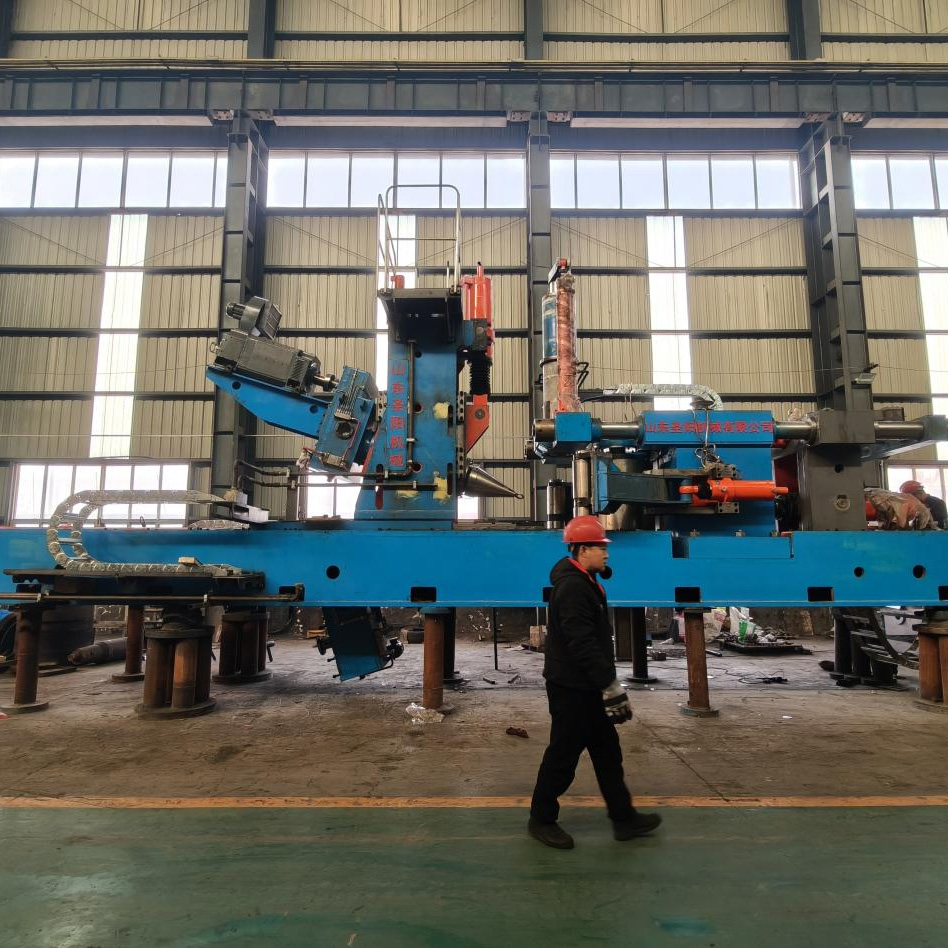
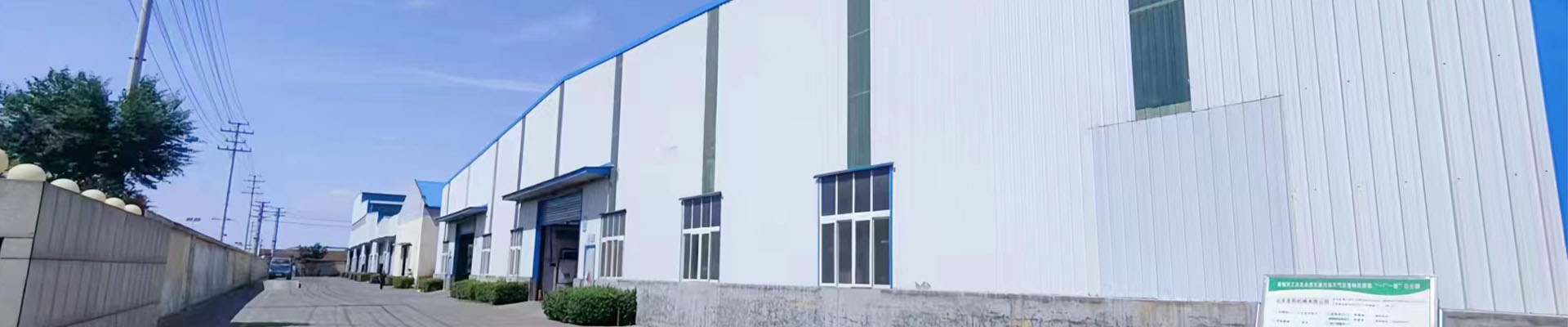
For example, let's takeShandong Shenyang Mechanical Equipment Co.,Ltd. This is not just a trading company, but, as indicated in their description, a high-tech enterprise. This is always an important marker for me. You go to their website -https://www.shengyangjxgroup.ru— and you see not just a catalogue, but technical documentation, diagrams, videos of machines in operation. This already indicates some seriousness.
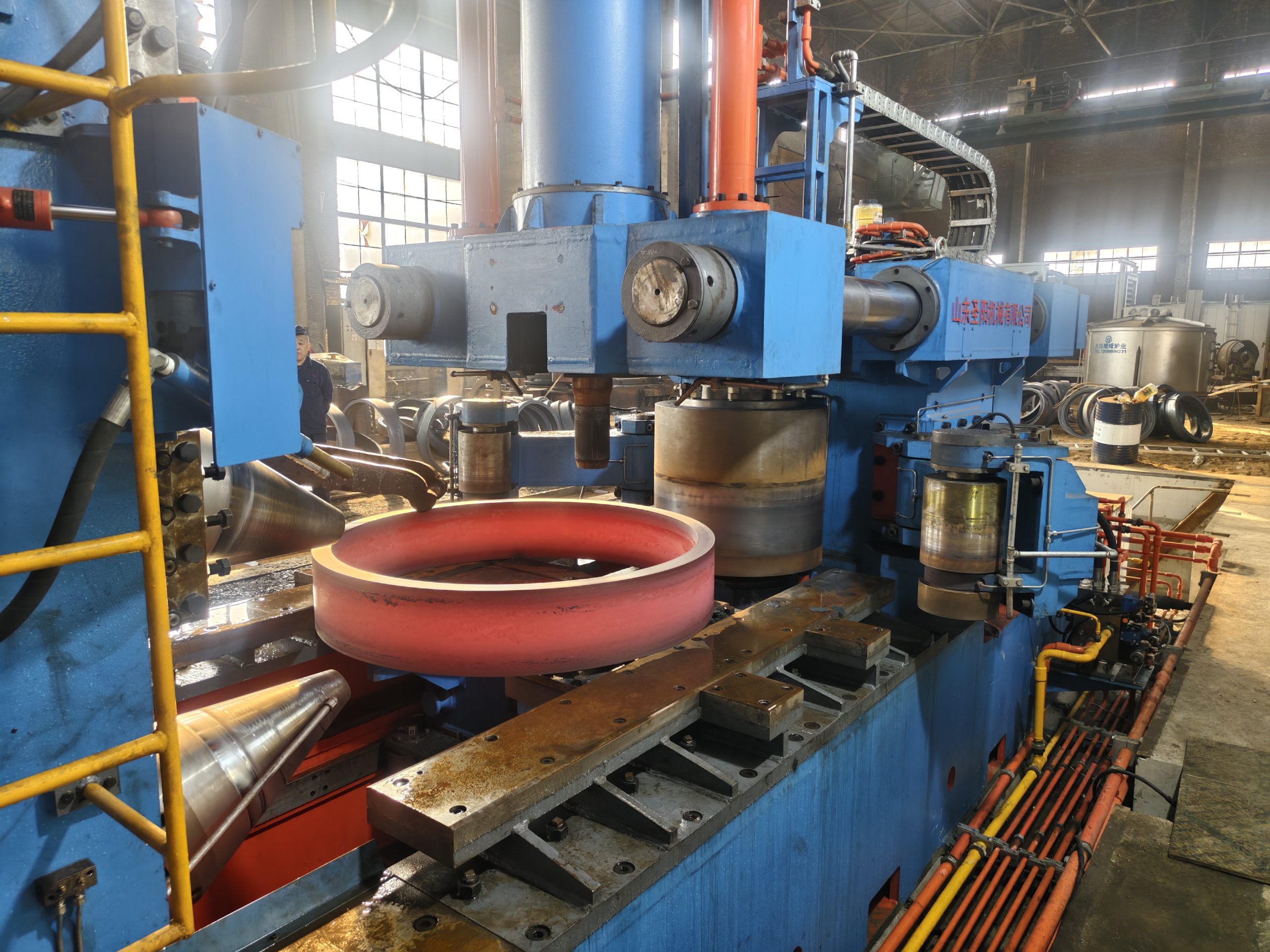
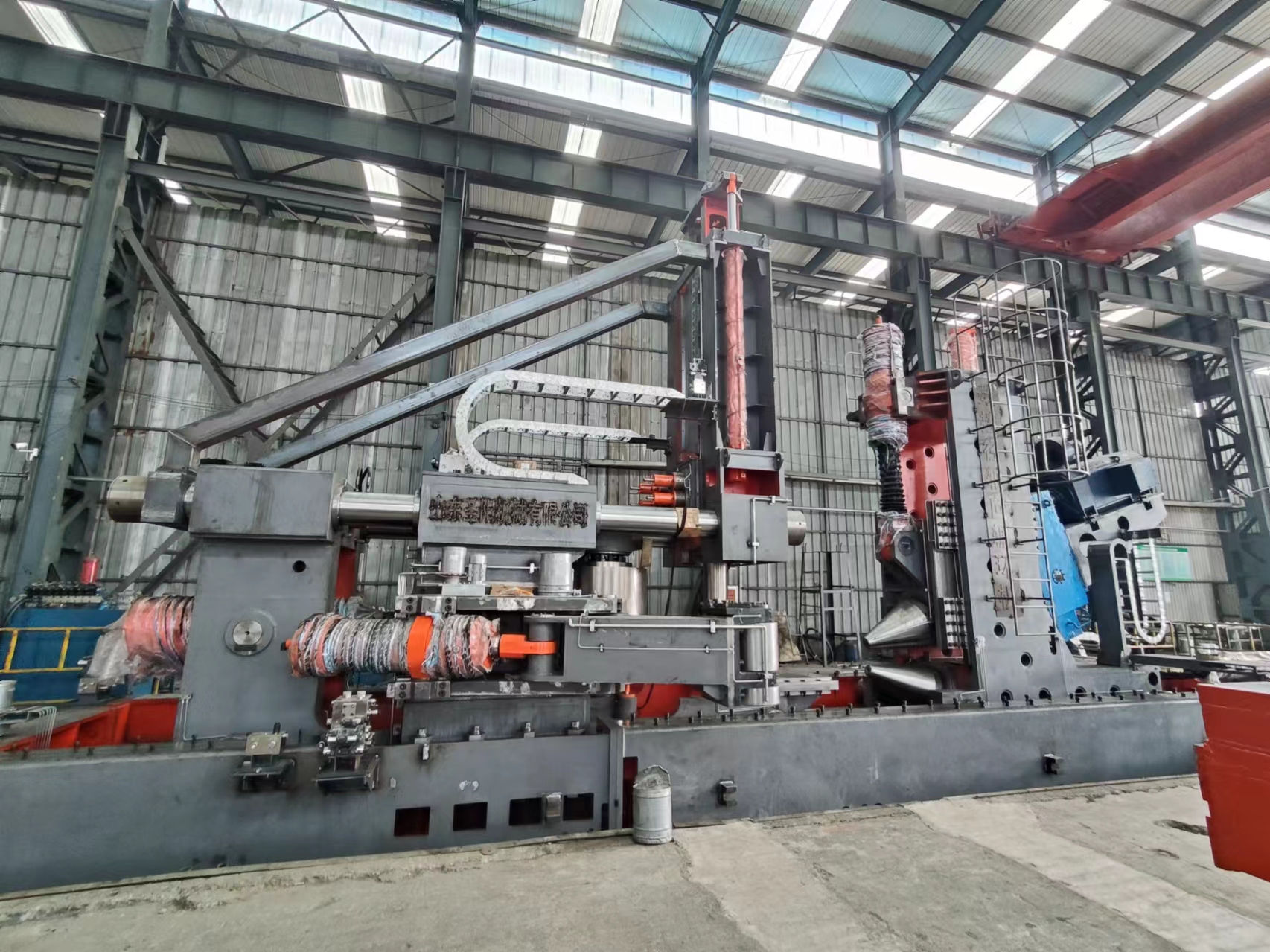
Colleagues encountered them. They noted that they have a linevertical ring rolling millsquite wide - from relatively simple models to complexes with advanced CNC and automatic feeding of workpieces. An important point that they emphasize is the adaptation of controls to our operator, the Russification of the interface. A trifle, but in fact it saves a lot of time during training.
But even here there are some “buts”. Like many Chinese suppliers, delivery times sometimes fluctuate. They promised 60 days, but it turned out to be 90. It’s good if this is stipulated in the contract with a penalty, but what if not? This is a common disease of the market, and you need to be prepared for it, setting aside time for installation and commissioning with a reserve.
Price is the last thing to talk about. The first is technical support. Is there an engineer available for installation supervision and training? What language will the instructions be in? A 12-month warranty is standard, but what does it include? Only defects in materials and workmanship, or also a visit from a specialist? Often the warranty does not cover production downtime due to breakdowns - this is a separate expense item.
The second is the availability of a spare parts warehouse. Wear parts: rollers, bearings, gears. How long will it take for them to be delivered if they fail? Ideally, the distributor keeps them in its warehouse in Russia or Belarus. At the sameShandong Shenyang Mechanical Equipment Co.,Ltd, judging by the information, there is a representative office, which means that the logistics of spare parts should be better organized than with direct delivery from the factory.
Third, and very important, is the possibility of test rolling. A serious seller will either bring a sample of your workpiece to their demonstration stand in China (and provide a video), or, ideally, organize a trial run on a machine already running somewhere in the region. This is the best way to check the stated characteristics. Once they refused a seemingly lucrative offer precisely after such a test - the machine “didn’t work?” the deformation we needed, although everything matched in the passport.
Let's say the seller has been chosen and the contract has been signed. This is where the second act begins. Incoterms - what are we carrying? EXW, FOB or CIF? If EXW (manufacturer), then you take care of all logistics and customs. It's hell for the first time. It is better to look for options where the seller undertakes delivery to your warehouse (DAP), or at least to the port/border. But here it is important to clearly state in the contract who prepares what documents for customs clearance.
Certification.Chinese vertical ring rolling mill- the equipment is unsafe. CU TR certificates of conformity are required. A responsible supplier helps to obtain them and provides the necessary test reports from the manufacturer. If the seller remains silent on this matter, this is a red flag.
Package. Does it seem nonsense? No matter how it is. Sea transportation, transshipment in ports - if the machine is packed in a regular wooden box, and not in a waterproof container with fastenings, there is a risk of receiving it with dents or, worse, with displaced guides. Repairs and adjustments upon arrival will eat up all the savings.
So where can you buy it? There is no clear answer. Somewhere between a direct manufacturer and a local distributor with a good reputation. For the first order, it may be worth paying more, but working with a representative office like the one mentionedShandong Shenyang, which takes care of the selection of the model, delivery, and service. For experienced people who have their own people in China or who are willing to take risks, direct contact with the factory may be more profitable.
The main thing is to perceive the purchase not as a transaction, but as the beginning of a long relationship. Whether this equipment will work for you or you for it depends on how the first contact, installation and solution of the first, inevitable problems go. Look not only at the machine, but also at the people who sell it and will service it. Their competence and willingness to help in an emergency situation is often more important than a couple of extra thousand dollars in price.
And yes, always, absolutely always ask for contacts of other clients in the CIS who have already purchased such a mill. Call them, ask about real experience. This is the most honest feedback you need to make a decision.