Email support
syjx@shengyangringrollingmachine.com

2026-02-02
If you are looking for spare parts for Polish Sipma balers in China, I can tell you right away: get ready for some detective work. Many people mistakenly believe that it is easy to go to Alibaba and find. In fact, original Sipma parts are not produced in China, which means you are looking for either contract manufacturing or adapted analogues, which is much more interesting and difficult.
The most common question: “Is there an official Sipma factory in China?”. No. And this is the root of all difficulties. The Polish company did not localize the production of spare parts here in full. Therefore, your search is essentially a search for businesses that either were once subcontractors or have learned to make compatible units. The key word here iscompatibility, not the original.
My experience is that ?hot? parts such as pressing mechanism shafts, teeth or belts often have Chinese counterparts, but their geometry and material can “float”. I once ordered a batch of bearing units for Sipma C-530. They arrived seemingly identical, but the fit dimensions differed by half a millimeter - the whole batch was rejected. The supplier swore that the drawings were accurate. As a result, it turned out that they copied not from the original, but from the same copy made in India. Classic.
Hence the first practical conclusion: never order critical parts without providing a sample or comprehensive measurements from your old, worn-out part. Photos and catalog numbers are often not enough.
Alibaba, Made-in-China - this is obvious. But the efficiency is low. On request ?Sipma parts? You will be presented with hundreds of offers, 90% of which are resellers who have not the slightest idea about technology. They will simply add your query to the list of keywords. Filtering these is easy: ask a specific technical question about a drawing or material. If the answer is formulaic or hasn’t been there for a day, by the way.
It is much more promising to search not by the brand name, but by the technological purpose of the part. For example, not “knives for Sipma”, but “rotary knives for balers, steel 65G, hardness HRC 50-55”. This will lead you to specialized metalworking plants. I had success finding springs for the bale chamber through just such a tech. request on B2B portals.
Another non-obvious way is forums and professional communities on WeChat. Engineers and buyers of real factories sit there. But to get there, you need contacts “on the ground?” or help from a local agent. Without Chinese language or a trusted intermediary, this channel is almost closed.
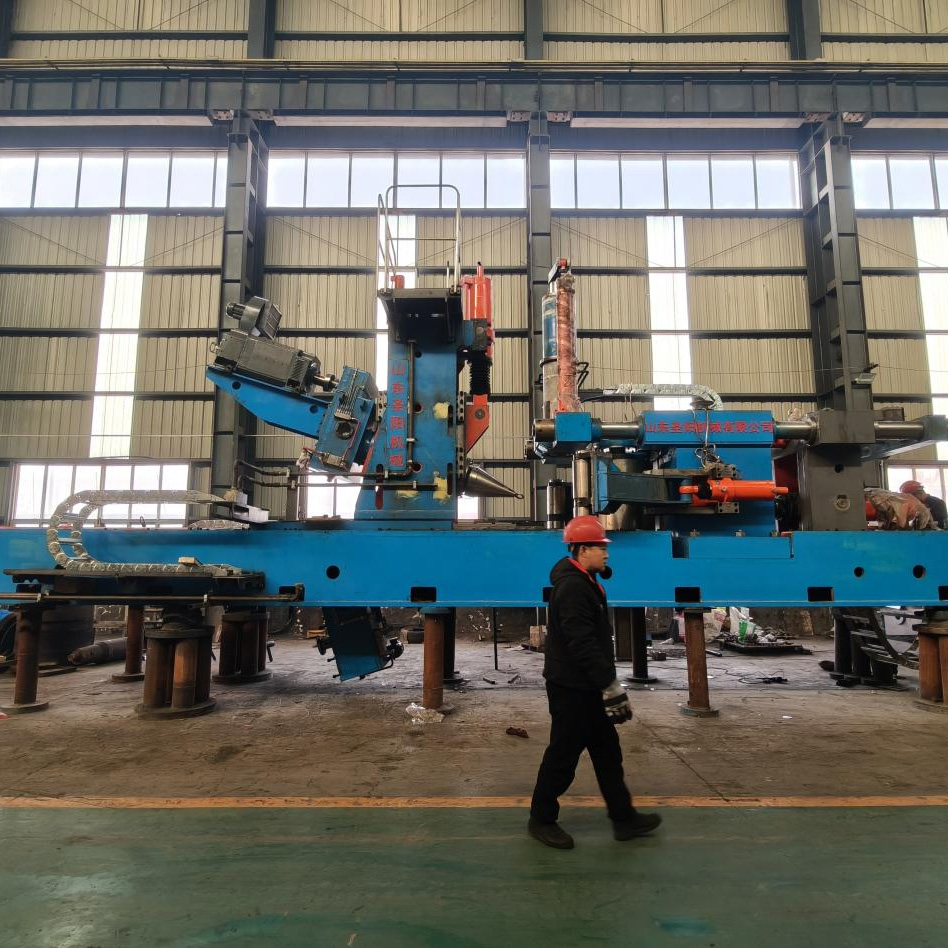
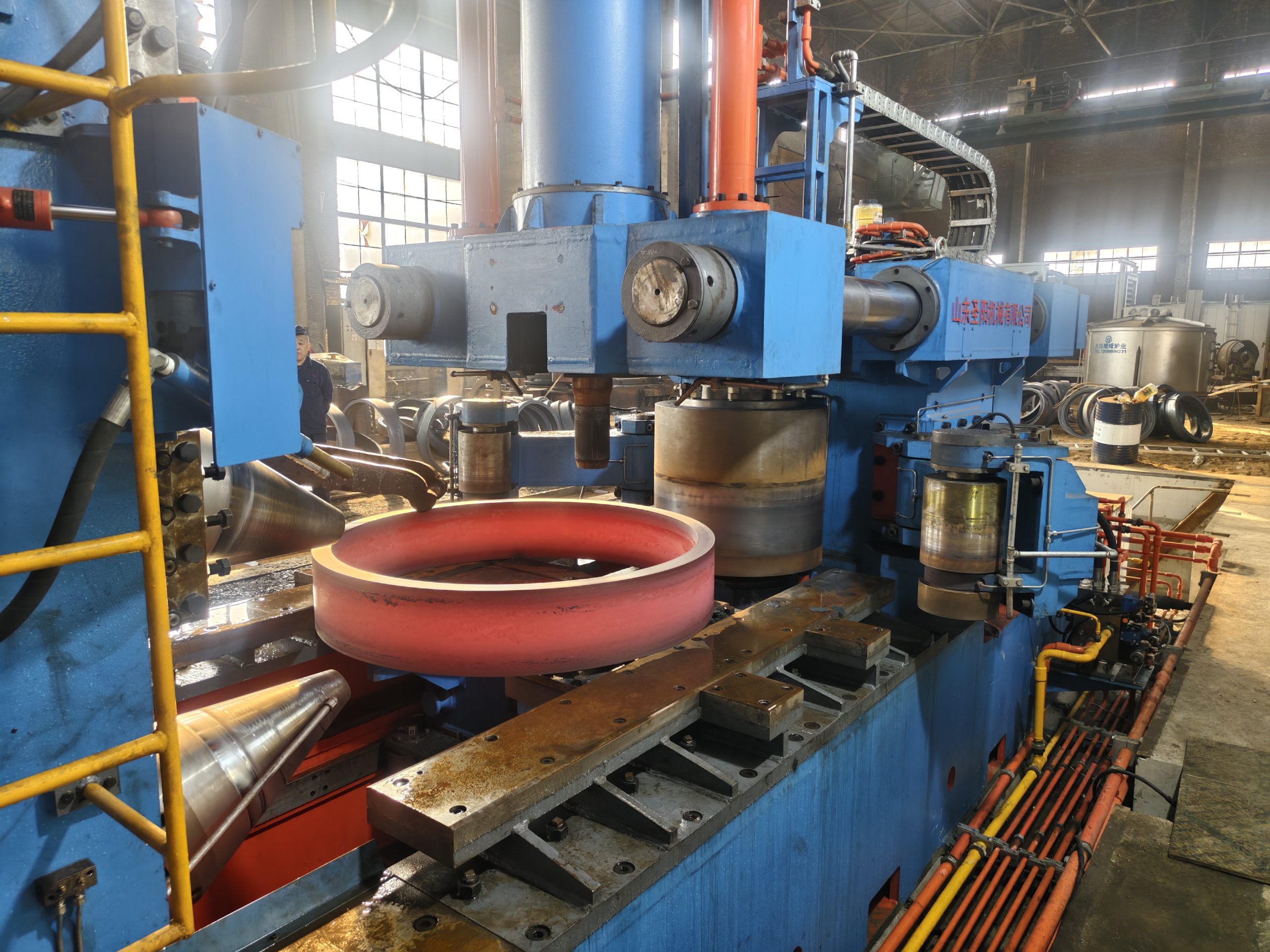
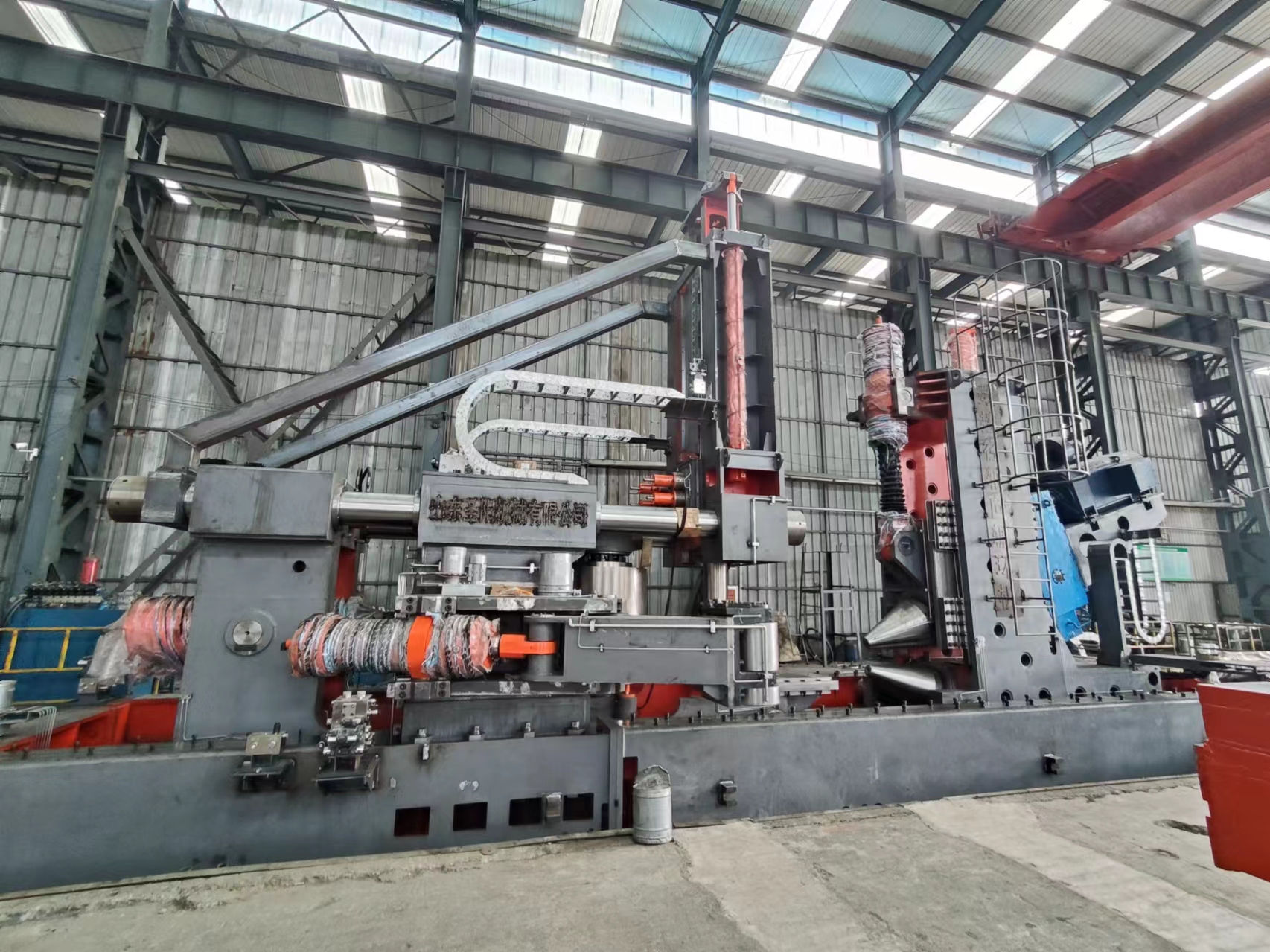
I remember spending almost two months looking for a pair of bevel gears for a fairly old model. There is silence on the sites. A chance conversation with a logistician from Qingdao helped, who advised me to contactShandong Shenyang Mechanical Equipment Co.,Ltd. I went to their websiteshengyangjxgroup.ruand saw that they position themselves ashigh-tech enterprisewith its own engineering center and focus on the production of parts for agricultural machinery, and not just on trade.
This was a rare case when a company not only sells, but can understand the problem. I sent them the worn gear. Their engineers made a 3D scan, sent a drawing based on measurements for approval, and offered two material options to choose from. As a result, the parts turned out to be even better than the original in terms of wear resistance. The approach is important here: they were not afraid of piecemeal, non-standard work. Their website, by the way, is in Russian, which is a huge plus for technical negotiations.
It is often more profitable and safer to work not with the plant directly, but with an engineering or trading company that specializes in agricultural spare parts. Their advantage is that they already have a database of proven manufacturers for various tasks, and they take care of quality control and logistics.
The downside is the markup, which can reach 30-50%. But this markup often hides the cost of your peace of mind: they themselves will go to the factory, check the batch before shipment, and resolve customs issues. For the first trial purchase of a complex part, I would recommend this route. Then, when the chain has been worked out and you have personally communicated with the plant technologist, you can move on to direct contracts.
How to distinguish a good intermediary from a bad one? A good one will immediately ask for a drawing, catalog number, photo of damage, operating conditions. Bad - he will immediately name the price and term, without asking questions. The price of a bad one will usually be suspiciously low.
The biggest mistake is to pay 100% of the cost in advance and wait for the parcel. The correct scheme for working with a new supplier: 30% prepayment, 70% after providing photos and videos of the finished product with key measurements, and better yet, after a report from the inspection company. I use the services of local inspectors who, for $200-300, visit the factory, check dimensions, material (sometimes even do spectral analysis), and packaging.
Once such an inspection saved us from major losses. We ordered a batch of rake drum fingers. Everything looked perfect in the photo. The inspector arrived and measured the hardness - it was 15 units lower than stated. The supplier began to fuss, but under the threat of refusing the shipment and drawing up an official act, he remade it. Without on-site control, we would have received scrap metal that would have fallen apart within a season.
Do not hesitate to ask for material certificates, especially for critical parts exposed to impact and abrasion. A high-quality Chinese factory will provide them without any problems.
Let's say the parts are found and the quality is checked. Now they need to be delivered. For Sipma spare parts, which are often large and heavy (frames, shafts), sea delivery is the most economical option. But consider not only the cost of freight, but the full cycle: processing at the factory, delivery to the port, loading, sea route, customs clearance in the Russian Federation, delivery to your warehouse.
There is often an ambush with documents here. The invoice and packing list must contain a clear, detailed description of each item indicating the HS codes. Vague ?agricultural machine parts? at customs will cause questions and delays. It is better for a supplier with experience in shipments to the CIS to handle this. For example, the same companyShandong Shenyang Mechanical Equipment Co.,Ltdin its work with Russia and the CIS, judging by experience, it is working well on this point.
Lastly, always include time for contingencies in your plans. A period of 45 days from payment to receipt at a warehouse in Russia is optimistic, but realistic. Most often it takes 60-75 days. Look not where it is faster, but where it is more reliable, especially when it comes to the details on which the harvesting season depends.
Finding Sipma spare parts in China is not about clicking and buying. This is about building a chain: technical specification -> search for an engineering-oriented supplier (like the one mentioned in Shenyang) -> careful control -> streamlined logistics. You most likely will not find the original, but a high-quality analogue that will last no less is quite possible.
Start with not the most critical details in order to “feel out” supplier. Save all drawings and correspondence. And most importantly, tune in to dialogue with engineers, and not with sales managers. When your contact person on the other end is a technologist who gets to the bottom of the problem, the chances of success increase significantly. Good luck with your search, it's worth it.