Email support
syjx@shengyangringrollingmachine.com

Forging manipulator
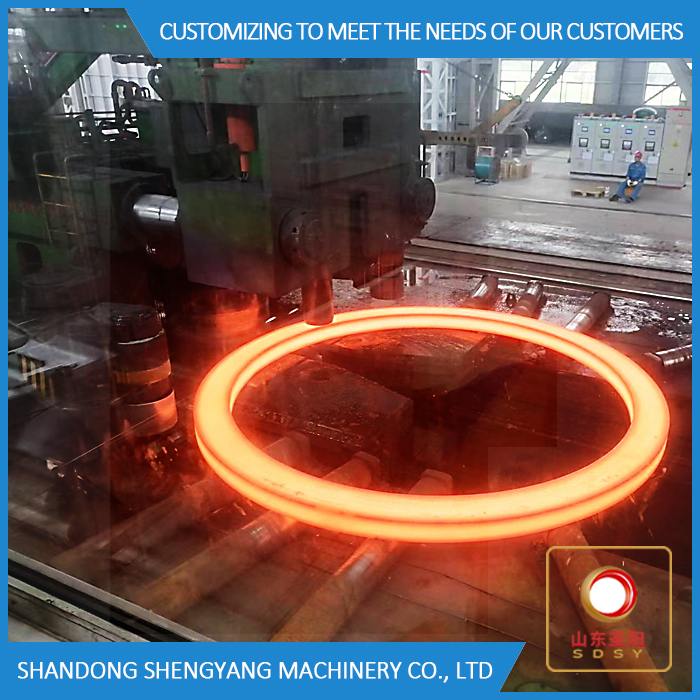
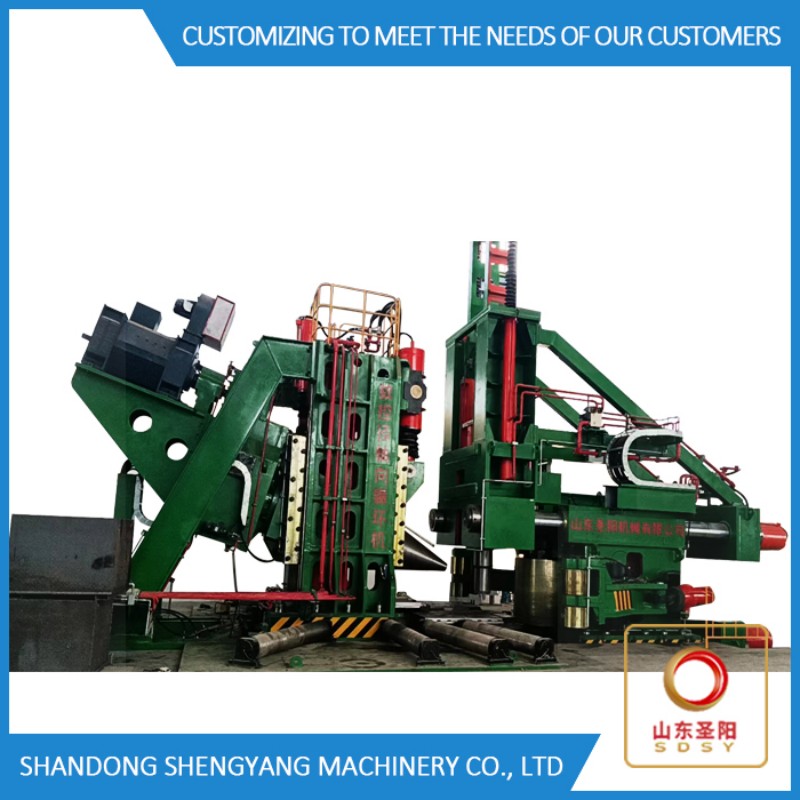
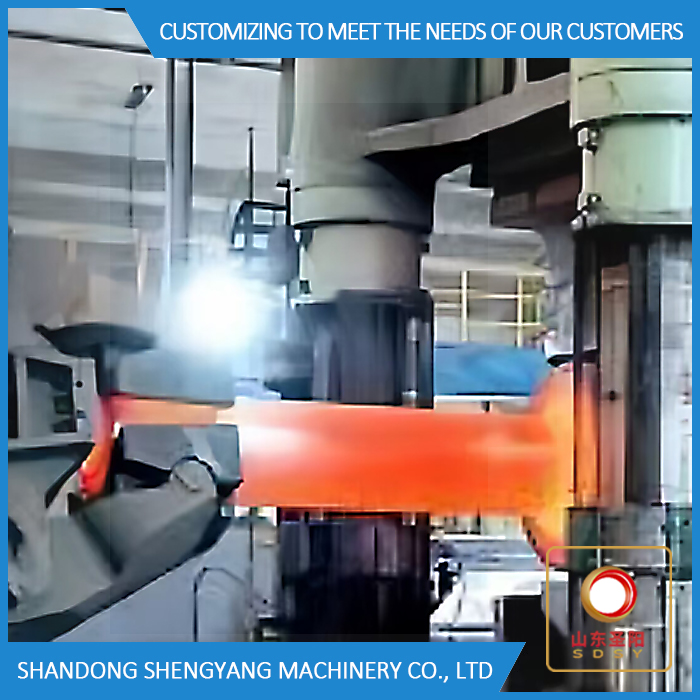
A forging arm is essentially a powerful human-controlled arm, but with much greater force and precision. Imagine giant pliers capable of holding and moving hot metal pieces, bending and shaping them into the desired shape. This is an indispensable tool in forging, the production of complex metal products and other industries that require precision metal work.
Operating principle and advantages
The basis for the operation of the forging manipulator is a system of powerful drives, hydro- or electromechanical, which ensure precise and smooth movement of the “hands”. manipulator. This allows the operator to process metal comfortably and safely without exposing himself to direct contact with hot parts. Excellent position and force control allows you to create complex shapes with high precision and repeatability. Thanks to this, the quality of forging increases significantly, and the time required to complete operations is reduced. Manipulators also improve workplace safety by eliminating the risk of burns and injuries.
Variety and Application
Forging manipulators are available in different sizes and capacities, adapted to different tasks. From small ones used in a forge shop to handle small parts, to huge ones used to lift and manipulate giant parts in metallurgical production. They are used in the automotive industry, machine tool manufacturing, construction and many other industries that require metal processing. Some models have additional equipment that allows, for example, automatic loading and unloading of materials, which makes production even more efficient.
The future of forging manipulators
Technology developments continuously improve forging manipulators. In the future, we can expect more powerful and intelligent systems, using artificial intelligence to automate processes. This will improve the accuracy, productivity and safety of forging work, as well as open up new opportunities for creating even more complex and unique metal products. Integration with control systems and automation will lead to even more efficient and flexible metalworking processes.