Email support
syjx@shengyangringrollingmachine.com

Forging rail manipulator: an assistant in metallurgy
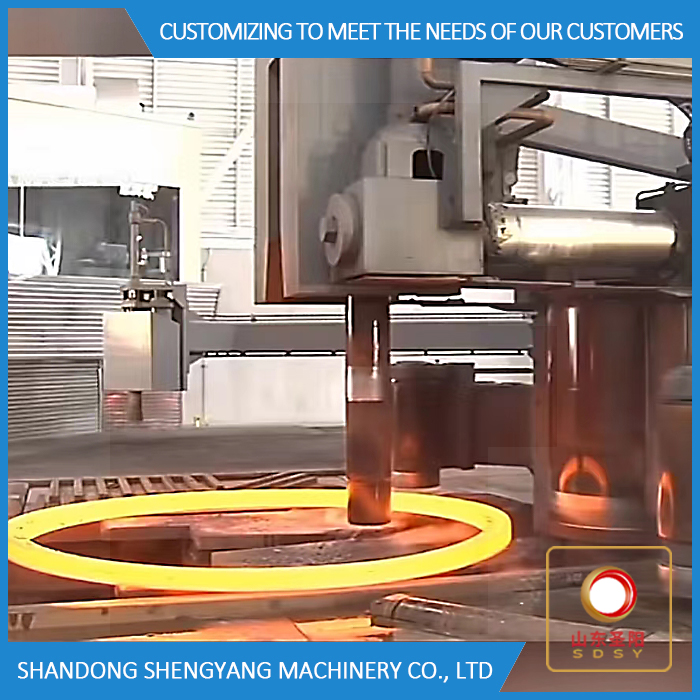
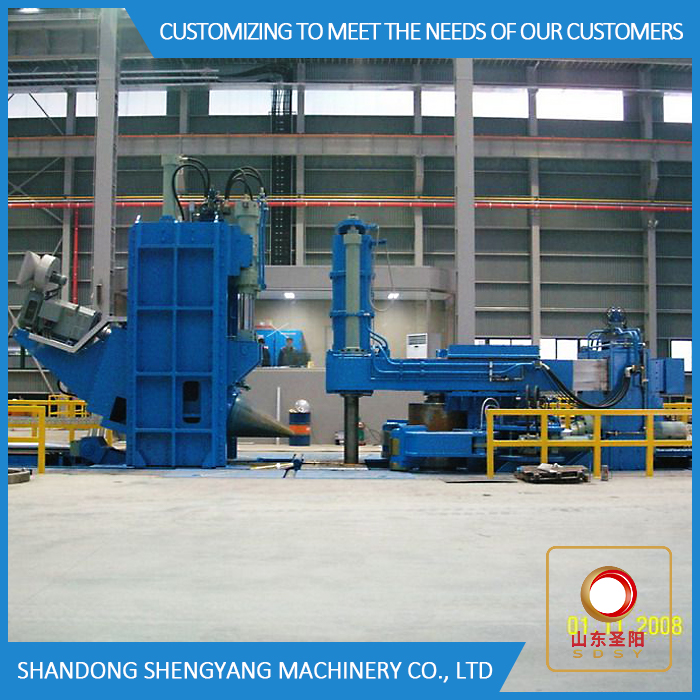
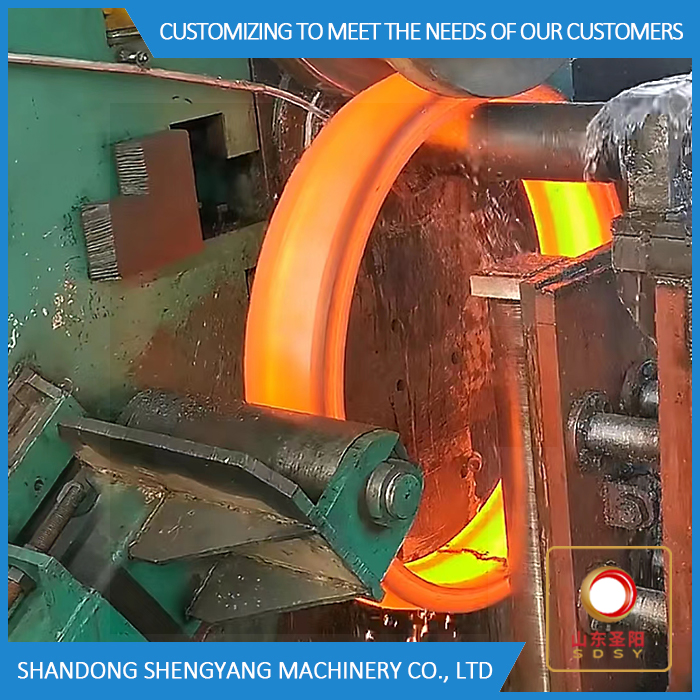
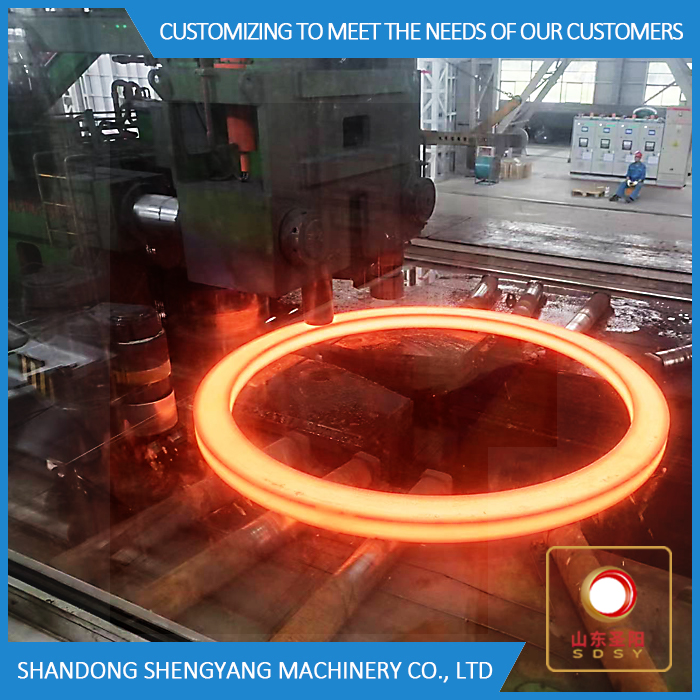
The forging rail manipulator is a powerful and versatile machine, indispensable in metallurgical shops. Imagine a giant hand moving on rails, capable of processing hot workpieces with great precision and power. This is exactly the role this assistant performs. He takes on the arduous and often dangerous work of moving and positioning metal blanks needed for further forging and processing. Thanks to it, people can work at a safe distance from hot materials.
Key Features and Benefits
The main purpose of the manipulator is to ensure comfortable and safe work with high-temperature metal. It accurately moves workpieces of various shapes and sizes and places them in the desired position for subsequent operations. This significantly simplifies and speeds up the production process, reducing the human factor and the risk of injury. The rail base allows the manipulator to maneuver within the workshop, accurately directing the material to the desired point. In addition, modern models are equipped with monitoring systems that monitor operational safety, preventing accidental damage or accidents.
Technological features and design
The design of the forging rail manipulator includes a powerful drive that allows you to lift and move heavy loads. Its operation is based on durable rails that ensure stability and precision of movement. It is usually controlled remotely using a control panel located in a safe area. During operation, cooling systems are used to prevent overheating of the mechanisms. All parts must be made of high quality materials that can withstand extreme temperatures and loads.
Application and development prospects
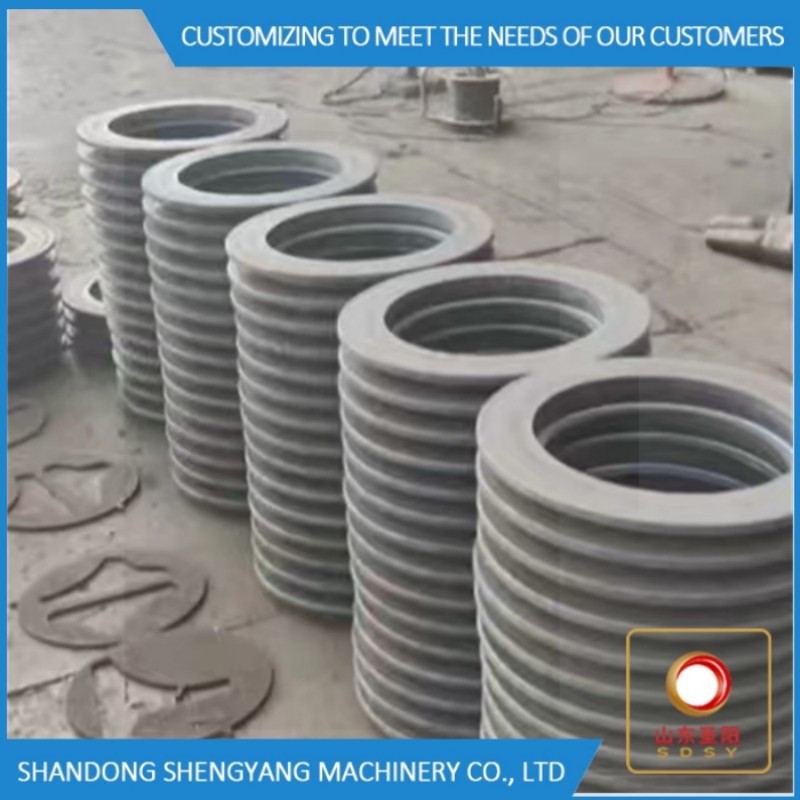
Forging rail manipulators are actively used in the production of various types of rolled metal. For example, when creating machine parts, car bodies, railway cars, etc. Thanks to constantly developing technologies, manipulators are becoming more advanced, accurate and powerful. In the future, we are likely to see further development of automation and robotics systems, which will further reduce the risk of work-related injuries and increase the efficiency of workshops. This helps not only to improve product quality, but also to improve working conditions for workers.